
In my decade of hands-on experience as an interior designer, I have discovered that designing a bedroom for a child is one of the most rewarding challenges in residential styling. It is not just about choosing cute furniture or matching paint swatches; it is about crafting a functional sanctuary that nurtures imagination, supports rapid physical growth, and feels profoundly safe.
When parents come to me looking for Kids Bedroom Ideas, they often feel overwhelmed by how quickly children outgrow their environments. Over the years, I have developed a repeatable system that balances whimsical storytelling with smart, scalable spatial layouts. By layering adaptable themes over high-quality, foundational furniture, you can create a magical space that evolves alongside your child. Let’s dive into a curated blueprint designed to delight both your design sensibilities and your child’s wildest dreams
Quick Reference Comparison Table
| Design Concept | Best Suited For | Primary Benefit | Longevity Rating (1-5 Stars) |
| Montessori-Inspired Layout | Toddlers & Early Learners | Promotes Independence & Calm | ⭐⭐⭐⭐⭐ |
| Chalkboard Wall / LEGO Baseplates | Creative & Kinetic Kids | Endless Artistic Expression | ⭐⭐⭐⭐ |
| Bunk Bed with Slide | Shared Rooms & High-Energy Kids | Maximizes Play & Floor Space | ⭐⭐⭐ |
| Minimalist Zen-Inspired Room | Tweens & Sensory-Sensitive Kids | Enhances Focus & Deep Sleep | ⭐⭐⭐⭐⭐ |
Tools and Materials You Need
Low-VOC or Zero-VOC Paint: Essential for maintaining healthy indoor air quality in a child’s bedroom.
Heavy-Duty Wall Anchors: Rated for at least 50 lbs to secure bookshelves, dressers, and heavy frames.
Laser Measure: For precise spatial layout optimization down to the millimeter.
Level (Spirit or Digital): Crucial for hanging gallery walls and floating shelves perfectly straight.
Removable Fabric Wallpaper: A damage-free alternative for fast-changing thematic accents.
22 Wonder-Filled Kids Bedroom Ideas
1. Magical Canopy Reading Nook
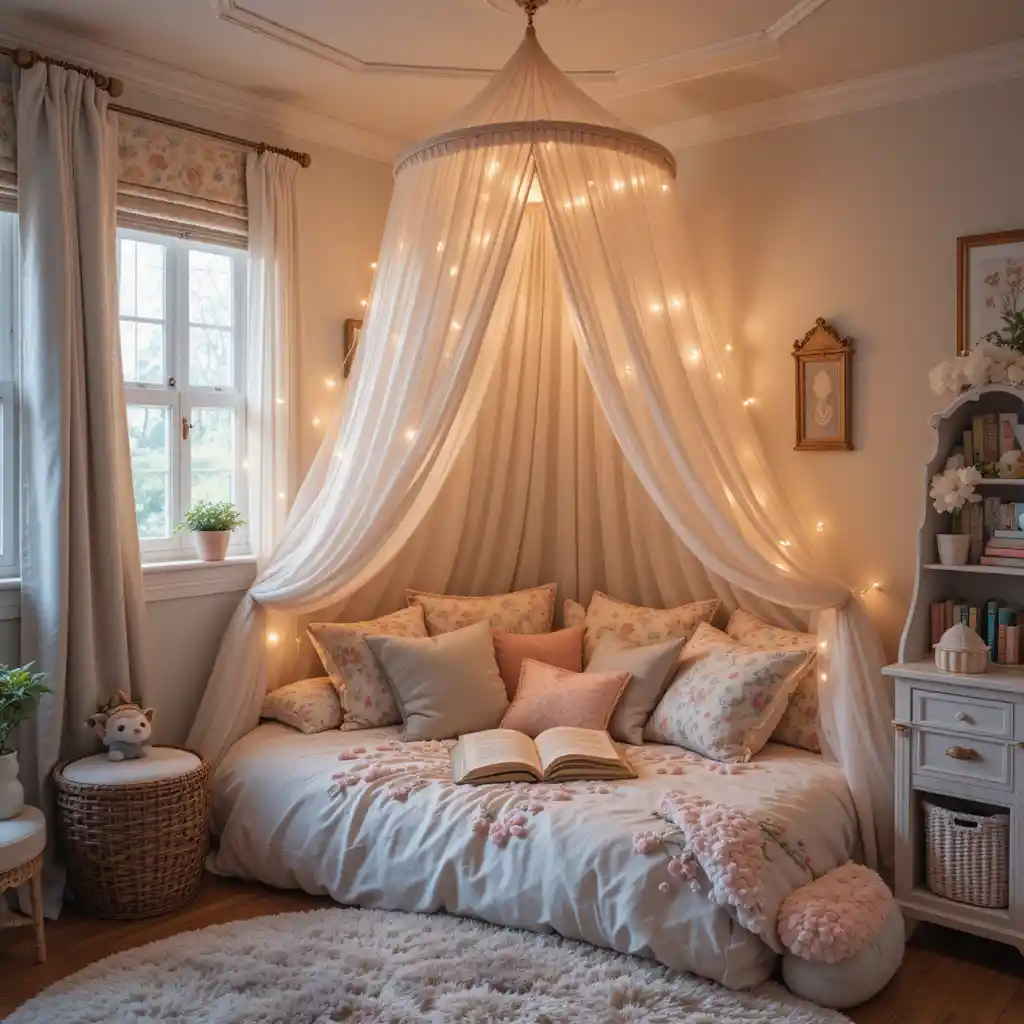
Transform a quiet corner into a fairy tale-like reading zone. Hang a soft, sheer, flame-retardant canopy from a secure ceiling hook, allowing the fabric to drape elegantly over a pile of high-density foam floor cushions. In my practice, I find that creating this dedicated micro-zone immediately establishes a cozy, calming space that encourages reading and independent rest.
2. Outer Space Exploration Theme
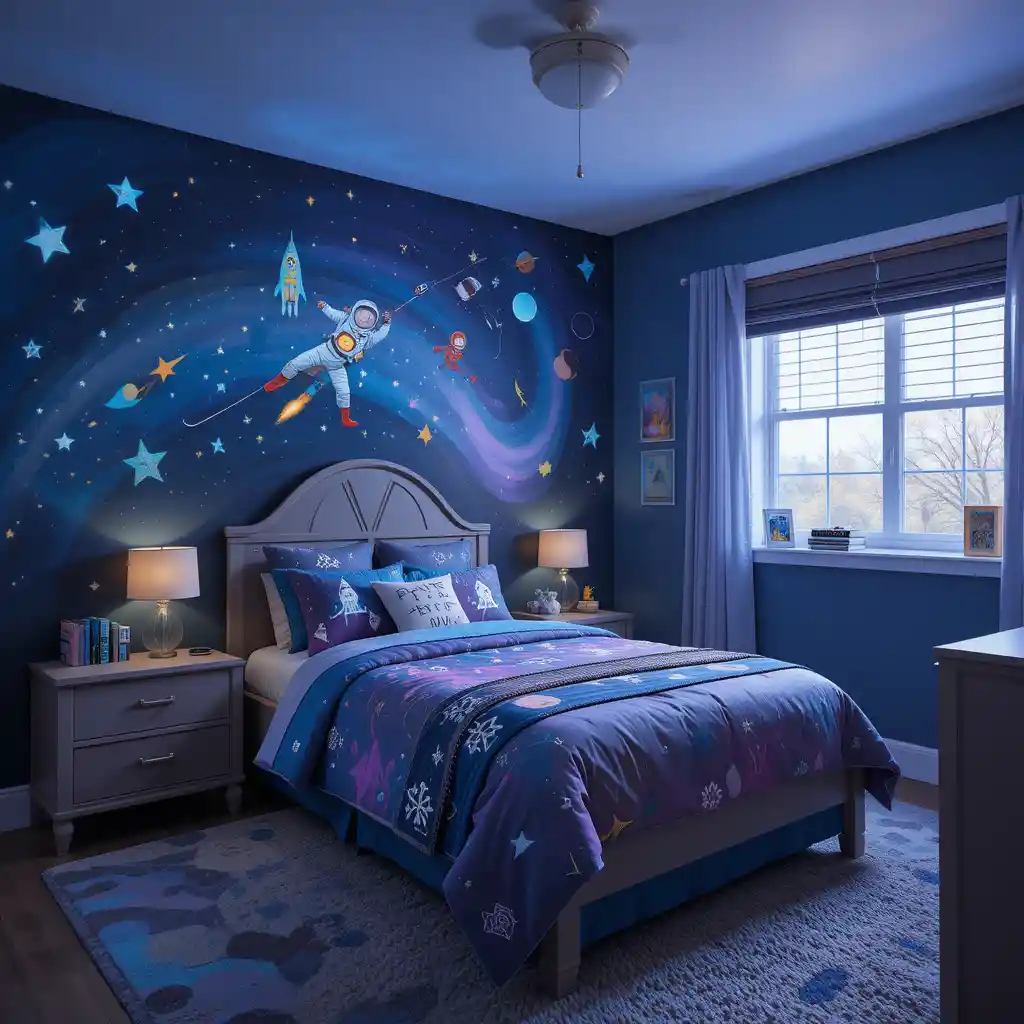
To bring this stellar theme to life, paint the primary accent wall in deep indigo or charcoal violet using a matte finish. Layer the ceiling with high-quality glow-in-the-dark stars and add a high-resolution rocket ship bedding set. I always recommend my clients opt for removable astronaut wall decals to keep the backdrop easily adaptable as interests shift.
3. Animal Safari Jungle
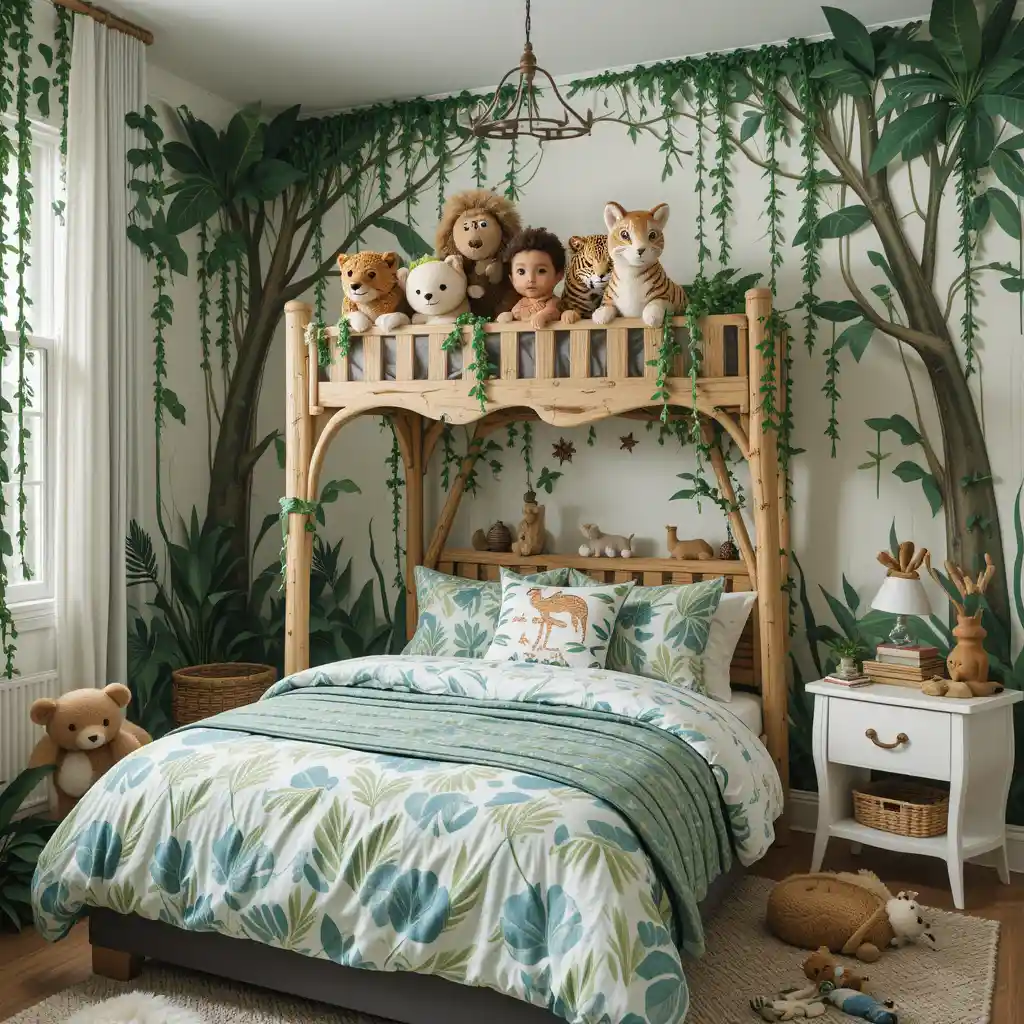
Bring the beauty of wildlife indoors by using leafy botanical wall murals and subtle animal prints. Instead of overstuffing the room with small knick-knacks, choose large-scale elements like a treehouse-style bed or hanging faux vines. This creates a wild, adventurous vibe that feels cohesive rather than cluttered.
4. Montessori-Inspired Layout
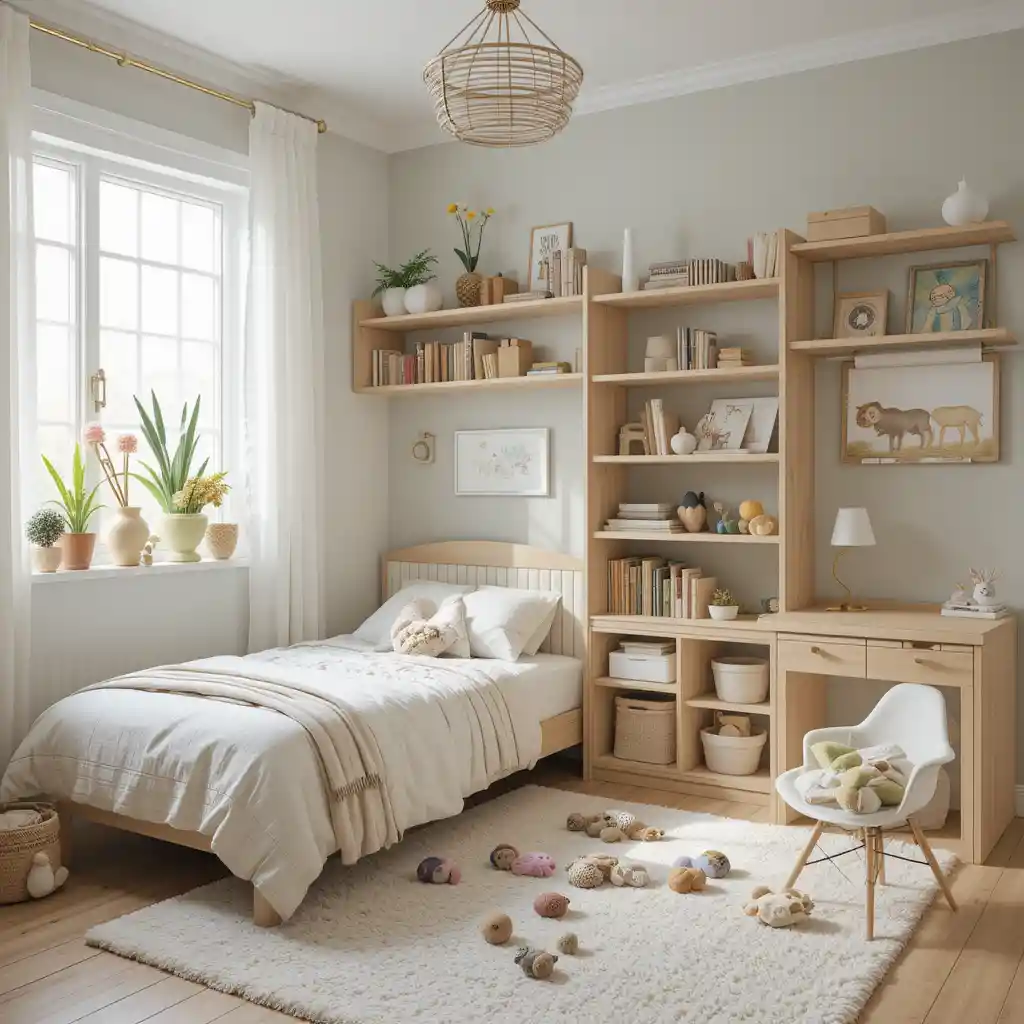
This approach is highly effective for early childhood development. Keep everything low to the ground so your child can access toys, clothing, and books completely independently. Use low open shelves, child-sized forward-facing book displays, and a neutral, grounding color palette to promote deep focus and an overarching sense of calm.
5. Dinosaur Explorer Room
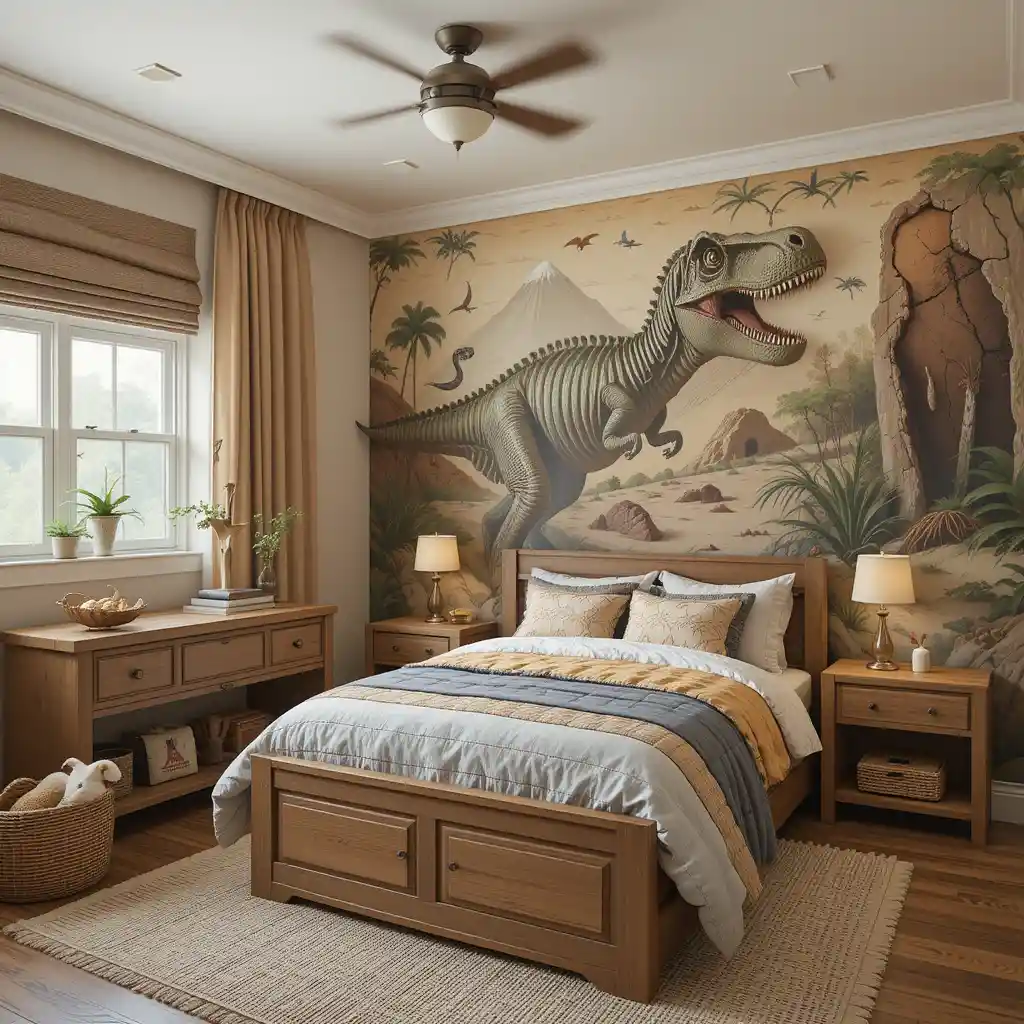
Steer clear of neon cartoon graphics and opt for sophisticated, vintage-inspired fossil prints and rich, earthy tones like sage green and warm terracotta. Incorporate a large, photorealistic dinosaur wall decal or a subtle 3D mural on a single focus wall. You can even include a small, dedicated sensory table acting as a mini excavation station to engage curious young minds.
6. Chalkboard Wall for Creativity
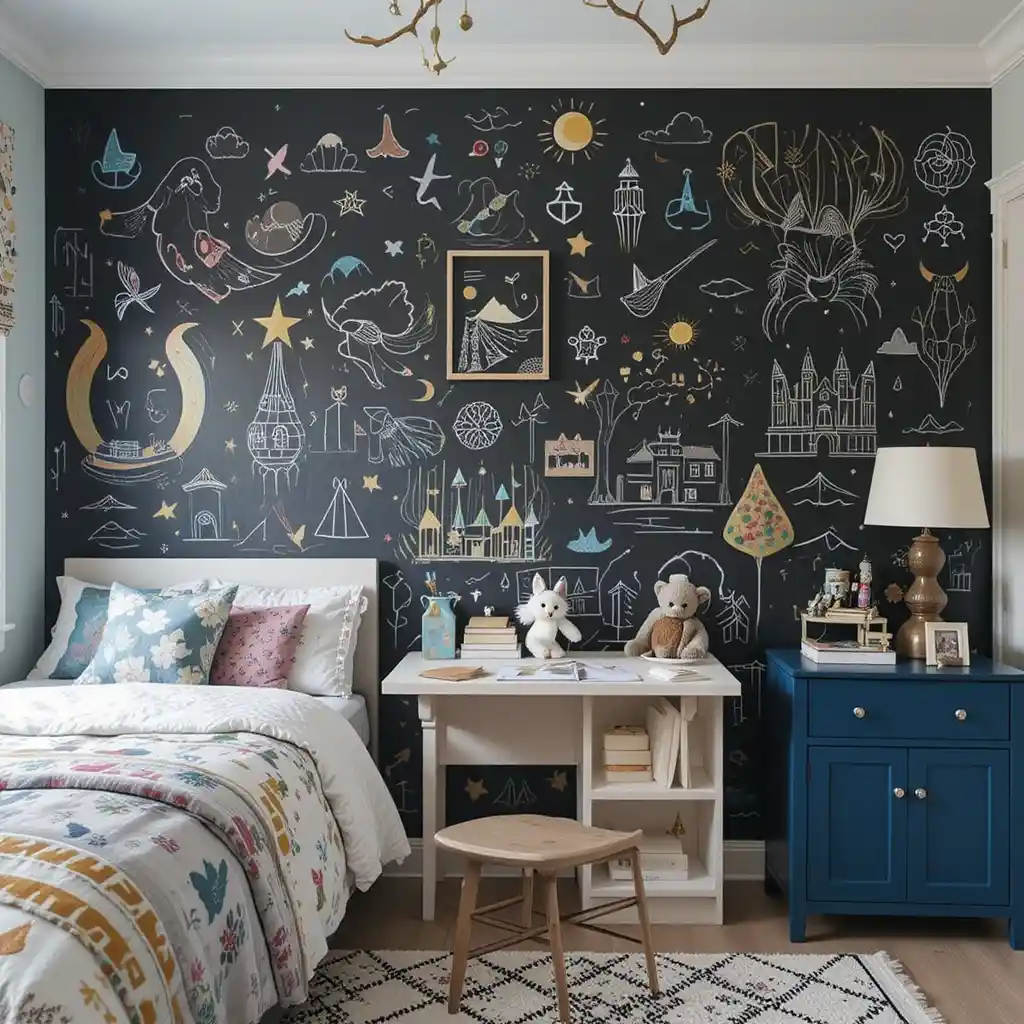
Dedicate one structural wall to premium matte chalkboard paint. It turns a plain, static surface into an ever-changing art piece, giving your kids total freedom to express themselves daily without damaging your drywall. I advise using dustless chalk or liquid chalk markers to keep the room clean and allergen-free.
7. Bunk Bed with Slide
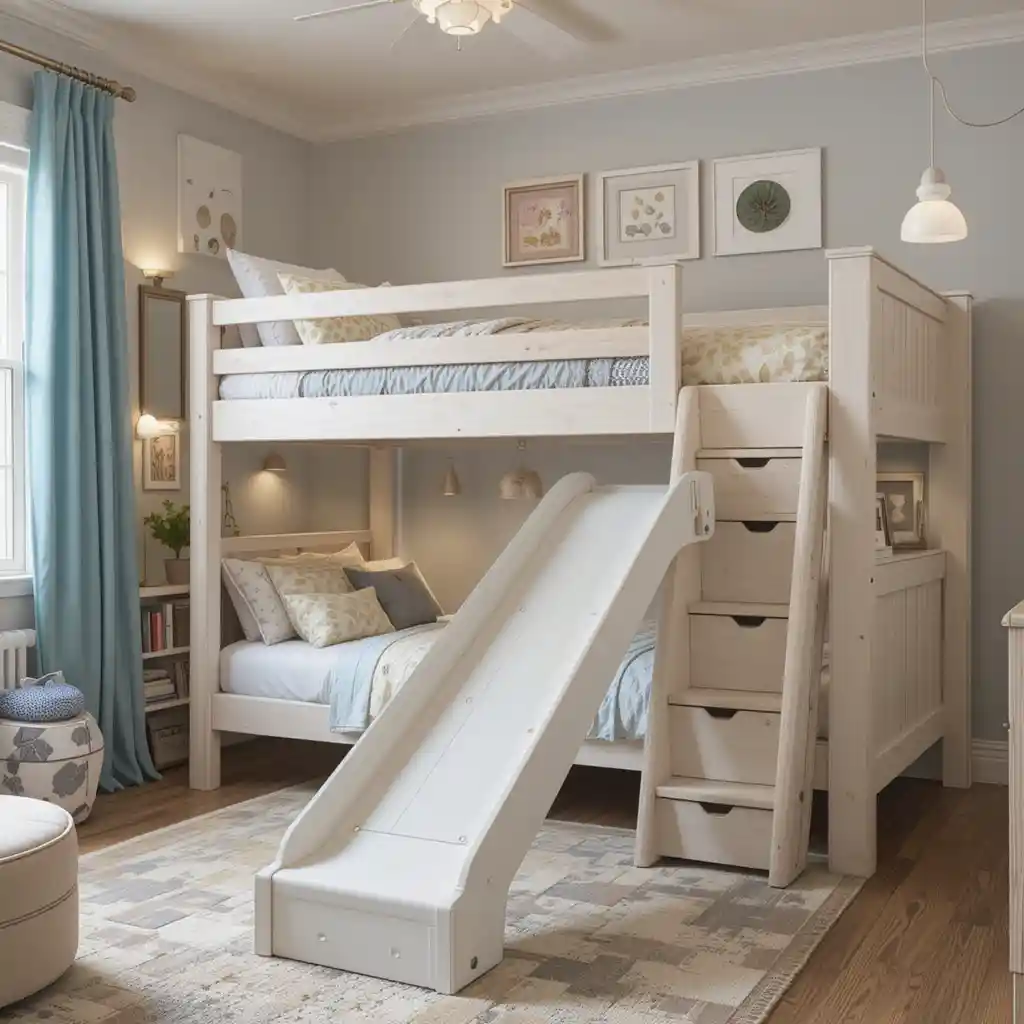
If you want to inject immediate joy into a shared bedroom, add a custom slide attachment to a classic solid-wood bunk bed. It is incredibly practical for siblings sharing tight square footage and makes getting out of bed in the morning a seamless, exciting ritual. Always ensure the slide exit zone has a soft, cushioned landing pad.
8. Rainbow Color Burst
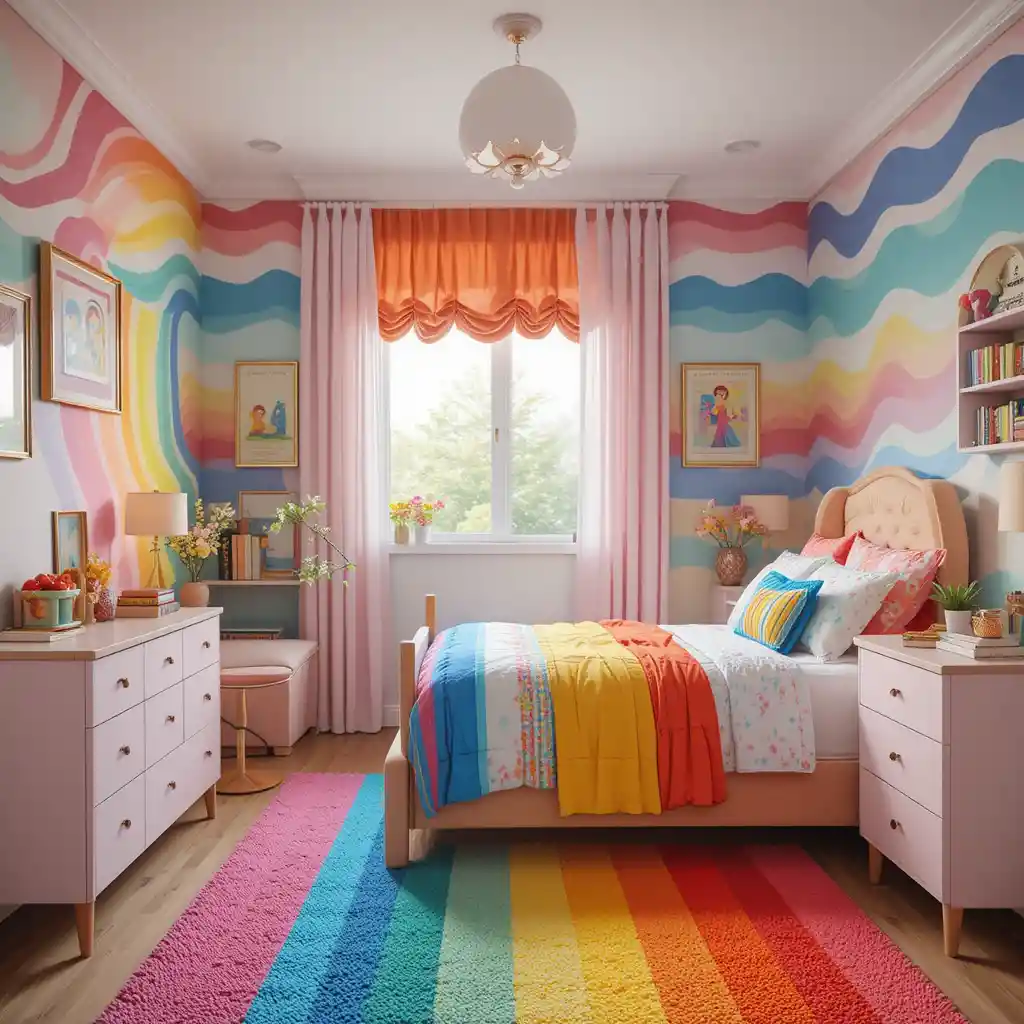
Create a bold, cheerful, and energizing atmosphere by painting soft, muted rainbow stripes across a focal wall rather than using overwhelming neon tones. Complement this with neutral bedding and colorful accent pillows. It is a brilliant way to visually lift their mood while keeping the space feeling bright and expansive.
9. Under-the-Sea Mermaid Theme
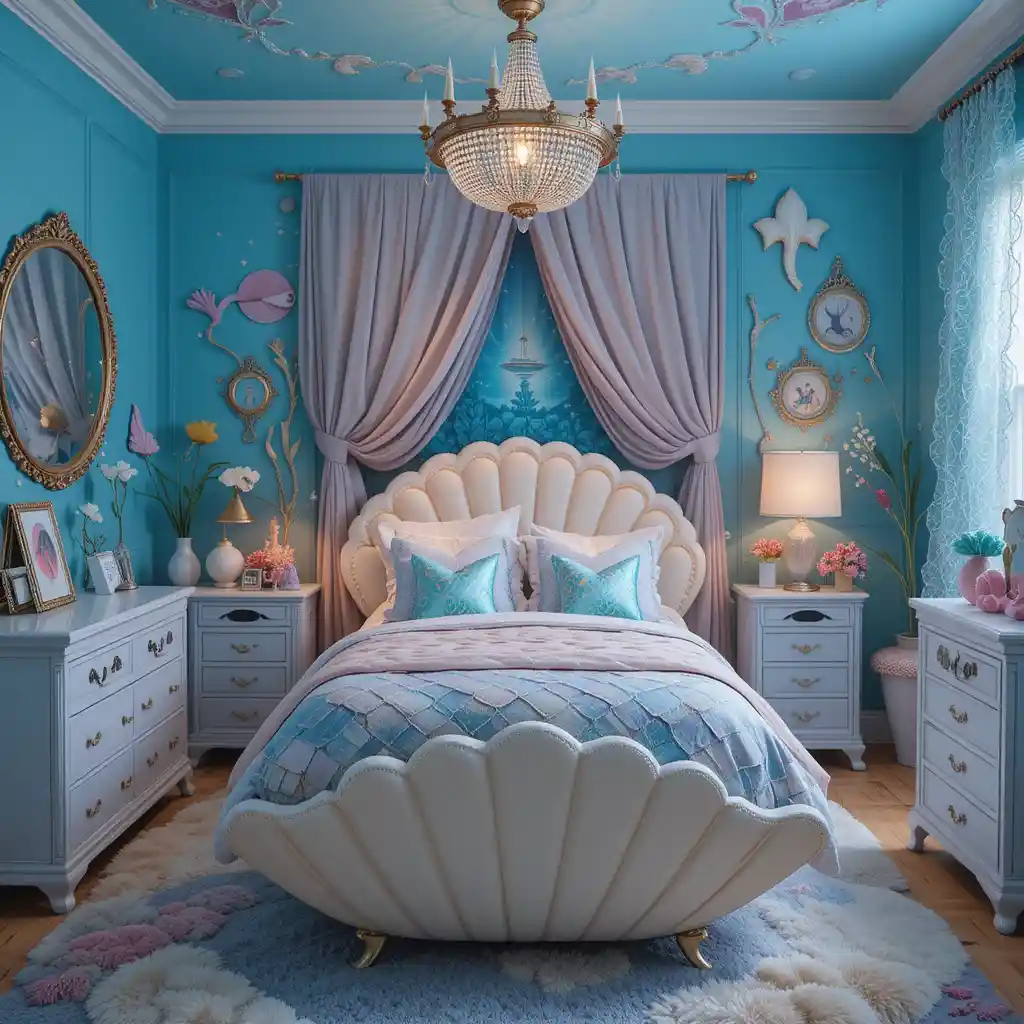
To achieve an underwater sanctuary without relying on kitschy commercial branding, paint the walls in shifting ocean-blue gradients or soft aqua tones. Use delicate fishnet decor to hold plush toys, incorporate shimmering iridescent fabrics, and crown the space with a beautifully sculpted clamshell bed or scalloped headboard.
10. Superhero Headquarters
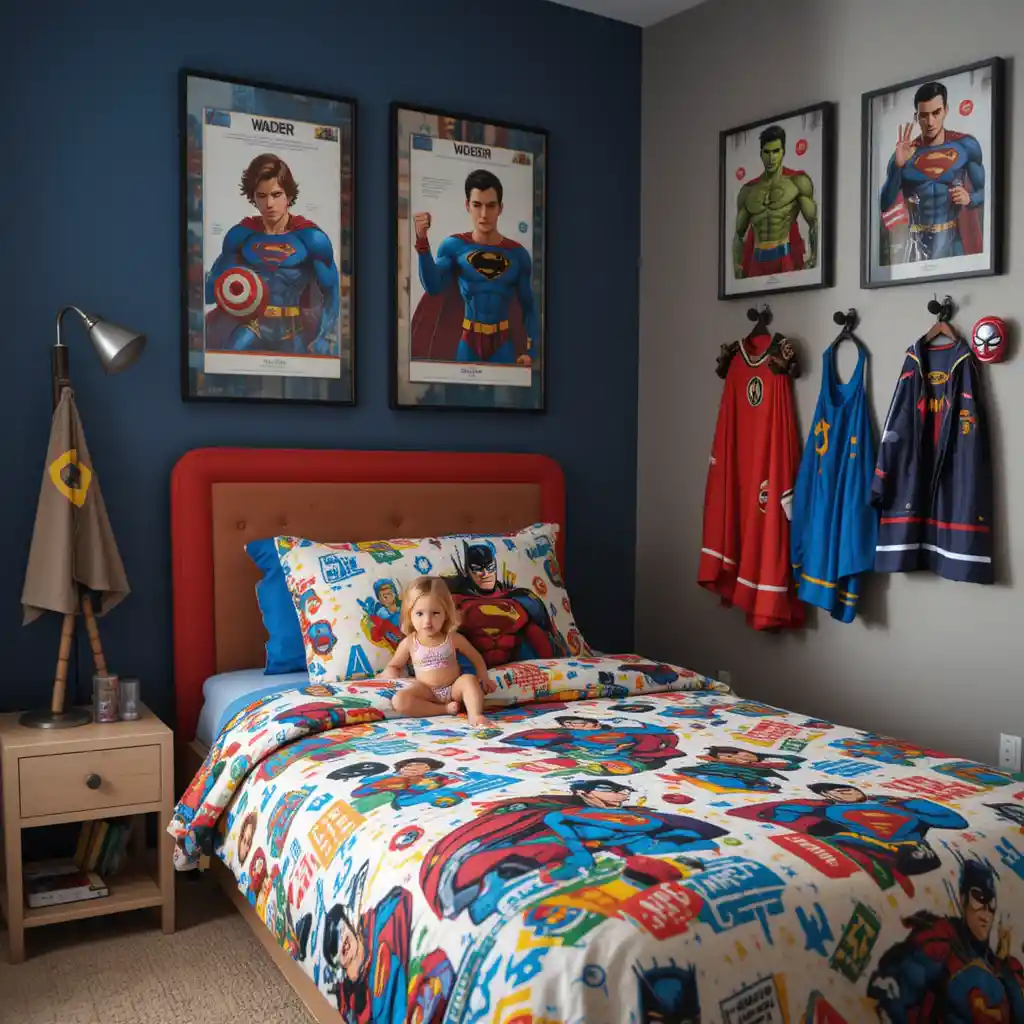
Instead of plastering commercial posters haphazardly, frame high-quality graphic art prints of your child’s favorite superheroes in sleek, uniform frames. Install heavy-duty, wall-mounted matte hooks to display costume capes and masks beautifully. This serves as functional wall decor while making your child feel like a real-life hero.
11. Builder’s Workshop Style
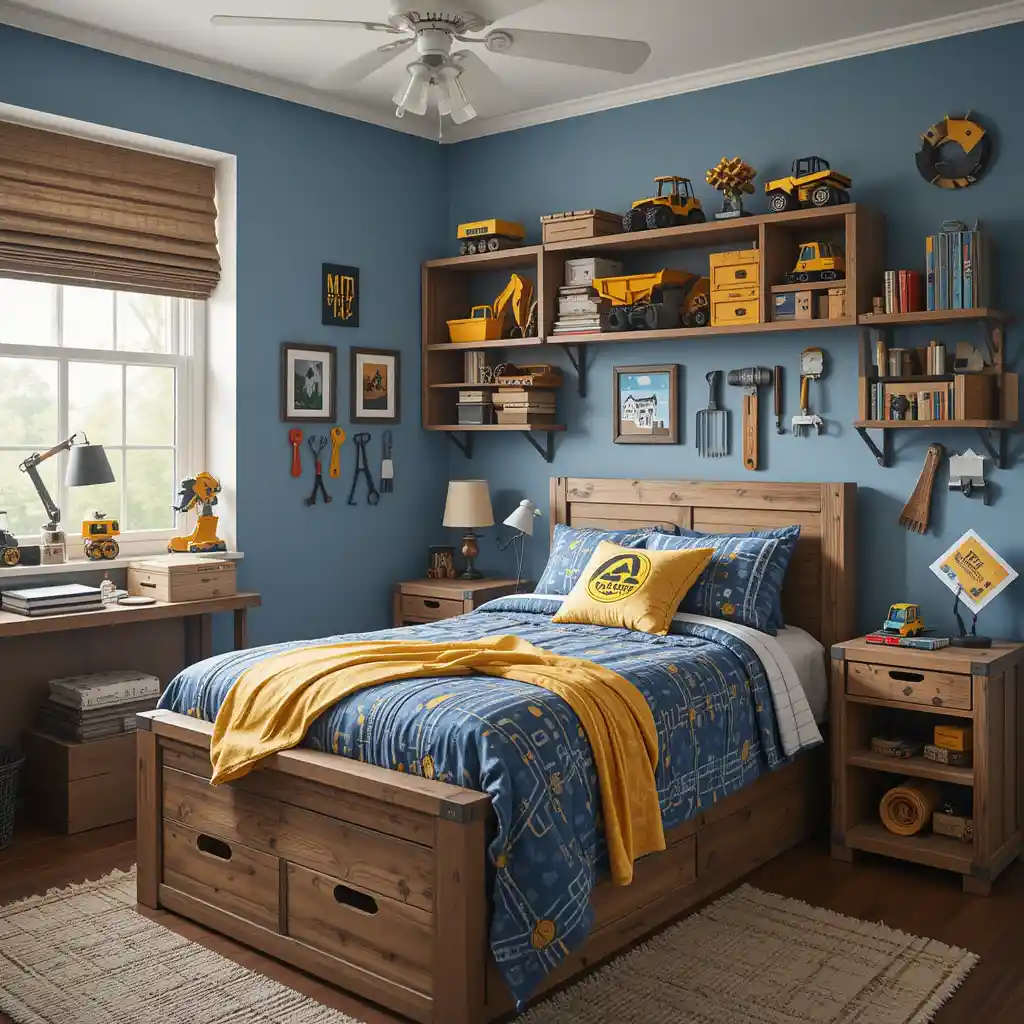
For the little maker, choose industrial-style wooden crates for toy storage and select construction-themed organic cotton bedding. Subtle, high-quality decals of dump trucks and diggers add a whimsical touch. This layout keeps building tools organized and accessible, creating a room any future engineer would love.
12. Vintage Train Station Bedroom
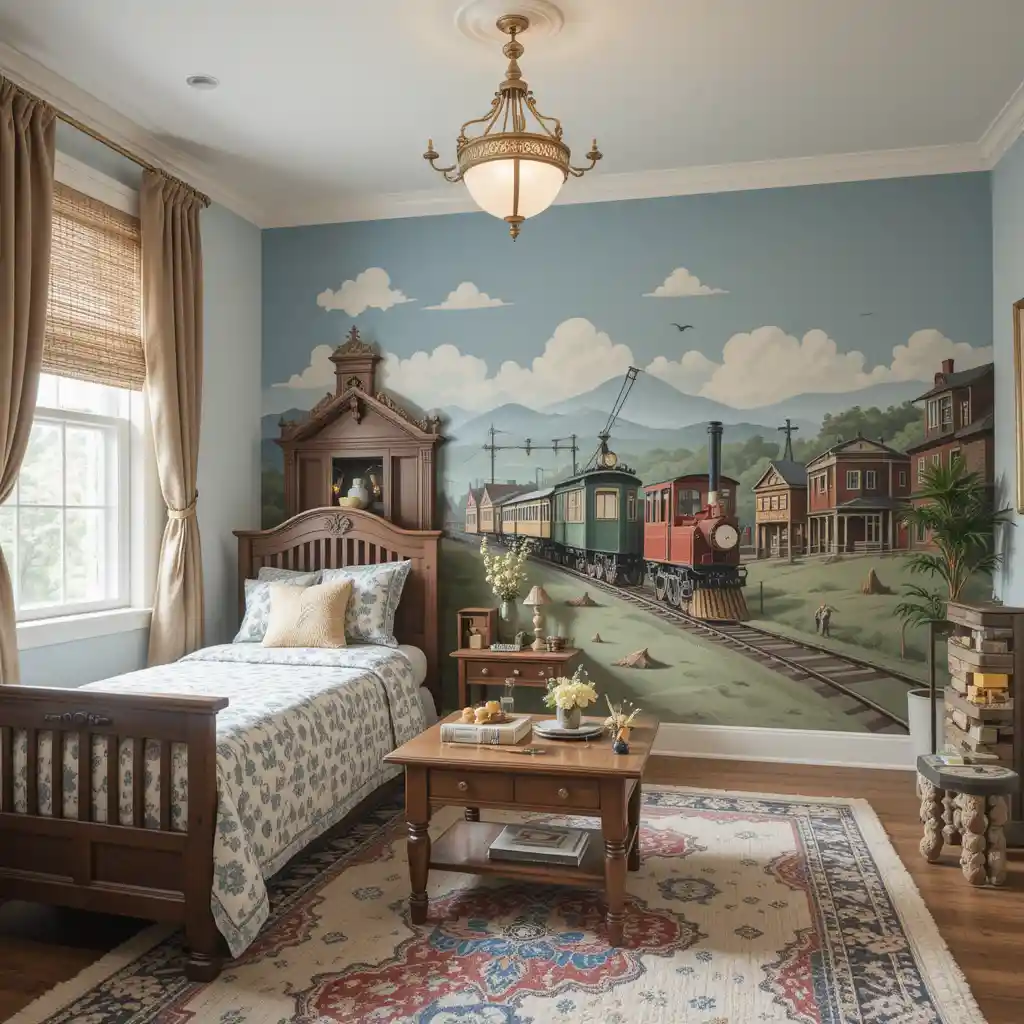
Set up a sturdy, low-profile train table as a functional center play zone. Use a sophisticated railway blueprint wall mural on the main wall and incorporate elegant train track designs into rugs or custom bed linens. This classic aesthetic appeals to little conductors who love motion, mechanics, and travel.
13. Glow-in-the-Dark Galaxy Ceiling

Turn bedtime into a truly magical, anxiety-reducing experience by transforming the ceiling into a night sky. Apply realistic, varying-sized glow stars, detailed moon decals, and integrated fiber optic ceiling lights. This provides a peaceful ambient glow that assists children who are afraid of the dark in drifting off peacefully.
14. Nature-Inspired Garden Room
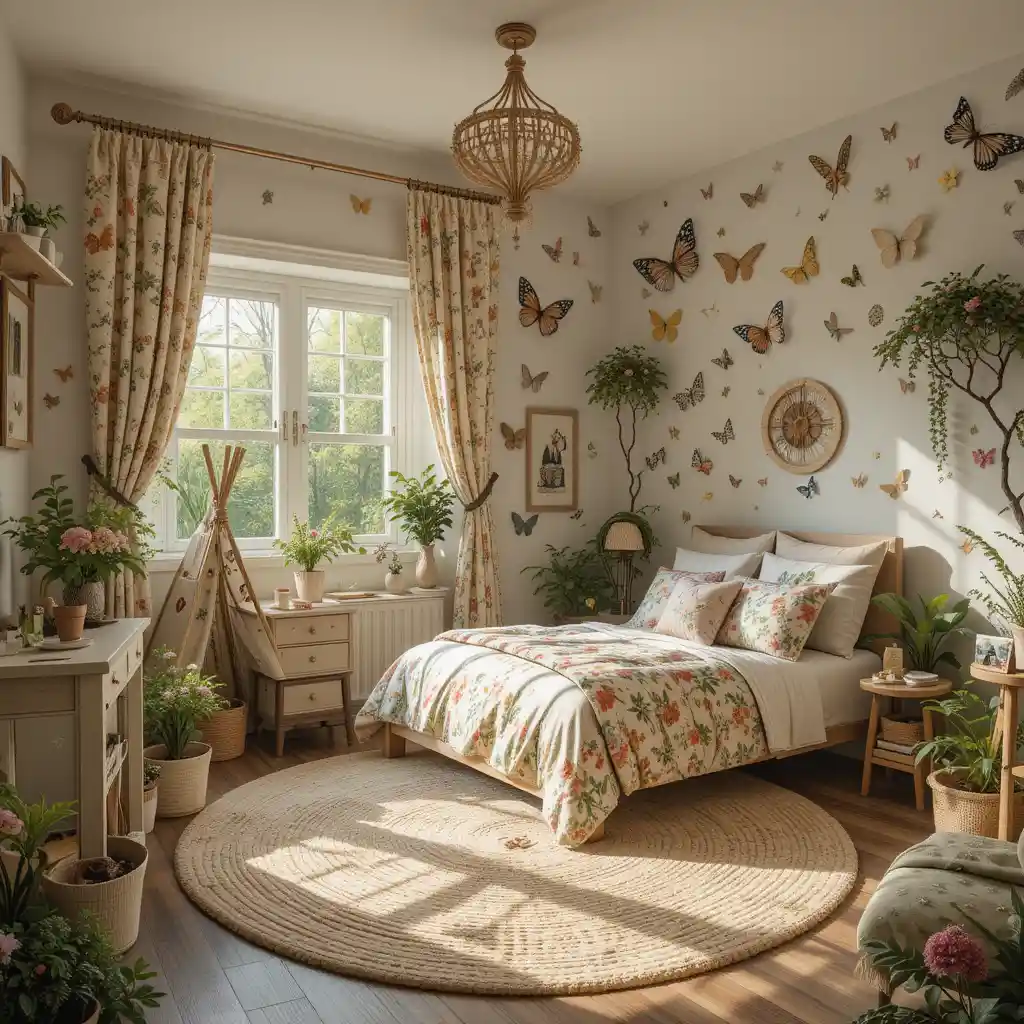
Bring the restorative elements of the outdoors inside by utilizing delicate butterfly wall accents, botanical floral curtains, and calming, earthy moss greens. To maximize the play potential, add a small canvas teepee or play tent decorated with soft fairy lights to evoke a safe, whimsical camping experience.
15. Personalized Art Gallery Wall
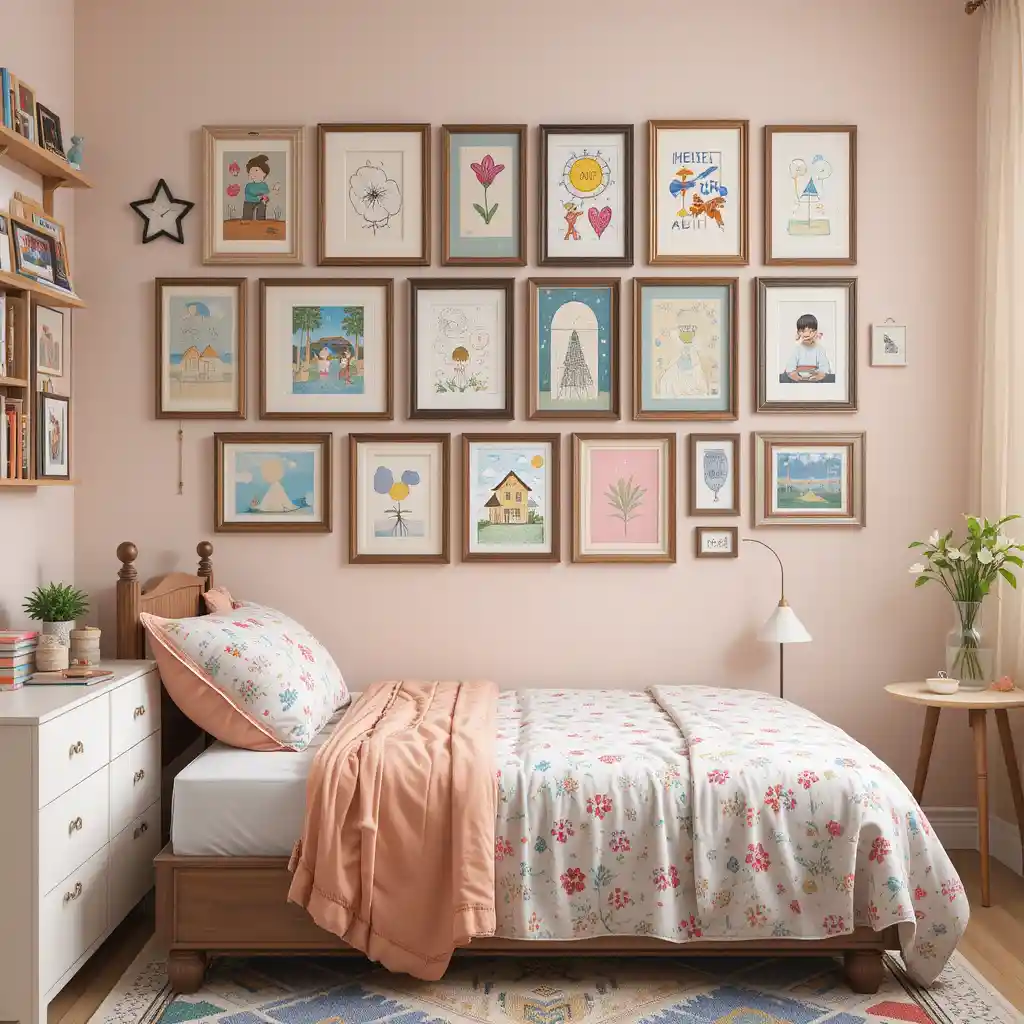
Boost your child’s confidence and foster a deep sense of ownership by creating a professional gallery wall dedicated entirely to their artwork. Use front-opening magnetic frames that allow you to quickly swap out their latest masterpieces. This elevates their drawings into genuine home decor they can be proud of.
16. LEGO Builder’s Dream Room
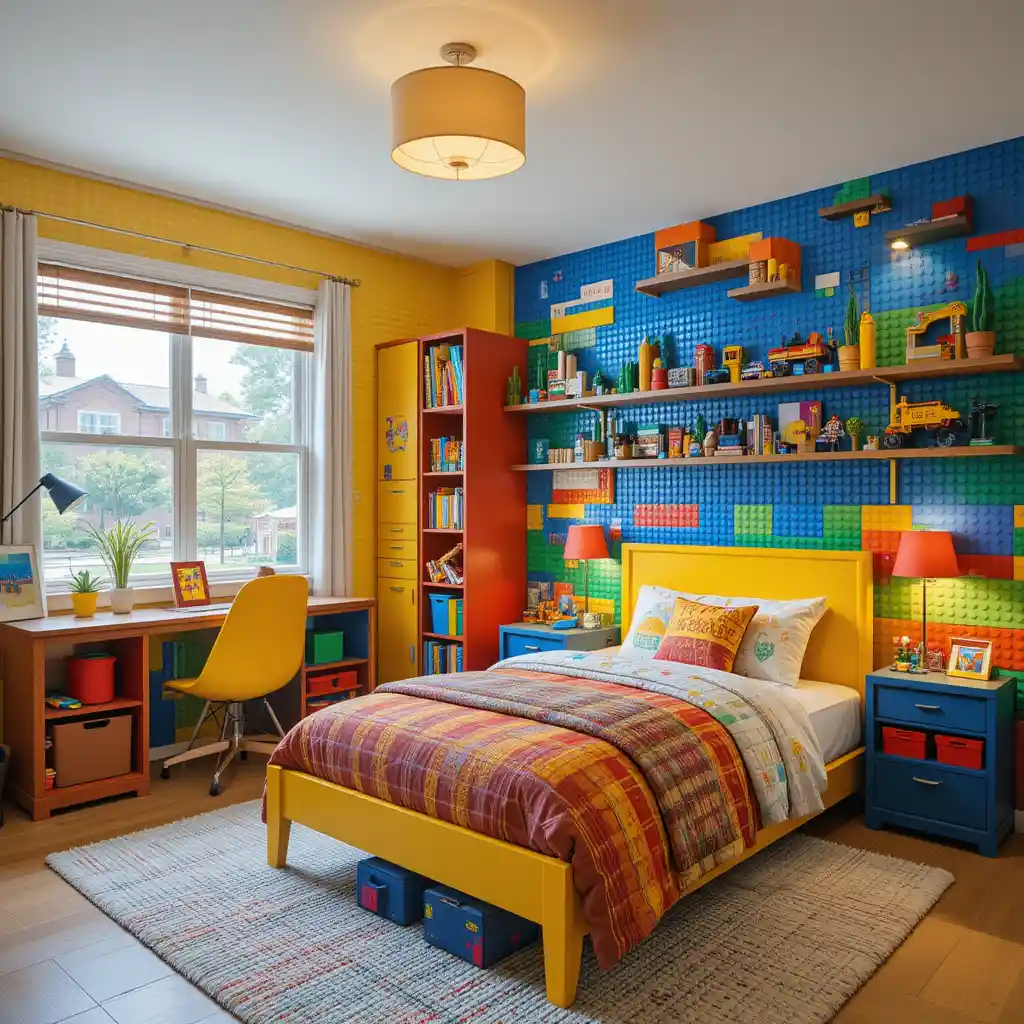
Mount large, durable LEGO baseplates directly onto a section of the wall at your child’s height to create a vertical building zone. Use vibrant, block-shaped modular storage bins to keep bricks sorted by color or size. Don’t forget to install a sturdy floating shelf to display their finished builds proudly.
17. Gamer-Inspired Digital Den
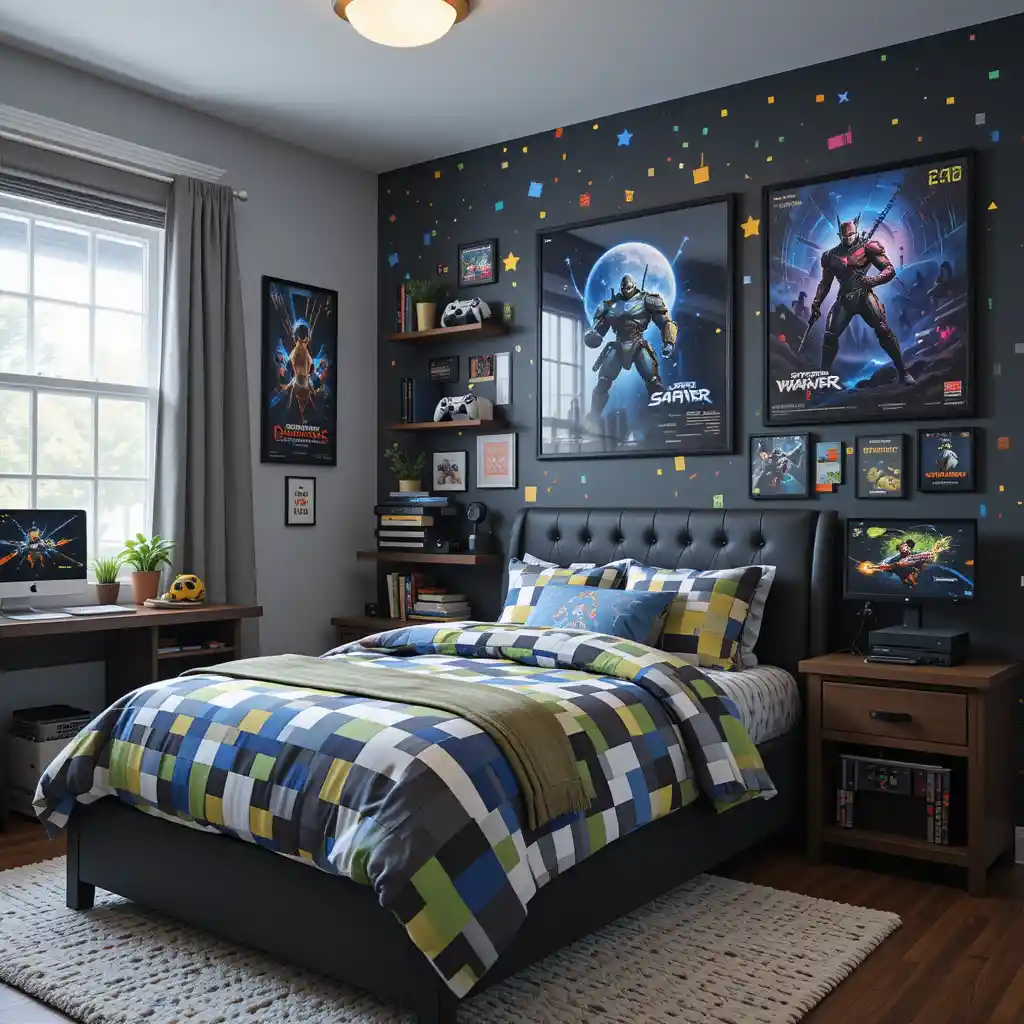
For older kids or tweens, design a sleek, organized space featuring framed retro gaming art, built-in media console storage, and pixelated or subtle geometric bedding. Incorporate smart, app-controlled LED strip backlighting behind the bed frame or desk to create an immersive environment that honors their digital hobbies.
18. Cabin-Inspired Woodland Retreat
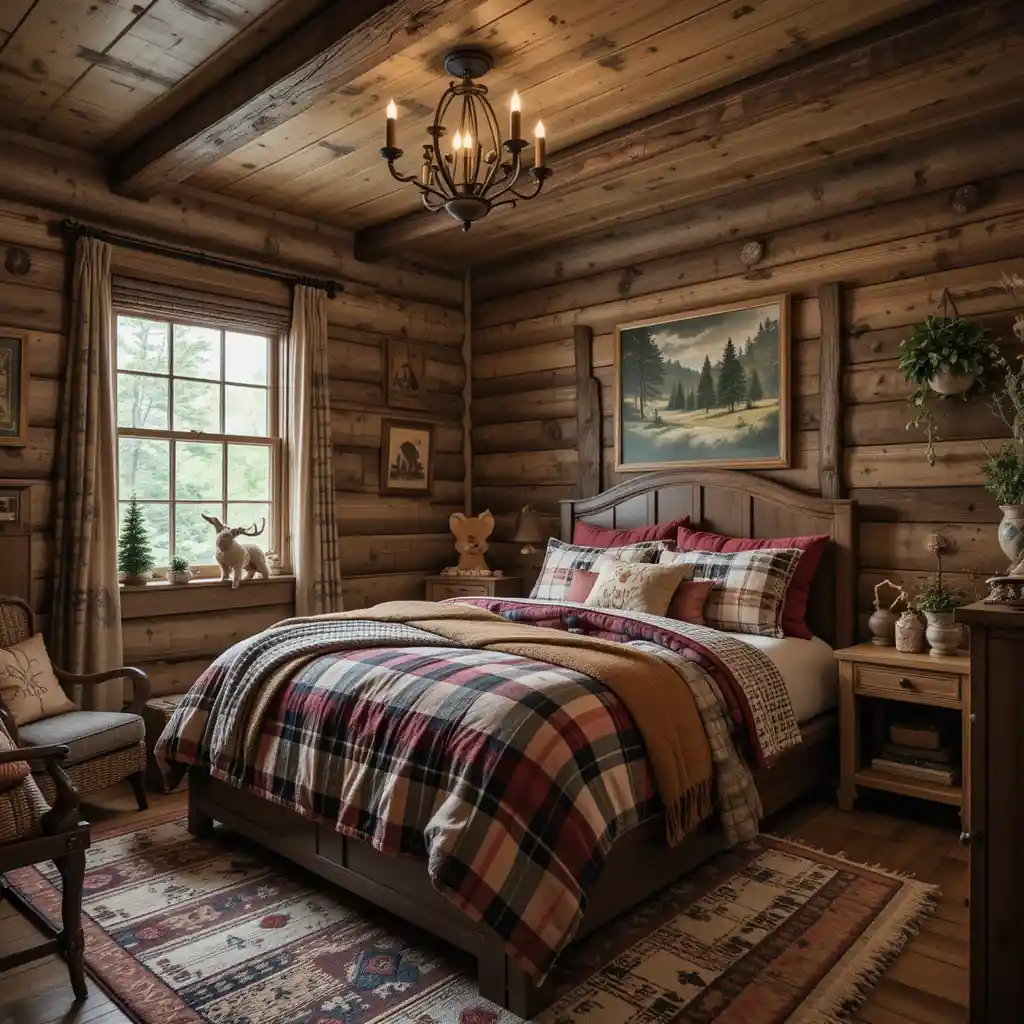
Embrace a cozy, rustic aesthetic by layering classic plaid flannel bedding, warm natural wood textures, and minimalist woodland creature decor. This mountain-cabin style creates an incredibly warm, nurturing environment that is ideal for kids who love camping and exploring nature.
19. Travel the World Theme
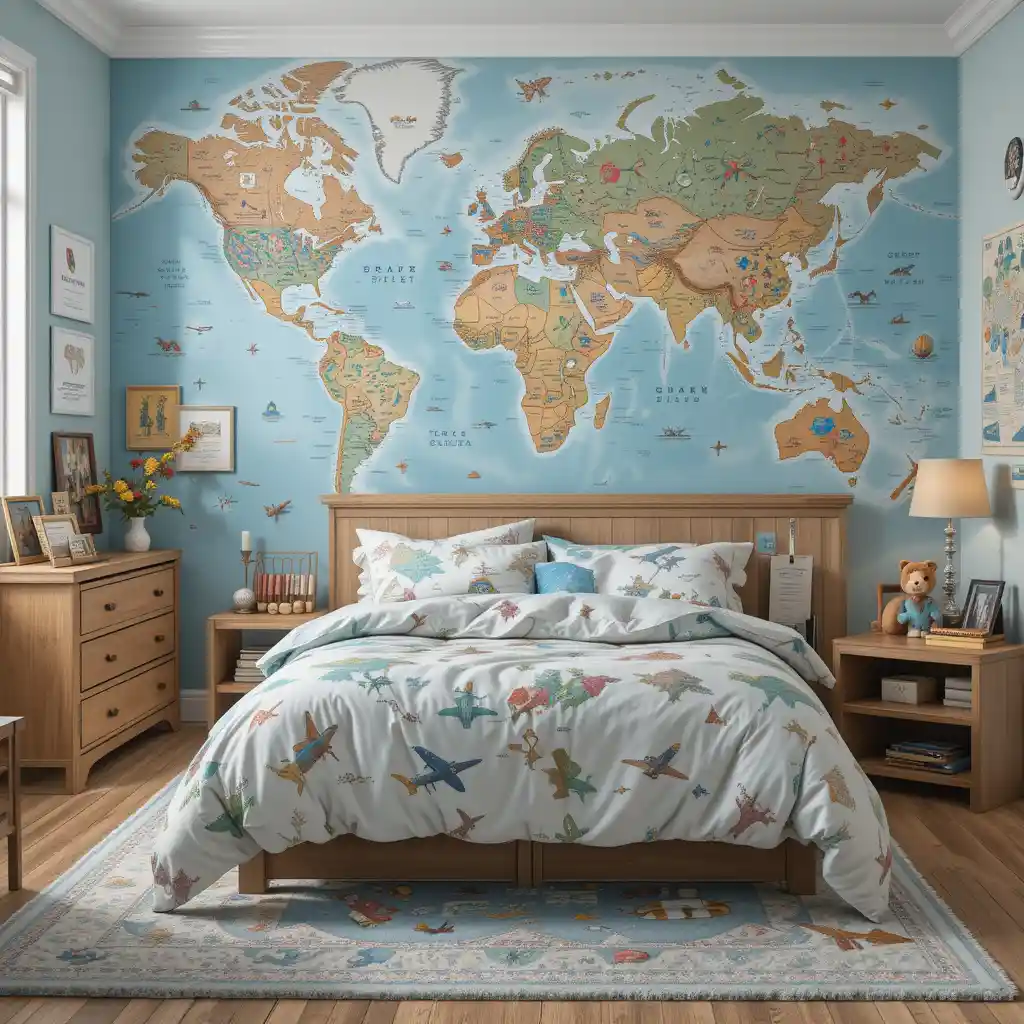
Ignite a lifelong love for geography and global curiosity by hanging a massive, detailed world map mural across the main wall. Complement the map with passport-style vintage artwork and high-quality bedding featuring classic airplanes or hot air balloons.
20. Movie Star Stage Bedroom
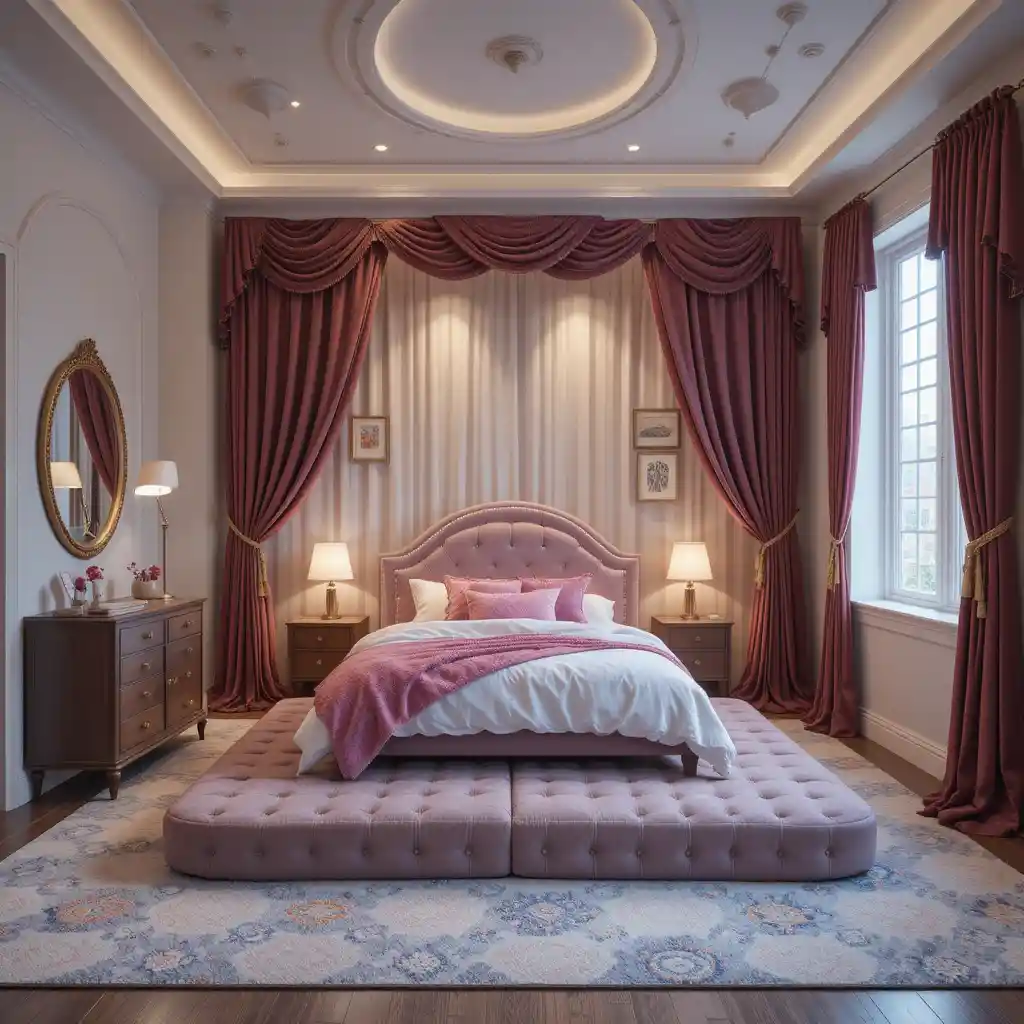
If you have a natural performer at home, build a slightly elevated, safe mini-stage platform in an underutilized corner. Frame it with rich velvet drapery mounted on a ceiling track and install safe, low-heat LED spotlight lamps. This dedicated zone gives your child a structured space to shine and play.
21. All-Star Sports Zone
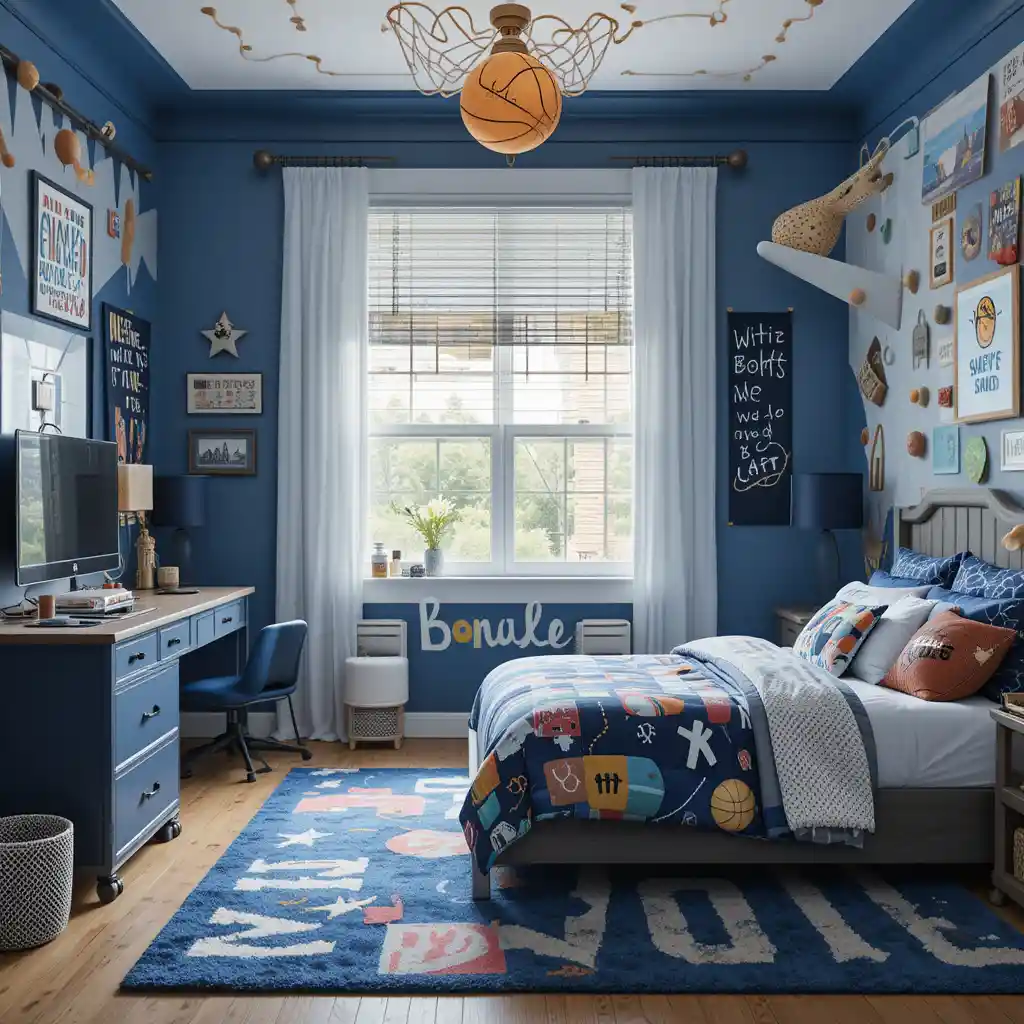
Celebrate your child’s athletic passions by incorporating high-end sports elements elegantly. Consider a wall-mounted indoor basketball hoop over a protective floor mat, clean football-themed linens, or even a professionally anchored, low-profile climbing wall. This layout works beautifully for energetic kids who need a safe outlet for physical activity.
22. Minimalist Zen-Inspired Room
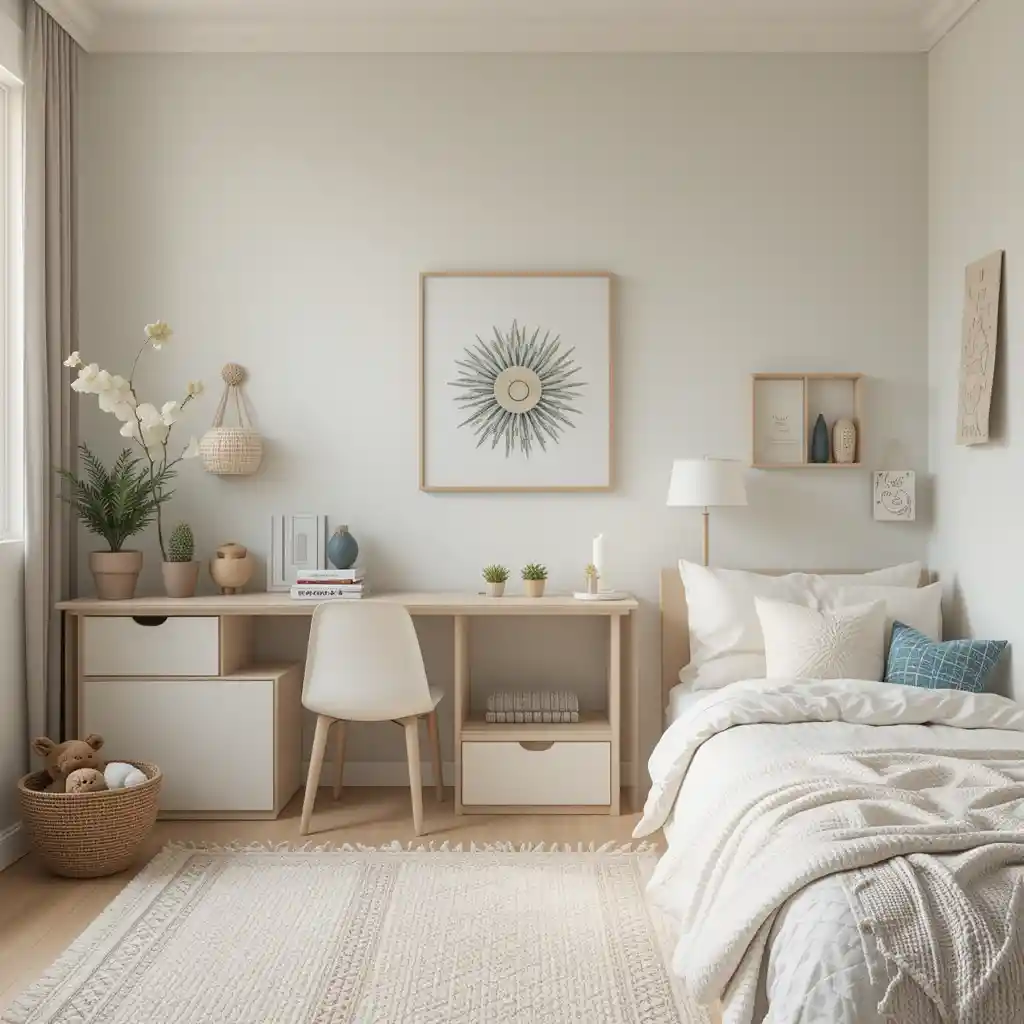
For sensory-sensitive children or older kids needing a distraction-free environment, rely on clean architectural lines, hidden storage, and soft, monochromatic pastel colors. This simple, uncluttered style removes visual chaos, dramatically helping children relax, unwind, and achieve better sleep and focus.
Optical Tricks and Pro Styling Hacks
When implementing these Kids Bedroom Ideas, you can manipulate the visual perception of the room using proven design tricks.
The Vertical Stretch: To make a low ceiling feel significantly taller, paint vertical stripes or install a wallpaper with a vertical pattern. Alternatively, hang window curtains from the ceiling line down to the floor, rather than right above the window frame.
The Reflection Illusion: Strategically place a large, shatterproof acrylic mirror opposite the bedroom window. This bounces natural daylight deep into the room, making small floor plans feel instantly larger and brighter.
Monochromatic Expansion: If the room is tight, paint the baseboards, walls, and built-in shelving the exact same color. This eliminates harsh visual breaks, making the boundaries of the bedroom recede.
The Science of Spatial Design: Surprising Facts
Did you know that the environmental layout of a child’s bedroom directly impacts their cognitive development and sleep architecture?
The Power of Cool Tones: A study published in the Journal of Environmental Psychology notes that exposure to cool color wavelengths (such as soft blues and gentle greens) significantly reduces peripheral nervous system activity and lowers heart rates in children, making these hues ideal for sleep environments.
Furthermore, clutter triggers the production of cortisol (the stress hormone) in young minds. By utilizing closed, modular storage systems rather than open toy bins, you actively reduce sensory overload, helping your child transition into deep REM sleep much faster.
Frequently Asked Questions (FAQ)
What is the best color to paint a child’s bedroom for sleep?
Soft, muted cool colors like sage green, pale blue, or lavender are highly recommended. These gentle hues naturally lower heart rates and minimize sensory stimulation, paving the way for deeper, more restorative sleep cycles.
How can I make a small kids’ bedroom feel larger?
Incorporate multi-functional loft beds to maximize vertical space, utilize hidden under-bed storage, and use light, monochromatic wall colors. Adding a shatterproof mirror opposite the window also bounces natural light to open up the room.
How do I transition a kid’s room from toddler to teen affordably?
Invest in high-quality, neutral foundational furniture like a solid wood bed frame and dresser. Then, introduce easily interchangeable elements like removable wallpaper decals, throw pillows, and framed artwork to match their evolving interests without expensive renovations.
Final Thoughts
At the end of the day, designing the ultimate kids’ bedroom requires a thoughtful blend of functional storage, safety-first layouts, and personal joy.
These 22 design concepts are crafted to serve as a springboard for your creativity, offering adaptable paths for every unique personality type.
Remember, the most successful children’s spaces are the ones that leave room for growth—so choose structural pieces that stand the test of time, and let your child’s imagination fill in the rest.
Turn the decorating process into a shared memory, and build a space where they truly love to dream.