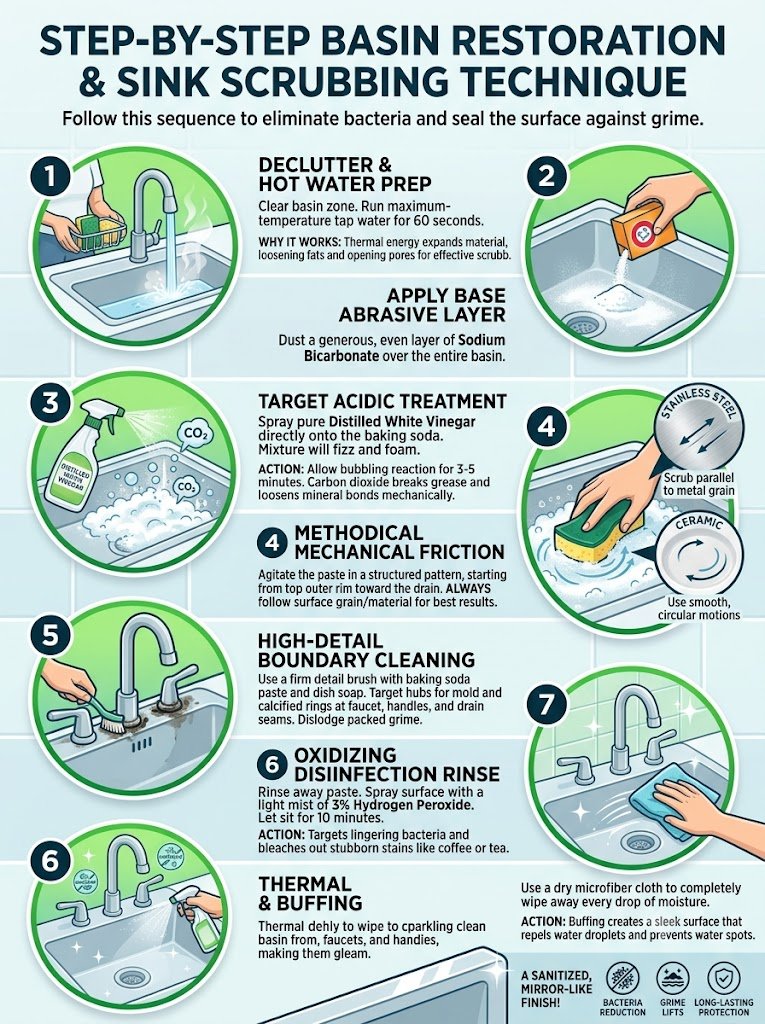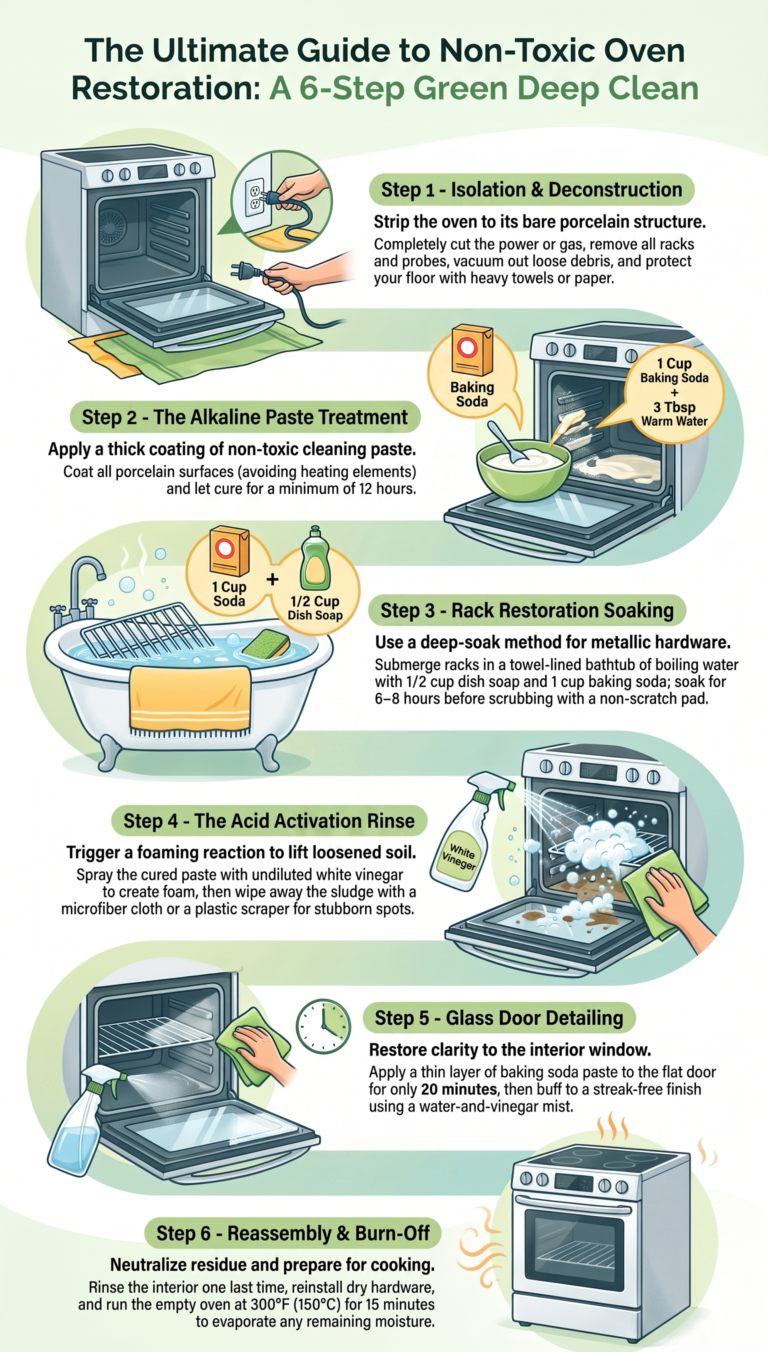

Fixing common culinary space dilemmas comes down to optimizing your structural workflow, introducing smart storage retrofits, and layering your ambient and task lighting correctly. By identifying your layout traffic bottlenecks and maximizing underutilized vertical wall space, you can seamlessly turn a frustrating cooking environment into a high-functioning design showcase. Whether you are dealing with a lack of prep space, dim corners, or restricted square footage, implementing targeted design strategies ensures your space runs smoothly.
Quick Answer:
Fix your workflow: Reclaim smooth movement by establishing a clear work triangle between your stove, refrigerator, and sink.
Maximize vertical space: Install ceiling-height open shelves, wall-mounted pegboards, and deep drawer pull-outs to banish countertop clutter entirely.
Layer the illumination: Eliminate dark prep zones by installing bright, under-cabinet LED tape lights alongside dimmable overhead ambient pendants.
Adapt to local context: Use regional design solutions like slimline freestanding islands or integrated appliances to resolve unique layout restrictions.
How Can You Fix a Clunky, Exhausting Layout & Workflow?
Imagine trying to chop crisp winter vegetables while constantly bumping your elbows against an oversized refrigerator door. A poorly planned culinary layout turns routine meal preparation into an exhausting obstacle course that sours your love for cooking. When your prep zones, cooking appliances, and cleanup areas lack structural harmony, everyday life feels incredibly chaotic. Resolving these fundamental layout bottlenecks is the core foundation of exploring Kitchen Issues and their Solution.
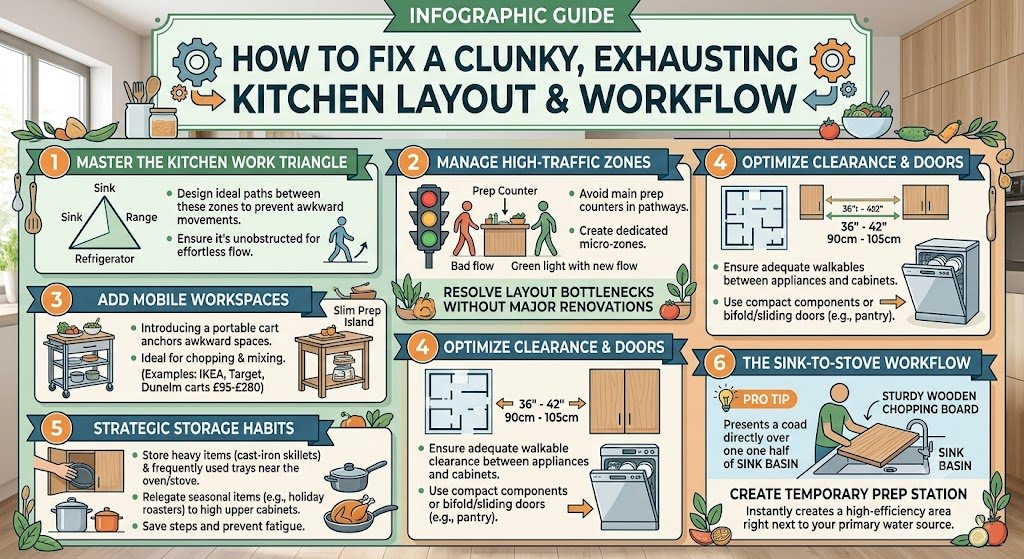
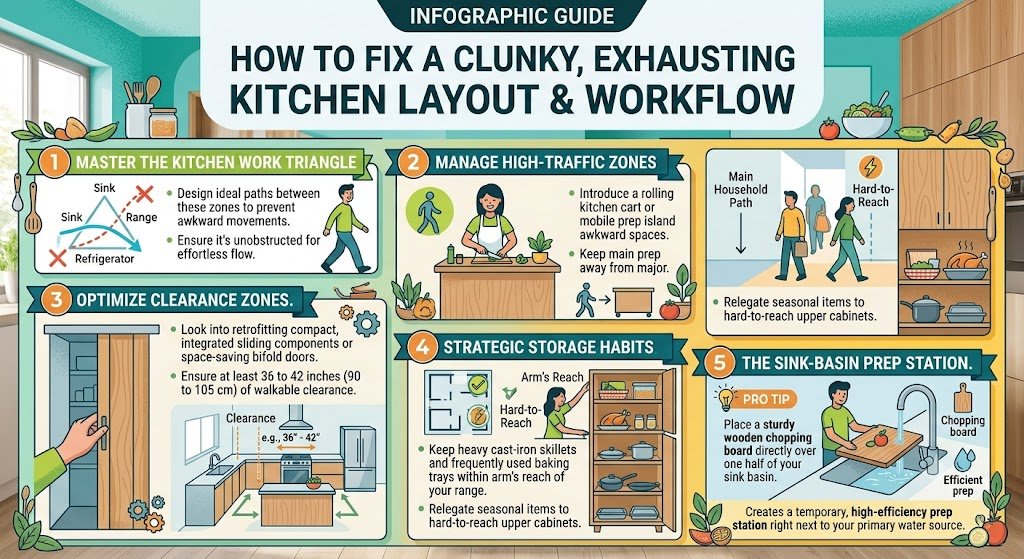
The secret to establishing an effortless workspace lies in the classic concept of the kitchen work triangle. This design principle states that the ideal path connecting your sink, refrigerator, and range should form an unobstructed, comfortable triangle. If your main prep counter sits directly in a high-traffic hallway path, your entire household routine feels constantly disrupted. To fix this without tearing down heavy structural walls, look closely at your micro-zones and temporary layout extensions.
Here is the thing: you do not need a multi-thousand-pound renovation to fix a broken traffic pattern. Introducing a rolling kitchen cart or a slim, mobile prep island can instantly anchor a cavernous or awkwardly long room. Retailers like IKEA, Target, and Dunelm offer gorgeous timber-top carts ($120 / £95 to $350 / £280) that slot beautifully into dead space. These clever additions provide a dedicated zone for chopping and mixing, leaving your main perimeter countertops completely clear for plating.
Now here is where it gets interesting: if your layout is naturally narrow, you have to think about clearance zones very carefully. Ensure you have at least 36 to 42 inches (90 to 105 cm) of walkable clearance between facing cabinets and appliances. If a swinging dishwasher door blocks your entire walkway, look into retrofitting compact, integrated sliding components. You can also swap out heavy, swing-out pantry doors for space-saving bifold doors or sleek sliding track systems.
And this is the part most people overlook: your everyday storage habits dictate how smooth your workflow actually functions. Keep your heavy cast-iron skillets and frequently used baking trays stored within arm’s reach of your main oven range. Relegate seasonal items, like summer picnic platters or holiday turkey roasters, to the hard-to-reach upper cabinets. This simple, intuitive organizational shift saves you countless steps and prevents physical fatigue during busy weeknight dinners.
PRO TIP: If your sink sits too far away from your stove, place a sturdy wooden chopping board directly over one half of your sink basin. This quick trick instantly creates a temporary, high-efficiency prep station right next to your primary water source.
What Is the Most Effective Strategy for Storage & Organization Clutter?
Walking into your culinary space only to find a mountain of plastic containers, spice jars, and small appliances covering the countertops is incredibly disheartening. Visual clutter steals your precious meal prep space and triggers an undercurrent of daily household stress. Most people assume they lack physical space, but the real issue is a distinct lack of internal cabinet categorization. You can easily unlock hidden storage potential across your existing layout with some affordable, strategic organizational retrofits.
Start your organizational rescue mission by executing a thorough edit of your deep lower cabinets and dark corner drawers. Pull everything out onto your floor and ruthlessly donate or recycle duplicates, chipped mugs, and appliances you haven’t touched all year. Once you have streamlined your collection, say goodbye to deep, dark black holes where dry goods go to expire. Retrofit deep base cabinets with smooth, roll-out wire baskets or timber pull-out drawers from Wayfair or HomeGoods ($45 / £35 to $130 / £100).
Now here is where it gets interesting: your vertical wall space is an absolute goldmine for expanding your storage capacity. Install a heavy-duty steel pegboard or sleek magnetic knife strips from John Lewis or Next Home directly along empty wall zones. Hanging your heavy copper pans, measuring cups, and tongs opens up massive amounts of breathing room within your drawers. It also creates a beautiful, chef-style display that makes your kitchen feel intentionally designed and incredibly characterful.
For your remaining pantry items, ditch the messy, mismatched grocery packaging that creates a chaotic visual landscape on your shelves. Transfer dry goods like flour, pasta, and grains into uniform, clear glass jars or stackable airtight acrylic canisters. This allows you to see your inventory at a single glance, stopping you from accidentally buying duplicate ingredients. Use simple canvas bins or woven baskets to group smaller items like snack packs, baking supplies, or loose tea bags.
PRO TIP: Utilize the forgotten space directly underneath your upper cabinets by mounting a slim, under-shelf stemware rack or a magnetic spice jar strip. This keeps your glassware and favorite seasonings completely elevated off your valuable countertop surfaces.
How Do You Navigate US-Specific Kitchen Issues and their Solution?
American homes often feature expansive, open-concept layouts, but these massive spaces come with their own distinct set of design complications. The most prominent American issue is managing giant, deep countertops that easily swallow up small appliances, creating an unorganized wasteland. Furthermore, open-plan spaces mean your messy cooking zone is completely visible to guests relaxing in the adjacent living room. Balancing immense scale with cozy, streamlined functionality requires a highly specific approach to zoning and hidden storage.
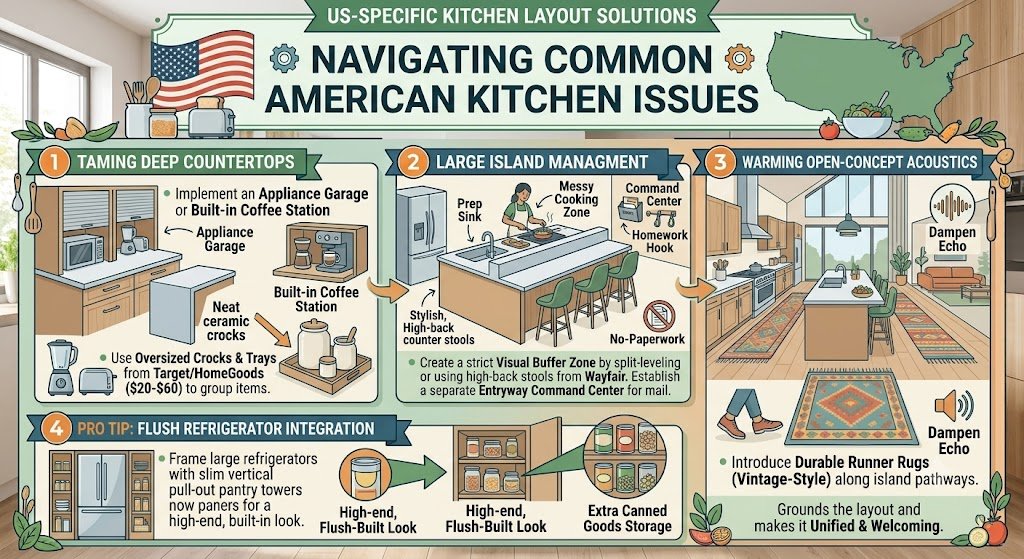
To tame deep countertops and large corner zones, consider implementing a dedicated appliance garage or a built-in coffee station cabinet. These custom-look features allow you to plug in your blender, toaster, and espresso machine right where they sit, while keeping them hidden behind elegant rolling doors. If a full custom build isn’t an option, look for beautiful, oversized ceramic crocks and wooden trays from Target or HomeGoods ($20 to $60) to group your frequently used items neatly.
Another widespread issue in US suburban homes is the massive, deep island that becomes an unorganized magnet for mail, homework, and keys. To fix this, create a strict visual buffer zone by split-leveling the island or introducing stylish, high-back counter stools. Choose stools with sophisticated fabrics or rich woven textures from Wayfair to block the direct view of your prep sink. Establish a strict “no-paperwork” rule for the island, designating a separate command center near the entryway for daily mail.
Large American kitchens also struggle with echo and hollow acoustics due to high ceilings and hard tile surfaces. To warm up the environment and dampen harsh sound reflections, introduce expansive, high-quality runner rugs along your primary island pathways. Look for durable, stain-resistant vintage-style runners that can handle heavy foot traffic and accidental spills while adding rich color. This subtle textile addition grounds the massive layout, making the entire open-plan zone feel unified, welcoming, and deeply comfortable.
PRO TIP: If your large American refrigerator protrudes awkwardly past your standard-depth base cabinets, frame it with slim, vertical pull-out pantry towers. This creates a high-end, flush-built look while giving you extra storage for canned goods.
What Are the Best Fixes for UK-Specific Kitchen Issues?
British homes, particularly charming period properties and terraced houses, frequently deal with restricted square footage and highly unpredictable architectural quirks. You might find a bulky boiler housing cutting into your main wall space, or historical dampness lingering around old stone masonry. Fitting modern appliances into these compact, characterful spaces without destroying the home’s historic integrity can feel like a massive puzzle. Overcoming these spatial constraints requires a masterful blend of bespoke camouflage and dual-purpose furniture choices.
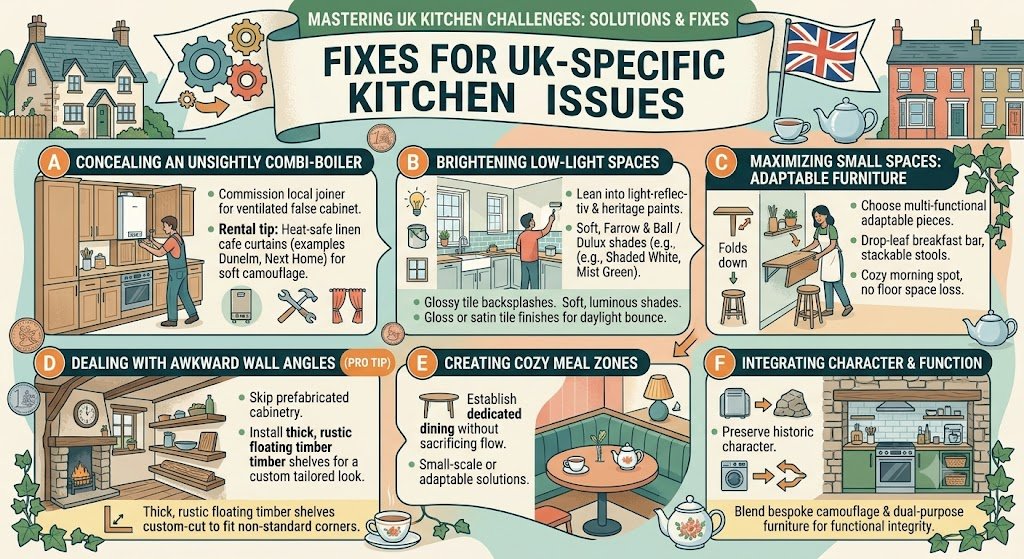
The most common headache in UK kitchens is finding a way to conceal an unsightly, noisy combi-boiler. The ultimate solution is to commission a local joiner to build a ventilated, false cabinet front that matches your existing cabinetry perfectly. If you are renting a flat, you can easily use chic, heat-safe linen cafe curtains hung from a simple tension rod to soften the boiler’s appearance. Stores like Dunelm and Next Home offer wonderful, lightweight fabrics that hide mechanical systems while maintaining a soft aesthetic.
Now here is where it gets interesting: older UK homes often suffer from low natural light levels due to deep-set, small sash windows. To counteract this dark, moody atmosphere, lean heavily into light-reflective surfaces and British heritage paint colors. Paint your walls in soft, luminous shades like shaded white, pale bone, or a delicate mist green from Farrow & Ball or Dulux. Choose gloss or satin finishes for your tile backsplashes to capture every bit of incoming daylight and bounce it into your dark corners.
To make a small, narrow space feel significantly larger, choose multi-functional furniture pieces that can adapt to different times of day. Swap out a fixed, cramped dining table for an extendable drop-leaf breakfast bar mounted directly to an empty wall. Pair it with stackable wooden stools from John Lewis that can be neatly tucked away when you need full access to the floor. This setup gives you a cozy morning coffee spot without sacrificing precious floor space during hectic dinner preparation.
PRO TIP: When dealing with awkward, non-standard wall angles in a historic cottage, skip rigid prefabricated cabinetry entirely. Install thick, rustic floating timber shelves cut to fit the exact contours of the recess for a charming, tailored look.
How Can You Resolve European-Specific Kitchen Layout Issues?
European culinary spaces, especially those in urban apartments throughout Germany, France, and Italy, are renowned for being incredibly compact and streamlined. A unique challenge many European renters face is the traditional requirement to supply and install their own entire kitchen setup, including the sink and countertops, upon moving into a new apartment. This practice means you need highly modular, flexible furniture solutions that can easily move with you to future properties. Furthermore, dealing with strict historical preservation codes means you cannot easily alter your plumbing or electrical lines.
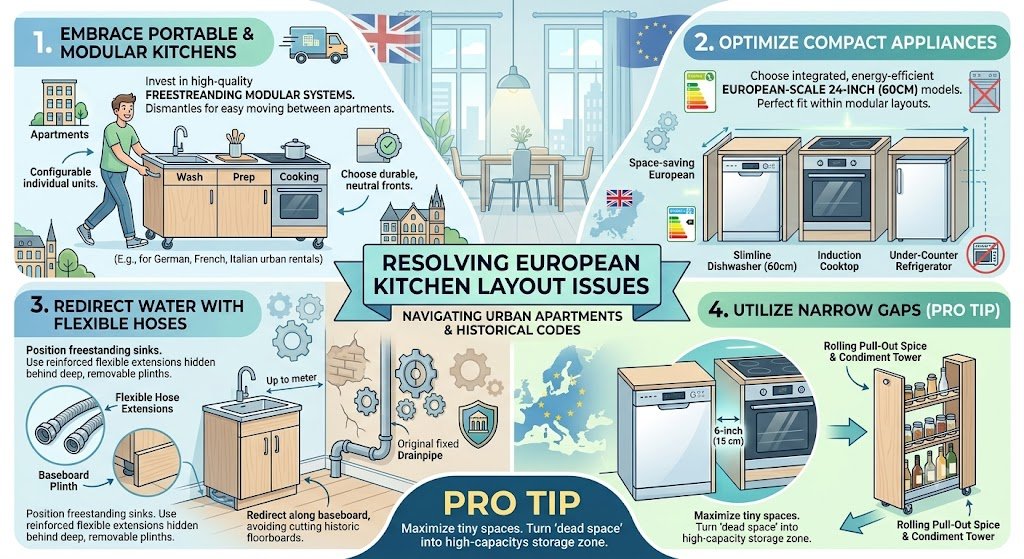
To navigate the challenge of portable kitchens, invest in high-quality, freestanding modular systems rather than permanent, wall-to-wall built-in cabinetry. The IKEA METOD or ENHET series offers incredible flexibility, allowing you to configure individual wash, prep, and cooking modules independently. These freestanding units look beautifully contemporary and can be disassembled, adapted, and expanded whenever your living situation changes. Choose durable, neutral cabinet fronts that can seamlessly blend into various architectural styles down the line.
And this is the part most people overlook: small European spaces require you to embrace highly integrated, compact appliance design. Swap out bulky, American-style appliances for European-scale, 24-inch (60 cm) slimline dishwashers, induction cooktops, and under-counter refrigerators. These space-saving models fit perfectly within modular frames while delivering outstanding energy efficiency, which is vital for European utility costs. Look for sleek, minimalist designs from premium brands available on Wayfair or local European appliance retailers.
When plumbing outlets are fixed in awkward, unmovable positions due to old building regulations, don’t let it dictate a poor layout. Use heavy-duty, reinforced flexible hose extensions hidden behind deep, removable plinths to redirect your water lines along the baseboard safely. This allows you to position your freestanding sink module up to a meter away from the original drainpipe without cutting into historic floorboards.
PRO TIP: Maximize your tiny European apartment kitchen by utilizing the narrow 6-inch (15 cm) gaps between appliances. Install a slim, rolling pull-out spice and condiment tower on casters to turn dead space into a high-capacity storage zone.
What Is the Secret to Perfect Lighting, Electrical & Ventilation Layouts?
Cooking in your own shadow because of a single, glaring overhead light bulb is both incredibly annoying and highly unsafe when handling sharp knives. Many culinary spaces suffer from poor electrical planning, resulting in dark prep corners and a severe shortage of conveniently located wall outlets. Cooking also generates massive amounts of grease, steam, and airborne odors that can quickly spread across your entire home without proper ventilation. Creating a safe, functional, and inviting environment requires a thoughtful balance of layered illumination and high-velocity air extraction.
The secret to a beautifully lit space lies in establishing three independent layers of light: ambient, task, and accent lighting. Start by replacing harsh central bulbs with a series of flush-mounted, dimmable architectural downlights or an adjustable track lighting system. Next, eliminate dark shadow zones on your countertops by installing bright, warm-white LED tape lights directly underneath all your upper cabinets. These task lights should be rated between 3000K and 3500K to provide clear, clean visibility for meal preparation.
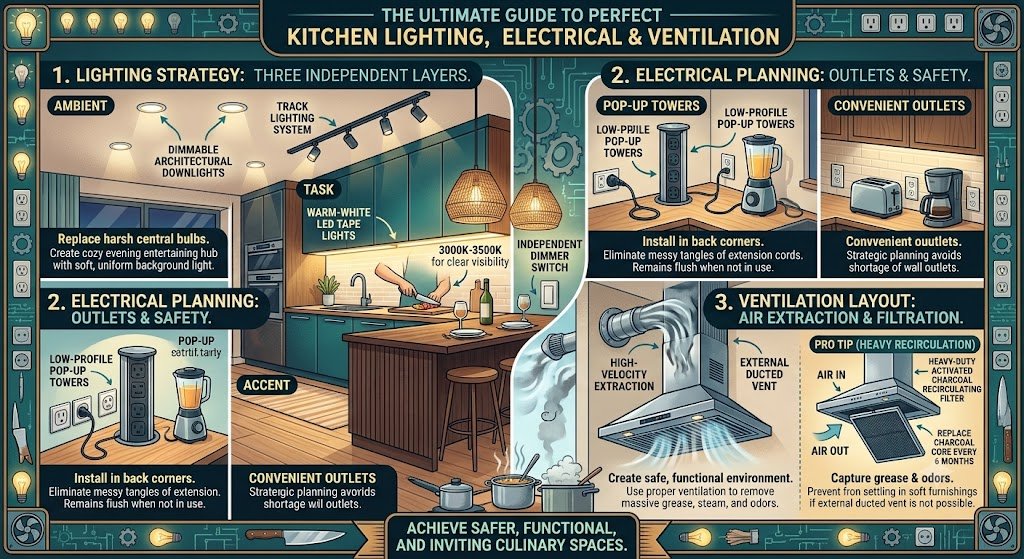
To add a touch of inviting warmth and character, introduce decorative accent lighting over your main island or breakfast bar. Hang a pair of woven rattan or hand-blown glass pendants from John Lewis, Target, or Next Home ($50 / £40 to $150 / £120). Connect these decorative fixtures to an independent dimmer switch so you can soften the atmosphere when transitioning from cooking to dining. This layered control allows your kitchen to shift seamlessly from a bright workspace into a cozy evening entertaining hub.
Messy tangles of extension cords on your counters are a major safety hazard around open flames and water sources. If you lack wall outlets, look into installing low-profile, multi-socket pop-up electrical towers directly into the back corners of your countertops. These sleek units remain completely flush with your surface when not in use and pop up easily when you need to plug in a blender or hand mixer.
PRO TIP: If your kitchen lacks an external ducted vent, upgrade your standard range hood with a heavy-duty activated charcoal recirculating filter. Replace the charcoal core every six months to capture grease particles and cooking odors before they settle into your soft furnishings.
How Can You Fix Frustrating Sinks, Plumbing & Waste Issues?
A shallow, easily scratched sink paired with a weak, sputtering faucet can make cleaning up after a family meal feel like a chore. Over time, poor plumbing choices lead to slow drains, localized water leaks, and bad odors emanating from underneath the cabinet base. Furthermore, managing bulky recycling bins and household waste often results in messy, overflowing corners that ruin your room’s aesthetic. Taming these messy cleanup zones requires a combination of durable material upgrades and integrated waste management systems.
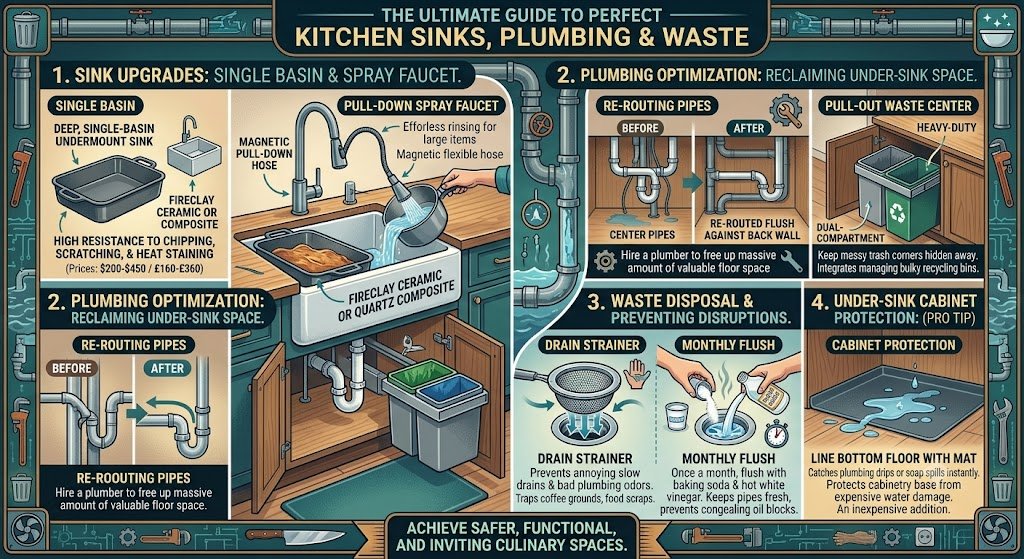
Upgrade your cleaning station by replacing an old, stained acrylic sink with a deep, single-basin undermount sink. Materials like heavy fireclay ceramic or durable quartz composite from Wayfair or Dunelm ($200 / £160 to $450 / £360) are highly resistant to chipping, scratching, and heat staining. A deep single basin easily accommodates oversized roasting pans and stockpots that would otherwise splash water all over your floor. Pair this with a high-arch, pull-down spray faucet featuring a flexible magnetic hose for effortless rinsing.
Now here is where it gets interesting: the chaotic space underneath your sink can be easily transformed with a bit of plumbing optimization. If your current drain pipes twist awkwardly through the center of the cabinet, hire a plumber to re-route them flush against the back wall. This quick structural adjustment frees up a massive amount of valuable floor space within the cabinet base. Fill this newly reclaimed space with a heavy-duty, dual-compartment pull-out waste and recycling center to keep trash hidden away.
To prevent annoying slow drains and bad plumbing odors from disrupting your home, install a high-quality stainless steel mesh strainer over your drain hole. Avoid letting cooking oils, coffee grounds, or fibrous food scraps pass down into your waste pipes where they congeal and cause blockages. Once a month, flush your kitchen drain with a cup of baking soda followed by hot white vinegar to keep things smelling fresh.
PRO TIP: Line the entire bottom floor of your under-sink cabinet with a waterproof, flexible plastic tray mat. This inexpensive addition catches accidental plumbing drips or soap spills instantly, protecting your cabinetry base from expensive water damage.
What Is the Most Durable Choice for Materials, Flooring & Appliances?
Choosing fragile or hard-to-maintain materials across a high-traffic cooking environment is a recipe for long-term design regret. Delicate marble countertops stain instantly from spilled red wine, while cheap laminate flooring warps badly at the first sign of a dishwasher leak. Your appliance choices also play a huge role in your daily life; outdated, noisy models consume excess energy and break down when you need them most. Investing in high-performance, resilient surfaces and smart appliances ensures your culinary space remains beautiful and functional for decades.
When it comes to selecting the ultimate countertop material, engineering-grade quartz is the undisputed king of durability and style. Unlike natural marble or granite, quartz is completely non-porous, meaning it never requires sealing and resists stubborn stains from coffee, oil, and citrus juice. Leading design brands offer gorgeous quartz slabs that replicate the elegant veining of luxury marble without any of the high-maintenance headaches. It provides a bulletproof surface that can easily withstand the frantic pace of busy family life.
For your flooring, move away from brittle ceramic tiles which can crack easily if a heavy cast-iron pan is dropped on them. Instead, look into modern Luxury Vinyl Tile (LVT) or premium engineered timber flooring from retailers like Dunelm, Wayfair, or Target. High-quality LVT is completely waterproof, incredibly scratch-resistant, and offers a softer, warmer feel underfoot during long periods of standing. It beautifully mimics the authentic look of real oak or natural slate while being exceptionally easy to clean and maintain.

When upgrading your appliances, prioritize models that feature matte, anti-fingerprint stainless steel or integrated cabinet fronts. These advanced finishes resist daily smudges, water spots, and grease marks, saving you from constant wiping down. Look for appliances with high energy-efficiency ratings to lower your monthly utility bills across both the US and Europe.
PRO TIP: If your existing laminate countertops look worn out but a full replacement isn’t in the budget, apply a high-end architectural epoxy coating system. It creates a seamless, stone-like satin finish directly over your old counters for a fraction of the cost.
How Do You Keep Up with Windows, Walls & Maintenance?
Sticky grease residue building up along your window trims and stained wall paint behind your cooktop can make a kitchen feel dirty no matter how often you clean it. The combination of airborne cooking oils, steam, and splattering sauces presents a constant challenge for standard interior finishes. Without the right protective materials and regular maintenance routines, your walls can easily absorb stubborn cooking odors and show premature wear. Keeping your space looking fresh requires a combination of scrubbable wall treatments, durable backsplashes, and regular deep-cleaning habits.
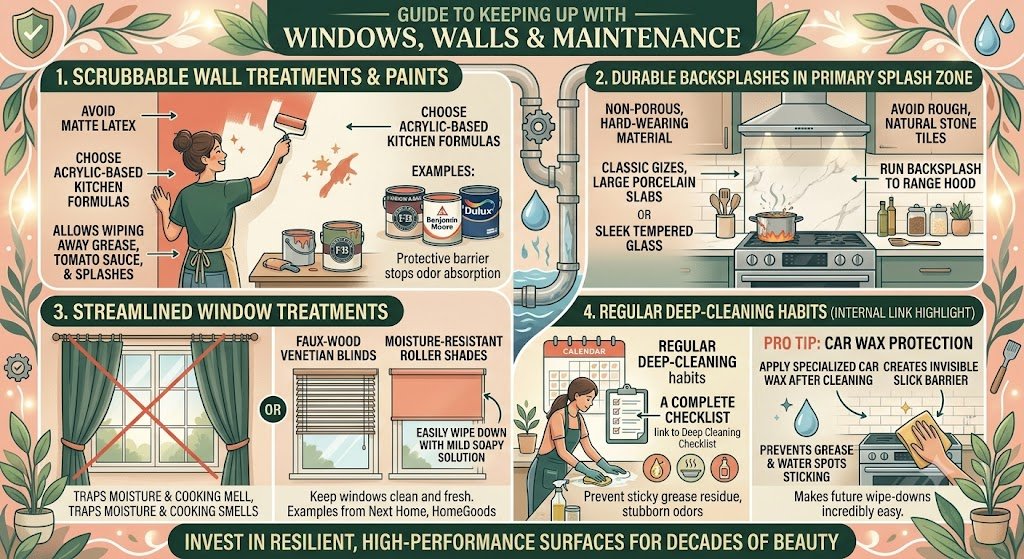
To protect your walls from inevitable cooking splatters, avoid standard matte latex paints, which absorb oils and chalk up when scrubbed. Instead, specify an acrylic-based, scrubbable kitchen and bathroom paint formula from trusted brands like Farrow & Ball, Benjamin Moore, or Dulux. These specialized paints dry to a hard, moisture-resistant barrier that allows you to wipe away grease, tomato sauce, and coffee splashes with a damp cloth without lifting the color.
Next, ensure your primary splash zone directly behind your stove is protected by a non-porous, hard-wearing backsplash. Classic glazed ceramic subway tiles, large porcelain slabs, or sleek tempered glass sheets offer the ultimate protection for your walls. Avoid rough, natural stone tiles in this zone, as their porous textures absorb grease and are incredibly difficult to clean. Run your backsplash all the way up to the underside of your range hood to create a clean, seamless look.
[INTERNAL LINK: Deep cleaning maintenance checklist — Healthy Home]
Don’t neglect your window treatments when addressing kitchen issues and their solution. Heavy fabric curtains and fabric Roman shades trap moisture and absorb airborne cooking smells, becoming a magnet for dust and mildew. Instead, install streamlined faux-wood venetian blinds or moisture-resistant roller shades from Next Home or HomeGoods. These materials can be easily wiped down with a mild soapy solution, keeping your windows looking clean and smelling fresh all year.
PRO TIP: Apply a thin layer of specialized car wax directly onto your stainless steel appliances and tiled backsplashes after deep cleaning. This creates an invisible, slick barrier that prevents grease and water spots from sticking, making future wipe-downs incredibly easy.
Frequently Asked Questions About Kitchen Issues and their Solution
Q: What is the most affordable way to refresh an outdated kitchen without a full remodel?
A: The absolute best low-cost strategy is painting your existing cabinet doors with a high-quality furniture enamel and swapping out old, worn hardware for modern brushed brass or matte black handles from IKEA or Target. Pair this with fresh under-cabinet LED lighting to instantly transform the entire room’s look and feel for under $200 / £160.
Q: How do I stop my kitchen trash can from creating bad odors across the room?
A: Move away from freestanding, open-top trash bins and invest in an integrated pull-out cabinet waste system featuring tight-fitting, carbon-filtered lids. Sprinkle a thin layer of baking soda at the bottom of your plastic bin liners every week to naturally absorb moisture and neutralize odors before they spread.
Q: Can I install a kitchen island if my space is small or narrow?
A: Yes, you can introduce a slim, mobile kitchen cart or a drop-leaf island on lockable casters from Wayfair or Dunelm. This flexible setup provides extra prep space when you need it and can be pushed completely against an empty wall when you require full clearance paths.
Q: What is the easiest way to remove stubborn grease buildup from wood cabinets?
A: Mix a 50/50 solution of warm water and white vinegar with a few drops of grease-cutting dish soap in a spray bottle. Wipe the cabinet fronts gently using a soft microfiber cloth along the grain line, then dry the surface completely with a clean towel to protect the wood finish.
Q: Why does my dishwasher always leave a foul smell after a cleaning cycle?
A: This odor usually stems from a clogged base filter basket or food debris trapped within the rubber door seals. Clean out the mesh filter under warm running water every month, and run a hot empty cycle with a cup of white vinegar placed on the top rack to sanitize the interior machine lines.
Successfully resolving your daily spatial challenges comes down to implementing smart layout adjustments, upgrading your storage capacity, and dialing in your task lighting. By systematically addressing these common culinary pain points, you can easily design a high-performance environment that makes meal preparation a true joy.
Take a look through our extensive interior design archives to uncover more actionable home organization secrets, and share your own spatial transformation success stories in the comments below!