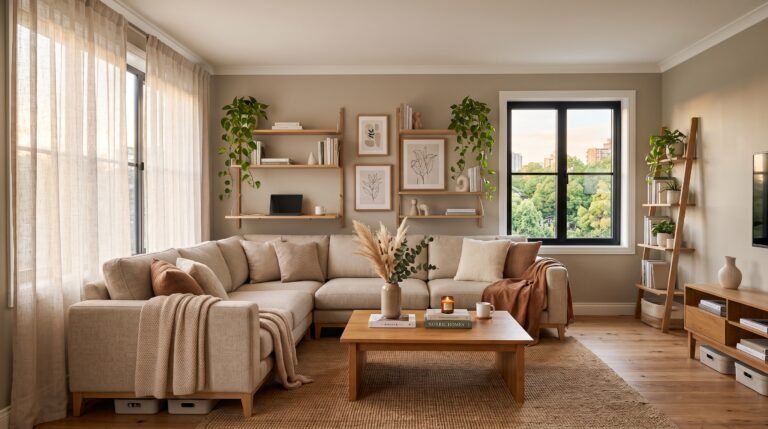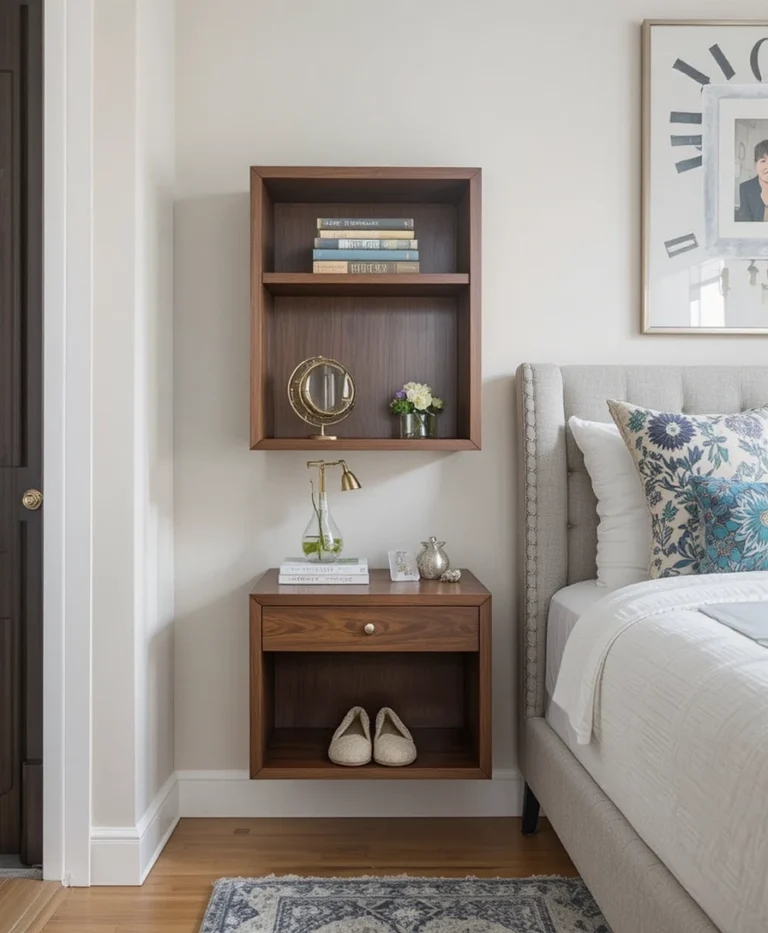

A cozy bedroom isn’t really about how many throw pillows you can fit on the bed — it’s about the room actually feeling different when you walk into it after a long day. Most “cozy bedroom” lists online repeat the same five ideas in different words: add a blanket, add a candle, add a rug. This one goes a level deeper, with the reasoning behind why each idea works, what tends to go wrong when people try it, and which changes are worth doing first if you’re working with a limited budget or a small space.
Whether you’re renting a small apartment or redoing a primary bedroom from scratch, the goal here is the same: a room that feels like a genuine retreat, not a showroom
1. Layer Textures, Not Just Colors
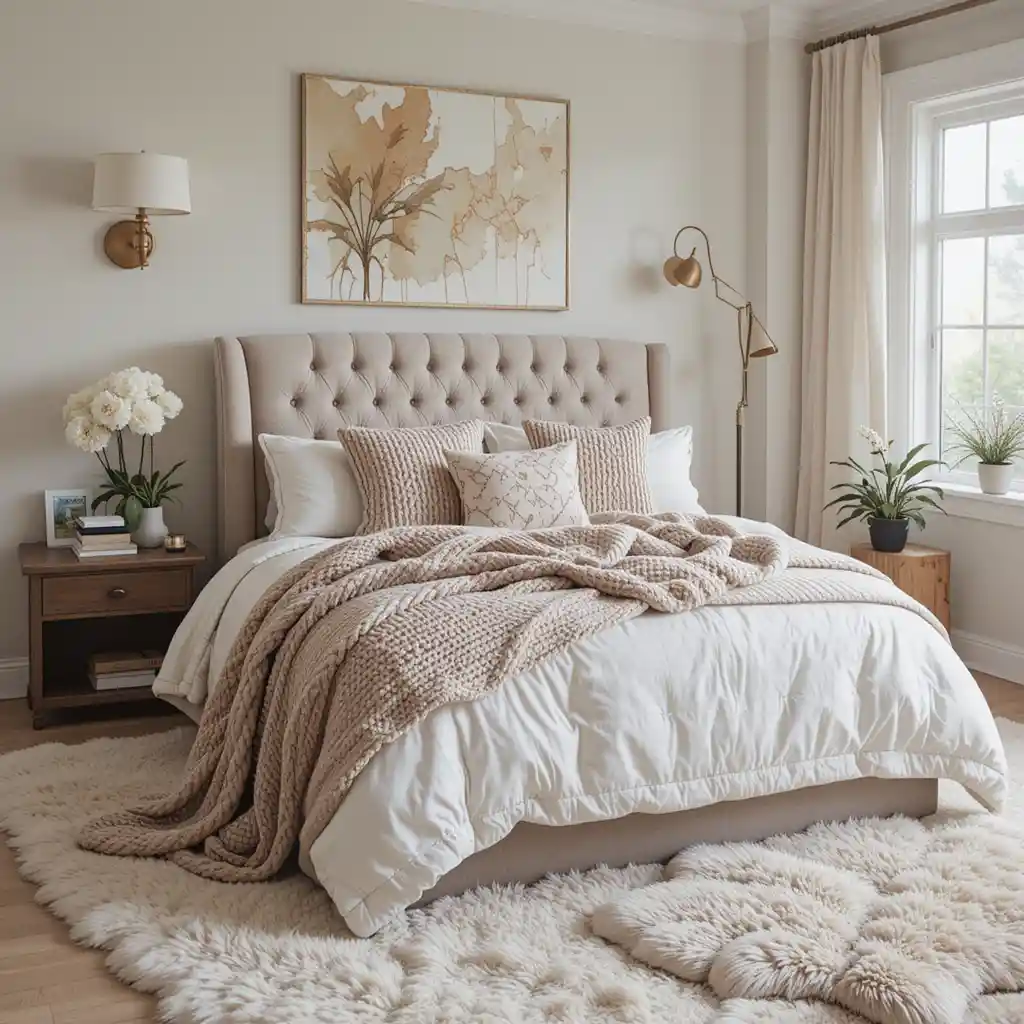
Coziness has more to do with texture than color. While choosing the right warm neutral tones creates a welcoming base, a room can still feel cold and flat if every surface is smooth and hard. A wool throw, a knit blanket, and a faux fur accent pillow do more to add texture and to change how a room feels than another coat of paint ever will. The trick most people miss is contrast: pair something rough (chunky knit) with something smooth (linen sheets) so the textures play off each other instead of blending into sameness. Start with just two or three pieces rather than covering the bed in layers—it’s easy to overdo this one.
2. Warm Neutrals Read Cozier Than True White
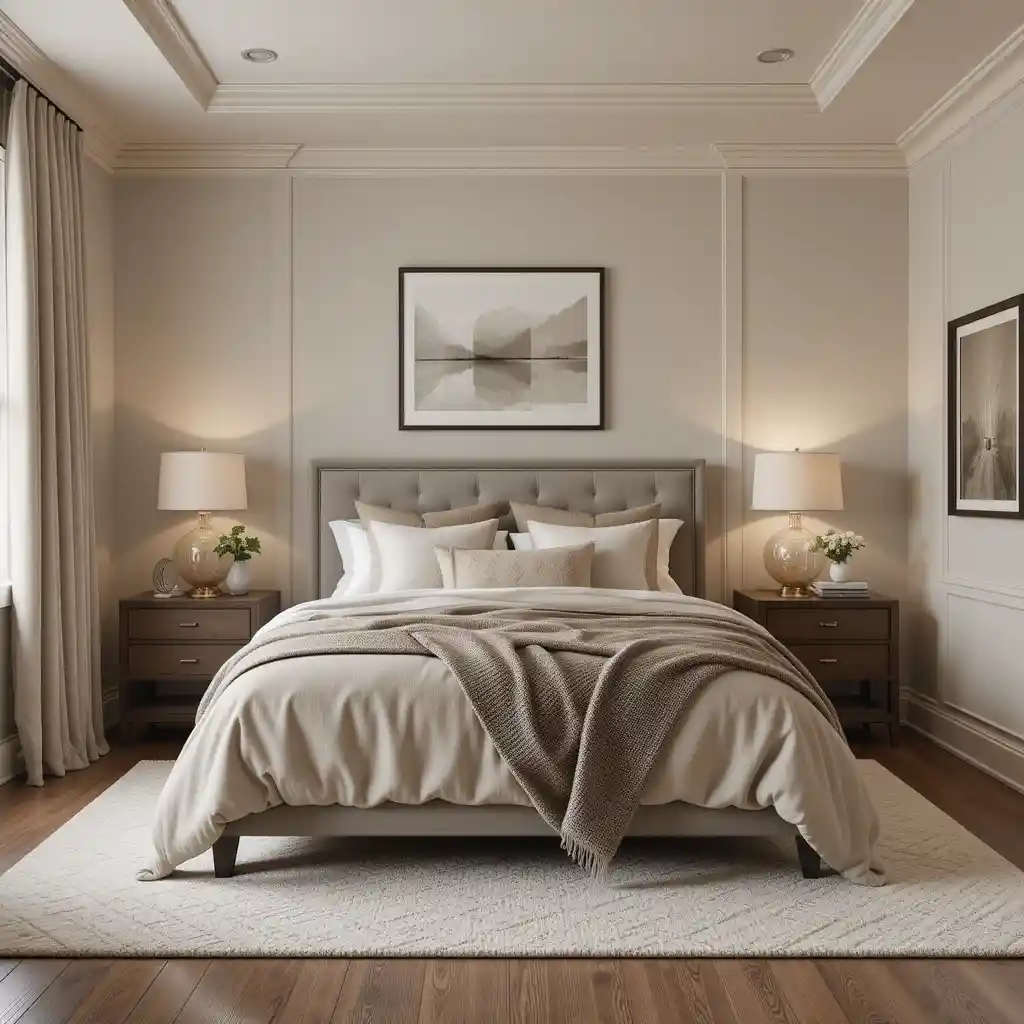
A stark white wall reflects light evenly in every direction, which is part of why all-white rooms can feel clinical rather than comforting. Warm neutrals, a soft beige, greige, or taupe, absorb and scatter light differently, giving the room a gentler, more enclosed feel without going as dramatic as a dark accent wall. If repainting isn’t an option in a rental, warm-toned bedding and curtains create a similar effect without touching the walls at all. This is one of the lowest-cost changes on this list with one of the biggest visual payoffs.
Related Guide: Read our LRV and Paint Undertones Guide to learn how light reflectance transforms paint shades in different lighting conditions.
3. Build an Actual Reading Nook, Not Just a Chair in a Corner
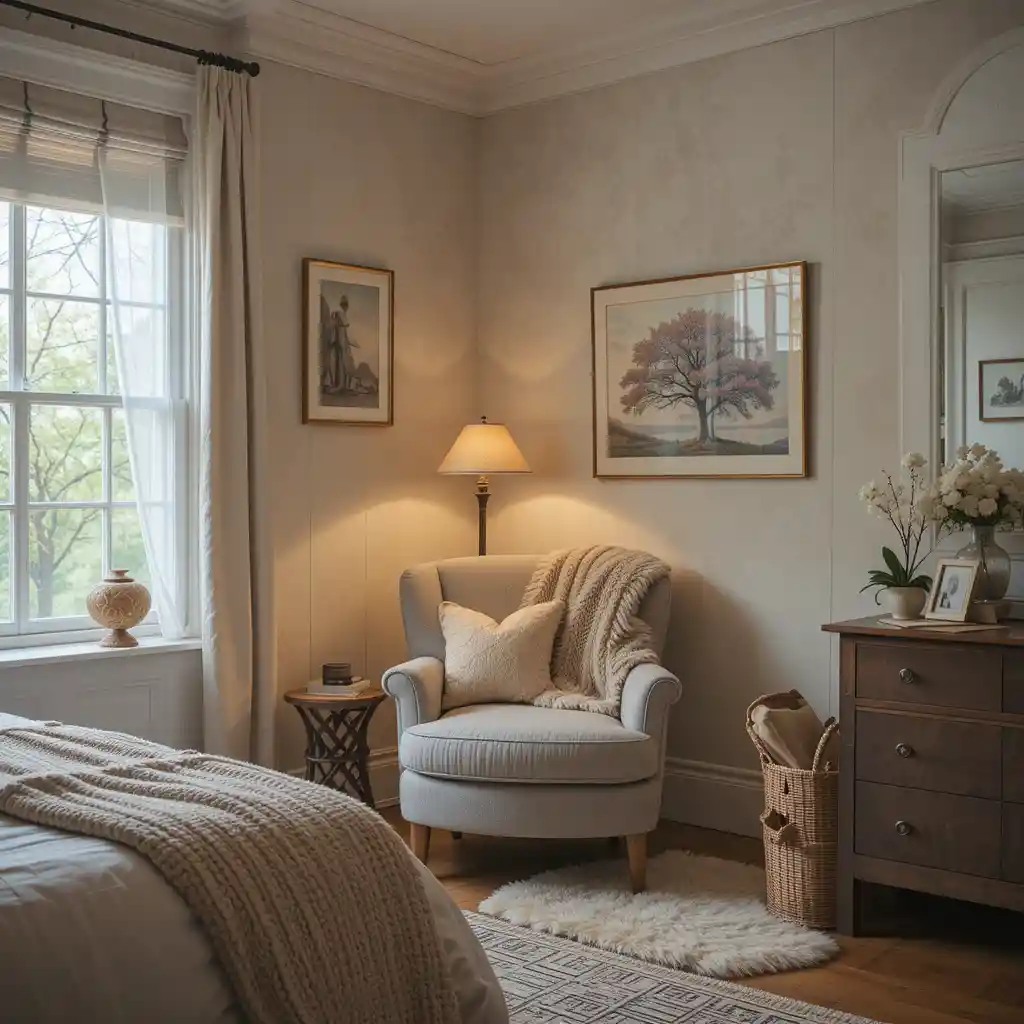
A chair alone doesn’t make a reading nook — what makes it work is having everything you need within arm’s reach so you never have to get back up once you’ve settled in. That means a side table for your drink, a lamp with a warm-toned bulb (not a harsh white LED), and a throw blanket already draped over the arm of the chair. Position it near a window if you can, since natural light during the day makes the spot usable well before you’d need the lamp at all.
4. Use Warm White String Lights, Not Cool White
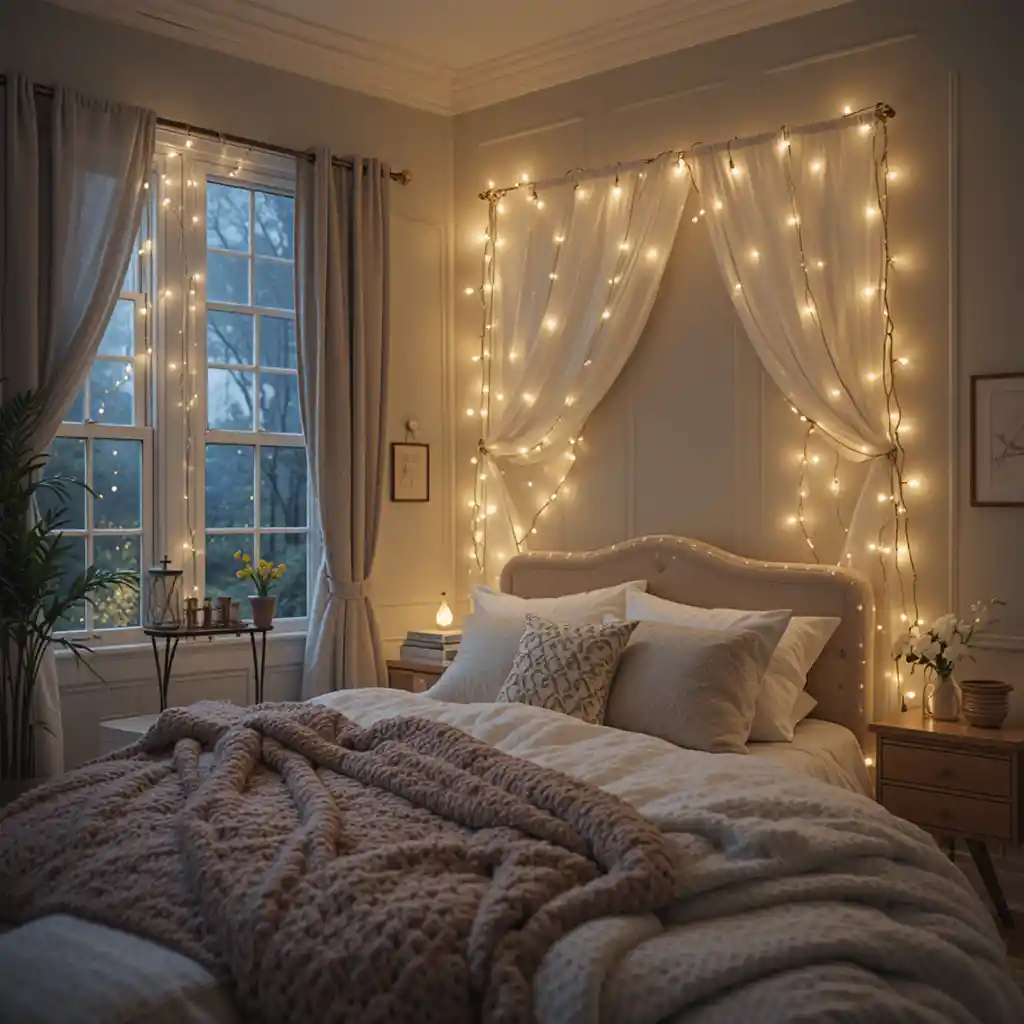
Not all string lights read as cozy — the color temperature matters as much as the fact that they’re lit. Warm white lights (look for a rating around 2700K on the packaging) give off an amber glow that mimics candlelight, while cool white or daylight-toned strands can look more like a dorm room than a retreat. Run them along a headboard, a window frame, or behind a piece of furniture rather than draping them randomly, since a bit of intentional placement makes a big difference in how finished the result looks.
5. Prioritize the Sheets Before the Comforter
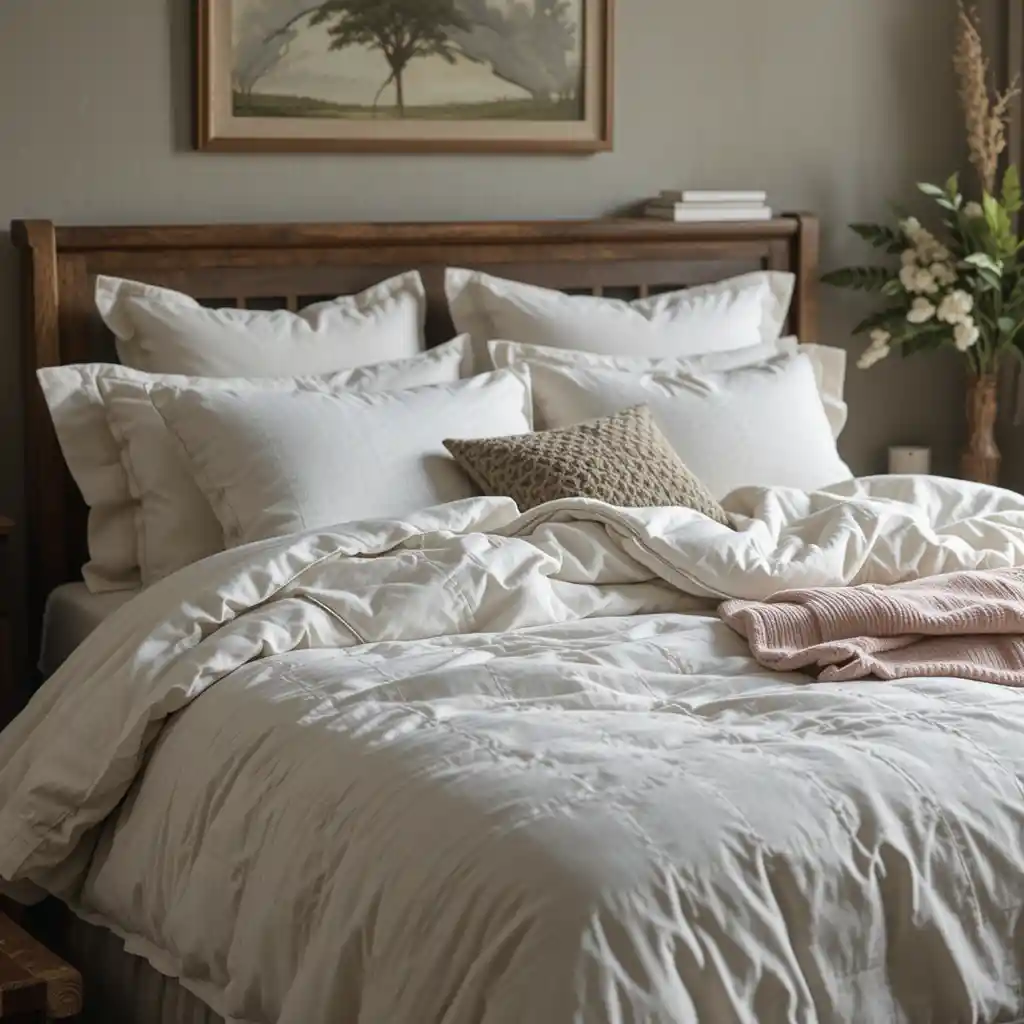
People tend to spend their bedding budget on the comforter and decorative pillows first, but the sheets are what you’re actually touching all night. A higher thread-count cotton or a brushed flannel in colder climates makes more of a physical difference to comfort than an extra decorative pillow ever will. If the budget only stretches to one upgrade this season, put it toward the sheets, the visual upgrade of a nice comforter matters less than what your skin is actually against for eight hours.
6. Scent Should Be Subtle, Not the First Thing You Notice
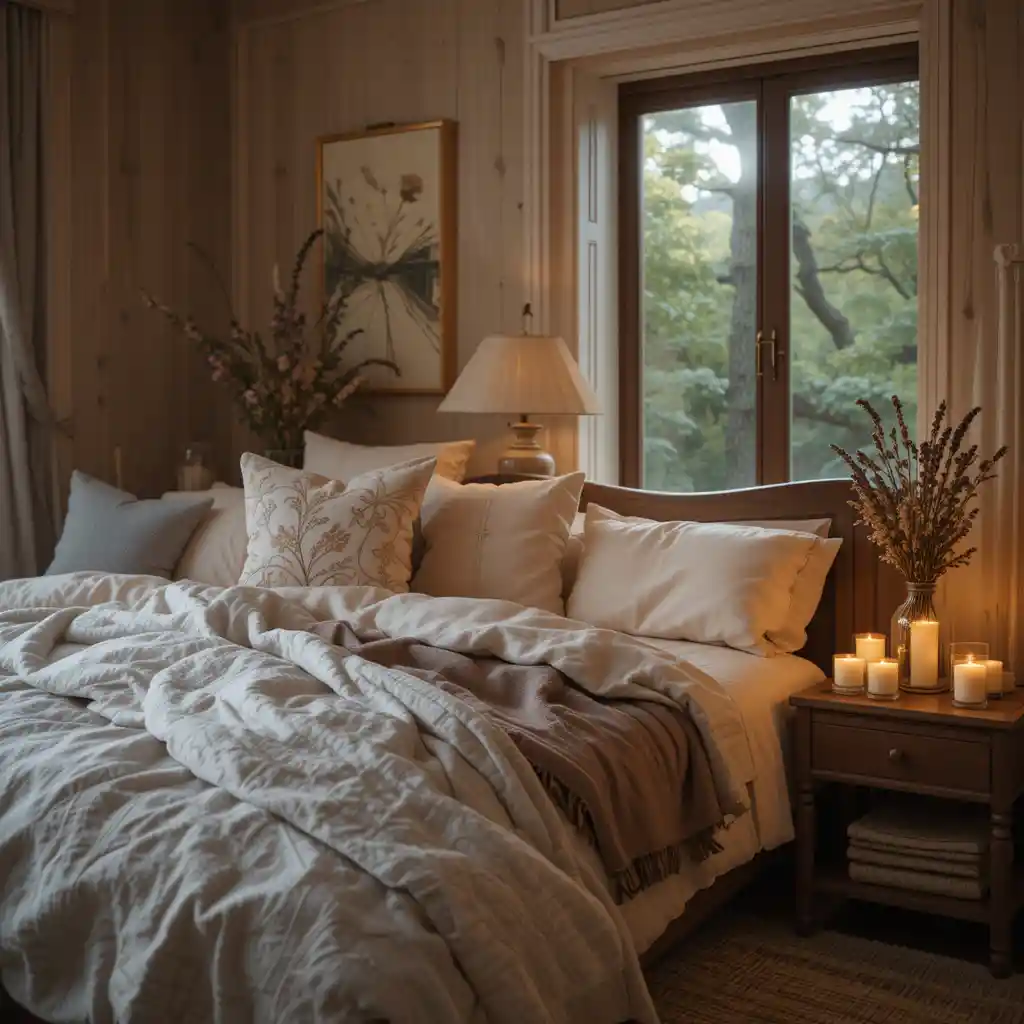
A cozy room should smell pleasant without announcing itself the second someone walks in an overpowering candle or diffuser can have the opposite effect and start to feel more like a retail store than a bedroom. Lower-intensity scents like sandalwood, cedar, or a light vanilla tend to work better in a small enclosed room than stronger floral scents, which can become overwhelming fast in a space with limited airflow. If you’re sensitive to fragrance or sharing the room, an unscented diffuser with just a few drops is often enough.
7. A Chunky Knit Blanket Works Best as an Accent, Not the Main Layer
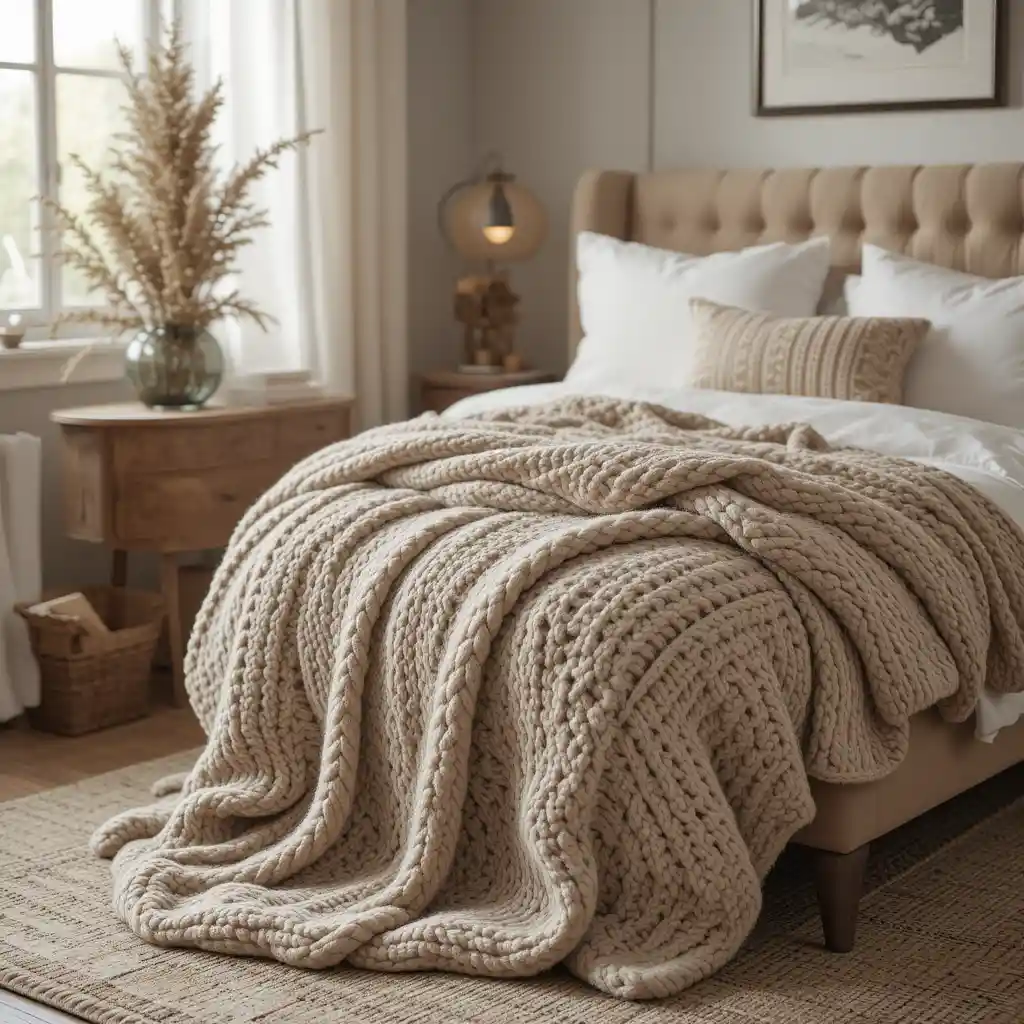
A heavy knit throw looks great folded at the foot of the bed or draped over a chair, but it’s usually too warm and too bulky to use as an actual top layer for sleeping under. Treat it as a visual and tactile accent rather than your primary blanket, and keep a lighter layer underneath for the nights it’s actually too warm for the knit. This is a small distinction, but it’s the difference between a blanket that gets used regularly and one that just sits there looking nice.
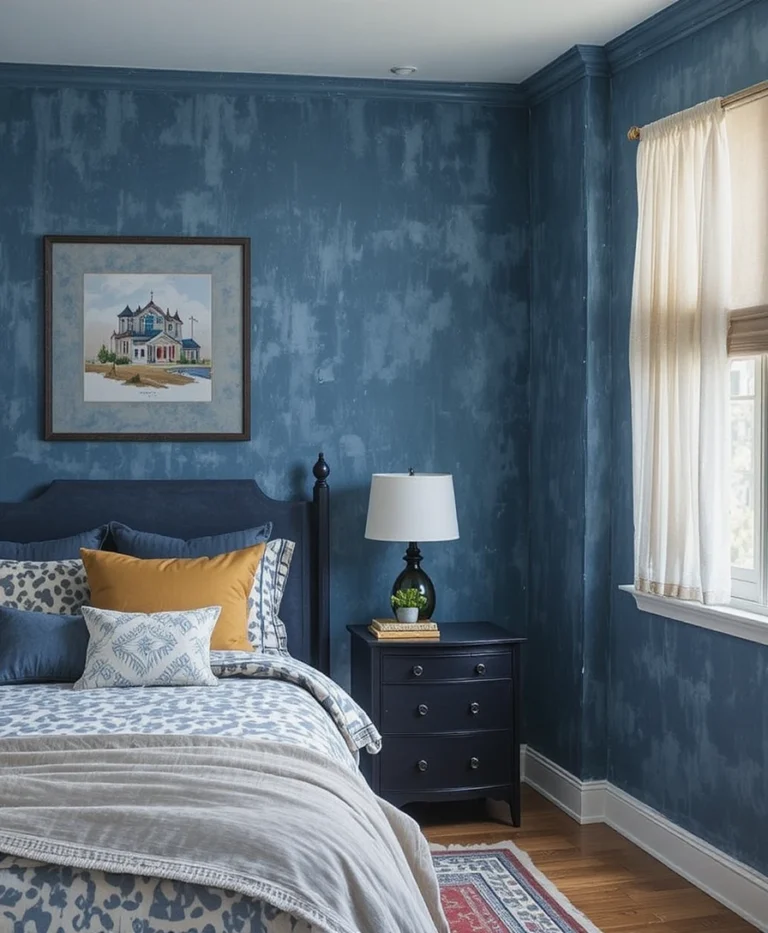
8. A Dark Accent Wall Needs the Right Room Size to Work
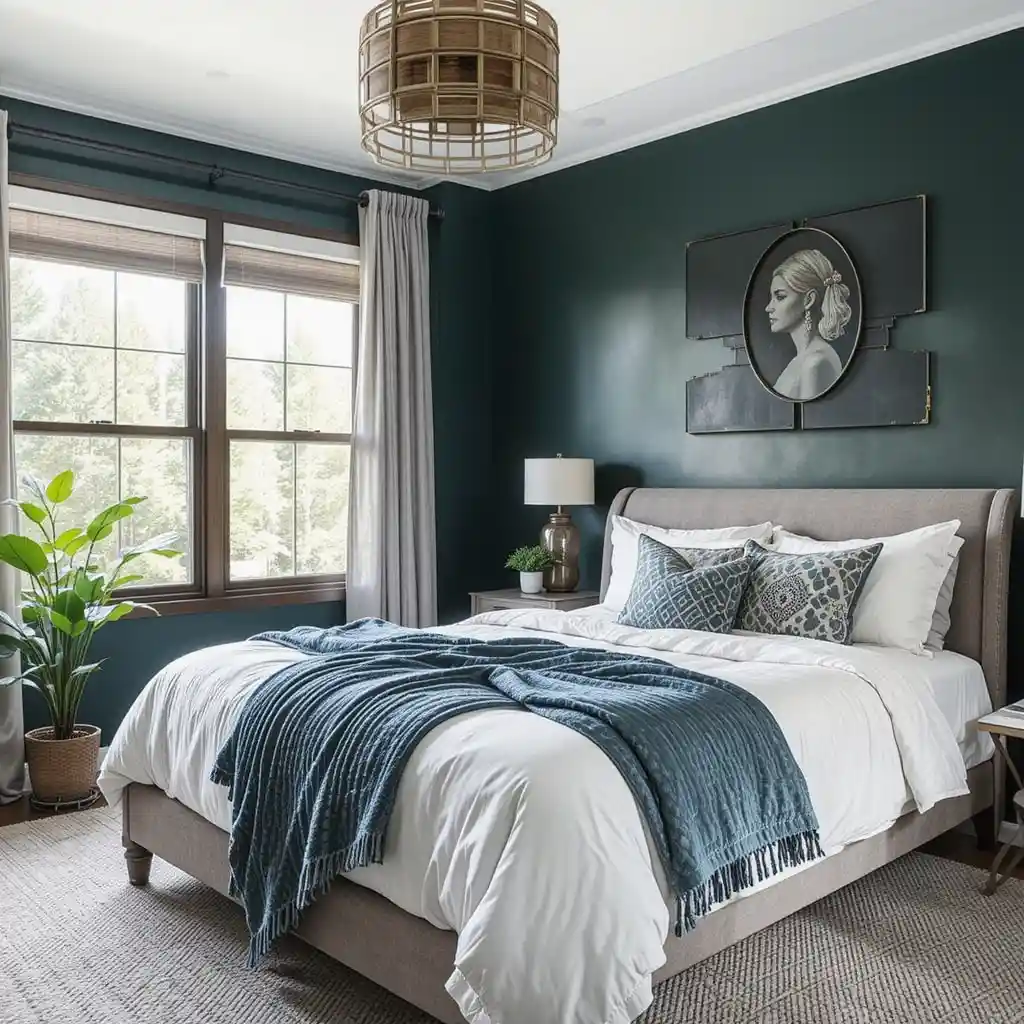
Dark colors like navy, forest green, or charcoal genuinely do make a room feel more enclosed and intimate, but they can also make a small room feel noticeably smaller if used on more than one wall. The safest approach is to paint just the wall behind the headboard, which frames the bed without closing in the whole room. In a room with limited natural light, test the color on a large poster board first and look at it at night under your actual lamps, since dark colors shift more dramatically under artificial light than lighter ones do.
9. Natural Wood Grounds a Room Without Making It Feel Rustic
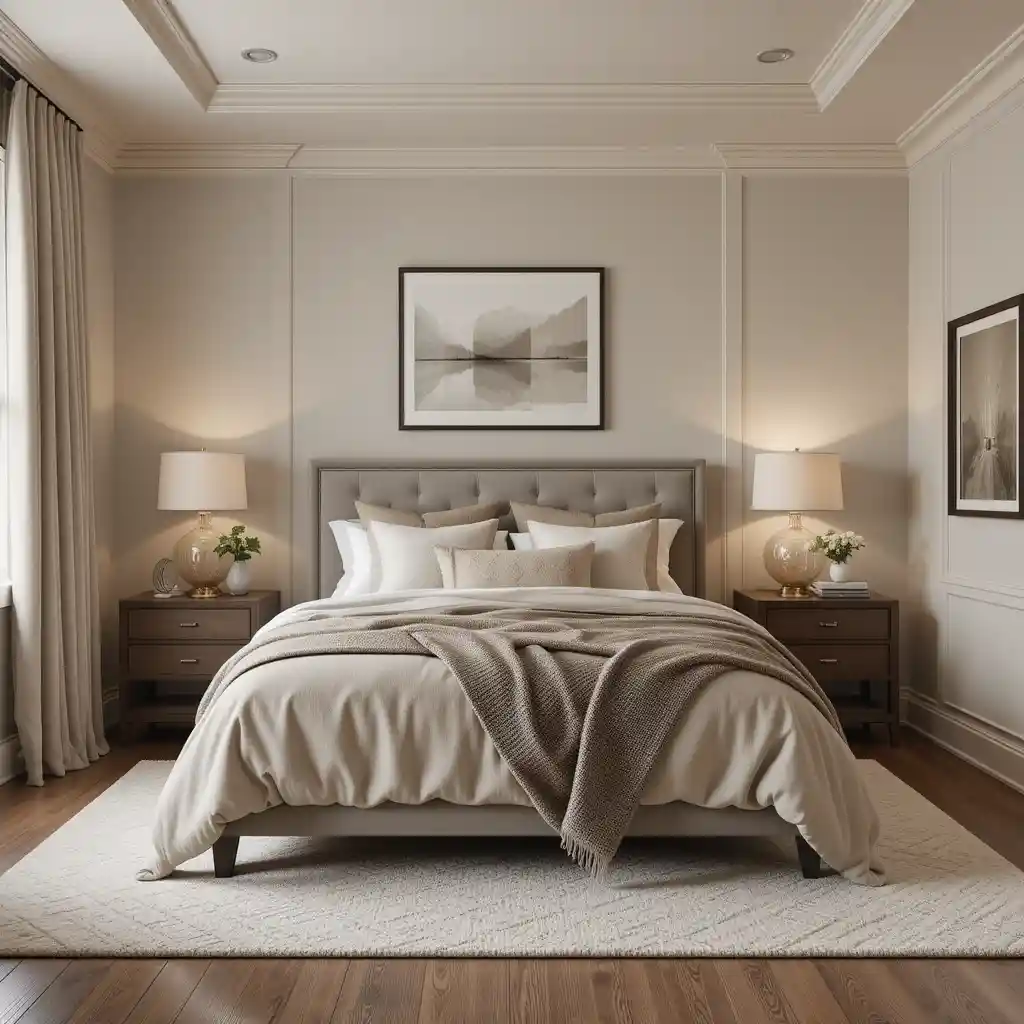
Wood tones, a wood bed frame, nightstand, or even just a wood-framed mirror bring warmth into a room without pushing it toward a full “cabin” aesthetic, as long as you keep the rest of the palette modern and simple. Mixing two different wood tones in the same small space (say, a dark walnut nightstand next to a lighter oak floor) usually looks more intentional than trying to match every wood surface exactly. If the existing furniture doesn’t match, a runner rug or bedding in a coordinating color can visually connect mismatched pieces instead of forcing you to replace them.
10. Bed Drapes Work Best With Real Ceiling Height
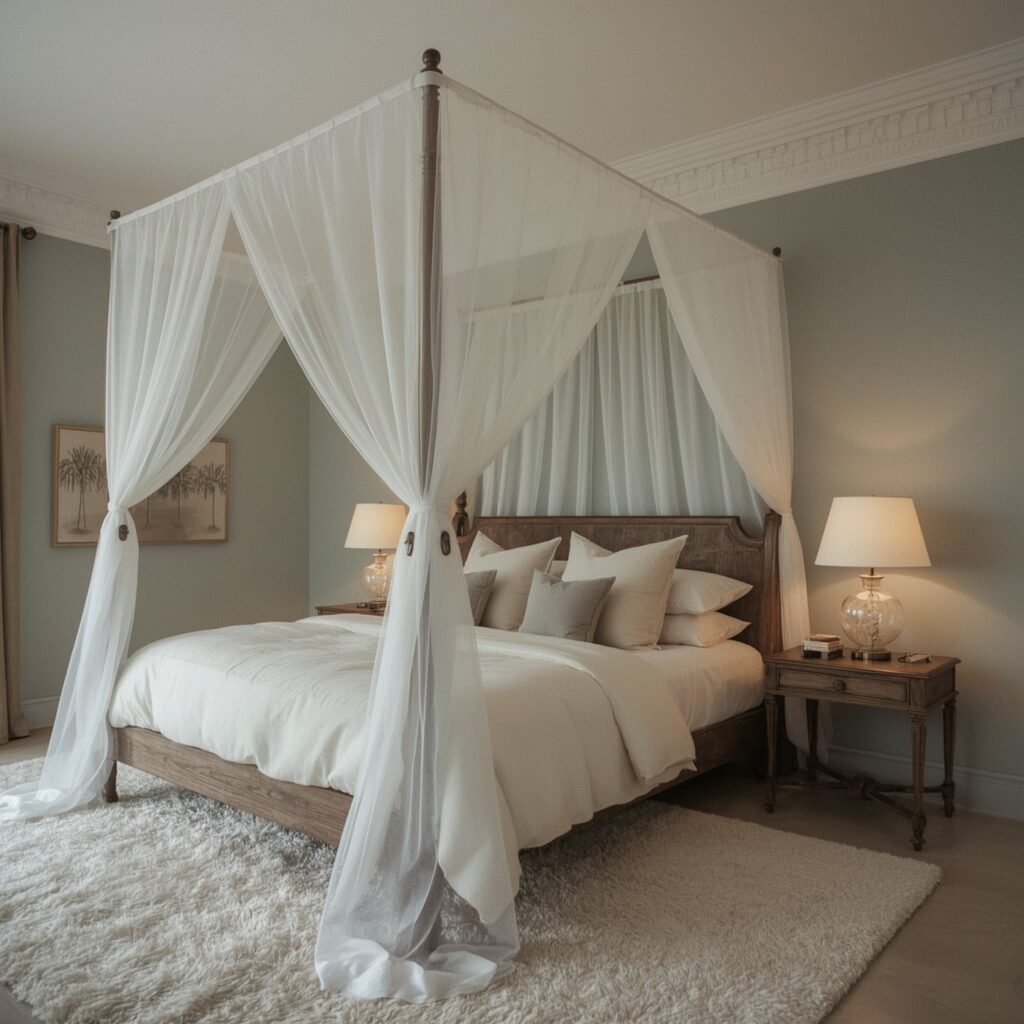
A canopy or sheer drape around the bed can look romantic and add a real sense of enclosure, but it needs enough ceiling height to avoid feeling cramped in a room with standard 8-foot ceilings, keep the drape fabric light and sheer rather than heavy, so it doesn’t visually lower the room further. A simple canopy frame mounted just above the headboard, rather than a full four-poster structure, is usually the easier and cheaper way to get the look in a standard bedroom. If you’re renting, look for a tension-rod or ceiling-hook version that doesn’t require drilling into the frame.
11. Decorate With Books and Magazines
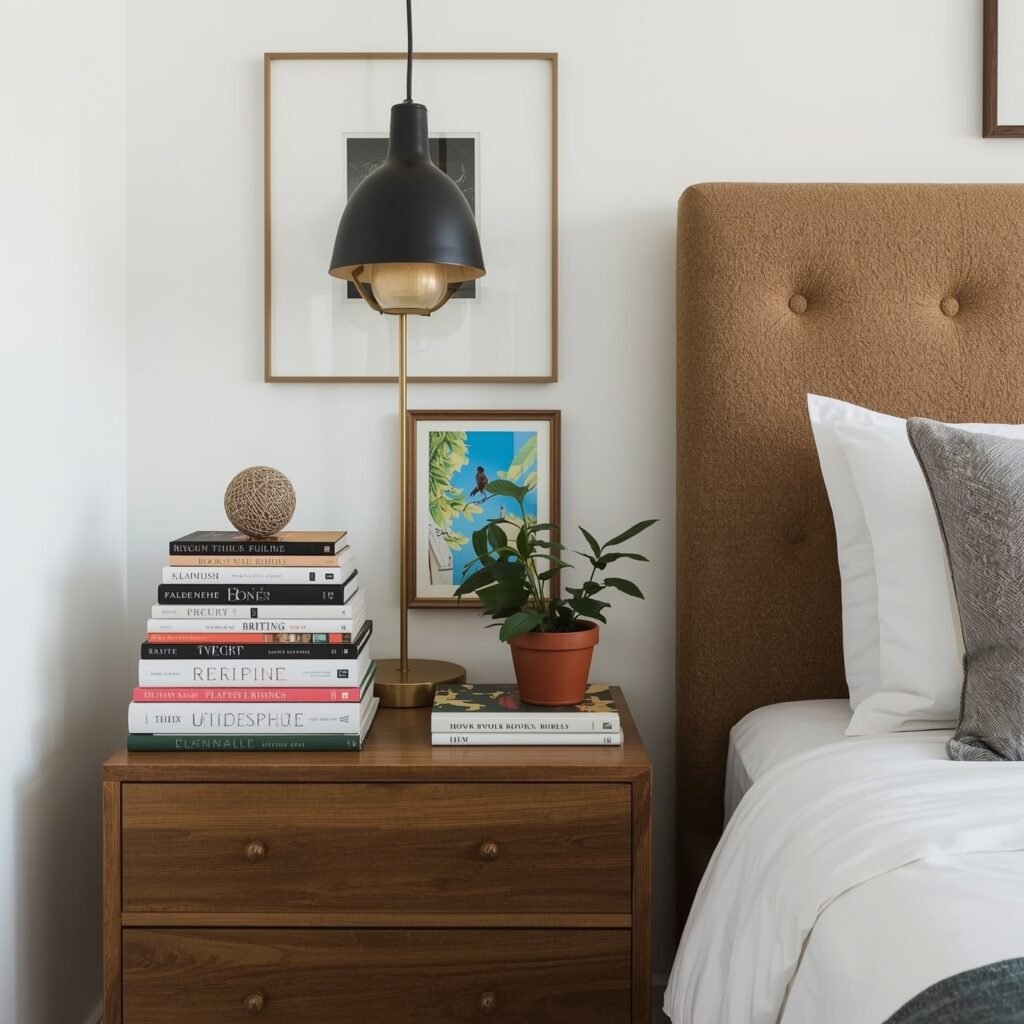
A small stack of books on a nightstand does more to make a room feel personal and lived-in than most decorative objects, mainly because it’s an honest sign that the room actually gets used. The key is restraint books stacked in one place, not a small library spread across every surface, since the effect breaks down once it starts to look like storage instead of styling. If you read on a tablet rather than physical books, a small stack of a few favorite paperbacks still works purely as a visual and tactile element.
12. Layer Lighting Instead of Relying on One Overhead Fixture
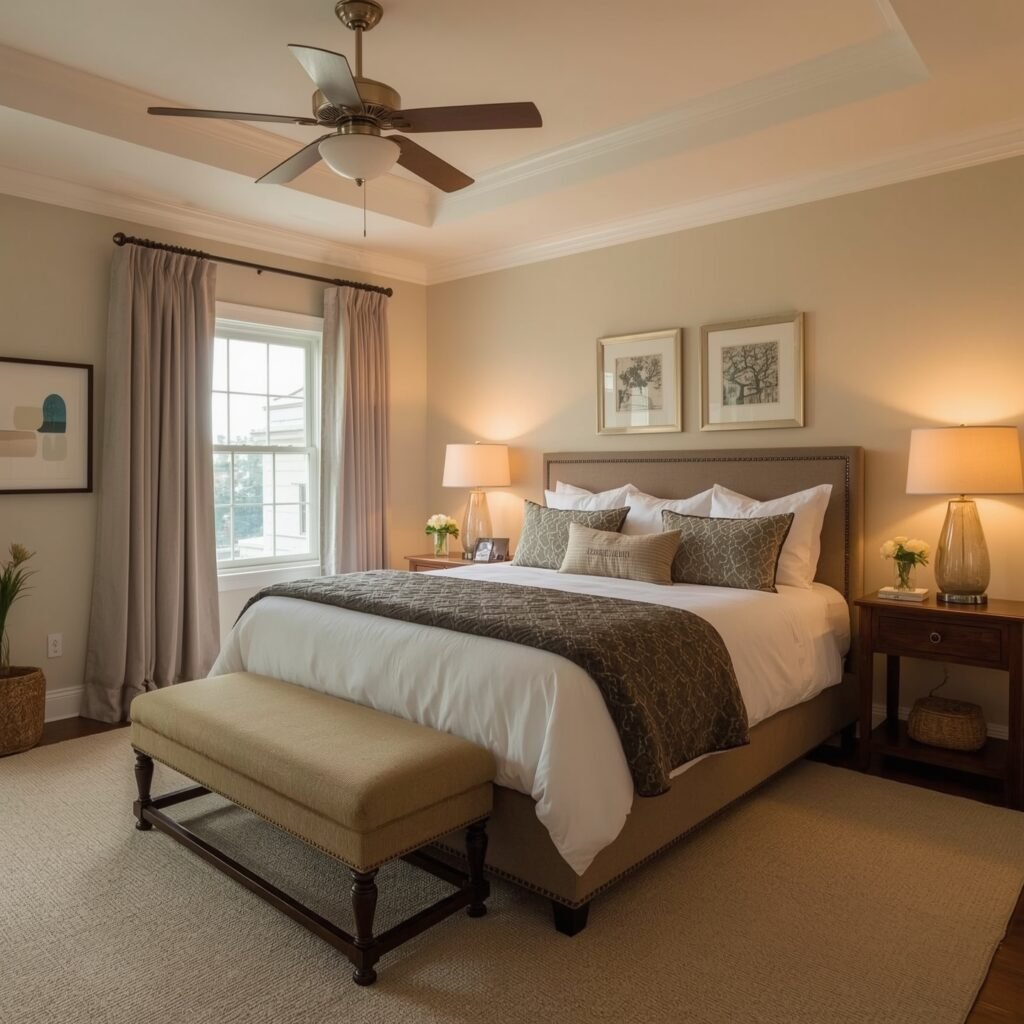
A single ceiling light creates flat, even light across the whole room, which is part of why overhead-only lighting rarely feels cozy no matter how warm the bulb color is. Layering in a bedside lamp, a floor lamp in a reading corner, and maybe a small accent light creates pools of warmer, more varied light that feels more like a living space than an office. On nights you don’t need full brightness, using just the lamps instead of the overhead light instantly changes the mood of the room without spending anything extra.
13. Upholstered Furniture Softens Hard Edges in the Room
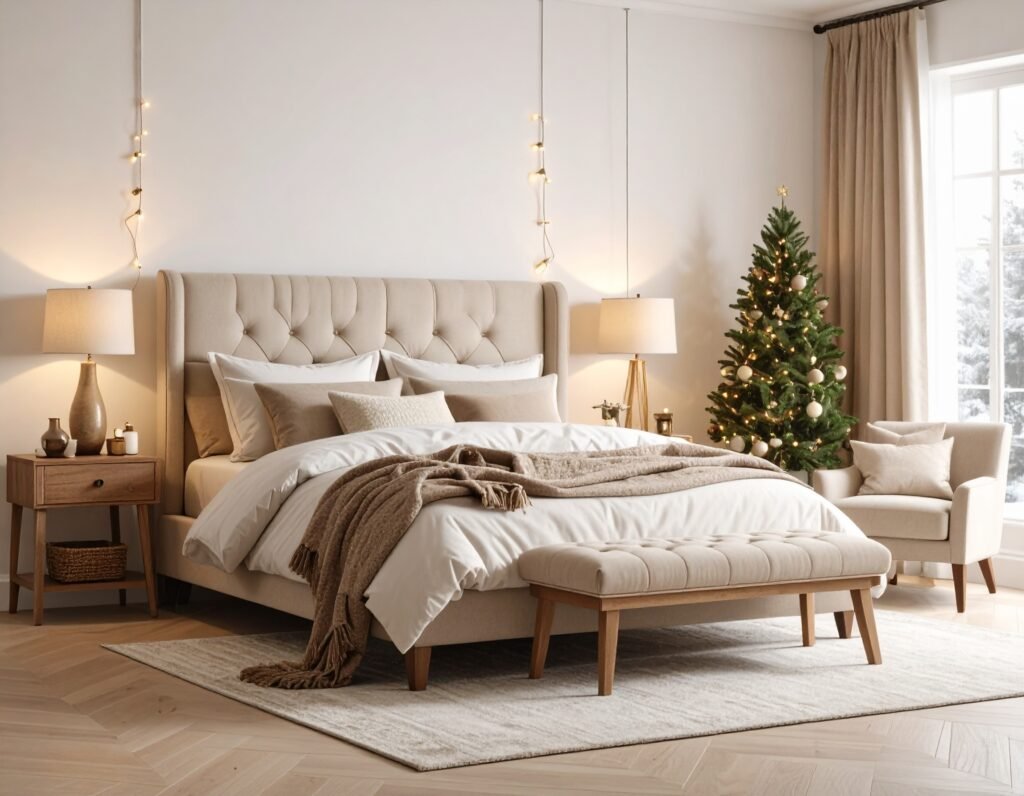
An upholstered headboard, bench, or ottoman breaks up the visual hardness of a room that’s otherwise full of flat walls and hard furniture edges, and it adds a place to actually sit down that isn’t the bed itself. A bench at the foot of the bed is particularly practical, it gives you somewhere to set clothes or a bag without using the bed as a catch-all surface. If reupholstering an existing piece is cheaper than buying new, a fabric with some texture (bouclé, corduroy, soft velvet) will be much cozier than a flat, smooth fabric.
14. Personal Photos and Art Should Be Curated, Not Just Displayed
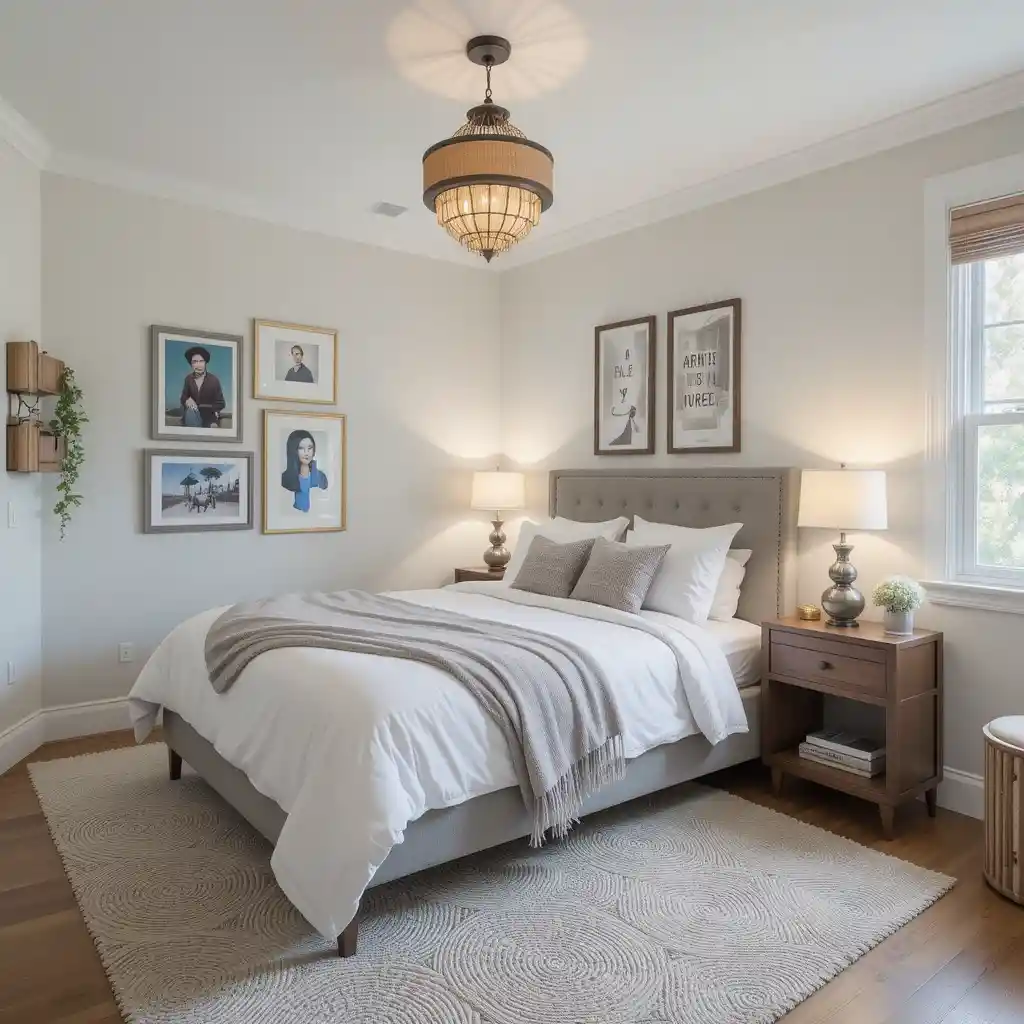
A gallery wall full of every photo you own can start to feel cluttered rather than personal, while a handful of carefully chosen pieces — framed consistently, in a similar color palette reads as intentional. Mixing in one or two non-photo pieces, like a print or a small piece of original art, keeps the wall from feeling like a photo album mounted on the wall. Frame color matters more than people expect here: matching frames across a small collection makes even a random mix of images look coordinated.
15. Blackout Curtains Change More Than Just the Light
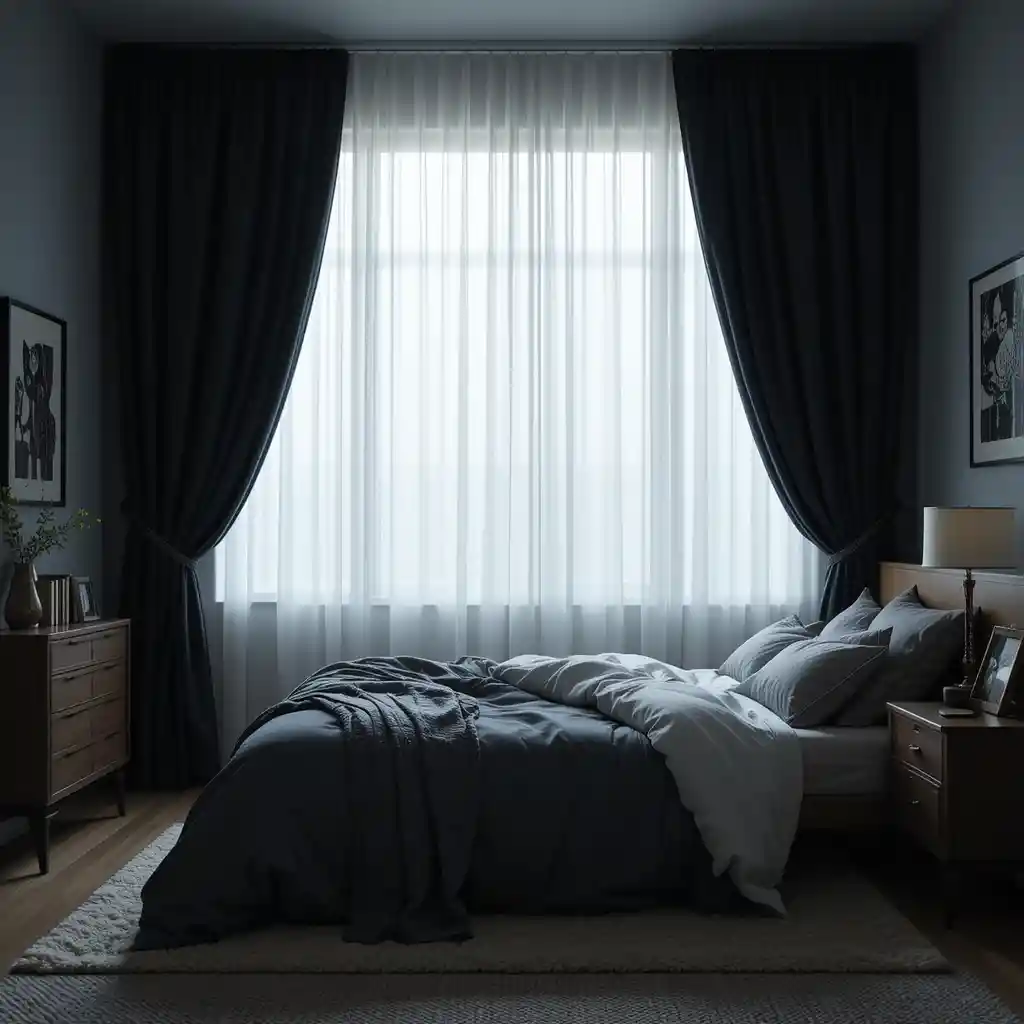
Blackout curtains do the obvious job of blocking light, but they also add a layer of insulation against both temperature and outside noise, which matters more in older homes or rooms facing a street. Look for curtains with a triple-weave or foam-backed lining rather than just a dark-colored fabric, since color alone doesn’t guarantee much light-blocking or insulation. Hanging the rod a few inches above the window frame and slightly wider than the window itself also helps the curtains block more light at the edges once they’re closed.
16. A Rug Needs to Be Sized Correctly to Look Intentional
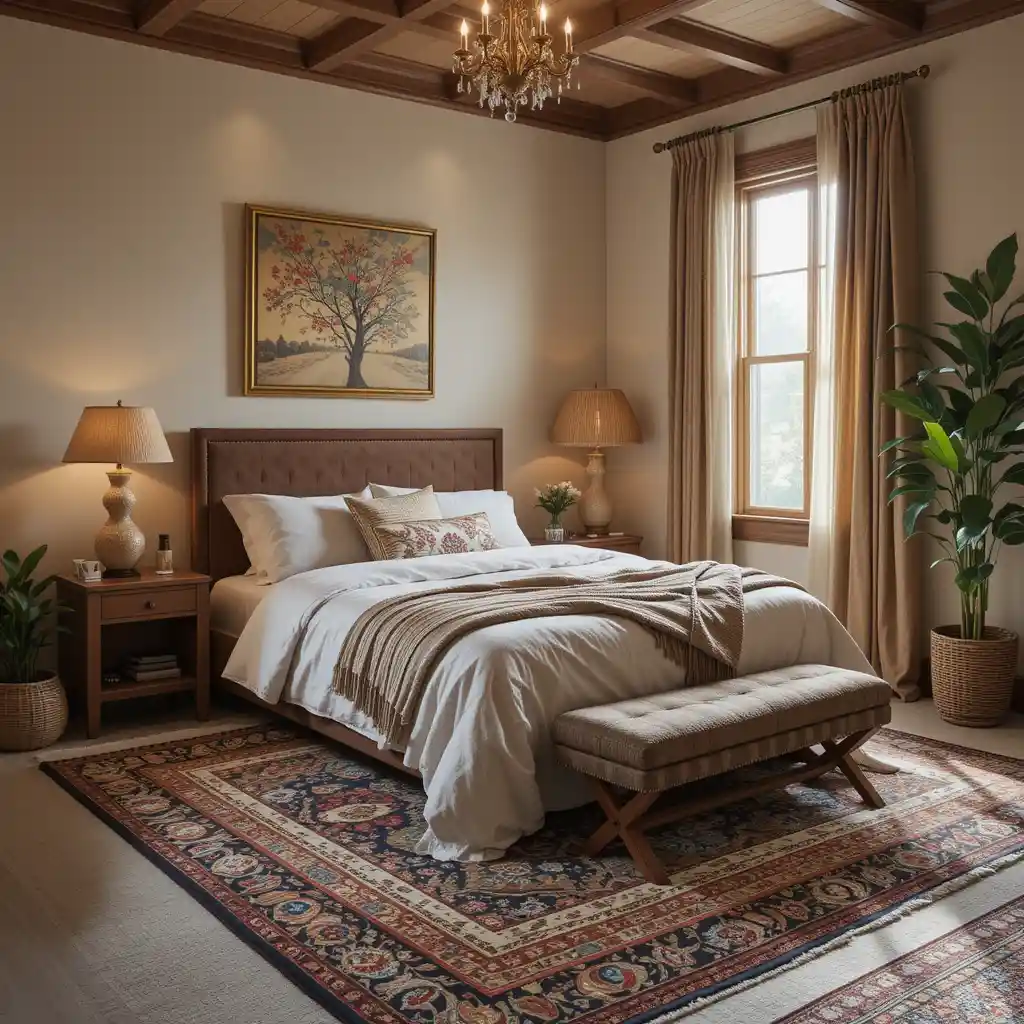
A rug that’s too small for the bed is one of the most common reasons a bedroom looks unfinished rather than cozy, even when every other element is right. As a general guide, the rug should extend at least 18 to 24 inches beyond the sides of the bed so it’s visible on both sides, not just peeking out from underneath or only from one side. Layering a smaller textured rug on top of a larger neutral one adds visual depth and contrast in a way a single rug can’t, and it’s a cheaper way to test a bolder pattern without committing to it across the whole floor and if this won’t look good you can use one of the rug in the living room.
17. intage Pieces Work Best Mixed With Simple, Modern Basics
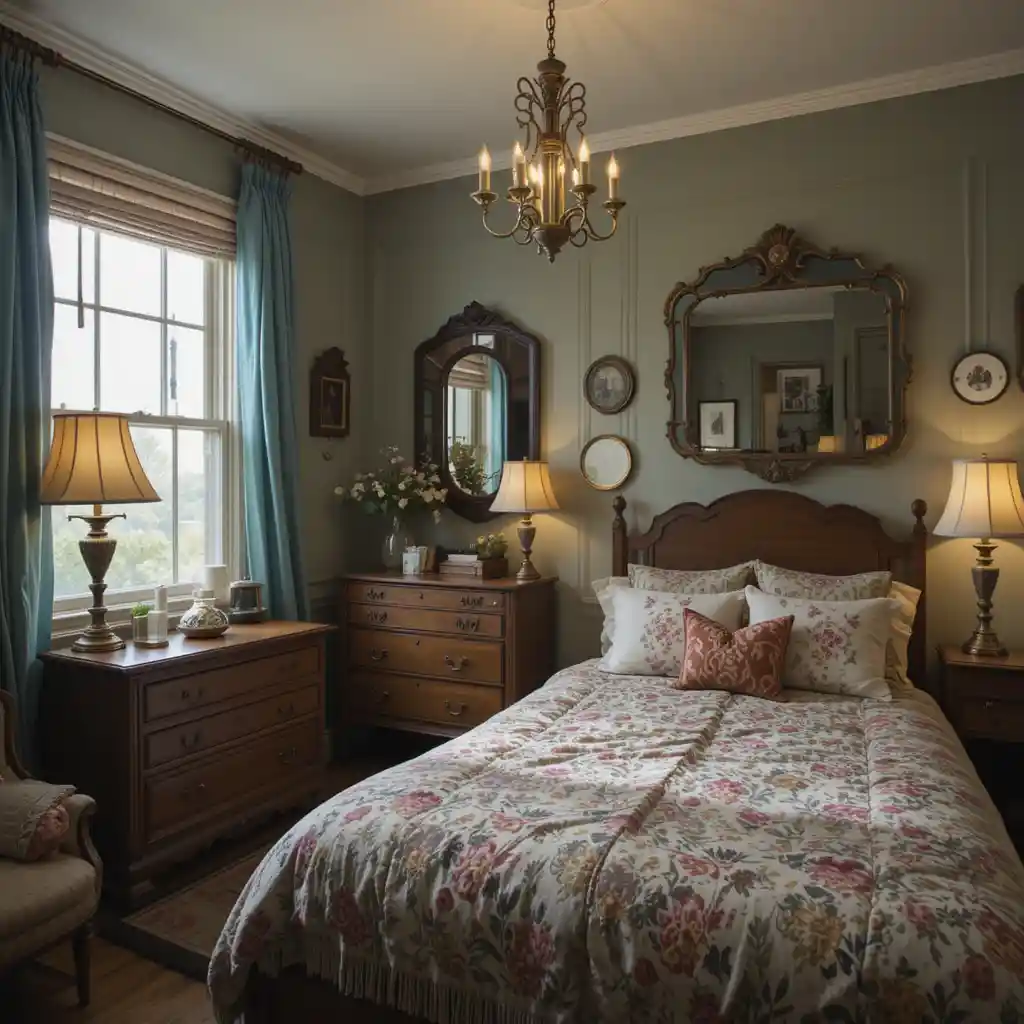
A single vintage mirror, lamp, or side table adds character and a sense of history that brand-new furniture rarely has, but a room full of only vintage pieces can start to feel more like a shop than a bedroom. The better approach is picking one or two standout vintage or thrifted pieces and keeping everything else in the room simple and current, so the vintage item has room to actually stand out. Check hardware and finish condition carefully on secondhand furniture, a great shape with damaged hardware is usually an easy fix, while structural damage often isn’t worth the savings.
18. Create a Bedside Comfort Station
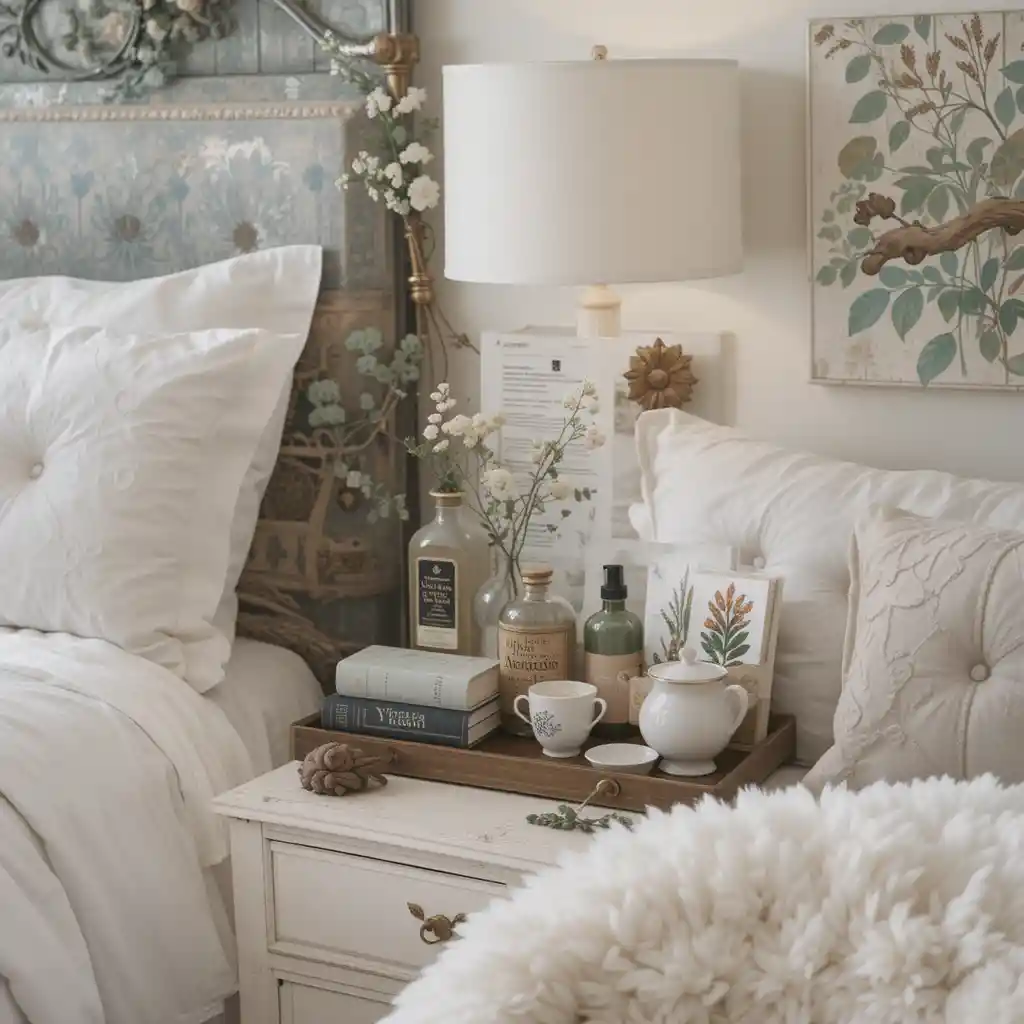
The best bedside setup isn’t just decorative, it should actually remove a small daily friction, like not wanting to get up for water or forgetting where you left your glasses. A small tray with a water glass, hand lotion, and whatever you actually use before bed keeps those items in one place instead of scattered across the nightstand. If you read before sleep, keeping a book and a reading light on the tray as well means you’re not digging through a drawer once you’re already comfortable.
19. Throw Pillows Work in Odd Numbers and Varied Sizes
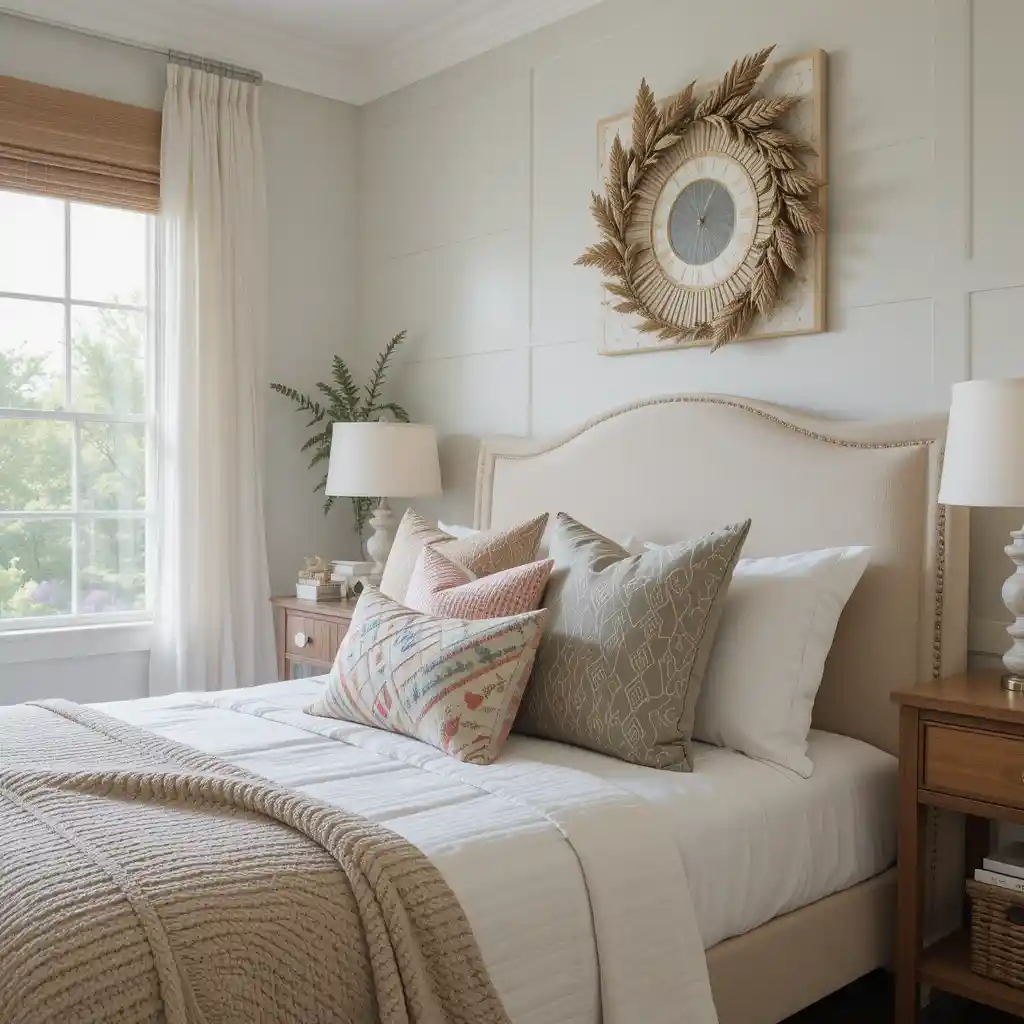
A bed with only matching, same-sized pillows in an even number can look more like a hotel display than a lived-in bed. Mixing two or three different sizes, and using an odd total count (three or five rather than two or four), tends to look more natural and less staged. Swapping just the pillow covers seasonally, rather than buying entirely new pillows, is also the cheaper way to refresh the look every few months.
20. Indoor Plants Need to Match the Room’s Actual Light
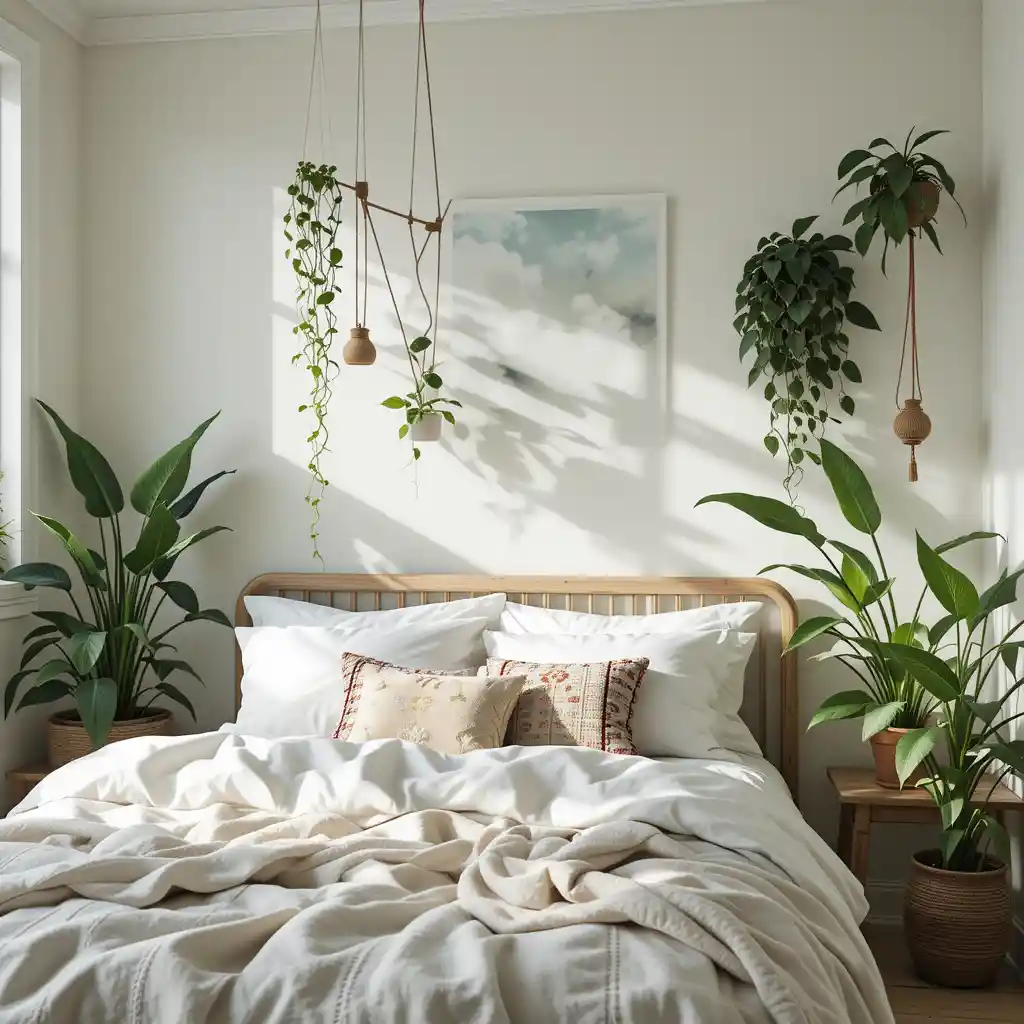
Snake plants, pothos, and peace lilies get recommended constantly for bedrooms because they tolerate lower light better than most houseplants, which matters since most bedrooms don’t get as much direct sun as a living room or kitchen. A plant that needs bright direct light will slowly decline in a dim bedroom no matter how well you water it, so matching the plant to the room’s actual light conditions matters more than picking whatever looks nicest at the store. A single healthy plant does more for the room than three struggling ones spread across different surfaces.
21. Calming Art Depends on Subject, Not Just Color Palette
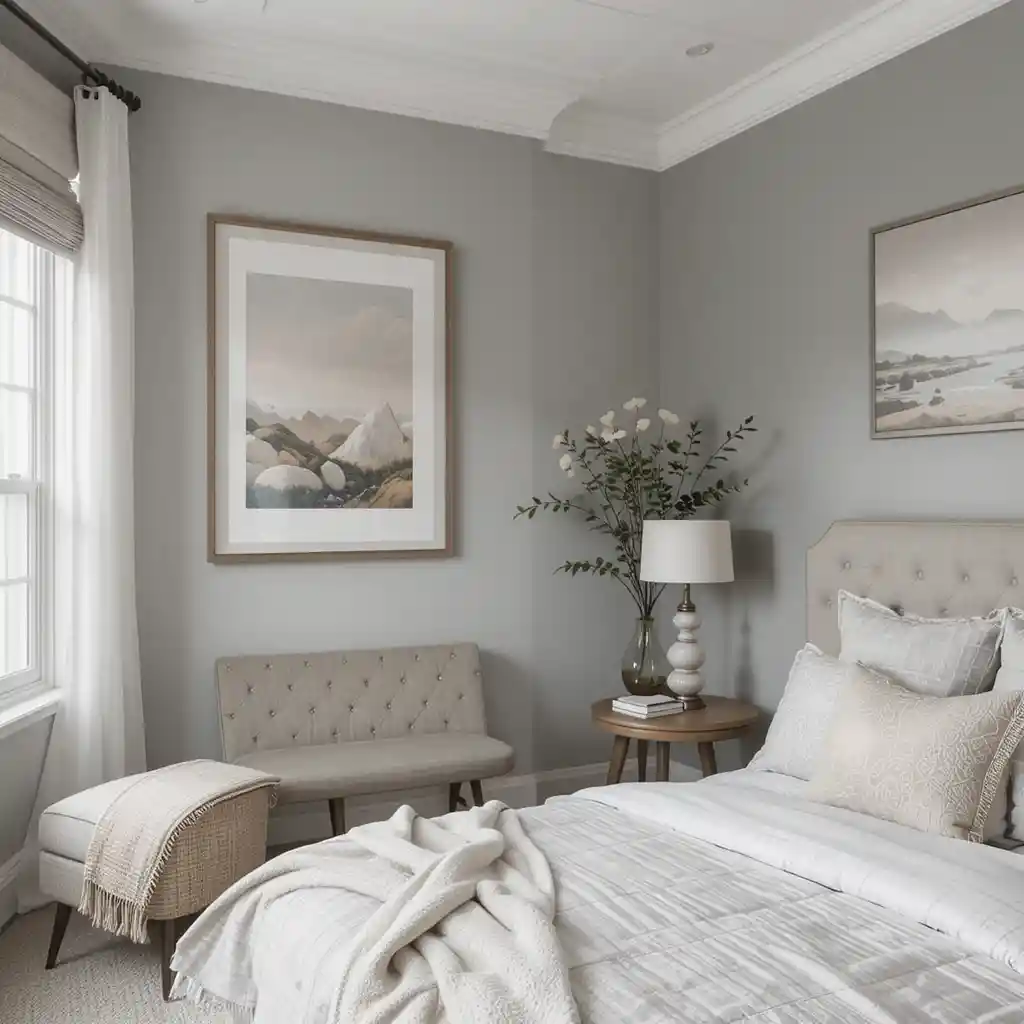
A soft color palette alone doesn’t automatically make artwork feel calming, busy patterns or high-contrast images can still feel visually loud even in muted tones. Landscape photography, simple line drawings, or abstract pieces with soft gradients tend to hold up better over time in a bedroom than anything with a lot of fine detail, since detailed pieces draw the eye and keep it more active rather than letting it rest. Hang art at roughly eye level when seated on the bed, not standing, since that’s the height it’ll actually be viewed from most of the time.
22. Managing Clutter Matters More Than Any Single Decor Choice
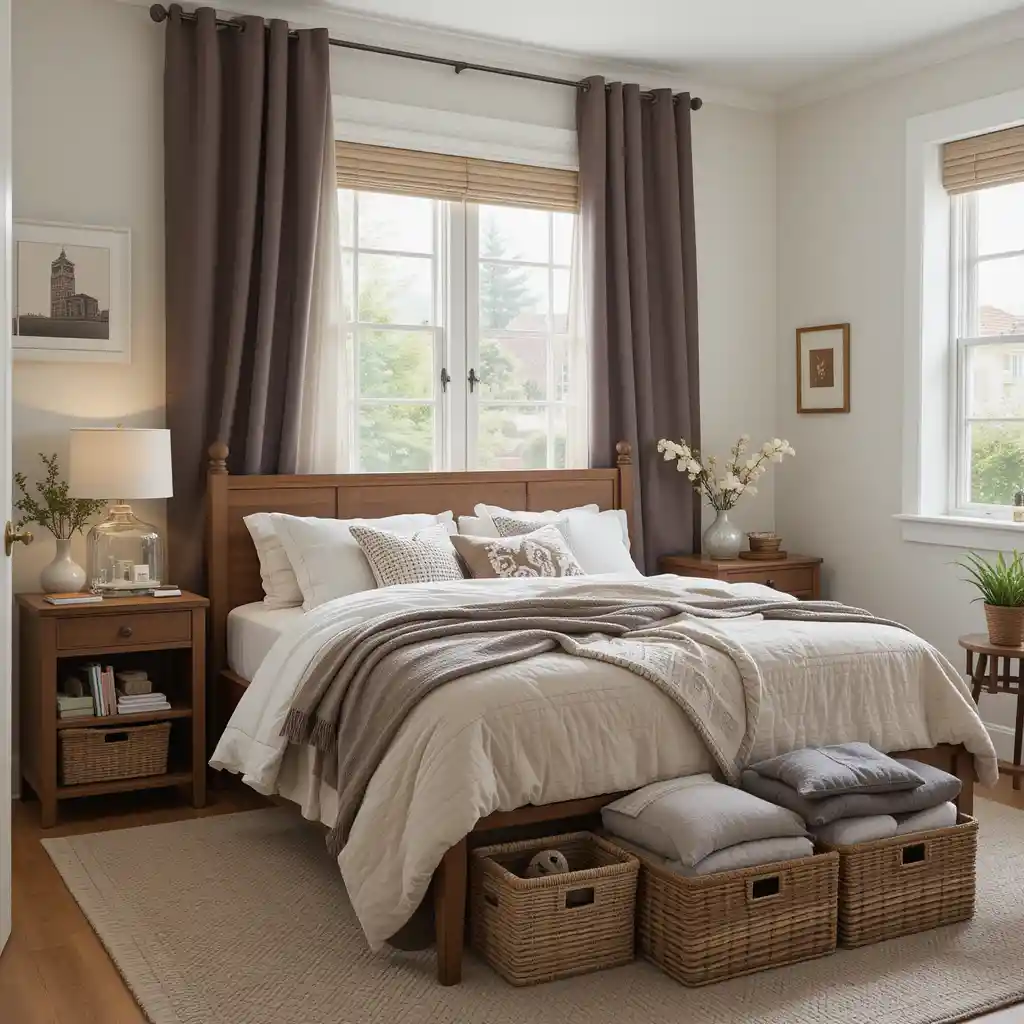
A room can have every idea on this list done well and still feel chaotic instead of cozy if surfaces are covered in clutter. Closed storage, under-bed bins, a nightstand with a drawer instead of an open shelf, a basket for extra blankets — keeps everyday items out of sight without requiring you to get rid of them. This is worth doing before any of the decorative changes above, since a cluttered room undercuts even well-chosen decor.
Frequently Asked Questions
What’s the cheapest way to make a bedroom feel cozy?
Warm-toned bedding and layered lighting are usually the lowest-cost, highest-impact changes. Swapping a harsh overhead bulb for a warm-toned lamp costs very little and changes the entire feel of the room within minutes, no purchases beyond a single bulb required.
What colors make a bedroom feel the coziest?
Warm neutrals (beige, taupe, warm gray) and deep, muted tones (navy, forest green, terracotta) tend to read as cozier than bright or cool-toned colors like stark white or pale blue. The warmth comes from how the color reflects light, not just how “warm” the color looks on a paint swatch.
Should I use a dark accent wall in a small bedroom?
It can work, but it’s safer to limit it to a single wall usually the one behind the headboard rather than using a dark color throughout a small room, where it can make the space feel smaller rather than more intimate.
Do I need to spend a lot of money to make a bedroom feel cozy?
No. Textures, lighting temperature, and reducing clutter make a bigger difference than expensive furniture, and most of the ideas on this list swapping a bulb, adding a throw, decluttering a nightstand cost very little or nothing at all.
Final Thoughts
If you’re only going to do a few things from this list, start with lighting and decluttering before buying any new furniture or decor a room with warm, layered light and clear surfaces already feels more inviting, even before a single throw pillow gets added. From there, layer in textures and a couple of personal touches rather than trying to do everything on this list at once. A cozy bedroom isn’t built in a single weekend of shopping; it’s usually the result of a few well-chosen changes that actually get used, not just displayed.