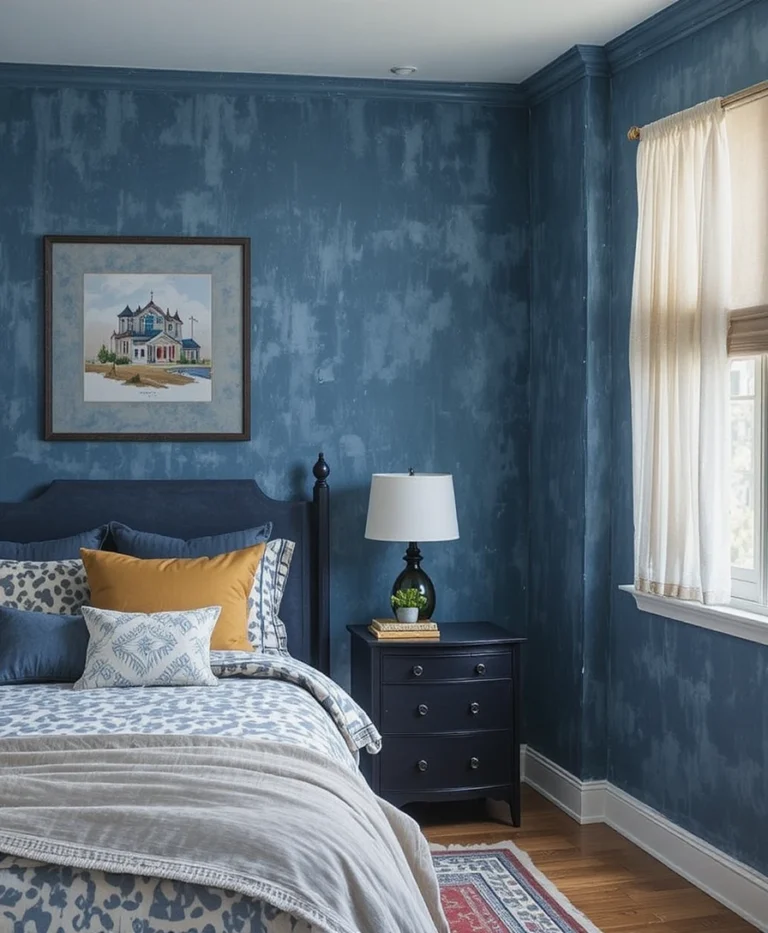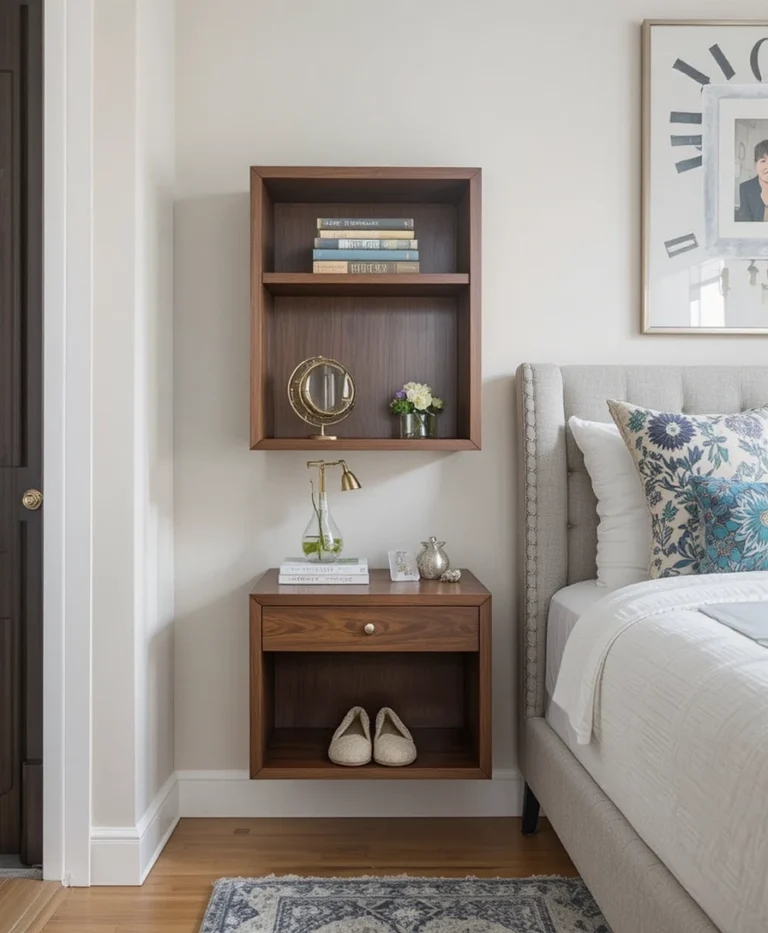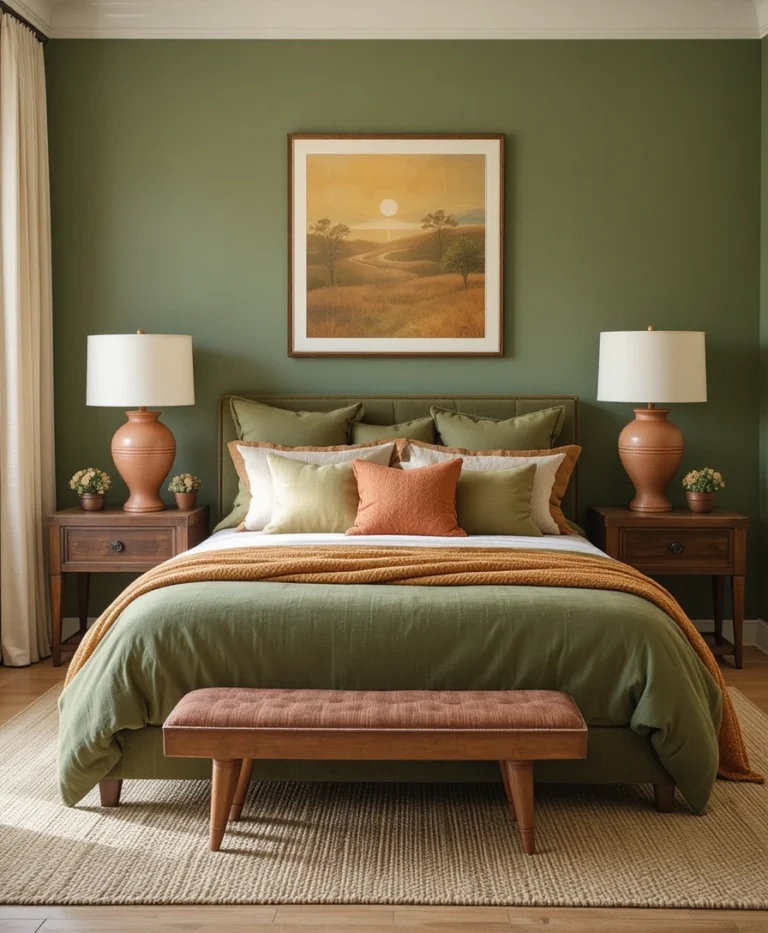

Living in an apartment room comes with a unique set of interior design challenges. Unlike homeowners who can knock down walls, re-tile bathrooms, or repaint every surface at will, apartment renters and compact space dwellers must operate within strict lease boundaries, awkward floor plans, limited natural light, and square footage constraints.
Whether you are decorating a single studio apartment room, styling a dark rental bedroom, or trying to organize a cluttered living space, this comprehensive interior guide breaks down realistic, expert-backed solutions to eliminate apartment decorating frustrations forever.
1. Aesthetic Apartment Rooms: The Design Rules for Rental Spaces
Achieving an aesthetic apartment room is not about purchasing expensive designer furniture; it is about mastering visual cohesion and balance. The biggest mistake renters make when decorating apartment rooms is purchasing disjointed decor items simply because they look cute individually on store shelves. When placed together in a small room, these conflicting styles create visual clutter and chaos.
To create a cohesive aesthetic, start with a unified color foundation. Select one dominant neutral tone (such as warm greige, soft off-white, or subtle cream) for 60% of the room, a secondary accent color (such as olive green, warm terracotta, or soft blue) for 30%, and a metallic/contrast accent (black iron, brushed brass, or natural wood) for the remaining 10%.
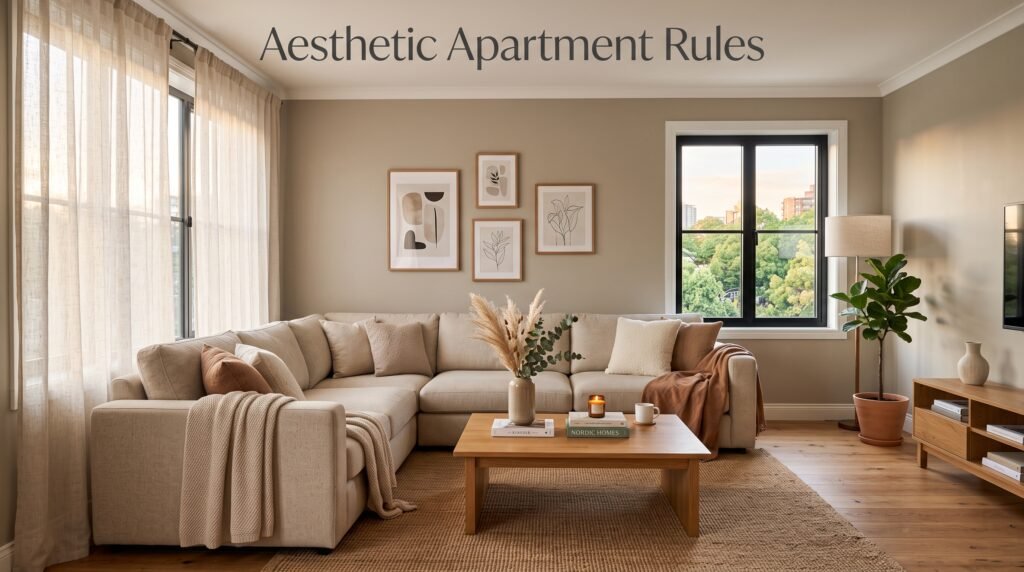
Secondly, layer textures rather than colors to introduce depth. In small apartment rooms, heavy pattern usage can feel overwhelming. Instead, combine smooth oak wood furniture, tactile woven jute rugs, matte ceramic vases, and breathable linen upholstery. This tactical layering creates a rich, sensory experience that feels elevated, peaceful, and intentionally curated without making the room feel crowded.
2. Small Apartment Room Layouts: How to Double Your Floor Space
Cramped spatial footprints are the primary frustration in apartment room living. When floor space is limited, improper furniture placement can completely paralyze room circulation, making simple daily movements feel awkward and restrictive.
The golden rule of small apartment spatial layout is floating furniture and leg exposure. Avoid the instinct to push every piece of furniture flat against the perimeter walls; this actually highlights room boundaries and makes spaces feel smaller. Pulling your sofa or accent chair just 2 to 4 inches away from the wall creates breathing room and visual depth.
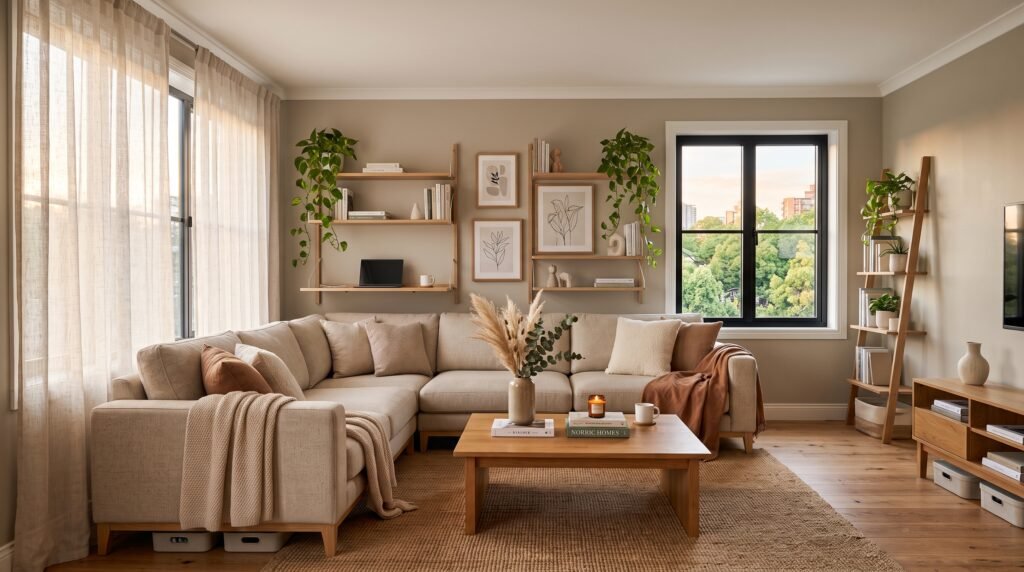
Furthermore, select furniture with exposed, raised legs rather than solid bases that sit flat on the floor. When eyes can see the floor line continuing underneath sofas, beds, and credenzas, the brain perceives the room as larger and airier. Replace bulky, heavy wooden coffee tables with round nesting tables or transparent glass/acrylic options to keep sightlines clear and floor plans open.
3. Cozy Apartment Room Aesthetics: Creating Warmth Without Clutter
Rental apartments frequently feature harsh white paint, cold overhead fluorescent lighting, and synthetic LVP or tile flooring. These building specs often leave apartment rooms feeling clinical, cold, and uninviting.
Building a cozy room aesthetic without introducing messy physical clutter requires focusing entirely on tactile warmth and light temperature. Start by banning harsh overhead lighting during evening hours. Replace main fixtures with ambient table lamps, floor lamps with fabric shades, and warm candle glow.
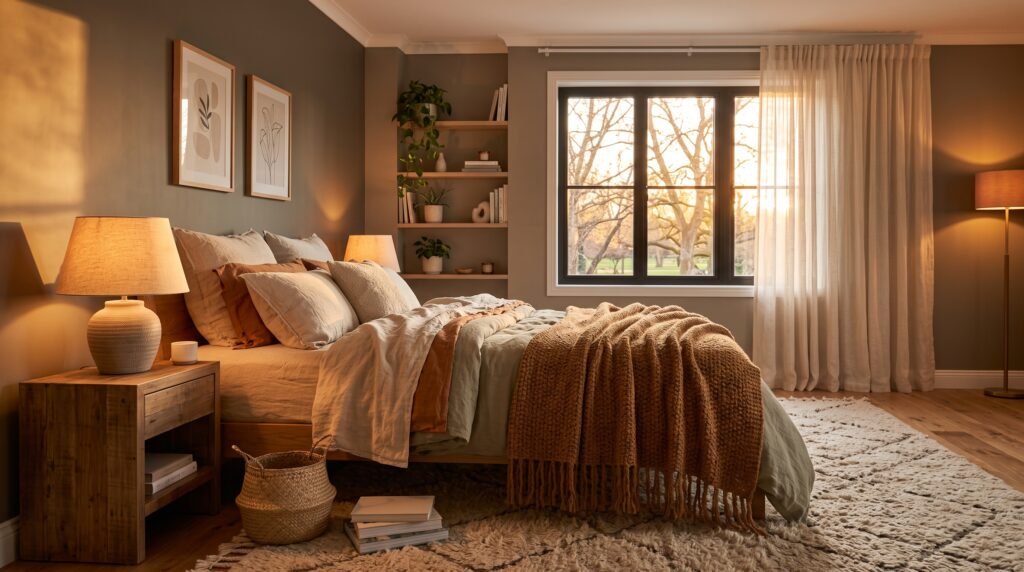
On floors, anchor seating areas with generous, soft area rugs (such as wool or high-pile plush) that extend at least under the front legs of all seating furniture. Layer your bedding and sofas with natural woven throws, washed linen duvet covers, and soft velvet cushion inserts. By prioritizing sensory tactile warmth rather than filling surfaces with plastic knick-knacks, your apartment room transforms into a soothing, cozy sanctuary.
4. Apartment Bedroom Decor: Rental-Friendly Sleeping Sanctuaries
Your apartment bedroom should serve as a peaceful retreat from daily stress. However, renters frequently struggle with awkward bed placements, lack of architectural character, and strict lease prohibitions against permanent wall alterations or built-in headboards.
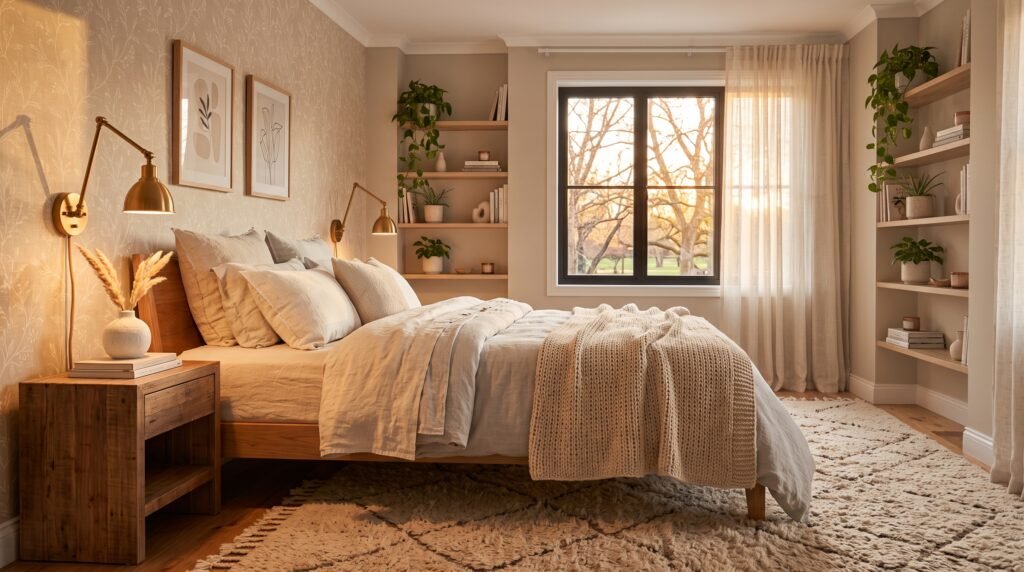
To elevate an apartment bedroom without risking your security deposit, focus on the bed as the main focal anchor. If your rental lacks a built-in headboard, construct a damage-free alternative using upholstered wall panels attached with heavy-duty Command strips, or install removable wood slat decals.
Replace harsh standard flush-mount ceiling lights with plug-in wall sconces positioned on either side of the bed. Hide hanging power cords using paintable wire channels or sleek woven fabric cords. Complete the space by hanging light-filtering sheer drapes paired with blackout curtains to control lighting conditions, guarantee restful sleep, and give your bedroom a high-end hotel ambiance.
5. Apartment Living Room Layouts: Zoning Open-Concept Spaces
Open-plan apartment living rooms often feel like chaotic multi-purpose zones where lounging, dining, and working areas bleed into each other without clear structure or distinction.
The key to mastering open-concept apartment living room layouts is visual zoning. Use distinct area rugs to define individual functional spaces. An 8×10 rug under the sofa and coffee table instantly signals a dedicated lounging zone, separating it visually from an adjacent kitchen or dining corner.
Additionally, position open-back shelving units or low credenzas perpendicular to walls to create gentle room partitions without blocking natural sunlight or airflow. Ensure traffic pathways between zones remain at least 30 to 36 inches wide to maintain comfortable walking circulation throughout the apartment.
6. Budget-Friendly Apartment Decor: High-End Styling Hacks
Achieving a high-end, custom interior designer look in an apartment room does not require a massive financial investment. Luxury design relies heavily on attention to subtle proportion, hardware details, and scale.
One of the most effective budget styling hacks is upgrading standard builder-grade hardware. Replace cheap plastic or basic chrome cabinet knobs and drawer pulls on rental furniture and kitchen cabinets with modern solid brass or matte black hardware. Store the original hardware in a labeled bag so you can easily reinstall it before moving out.
Another high-impact budget trick is scaling up wall artwork. Instead of hanging multiple tiny, mismatched frames that create visual noise, invest in one or two oversized framed prints. Large-scale art commands attention, grounds the room, and instantly raises the perceived value of your apartment decor.
7. Studio Apartment Room Design: Maximize 1-Room Layouts
Living in a studio apartment room means your sleeping, working, living, and cooking spaces all exist within a single enclosed room footprint. Without strategic layout planning, studio apartments quickly feel messy and chaotic.
To create a functional studio room layout, prioritize sleeping privacy first. Place your bed in the furthest corner away from the front entryway. Shield the bed using ceiling-tracked sheer drapes, a folding rattan room screen, or a double-sided open bookcase (such as the classic IKEA Kallax).
Keep furniture silhouettes low to the ground to maintain an open feeling throughout the upper half of the room. Choose a streamlined sofa, low-profile bed frame, and wall-mounted drop-leaf table that can double as a desk or dining table. By maintaining clear sightlines across the top half of the room, your studio feels open and airy rather than cramped.
8. Apartment Room Lighting Hacks: Ditch Harsh Overhead Fixtures
Standard rental lighting is notoriously unflattering. Most apartments come equipped with cheap ceiling lights or cold fluorescent fixtures that cast harsh shadows, wash out wall colors, and drain rooms of warmth.
To transform your apartment room atmosphere, adopt the 3-Tiered Lighting Strategy. Never rely on a single central light source. Instead, position lights across three distinct vertical heights: high (ceiling/pendant), eye-level (floor lamps and sconces), and low (table lamps and accent uplights).
Always equip lighting fixtures with warm LED bulbs rated at 2700K to 3000K (Kelvin). Warm color temperatures mimic soothing golden-hour sunlight, making wall paint look richer and creating a comfortable, relaxing ambiance in the evening. Utilize smart dimmable plugs or wireless rechargeable puck lights inside bookshelves and under kitchen cabinets for effortless lighting control.
9. Small Apartment Storage Hacks: Clutter-Free Living Solutions
Clutter is the ultimate enemy of small apartment rooms. When closet space is minimal or non-existent, personal belongings spill over onto visible room surfaces, instantly destroying your interior aesthetic.
The solution to apartment storage constraints is exploiting unused vertical and hidden space. Utilize the space underneath your bed frame by investing in long rolling storage bins or a hydraulic lift bed frame. This hidden zone is perfect for storing off-season clothing, extra bed linens, and luggage.
Additionally, invest in dual-purpose furniture pieces. Select living room ottomans with built-in storage lids, hollow coffee tables, and bed frames with built-in headboard shelving. On walls, install vertical floating shelves, hanging pegboards, and over-the-door storage organizers to keep floor space completely clear.
10. Small Apartment Balcony Design: Outdoor Oasis Hacks
Balconies in compact apartments frequently become neglected utility corners filled with laundry drying racks, air conditioning condensers, and forgotten storage boxes.
Reclaim your small balcony by turning it into a functional outdoor lounge nook. First, cover plain concrete balcony floors with interlocking weather-resistant wooden deck tiles. These snap together in minutes without tools or adhesives, instantly warming up cold concrete.
To maximize limited floor space, avoid bulky outdoor patio chairs. Instead, install a rail-mounted folding bistro bar table paired with slender folding bar stools. Add vertical wall planters or hanging railing pots to grow fresh herbs and greenery, and finish with outdoor string lights or solar-powered lanterns for cozy evening ambiance.
11. Apartment Home Office Setups: Nooks, Cloffices, & WFH Solutions
With remote work now a permanent fixture of modern professional life, establishing a dedicated home office setup within an apartment room has become essential. However, setting up a clunky office desk in the middle of a small living room or bedroom disrupts your relaxing home environment.
The most efficient WFH solution for small apartments is the nook or cloffice (closet office) conversion. If you have an underutilized hallway closet or an awkward architectural nook, remove the interior doors and install a wall-mounted desktop shelf at a ergonomic height (28 to 30 inches from the floor).
Add vertical shelving above the desk to store office supplies, laptops, and paperwork. Use woven cord sleeves or adhesive cable channels to completely hide ugly computer power wires. When your workday ends, tuck your desk chair under the nook or close a decorative curtain over the cloffice to maintain a clear boundary between work and personal life.
12. Renter-Friendly Wall Decor: Damage-Free Accent Walls
Blank, plain rental walls can make an apartment feel temporary and cold. However, many landlords enforce strict lease clauses prohibiting tenants from painting walls or drilling heavy anchor holes into drywall.
Fortunately, modern temporary decor solutions allow renters to build bold accent walls without risking damage. Peel-and-stick wallpaper is a game-changer for renters. Made from removable vinyl adhesive, it allows you to introduce geometric patterns, botanical prints, or faux wood textures to an accent wall, coming off cleanly without stripping underlying paint when moving out.
For a lighter alternative, hang large-scale woven fabric tapestries or lightweight canvas art using heavy-duty adhesive hooks. You can also create a gallery wall using lightweight wooden frames secured with Command picture-hanging strips. This adds personality and color to plain rental walls without drilling a single hole.
13. Apartment Room Neutral Color Palettes: Painting & Palette Secrets
Selecting paint colors for apartment rooms requires understanding how light interacts with compact spaces. Stark, pure builder whites can make rooms feel cold and shadowy, while dark hues can absorb light and make small rooms feel like cramped caves if applied incorrectly.
The sweet spot for apartment room paint palettes is warm greiges and soft off-whites with an LRV (Light Reflectance Value) between 60 and 72. Colors within this LRV range reflect natural light effectively without washing out under direct sunlight or looking cold in dim shadows.
Avoid Expensive Paint Mistakes: Read the Full LRV & Undertones Breakdown Here
LRV 85+
Often looks stark or clinical in low-light environments.
LRV 60-72
Reflects ambient light effectively while adding cozy depth.
LRV <30
Absorbs light heavily; requires high lumen artificial fixtures.
Pair warm greige walls (such as Sherwin-Williams Accessible Beige or Benjamin Moore Revere Pewter) with crisp white trim paint (such as SW Extra White). This subtle contrast adds crisp architectural structure to plain apartment walls, making low ceilings look higher and small room layouts feel refined.
Explore Our Ultimate Guide to Sherwin-Williams Neutral Paint Colors to find the best curated shades, expert tips, and quick solutions for a modern home.
14. Small Apartment Dining Ideas: Drop-Leaf & Nook Solutions
Dedicated dining rooms are increasingly rare in modern apartment floor plans. Renters are often forced to choose between eating meals on their living room sofa or sacrificing valuable floor space for a bulky dining table setup.
To create a functional dining nook in a compact apartment room, utilize space-saving furniture designs. Wall-mounted drop-leaf tables fold completely flat against the wall when not in use, instantly freeing up floor space for daily activities.
If you prefer a permanent table, choose a round bistro table rather than a square or rectangular option. Round tables eliminate sharp corners that block walking pathways, improving spatial circulation in tight quarters. Pair the table with armless dining chairs or a corner banquette bench with built-in storage underneath for cushions and table linens.
15. Warm Minimalist Apartment Rooms: Serene, Uncluttered Spaces
While traditional minimalism can sometimes feel cold, clinical, and museum-like, Warm Minimalism combines clean lines and uncluttered surfaces with rich natural textures, warm wood accents, and cozy ambient lighting.
To execute a warm minimalist apartment room style, pare down your room decor to functional, high-quality statement pieces. Instead of displaying dozens of small trinkets on open shelves, display three large sculptural clay vases or a single dramatic wooden bowl.
Invest in furniture made from warm, natural materials such as light oak, bouclé fabrics, matte plaster, and unbleached linen. Keep color palettes muted, utilizing tonal shades of beige, warm cream, soft taupe, and subtle terracotta. This balance creates a clean, serene environment that feels deeply relaxing, warm, and inviting.
16. $100 Budget Apartment Makeover: High-Impact DIY Upgrades
Transforming an apartment room does not require a large budget. With strategic DIY choices, you can achieve a remarkable room makeover for under $100.
Start your budget makeover by refreshing thrifted or builder-grade items with matte black or satin brass spray paint. Spray painting outdated floor lamp bases, picture frames, and cabinet knobs instantly modernizes their appearance for a fraction of the cost of buying new items.
Next, refresh tired laminate countertops, coffee tables, or desk surfaces using marble or wood-grain contact paper. Modern high-quality peel-and-stick films are waterproof, durable, and easily peel off when moving out. Finish your budget update by swapping worn pillow covers with textured linen cushion covers, giving your sofa an instant luxury upgrade.
17. Brightening Dark Apartment Rooms: Overcoming Low Natural Light
Living in a dark basement apartment room or a north-facing unit with small windows can feel gloomy and depressing. Low light levels make spaces feel cramped, shadow-filled, and cold.
To brighten a dark apartment room without adding new windows, rely on optical light amplification. Place a large floor-length mirror or arched wall mirror directly opposite your room’s primary light window. This reflects incoming sunlight deep into dark interior corners, visually doubling natural brightness.
Avoid heavy, dark velvet window drapes that absorb natural light. Instead, install lightweight, semi-sheer linen drapes hung high above the window frame. Paint trims and window sills with a semi-gloss sheen paint finish to maximize light bounce across wall surfaces.
18. Apartment Curtain Hacks: Creating High Ceiling Illusions
Standard rental apartments frequently feature low 8-foot ceilings, making rooms feel squat and compact. Hanging curtains improperly is one of the most common decorating mistakes renters make, visually cutting rooms in half.
To create the optical illusion of soaring 10-foot ceilings, adopt the “High and Wide” curtain rule. Mount your curtain rod high—roughly 2 to 4 inches below the ceiling crown or ceiling line—rather than directly on top of the window trim.
Extend the curtain rod 6 to 12 inches wider than the window frame on both sides. This allows drapery panels to rest completely outside the glass when open, maximizing incoming natural light while drawing eyes upward to create dramatic vertical height.
19. Low-Light Apartment Houseplants: Natural Greenery Decor
Bringing living houseplants into an apartment room introduces organic color, purifies indoor air, and breaks up rigid architectural lines. However, low light levels in apartments leave many renters struggling with dying plants.
Select hard-to-kill, low-light houseplant varieties specifically suited for indoor apartment conditions. The Snake Plant (Sansevieria) and ZZ Plant (Zamioculcas Zamiifolia) are virtually indestructible, thriving in dim rooms with minimal watering needs.
For trailing shelf accents, pick Pothos or Heartleaf Philodendron plants. Display trailing vines on top of high bookshelves, floating wall shelves, or hanging macramé planters. Group plants in odd-numbered clusters (such as sets of 3) using terracotta, matte ceramic, and woven seagrass planters to add rich organic texture to your apartment decor.
20. Small Apartment Entryways: Functional Foyer Drop Zones
The entryway is the first space you experience when entering your apartment room, setting the visual tone for the rest of your home. Yet, in compact apartments, front entrances often open directly into a living room or kitchen without a defined foyer, resulting in cluttered piles of shoes, coats, keys, and mail.
Create a functional entryway drop zone using slim, space-saving furniture solutions. Install an ultra-slim shoe cabinet (such as the IKEA Trones or Bissa) that mounts flush against hallway walls, occupying less than 7 inches of floor depth while concealing footwear clutter.
Mount a round decorative wall mirror directly above the shoe cabinet to anchor the entry zone visually and catch light. Add a small ceramic tray for keys and wallet storage, alongside a row of wall-mounted brass hooks for coats, hats, and bags. This transforms an awkward entrance into an organized, stylish entryway drop zone.
Frequently Asked Questions (FAQs)
Q1: How can I make a small apartment room look bigger without painting?
To make a small apartment room feel larger without painting, use light-reflecting strategies and floating furniture layouts. Place a large floor-length mirror directly opposite a window to bounce natural daylight deep into the room. Choose low-profile furniture with raised, exposed legs so the floor line remains visible, and hang light-colored, floor-length linen drapes high near the ceiling to create dramatic vertical height.
Q2: What is the best paint LRV for dark apartment rooms?
The optimal Light Reflectance Value (LRV) for dark or north-facing apartment rooms is 60 to 72. Paint colors within this mid-to-high LRV range—such as warm greiges and soft off-whites—reflect available light effectively without looking stark, clinical, or washed out under low natural lighting conditions.
Q3: How do I decorate my rental apartment without losing my security deposit?
Focus strictly on damage-free, temporary decor techniques:
Use peel-and-stick vinyl wallpaper for accent walls instead of traditional paint.
Hang gallery wall frames, art canvas, and lightweight mirrors using heavy-duty Command picture-hanging strips.
Install plug-in wall sconces with paintable adhesive cord covers instead of hardwiring light fixtures.
Upgrade builder-grade cabinet hardware with modern knobs, keeping the original screws in a labeled bag to reinstall before moving out.
Q4: How do you zone a studio apartment without building walls?
You can create functional zones in a studio apartment using three primary non-structural dividers:
Area Rugs: Anchor distinct functional areas (e.g., placing an 8×10 rug under the sofa for lounging and a separate woven mat under the dining desk).
Open-Back Bookshelves: Position an open shelf (like an IKEA Kallax) perpendicular to the wall to separate your bed from the living area without blocking light.
Ceiling-Track Curtains: Mount a lightweight curtain track to the ceiling to drape sheer fabric around the sleeping area for privacy.
Q5: How can I make harsh fluorescent rental lighting feel cozy?
Ditch central overhead lighting during evening hours and adopt a 3-tiered ambient lighting setup. Replace cold ceiling bulbs with 2700K warm LED bulbs, and add lighting at three vertical levels: high (floor lamps with fabric shades), eye-level (table lamps or wall sconces), and low (under-cabinet LED strip lights). Warm light temperatures instantly eliminate shadows and create a soothing glow.
Q6: What type of furniture works best for tiny apartment living rooms?
Multifunctional and scale-proportional furniture is essential for small living rooms. Opt for:
Storage Ottomans: Function as a coffee table, extra seating, and hidden storage for blankets.
Nesting Tables or Glass Coffee Tables: Glass/acrylic tops keep sightlines clear, while nesting tables can be tucked away when floor space is needed.
Raised-Leg Sofas: Streamlined sofas with slender wooden or metal legs prevent the space from looking weighed down.
Q7: How do I prevent my beige or greige walls from looking pink or yellow?
Paint undertones react heavily to flooring and room orientation:
To avoid pink undertones: If you have warm oak or LVP floors, avoid beige paints with red/magenta bases; opt for a green-based warm greige instead.
To avoid yellow undertones: In warm south-facing sunlight, select neutral greiges with subtle gray undertones rather than heavy yellow oxide bases. Always perform the Isolation Test using a movable sample board across 4 daily sun angles before painting.
Q8: What is the easiest $100 budget makeover for a plain apartment room?
A high-impact $100 makeover includes three core DIY steps:
Spray Paint Hardware ($12–$15): Refresh cabinet knobs, lamp bases, and thrifted frames using matte black or satin brass spray paint.
Peel-and-Stick Film ($25–$30): Cover dated laminate counters, coffee tables, or desk tops with removable marble-grain contact paper.
Textile & Art Swap ($50–$60): Replace tired pillow covers with warm linen cushion covers and print large-scale thrifted digital art prints for your main wall.
Summary & Action Plan for Renters
Transforming an apartment room into a stylish, functional home comes down to executing smart spatial strategies rather than relying on heavy construction. By leading with clear visual visual pins and matching them directly with targeted interior solutions, you eliminate decor confusion and build an elevated, cohesive living space.