
I have spent the better part of a decade inside some of the most beautifully curated homes, and if there is one design element I consistently advocate for, it is the transformation of overlooked architectural features into functional retreats. Many of my clients initially view their windows as mere sources of light, but I see them as the canvas for the perfect escape.
Designing window reading nooks is not just about placing a cushion on a ledge; it is about crafting a sanctuary that invites you to pause, breathe, and lose yourself in a story. Whether you are working with a tight urban apartment or a sprawling suburban living room, these spaces are the ultimate luxury.
Quick Reference Guide: Choosing Your Style
Before you start tearing out drywall or buying lumber, you need the right setup. I always tell my clients that precision is the difference between a amateur DIY job and a professional finish.
Support Framing: Use 2×4 kiln-dried lumber for the base frame to ensure it can hold the weight of an adult.
Depth Requirements: A minimum of 24 inches of depth is required for a comfortable seat, but I prefer 30 inches if space permits.
Height Considerations: Aim for 18 inches off the floor, which is the standard height for most chairs and makes for an effortless transition.
Foam Density: Always specify High-Resiliency (HR) foam with a density of at least 1.8 lbs per cubic foot to prevent sagging over time.
1. The Minimalist Floating Platform
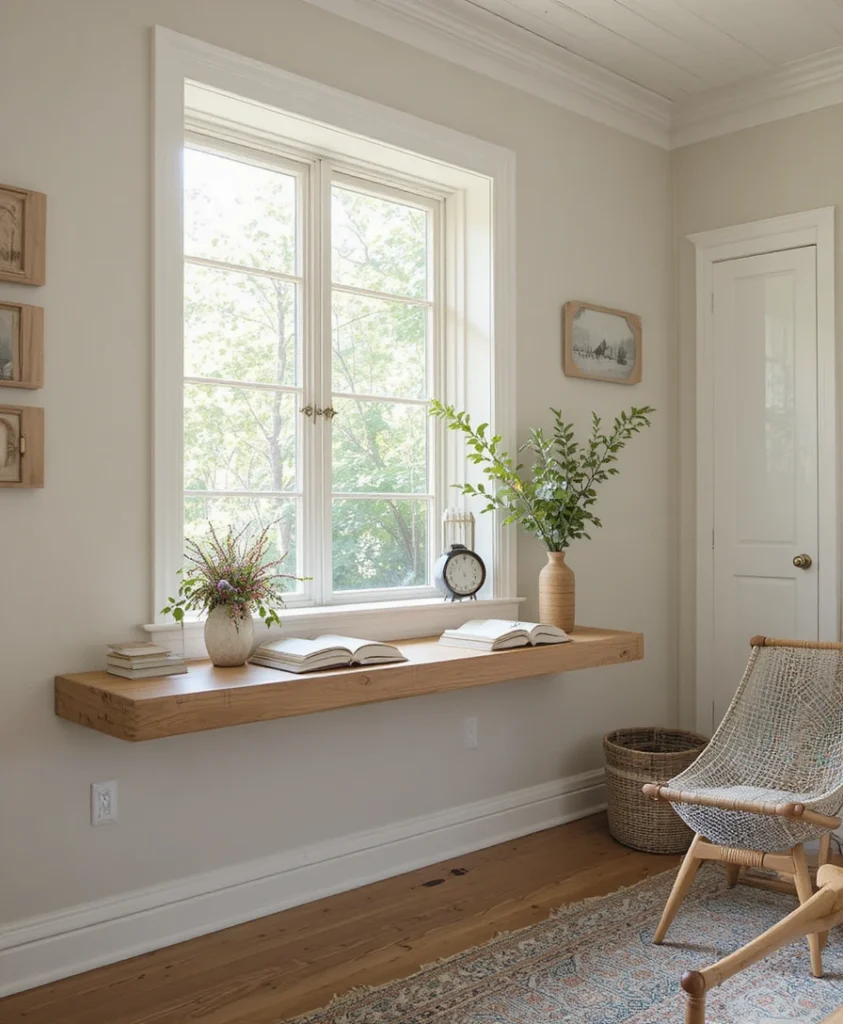
I am a huge fan of the floating look because it creates the illusion of more floor space, which is critical in smaller homes. By mounting a thick, solid wood slab directly into the wall studs, you create a seamless, airy vibe that feels incredibly modern. It avoids the heaviness of cabinetry and keeps the room feeling light and expansive.
2. Built-in Bookcase Enclosure
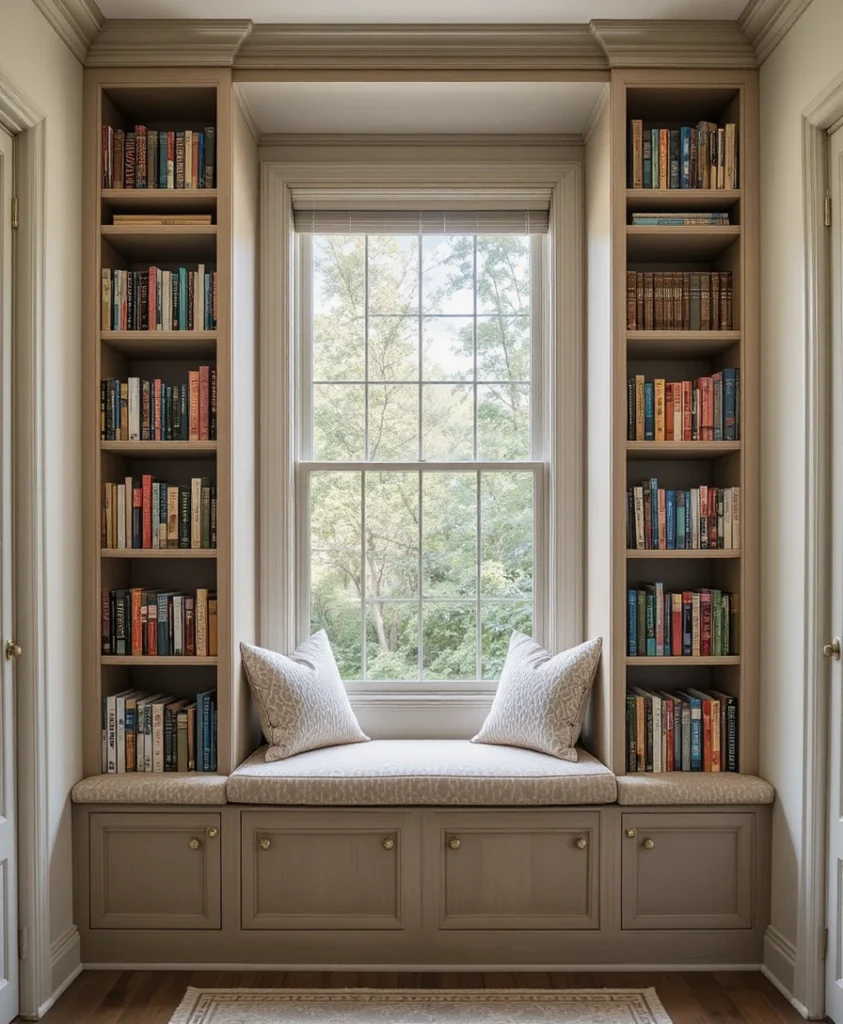
Nothing beats the character of floor-to-ceiling shelves flanking your window seat. I design these with deep shelves on either side, effectively creating a “frame” for the window that makes you feel cradled while you read. It is the perfect way to display your collection while keeping your favorite novels within arm’s reach.
3. The Velvet Bay Window Sanctuary
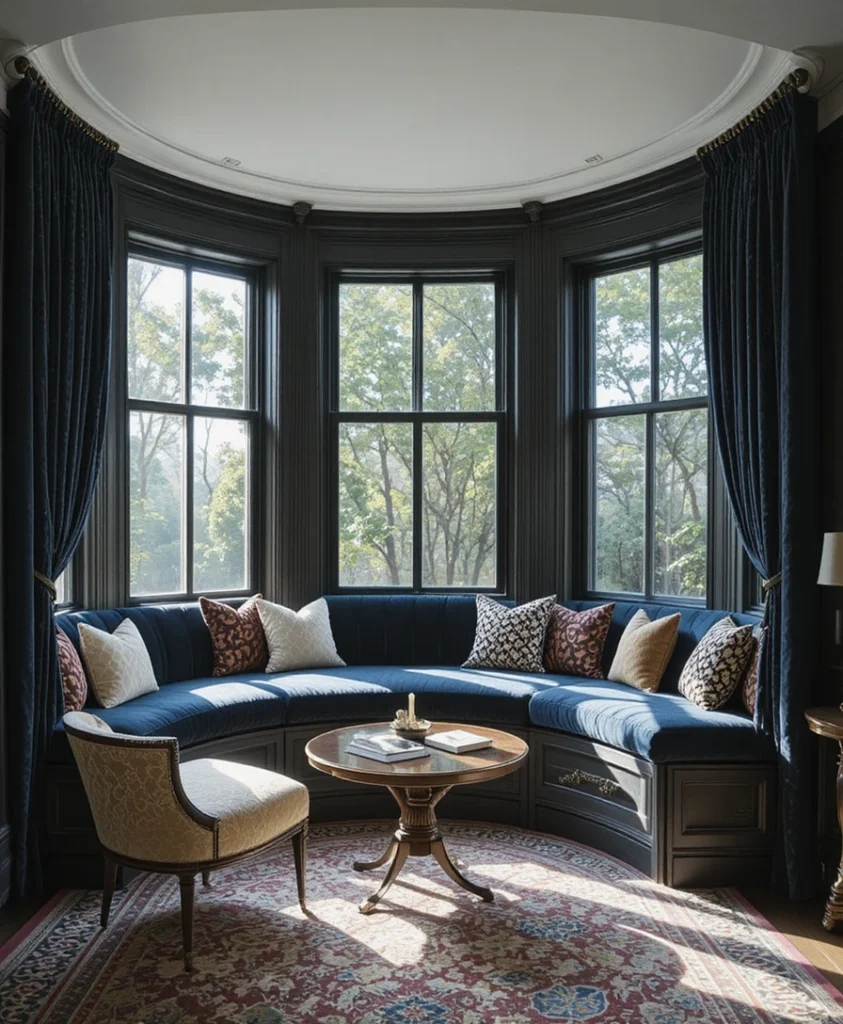
If you are lucky enough to have a bay window, you already have the foundation for a masterpiece. I always recommend upholstering the entire seat in a high-quality, jewel-toned velvet to turn the area into a focal point of drama and comfort. The contrast between the sunlight streaming in and the rich texture of the fabric is simply unmatched.
4. Hidden Storage Drawers
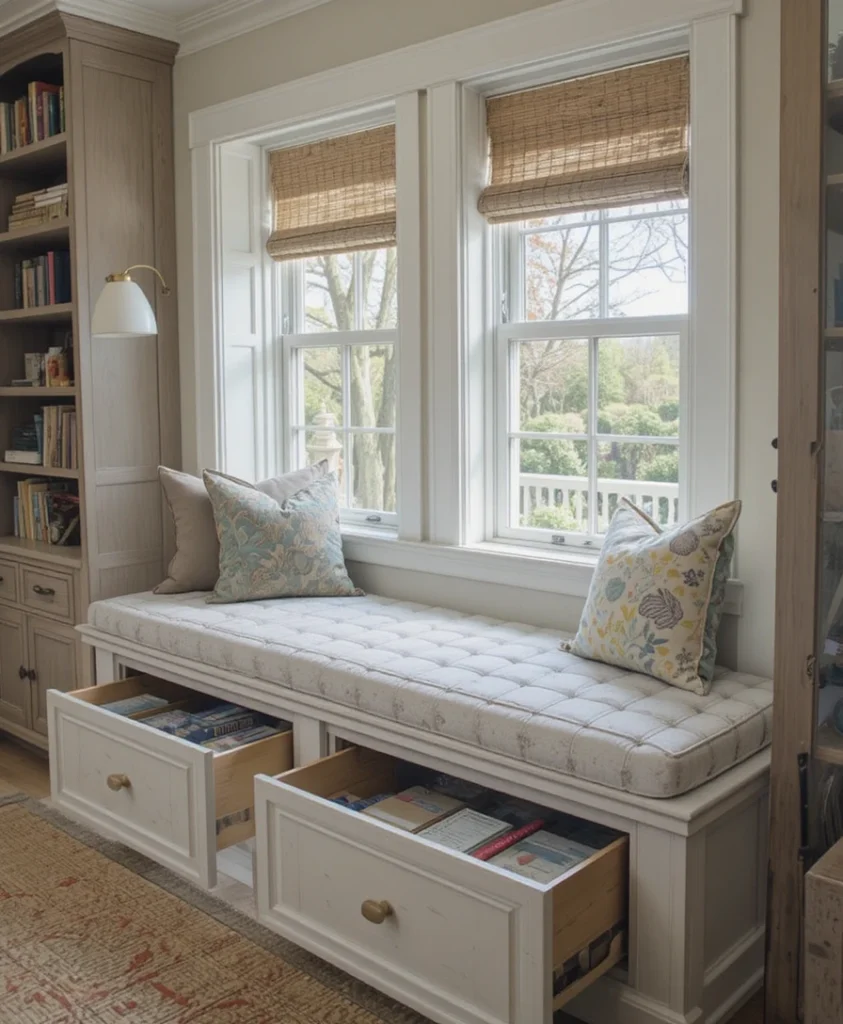
Space is always at a premium in my designs, so I never miss an opportunity to utilize the underside of a bench. By integrating deep, pull-out drawers directly into the base of the seat, you gain massive storage for blankets, seasonal pillows, or extra books. It turns a simple sitting area into a highly functional piece of smart furniture.
5. The Industrial Steel Frame Nook
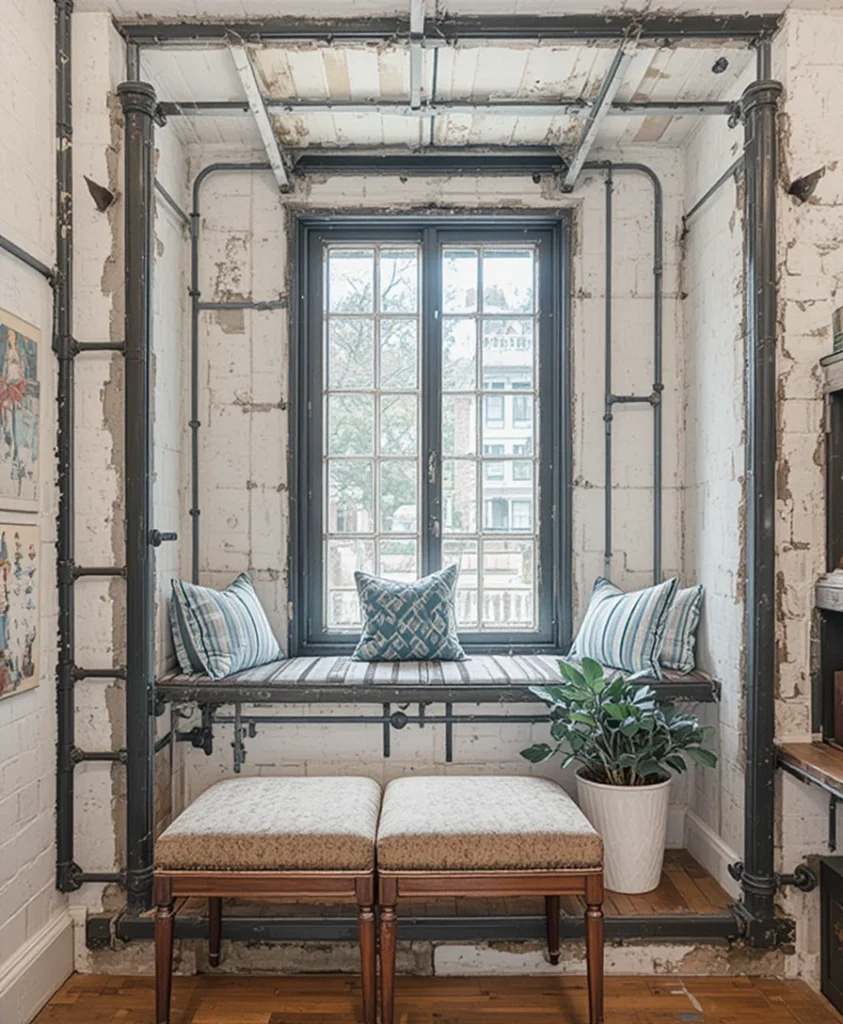
For those who prefer a sharper, more masculine aesthetic, I suggest using raw, powder-coated steel to construct the frame of your window seat. This works beautifully in converted lofts or industrial-style homes, providing a rugged, durable edge to an otherwise soft space. The juxtaposition of cold metal and warm textiles is a design choice I find constantly rewarding.
6. Shutter-Style Privacy Alcove
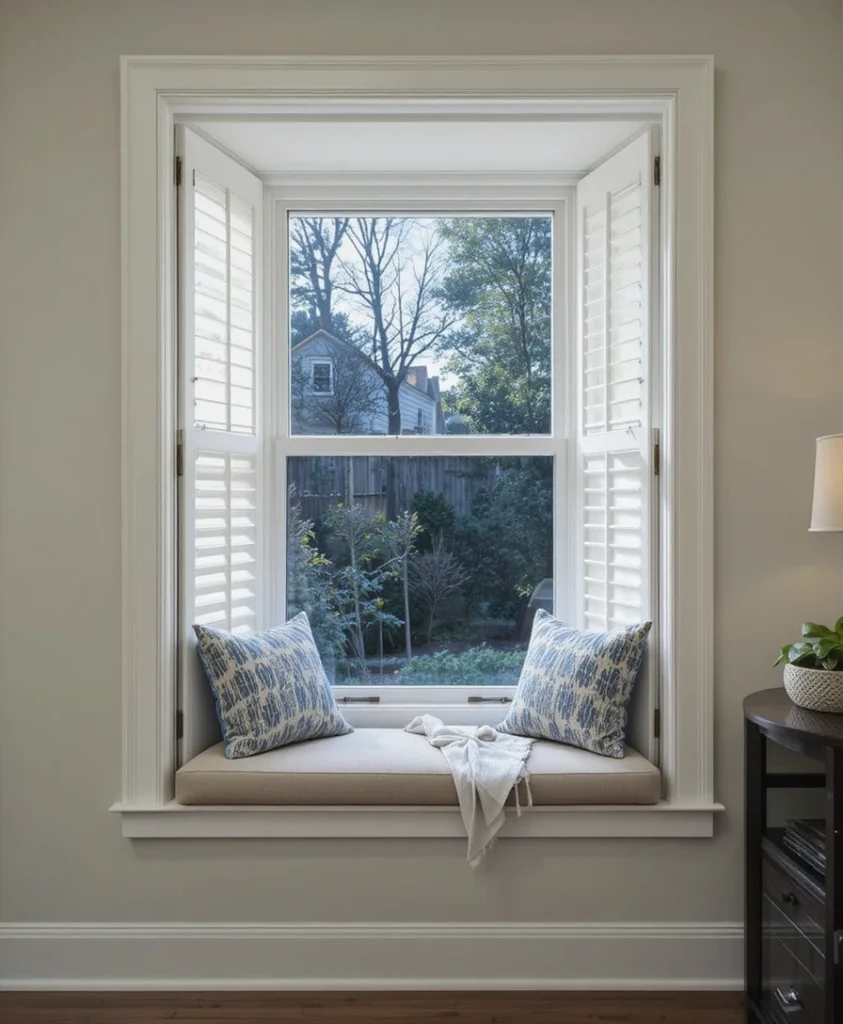
I often work with windows that face high-traffic areas or neighbors, which can make reading feel exposed. Adding bi-fold, plantation-style shutters inside the window recess allows you to control exactly how much light and privacy you have. When closed, it creates a dark, quiet cocoon that is perfect for late-night reading sessions.
7. The Sun-Drenched Floor Cushion Bed
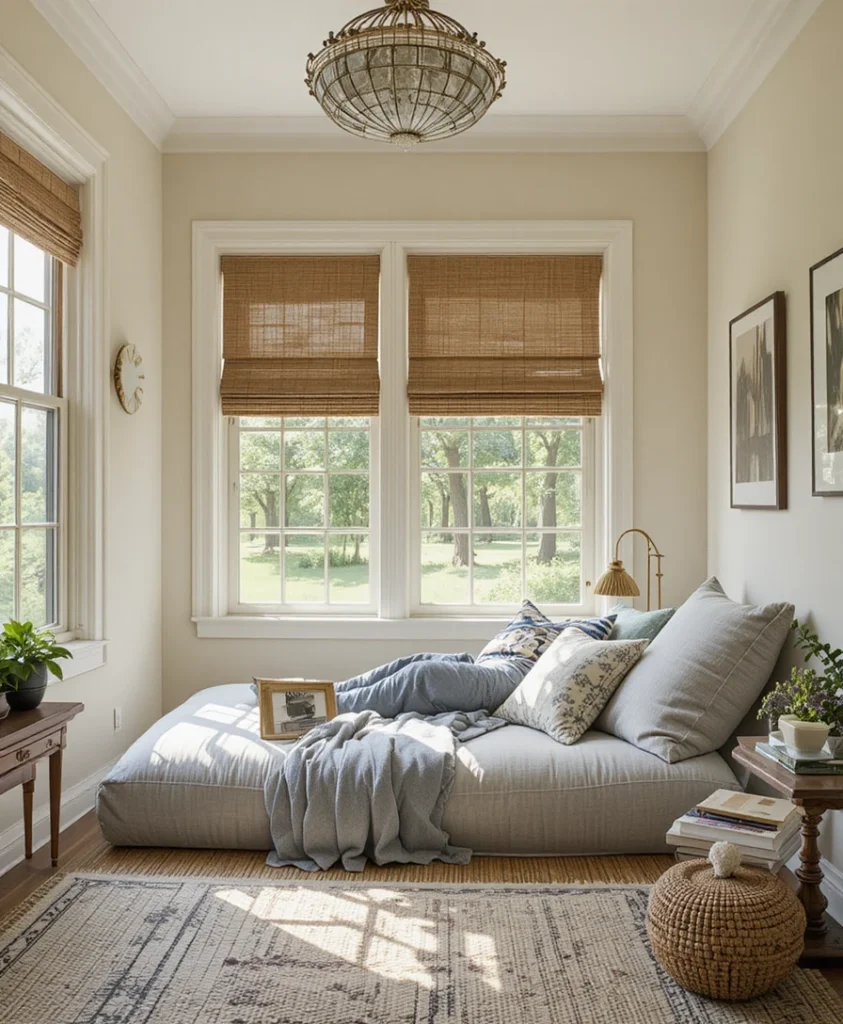
Sometimes, the best window reading nooks don’t require any construction at all. I have styled many homes where we simply lay down a massive, oversized floor mattress or a stack of high-density floor cushions directly beneath a low-set window. It is relaxed, unpretentious, and allows you to sprawl out in whichever position feels most comfortable.
8. Integrated Task Lighting Wall
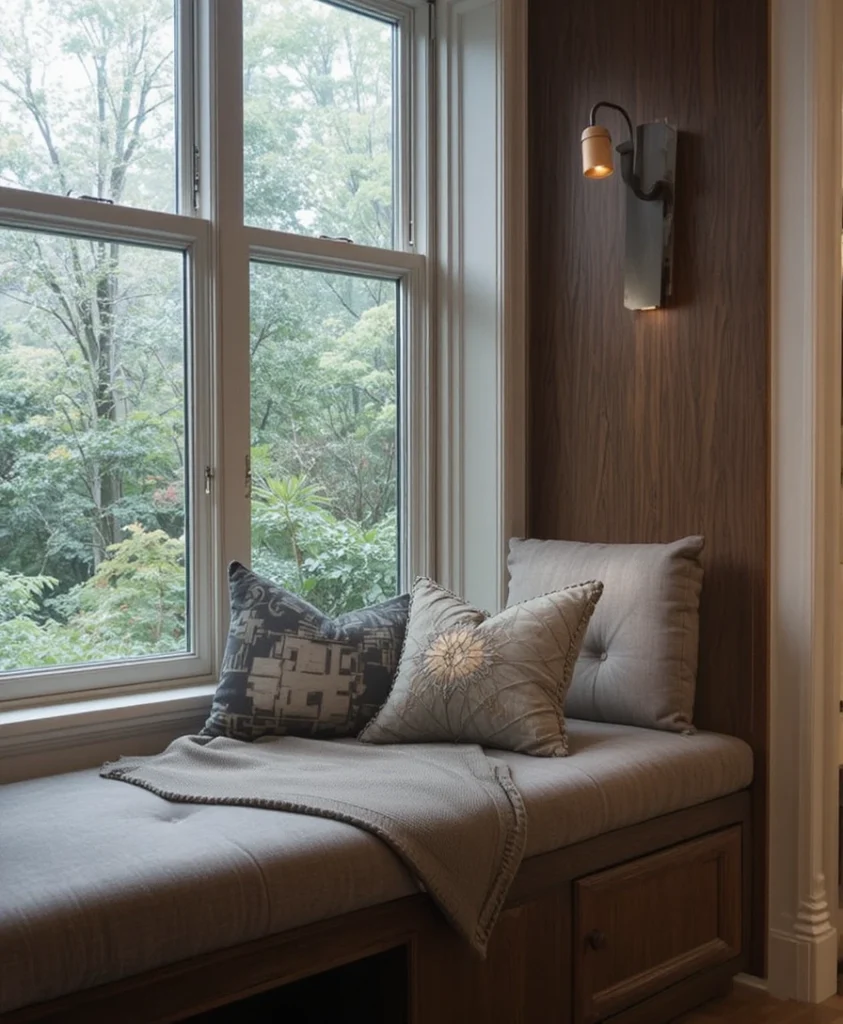
Bad lighting is the enemy of a good reading session. In my professional practice, I always insist on adding recessed puck lights or a slim, articulated wall sconce directly above or to the side of the seat. Being able to direct light exactly where you need it prevents eye strain and makes the nook usable long after the sun goes down.
9. The Greenhouse-Style Overhang
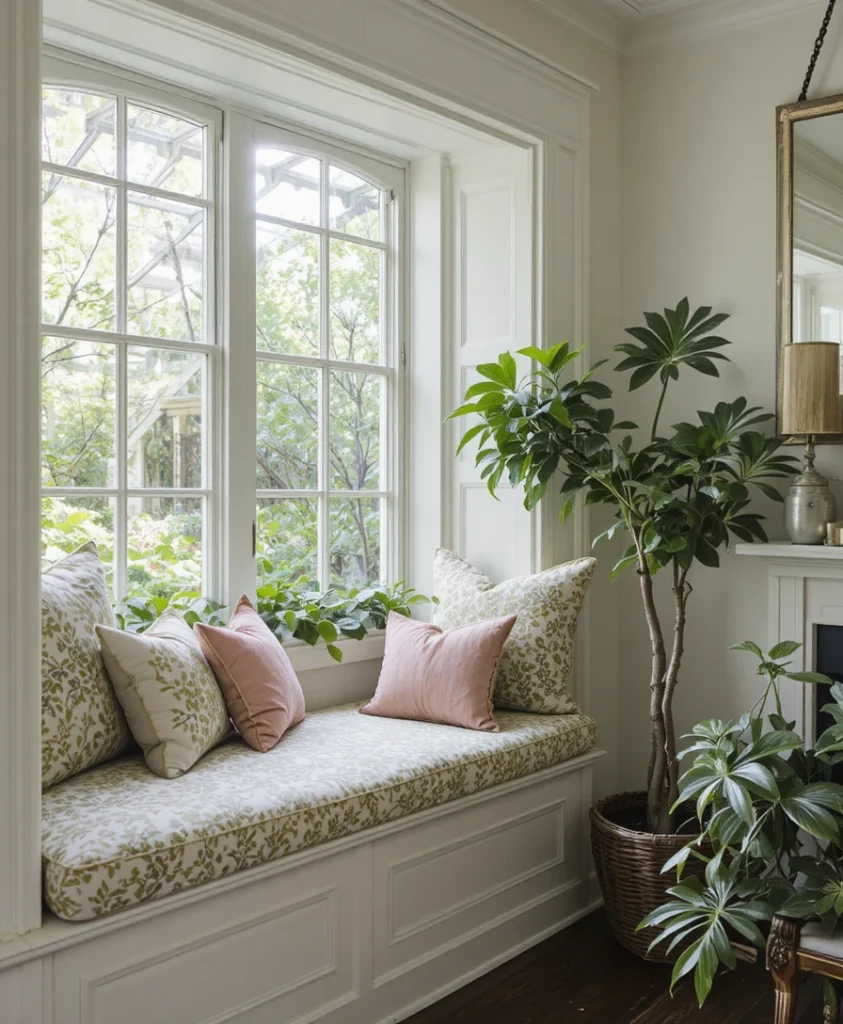
If your window faces a garden, I recommend extending the seat depth so it almost feels like a ledge inside a greenhouse. Keeping the decor minimal—perhaps just a few trailing plants like pothos—blurs the line between the interior of your home and the nature outside. It is my favorite way to bring the calming effects of the outdoors into a living room.
10. Floating Drawer Desk Combo
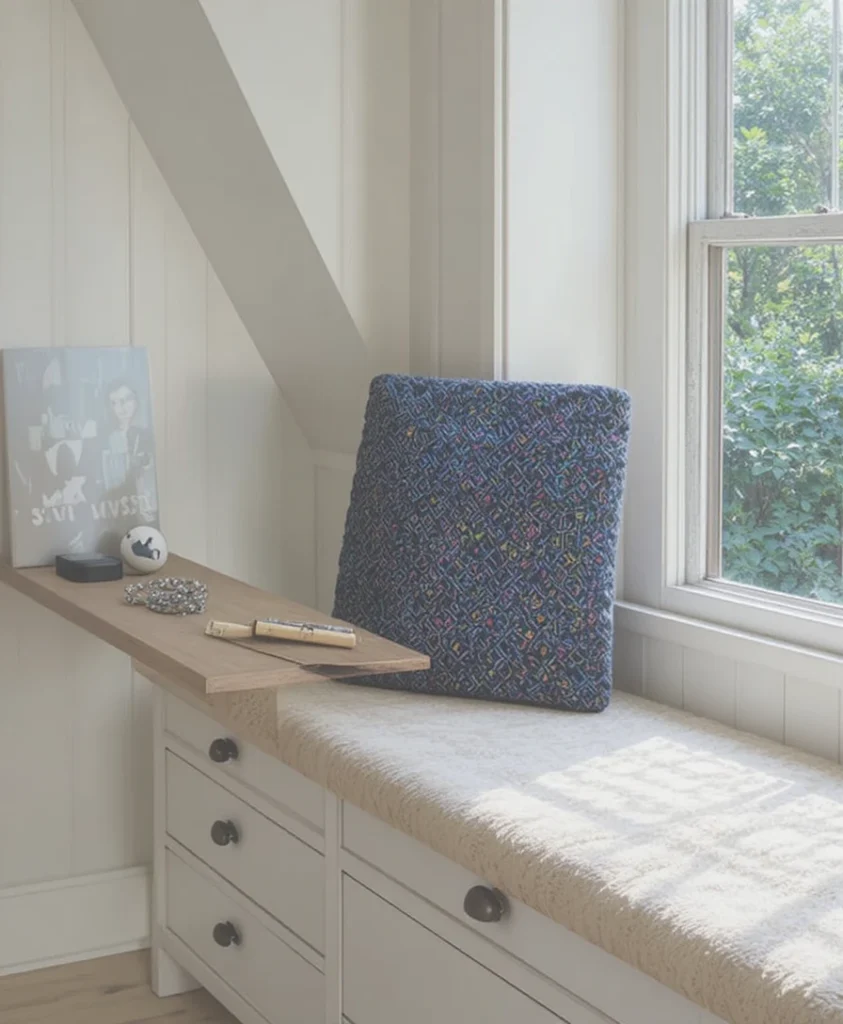
Why limit your nook to reading? I have designed several units that feature a small, cantilevered desk surface on one end of the window seat. It gives you a dedicated spot to jot down notes while you read, turning a simple bench into a highly efficient multifunctional workstation. It is the ultimate hack for small-home living.
11. The Wrap-Around Corner Nook
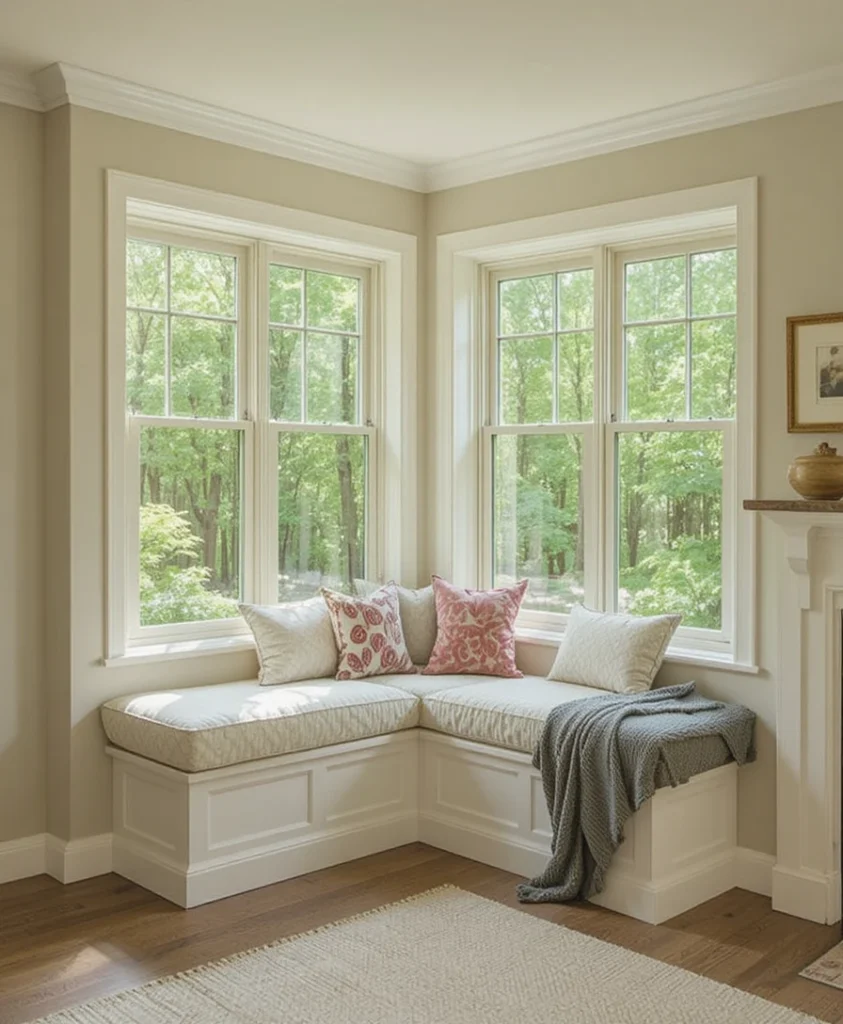
Utilizing two intersecting windows is a dream for natural light lovers. By building a wrap-around bench that follows the angle of the corner, you create a space that offers multiple views and keeps the room flowing. It is an excellent way to handle those awkward corners that often end up serving no purpose at all.
12. Padded Wainscoting Backrest
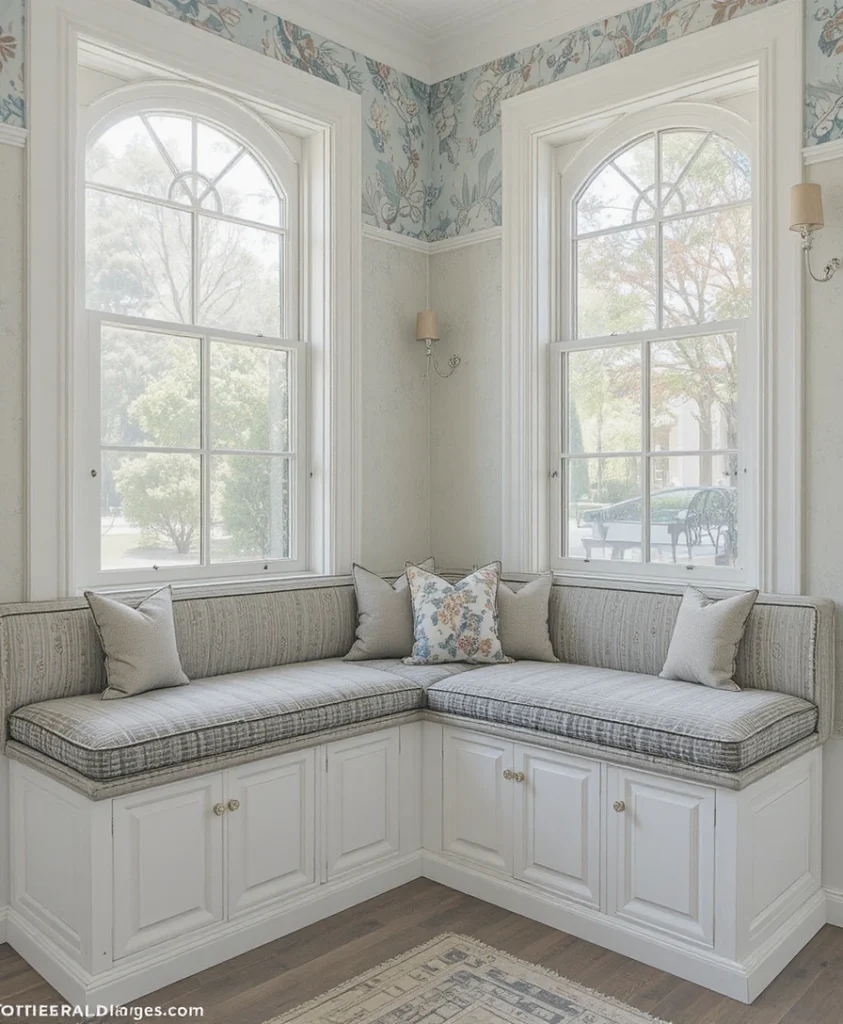
For a look that feels more traditional and refined, I often apply padded, upholstered wainscoting to the walls surrounding the bench. It adds a layer of sound dampening and tactile comfort that is hard to beat. It makes the entire corner feel like a soft, upholstered room within a room.
13. The Geometric Cubby Base
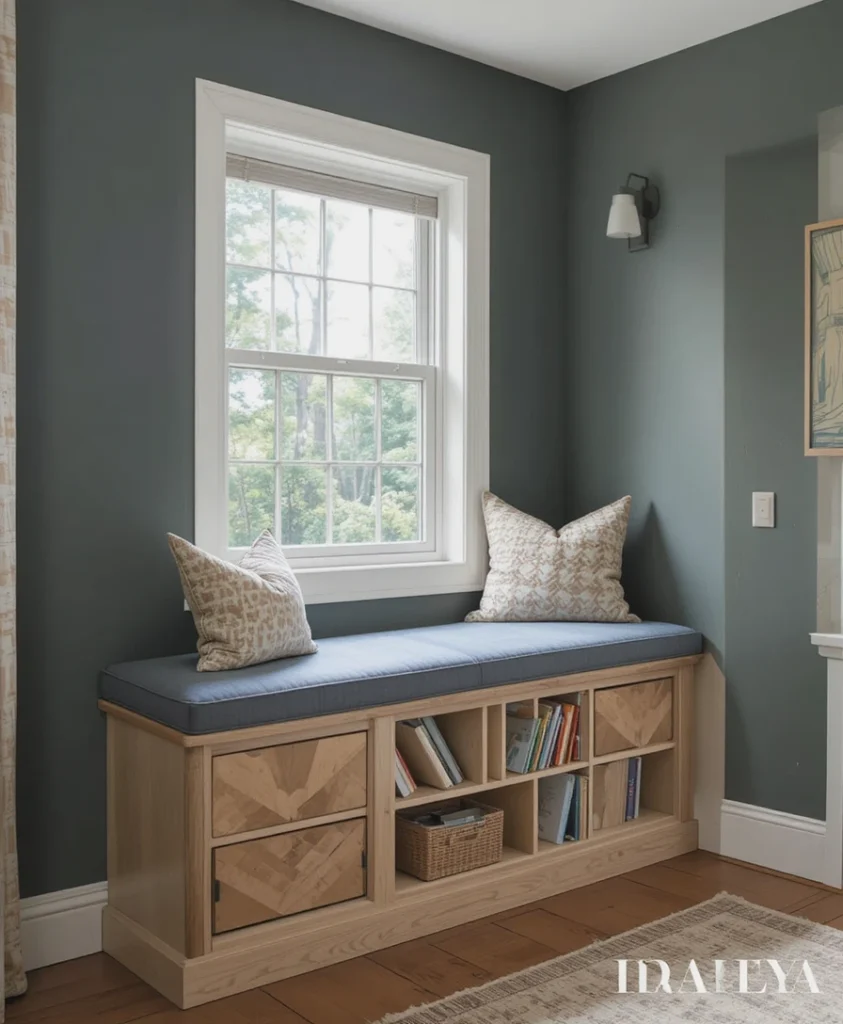
Instead of standard drawers, I sometimes design the base of the window seat with open, geometric cubbies. These are perfect for sliding in woven baskets or displaying decorative objects, giving the nook a more open and curated feel. It prevents the piece from looking like a bulky block of wood and keeps the visual weight light.
14. The Vertical Slat Privacy Screen
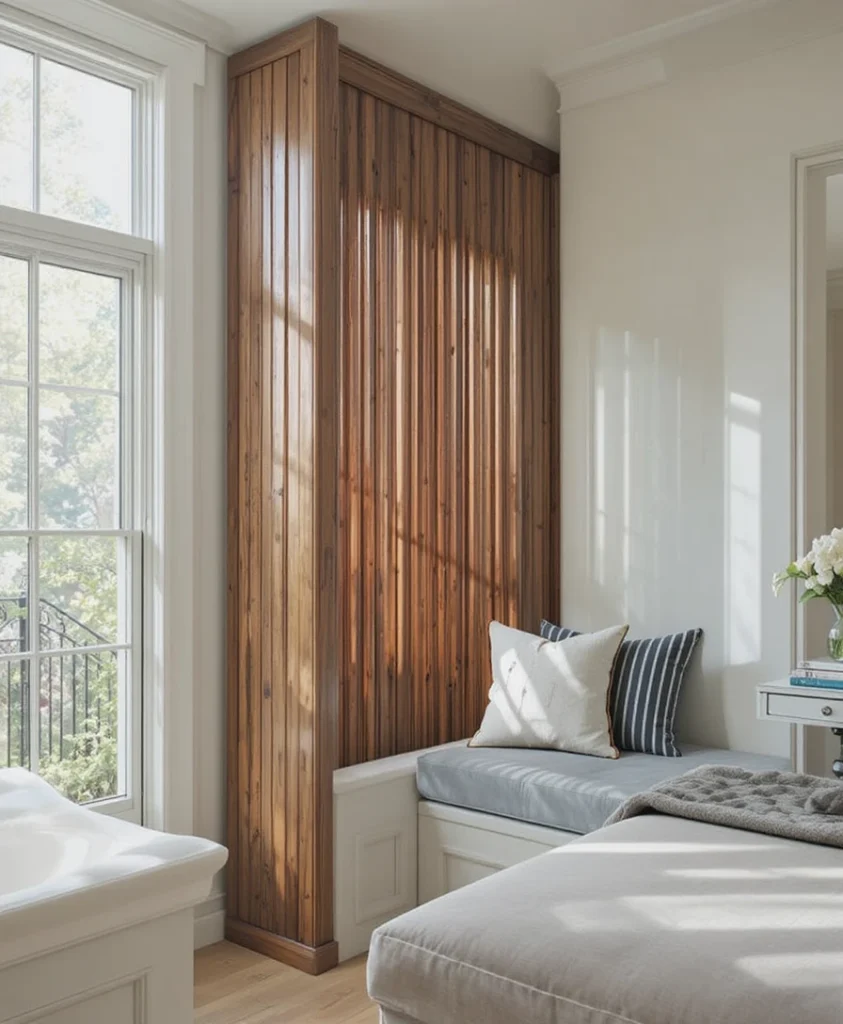
If you want to define your nook without blocking the light, consider adding floor-to-ceiling wooden slats on one side of the seat. This creates a semi-transparent screen that provides a sense of enclosure while still allowing light to filter through. It is a sophisticated, architectural touch that adds a layer of depth to the design.
15. Tufted Leather Sophistication
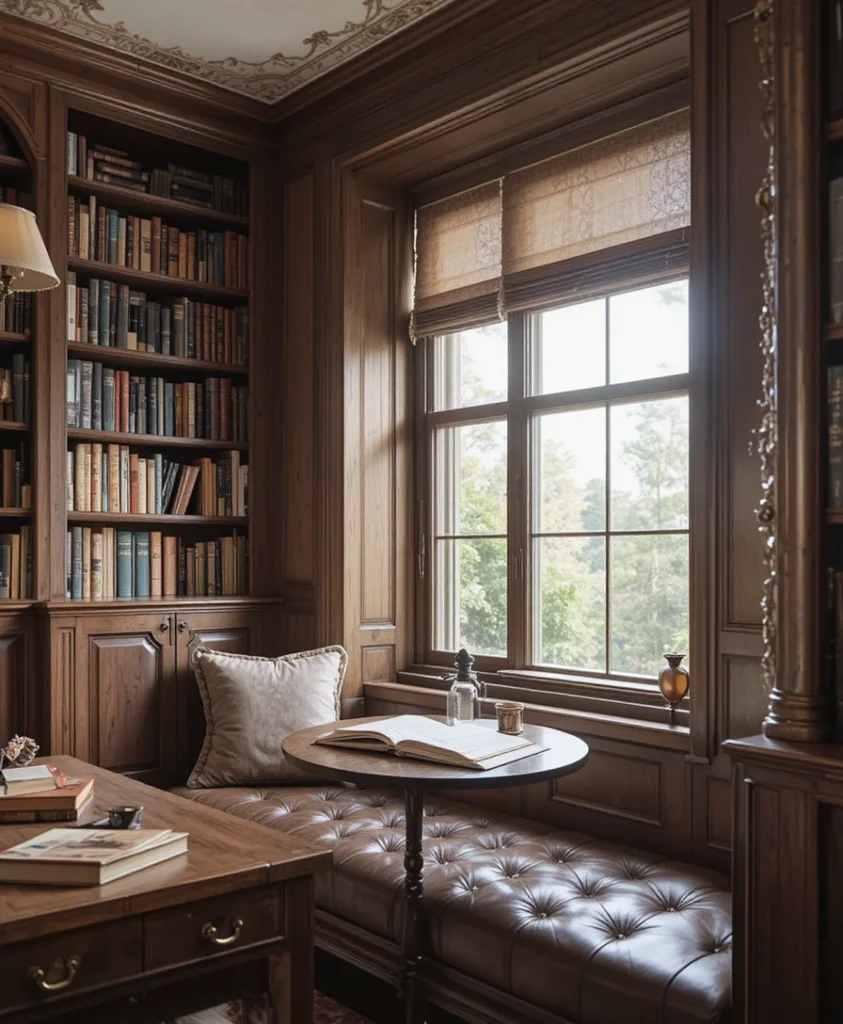
For a timeless, masculine appeal, nothing beats a classic leather tufted cushion. I find that leather only gets better with age, developing a patina that tells a story of years spent reading and relaxing. It is a low-maintenance, high-impact choice that works wonders in studies, libraries, or modern living rooms.
16. The Curtained Canopy Escape
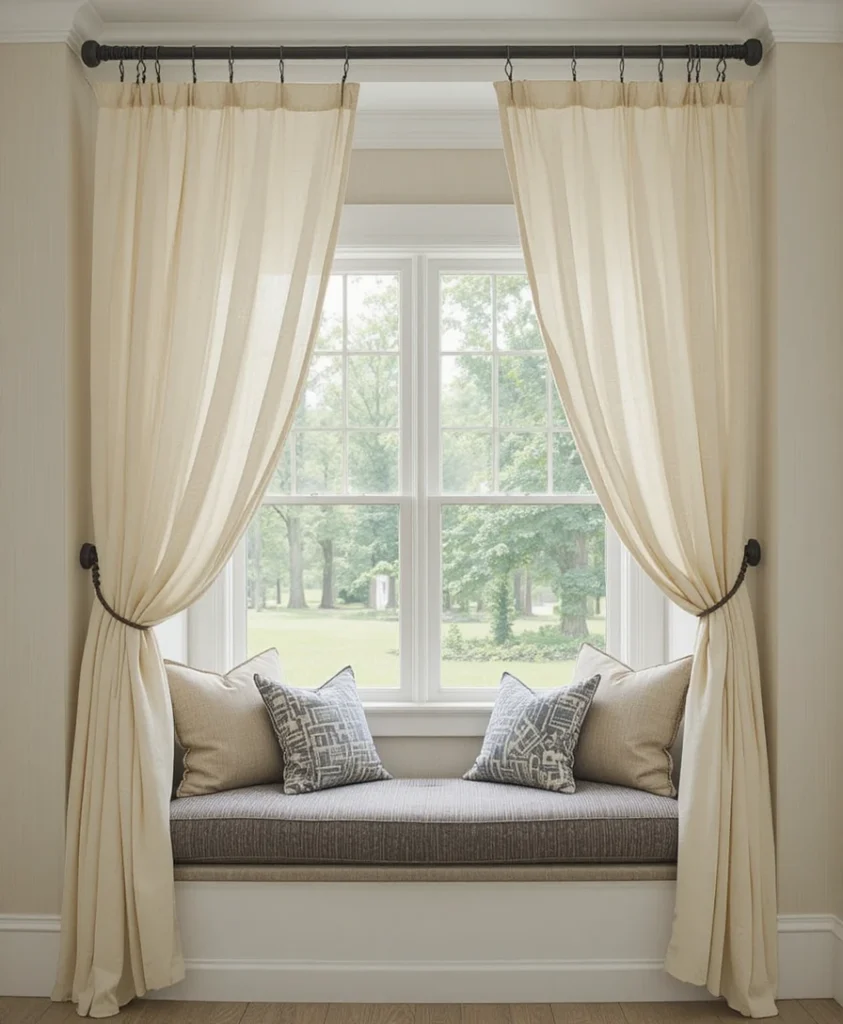
I love the drama of a light, sheer linen curtain track mounted to the ceiling above the window seat. When drawn, the curtains turn the bench into a private, fabric-walled booth. It is surprisingly effective at making you feel sheltered and focused, blocking out the visual distractions of the rest of the room.
17. The Mid-Century Modern Tapered Leg
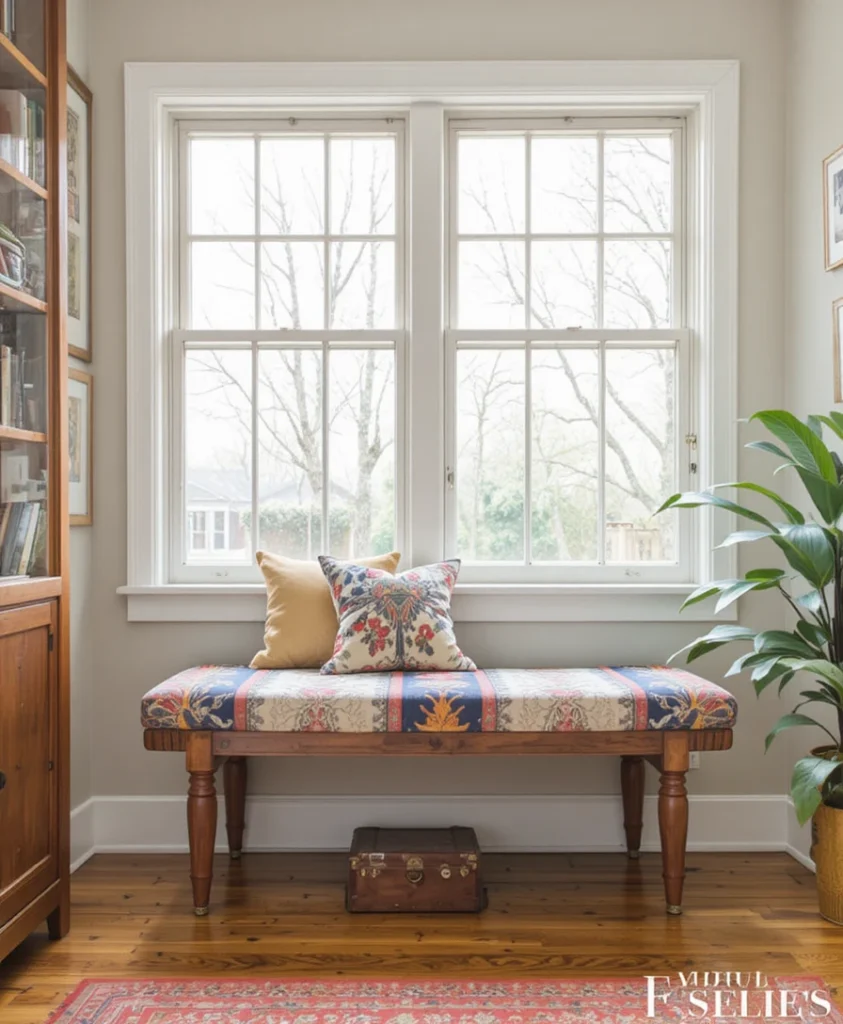
Instead of a solid boxy base, I sometimes use vintage-style tapered wooden legs to support a platform seat. This allows the flooring to remain visible beneath the bench, which makes the room feel larger. It is a fantastic option if you are trying to maintain a mid-century modern aesthetic while still gaining extra seating.
18. The Bookshelf-as-a-Wall Partition
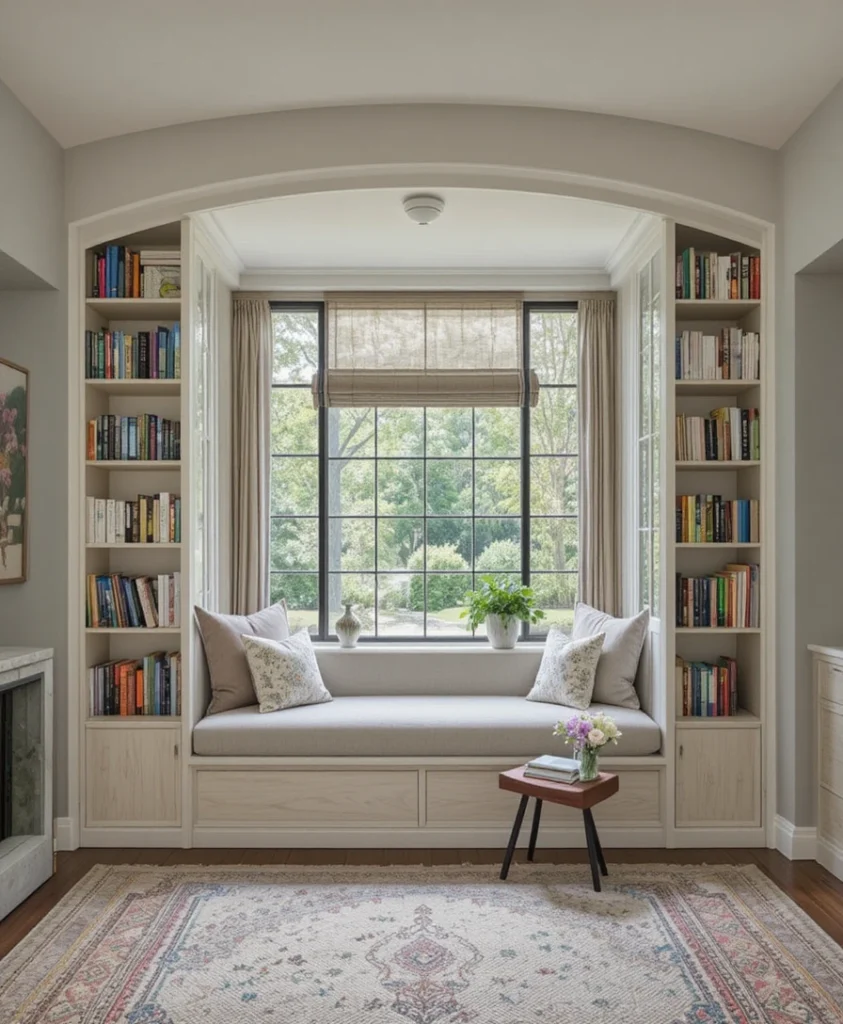
If you have a large window in an open-plan room, I often suggest building a double-sided bookshelf that acts as the side wall for your reading nook. It provides massive storage and creates a clear physical boundary between the reading area and the rest of the floor plan. It is one of the most effective ways to zone a room without using actual walls.
19. The Deep-Soak Window Perch
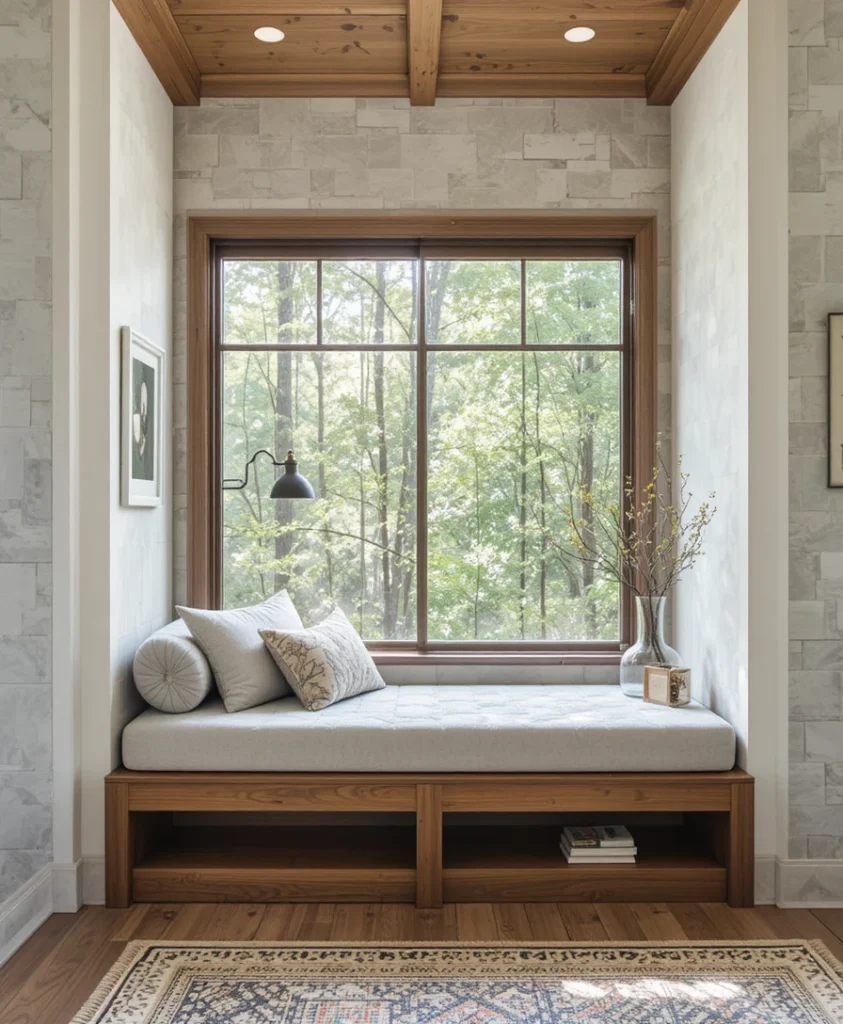
For those who want pure comfort, make the seat as deep as a daybed. By creating a 40-inch deep platform, a full-sized twin mattress or thick cushions can be fitted to allow for complete horizontal lounging. This transforms the window area into a tranquil daytime resting station that just happens to be bathed in natural light.
20. The High-Contrast Monochrome
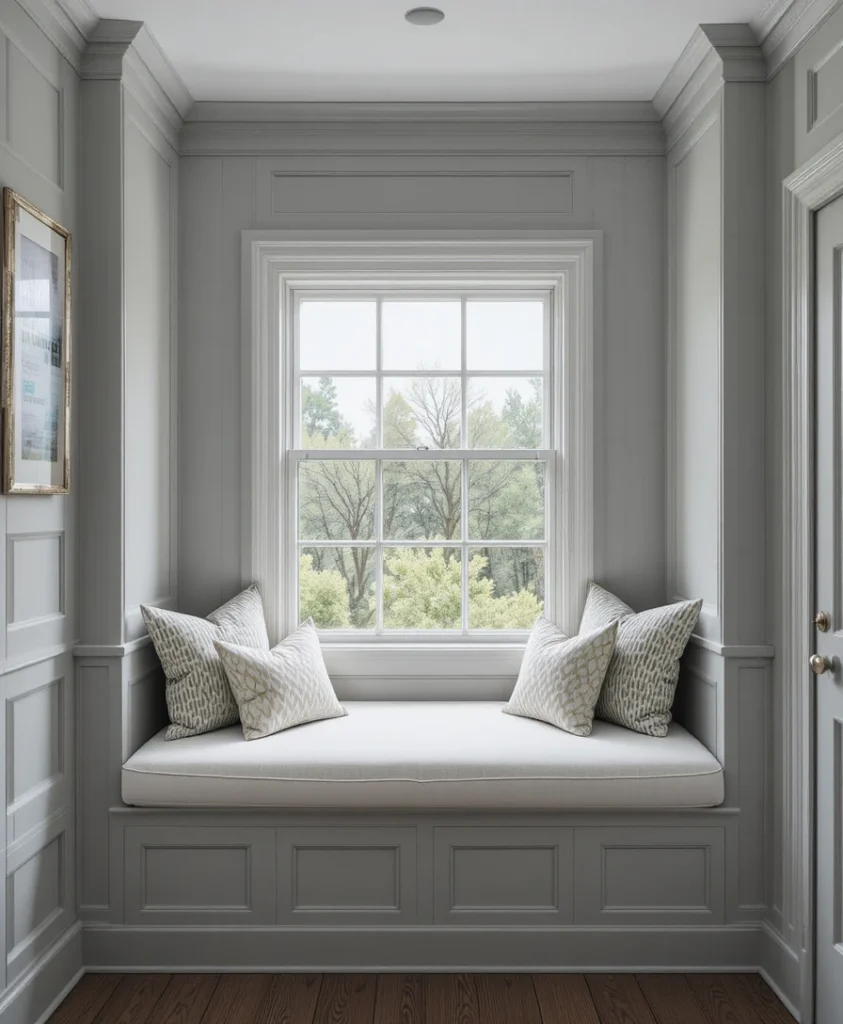
I am a firm believer that keeping the bench and walls the same color creates a sophisticated, high-end look. By painting the window frame, the custom built-in, and the surrounding walls the same shade, you allow the texture of the cushions and the view outside to become the stars of the show. It is a bold, gallery-like approach that always pays off.
Optical Tricks and Styling Hacks
To make your space feel larger, I always install floor-to-ceiling curtains that extend beyond the width of the window frame. This draws the eye upward and makes the ceiling appear higher. Furthermore, always use a single, long seat cushion rather than multiple small ones; a continuous piece of fabric reduces visual clutter and makes the entire seat feel like one cohesive, expansive piece of furniture.
Scientific and Surprising Facts
Design psychology plays a massive role in how we perceive comfort. Research into environmental psychology suggests that humans have an innate preference for “prospect and refuge” spaces—areas that offer a clear view of the surroundings (prospect) while providing a sense of being protected (refuge). A well-designed reading nook perfectly satisfies this evolutionary need. Additionally, natural light exposure has been shown to increase serotonin levels, meaning your reading nook isn’t just a design choice—it’s a mood-boosting health intervention.
Frequently Asked Questions (FAQ)
What is the best fabric for a sunny reading nook? I always recommend solution-dyed acrylics or high-quality linens. These materials are highly resistant to UV fading, ensuring your cushions stay vibrant even when exposed to intense, direct sunlight through the glass.
How do I prevent the window from being cold in the winter? Install a heavy-duty thermal Roman shade or use cellular blinds behind your cushions. You can also ensure the seat base is properly insulated from the floor to stop drafts from creeping up into your seating area.
Is it better to have a custom-built unit or buy a sofa? Custom-built nooks are almost always better for maximizing small spaces because they fit the exact dimensions of your room. While a piece of furniture is easier to move, custom built-ins add significant equity and value to your home.
Final Thoughts
Designing the perfect space for yourself is an act of self-care. When I look at the most successful projects in my portfolio, the common denominator is always the creation of a dedicated spot to retreat from the noise of the world. Your home should be your biggest advocate, and by carving out a nook, you are giving yourself permission to slow down.
Start with the light, choose materials that speak to your style, and remember that functionality is just as important as aesthetics. There is nothing quite like a quiet afternoon, a good book, and a perfectly designed window seat to reset your perspective. Your sanctuary is waiting; you just have to build it.