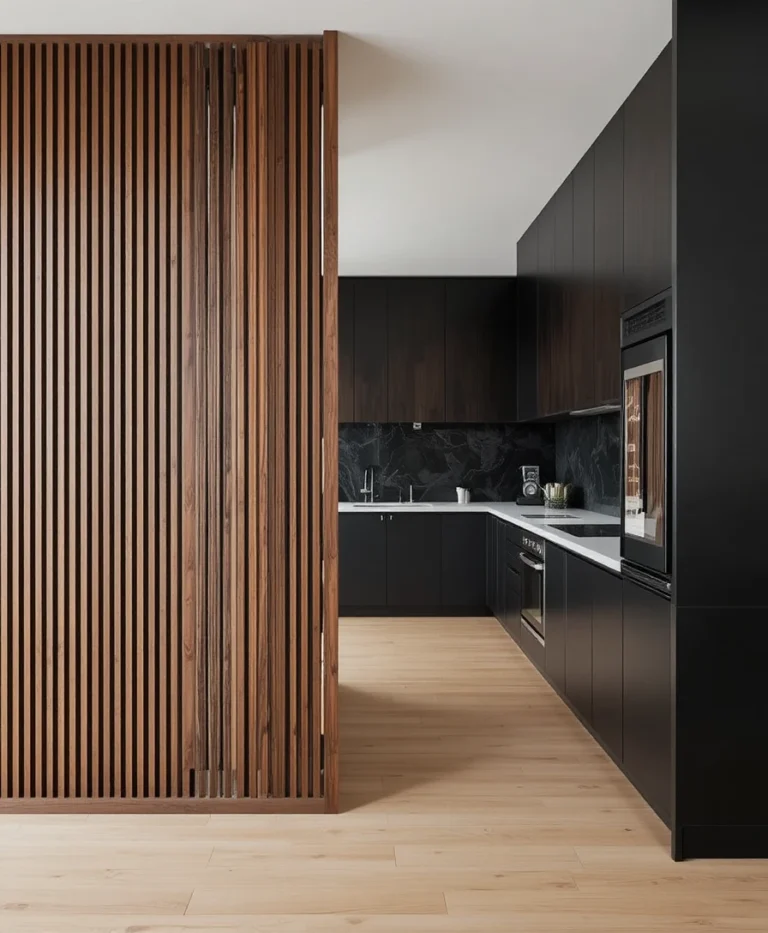

In my decade of hands-on interior design experience, I have noticed a massive shift in how homeowners view their culinary spaces. The kitchen is no longer just a utilitarian zone for meal prep; it is the emotional heart of the home. When clients come to me looking for a layout that feels calm, cozy, and effortlessly stylish, my answer is always the same: leverage the understated power of a neutral palette.
Many people mistakenly believe that working with neutral tones means settling for a boring, sterile, or clinical environment. I am here to tell you that when you use the right combination of rich textures, varied tones, and simple organic elements, you can create a kitchen that feels both incredibly timeless and deeply personal. Whether you are planning a full-scale residential remodel or just looking to introduce subtle, high-impact upgrades, these 22 curated Neutral Kitchen Ideas will spark your design inspiration without overwhelming your senses. I have tested these strategies across dozens of homes, and they consistently deliver that elusive, high-end magazine aesthetic while remaining completely functional for daily life.
To help you visualize how these design choices come together, I have mapped out a quick reference guide below before we dive into the precise steps.
Quick Reference Comparison Table
Tools & Materials You Need for a Neutral Refresh
Before executing any of these Neutral Kitchen Ideas, you need a solid foundation. If you are handling some of these upgrades yourself or coordinating with a contractor, here is a precise checklist of tools and material specifications I always recommend having on hand:
Matte Cabinet Paint: Look for low-VOC acrylic urethane paint with a gloss rating under 10% for that perfect velvet-like finish.
Tile Spacers: 1/8-inch spacers to achieve tight, clean grout lines for your beige or stone backsplash.
Laser Measure: A digital distance meter accurate to 1/16 of an inch for measuring open shelving layouts.
Hardware Template Jig: A mandatory alignment tool to ensure your brushed brass pulls are perfectly centered on every door.
Non-Yellowing Polyurethane Sealer: A water-based clear coat to protect your natural wood shelves and butcher blocks without darkening the grain.
22 Step-by-Step Neutral Kitchen Ideas to Elevate Your Space
1. Soft White Cabinetry With Matte Finishes
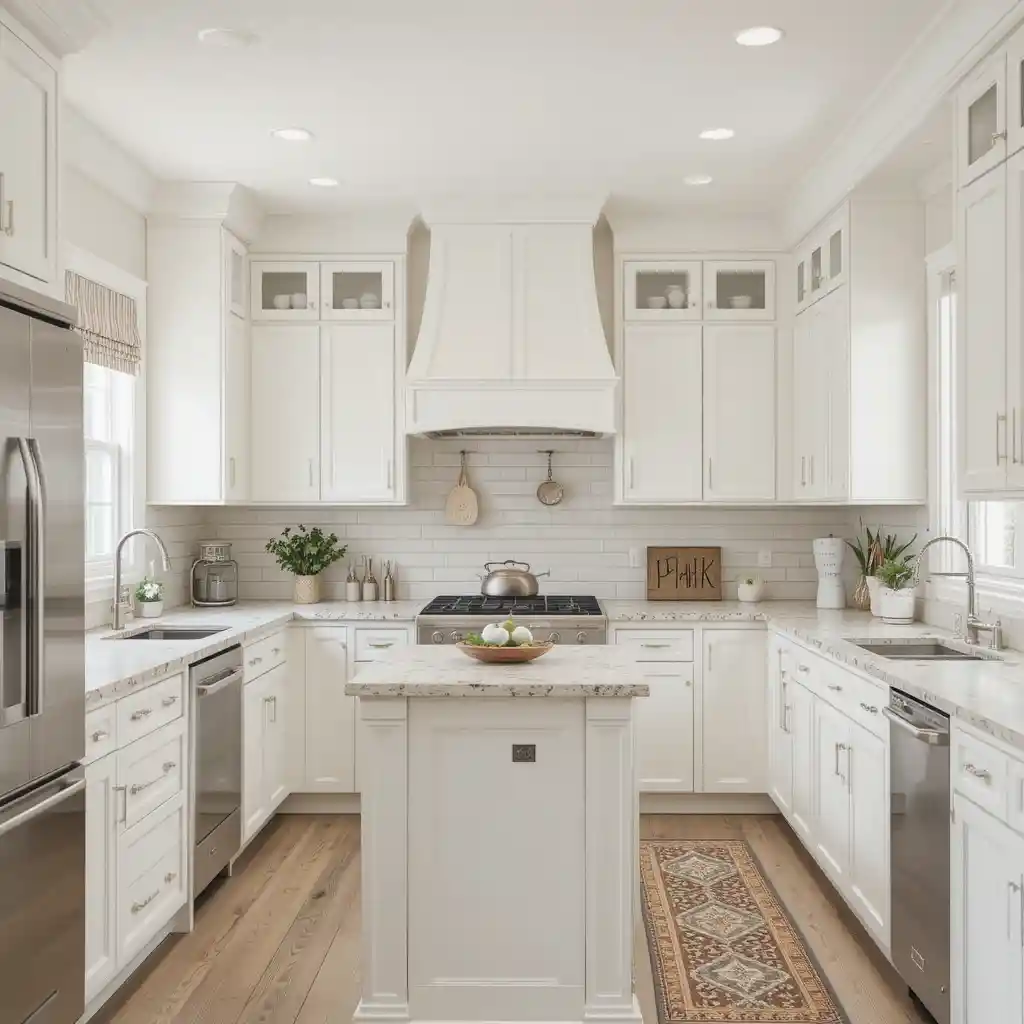
When designing a neutral kitchen, I always advise avoiding high-gloss Stark white finishes, which can end up looking like a commercial laboratory. Instead, choose soft white cabinets with matte finishes to add a clean yet gentle feel to the room. Matte surfaces reflect less light, which effectively hides minor fingerprints and brings a cozy, deeply grounded mood to the overall space.
2. Beige Tile Backsplash for Warmth
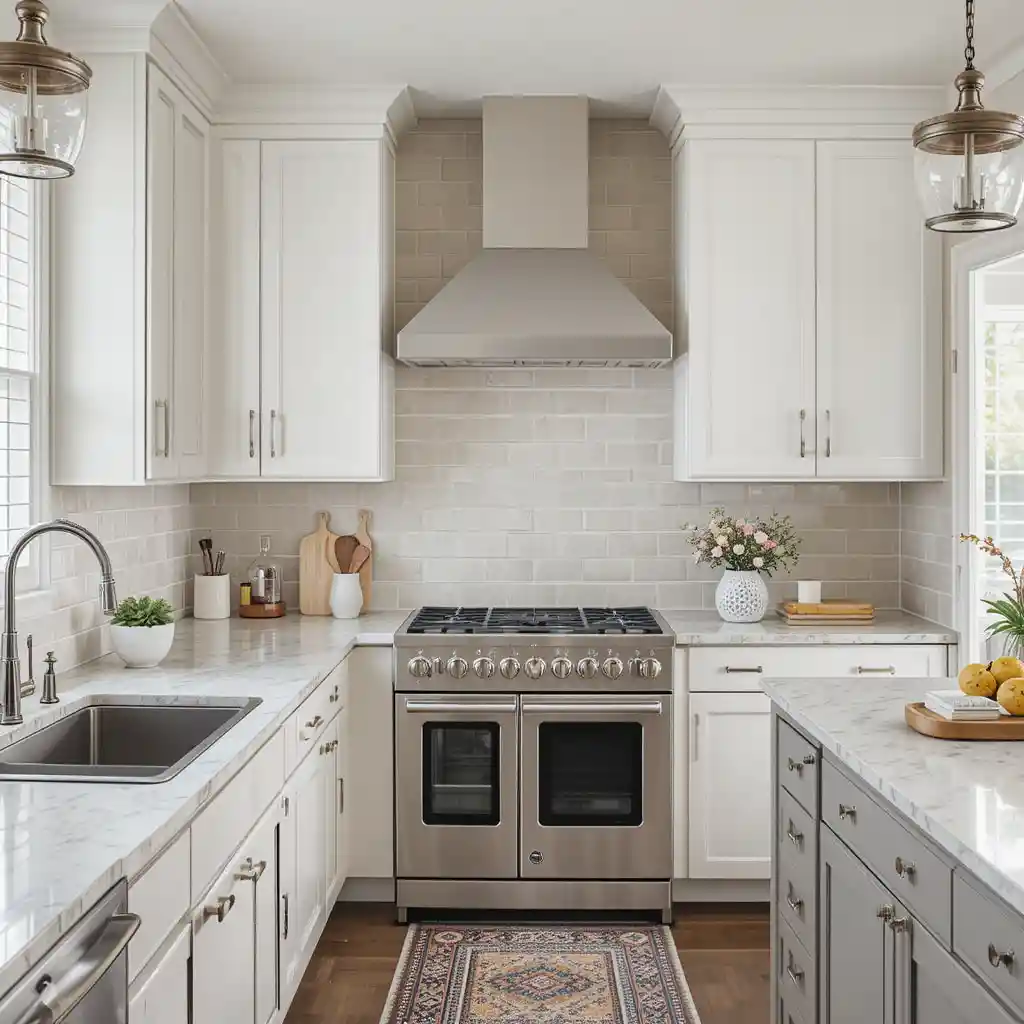
If your space is feeling a bit flat, swap out bold, chaotic patterns with a beige subway tile backsplash. It adds incredible physical texture while maintaining a neutral, highly cohesive look. I find that handmade zellige or slightly irregular ceramic tiles pair beautifully with both ultra-modern and rustic farmhouse architectural styles.
3. Taupe Walls for a Cozy Backdrop
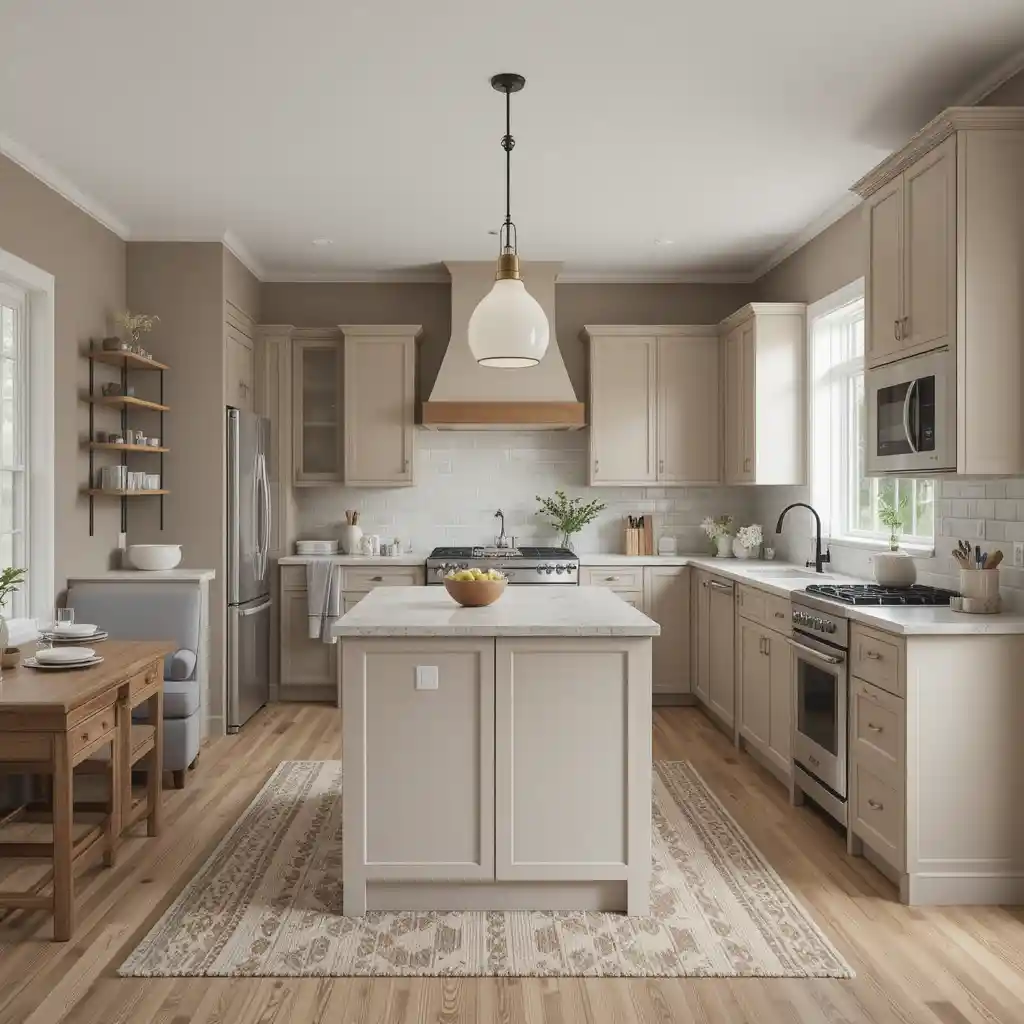
Taupe walls strike the perfect, delicate balance between cool gray and rich brown. This warm neutral instantly makes your cooking area feel more welcoming and secure. It acts as an incredible canvas that pairs well with natural wood beams or crisp white architectural accents.
4. Open Shelving in Natural Wood
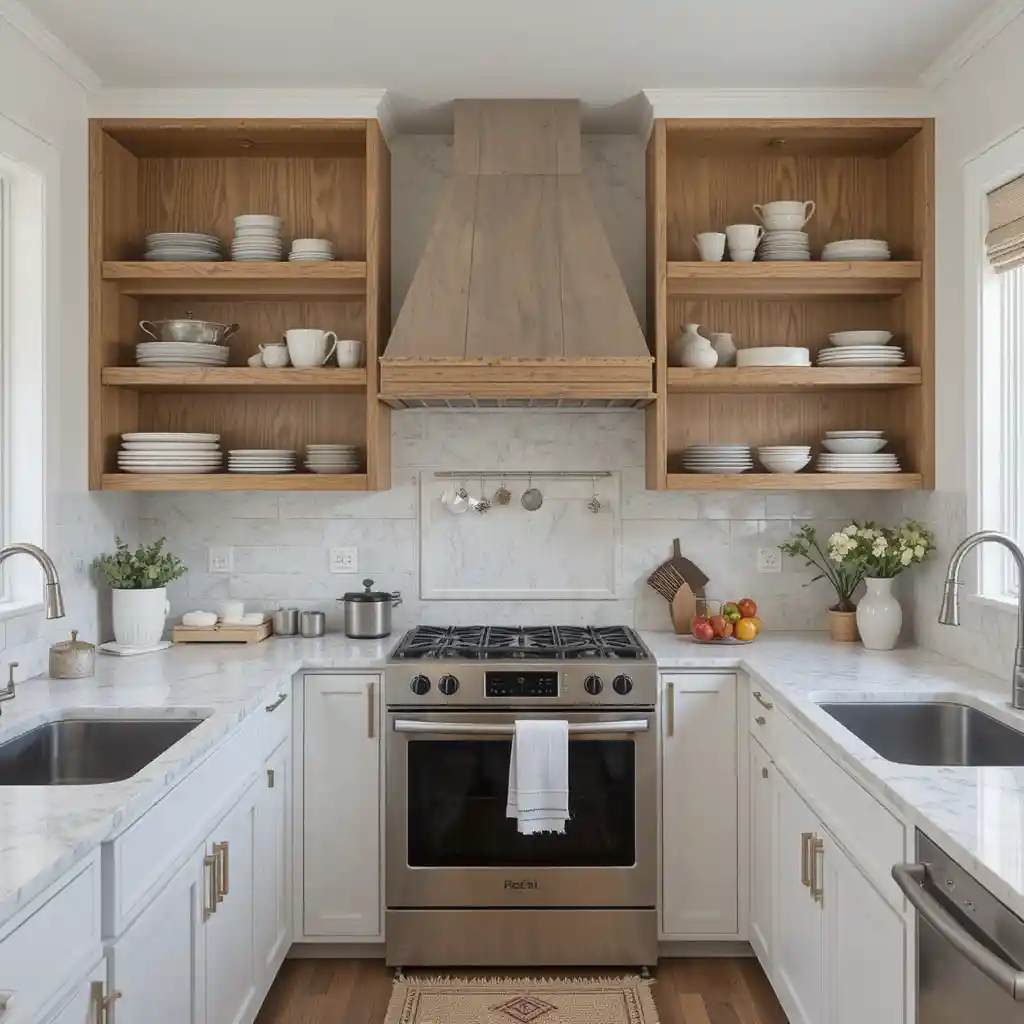
To make a tight floor plan feel expansive, ditch your heavy upper cabinets and go for open natural wood shelving. In my styling practice, I use white oak or clear pine. This approach adds physical softness and daily function while breaking up solid blocks of wall color and bringing in gorgeous earthy tones.
5. Creamy Quartz Countertops
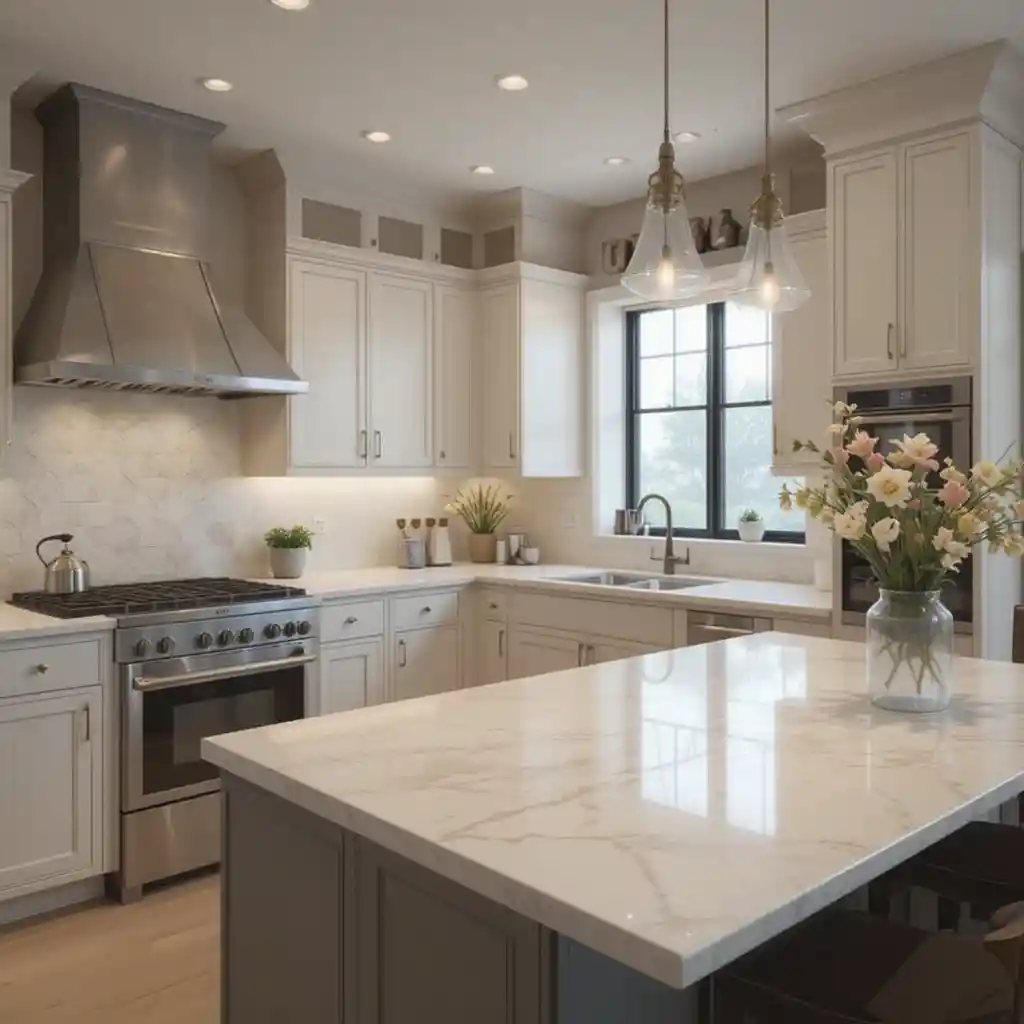
You need a durable workspace that also elevates your color palette. Cream-colored quartz countertops offer a highly durable, elegant look that resists staining. They are absolutely ideal for a neutral color palette because they often feature subtle, tone-on-tone veining that adds visual shine and deep depth to your kitchen design.
6. Light Oak Flooring
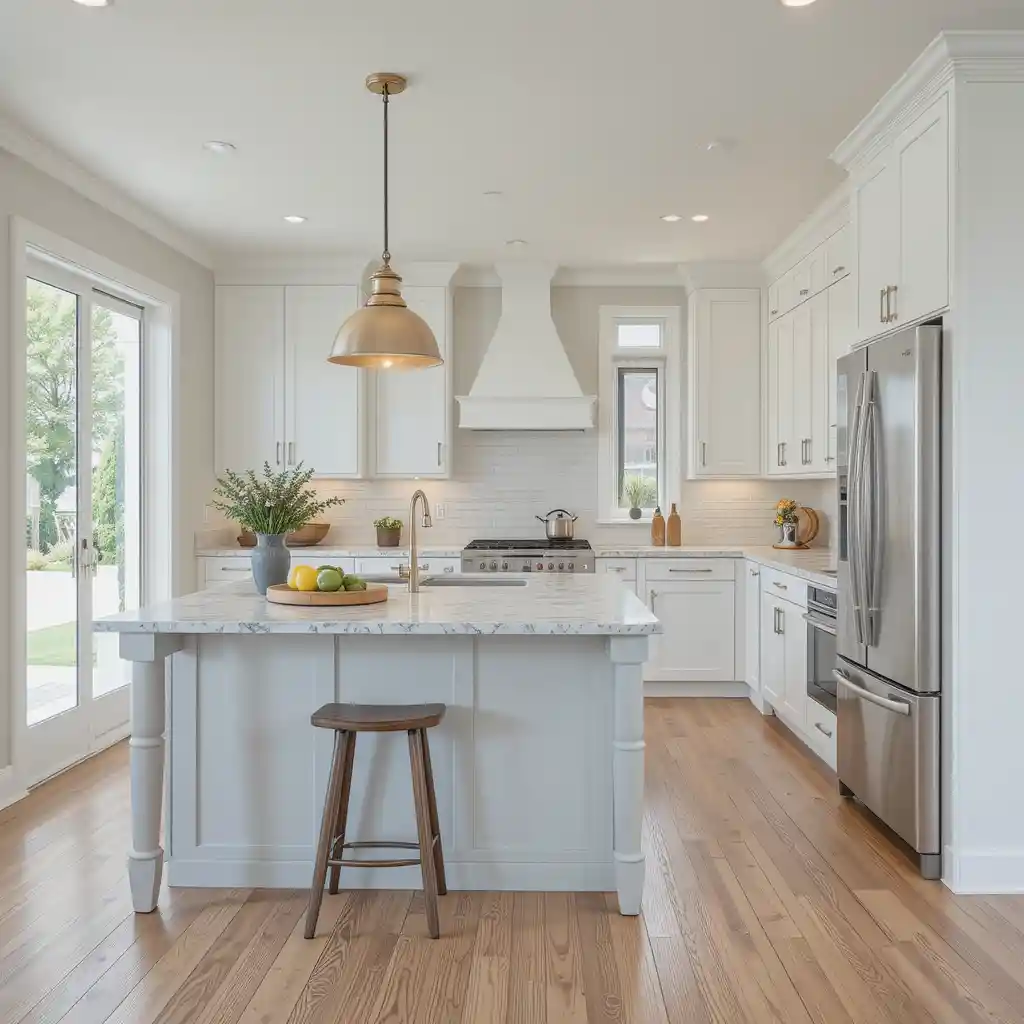
I prefer to build my designs from the ground up, which means paying close attention to flooring. Add texture from the ground up with wide-plank light oak floors. These soft, honeyed wood tones warm up a neutral space effortlessly without overpowering other delicate design elements in the room.
7. Brushed Brass Hardware
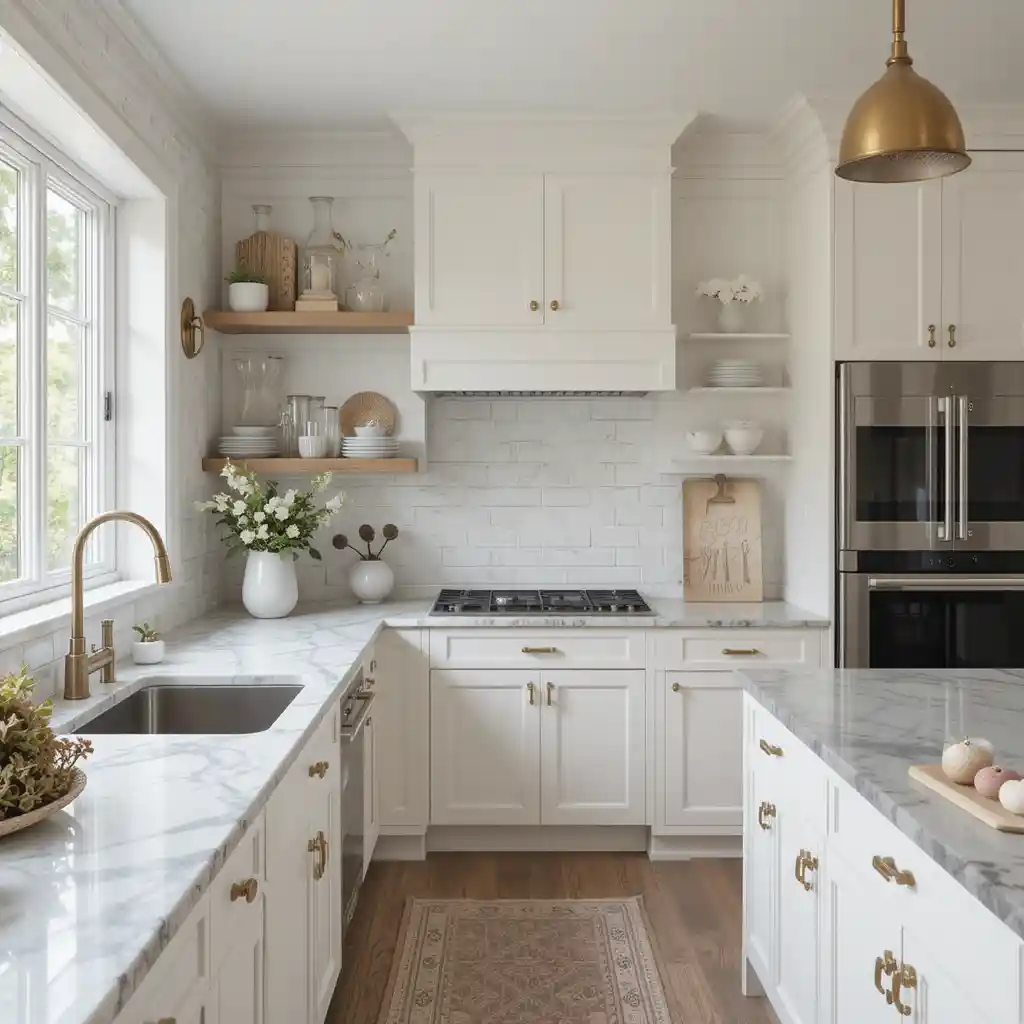
Jewelry-like accents can make or break a space. Instead of bold, harsh black or dark oil-rubbed knobs, try brushed brass or champagne bronze hardware. This choice offers just the right hint of luxurious shimmer while maintaining a soft, neutral vibe that blends into the cabinetry.
8. Neutral Kitchen Island with Contrasting Texture
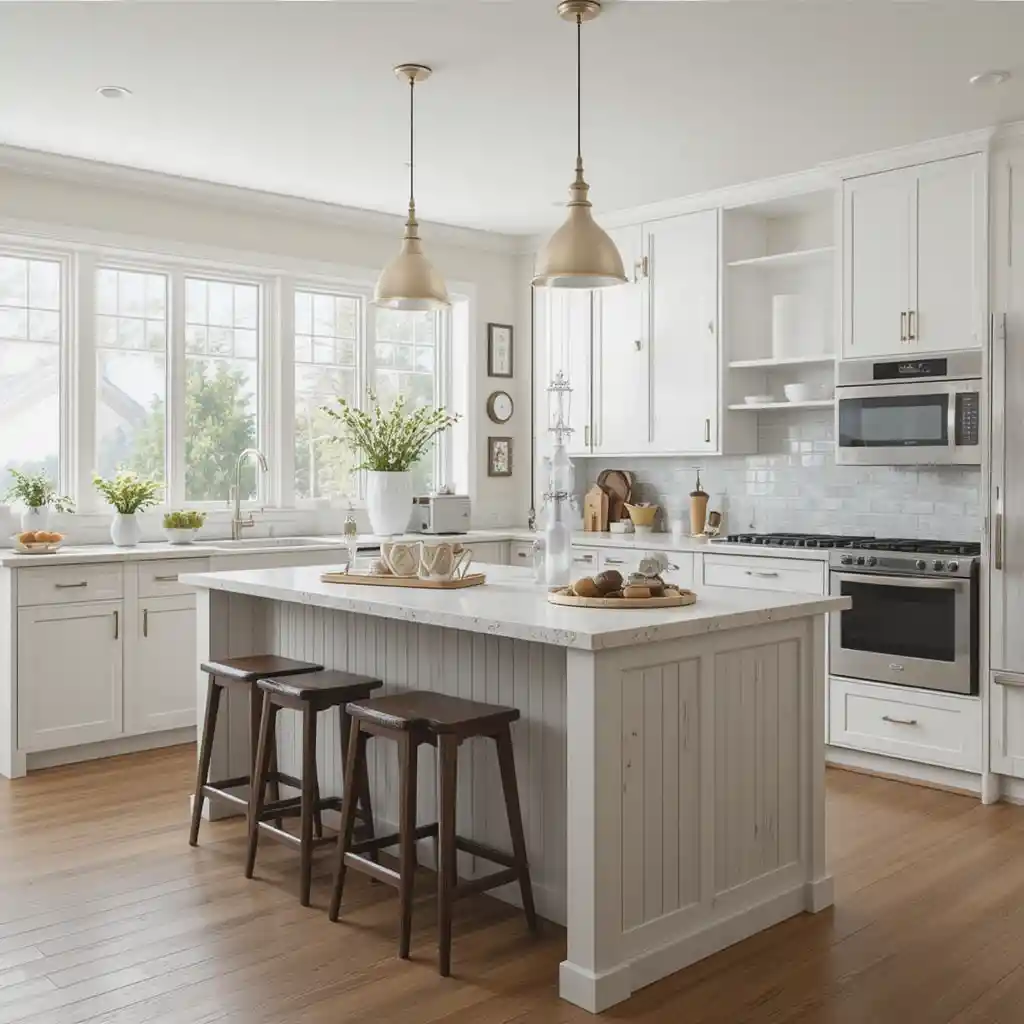
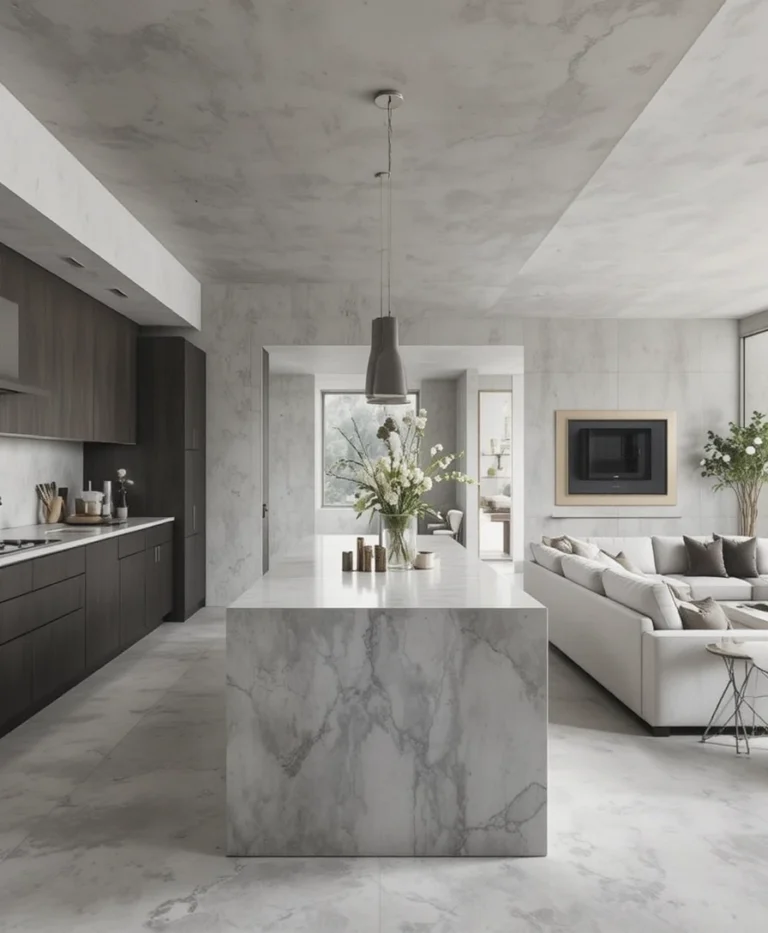
Your central island should be a subtle focal point. Designing a light gray or sand-colored island in a completely different finish or material creates sophisticated, low-contrast interest. Go for architectural shiplap, classic beadboard, or natural fluted stone to add structural character.
9. Linen Roman Shades for a Soft Touch
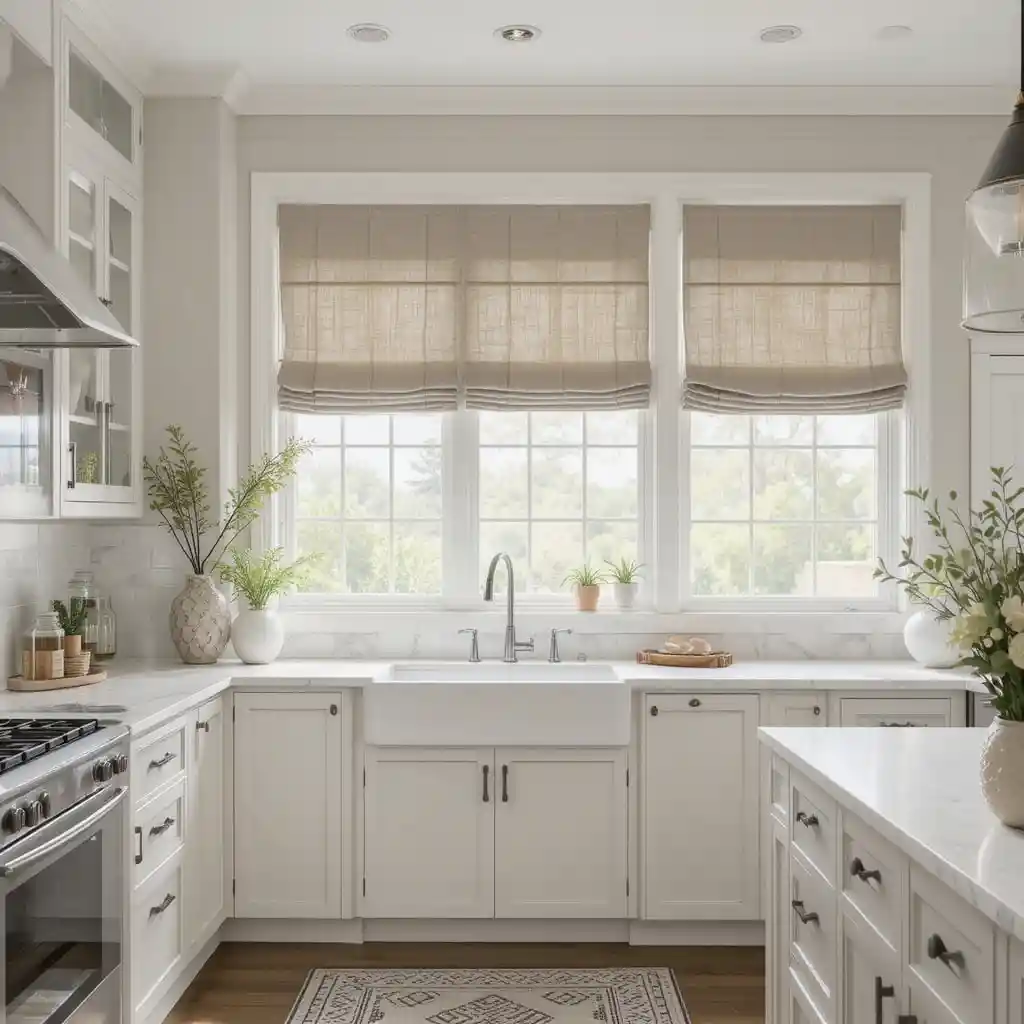
Windows deserve high-quality textiles to soften the hard surfaces of a kitchen. Opt for linen Roman shades in oatmeal, cream, or flax tones. These neutral window treatments filter harsh afternoon sunlight gently while adding a tactile layer of warmth to the window frame.
10. Whitewashed Brick Accent Wall
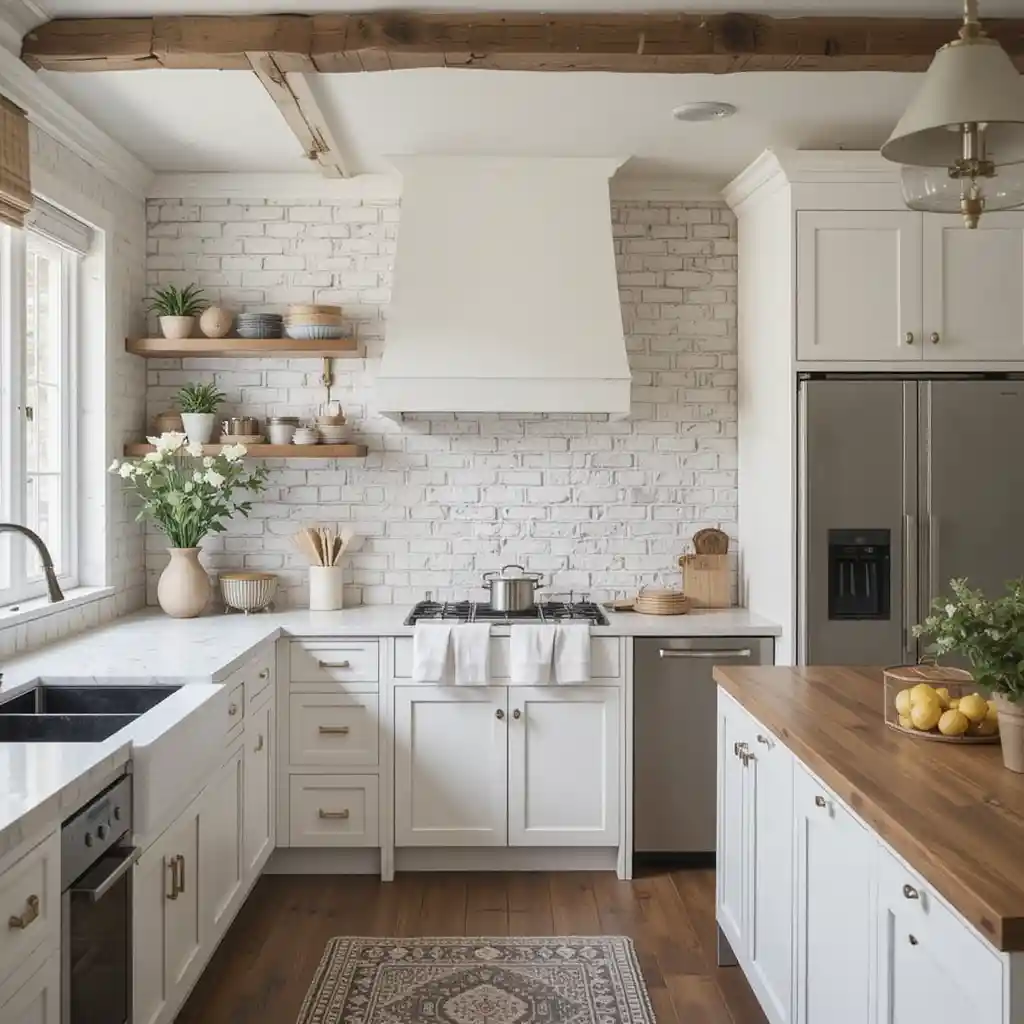
If you want to introduce architectural history to a newer home, a whitewashed brick wall adds old-world charm and physical depth without being too bold. It blends beautifully with modern and traditional neutral palettes alike, offering a heavily textured backdrop for open shelving.
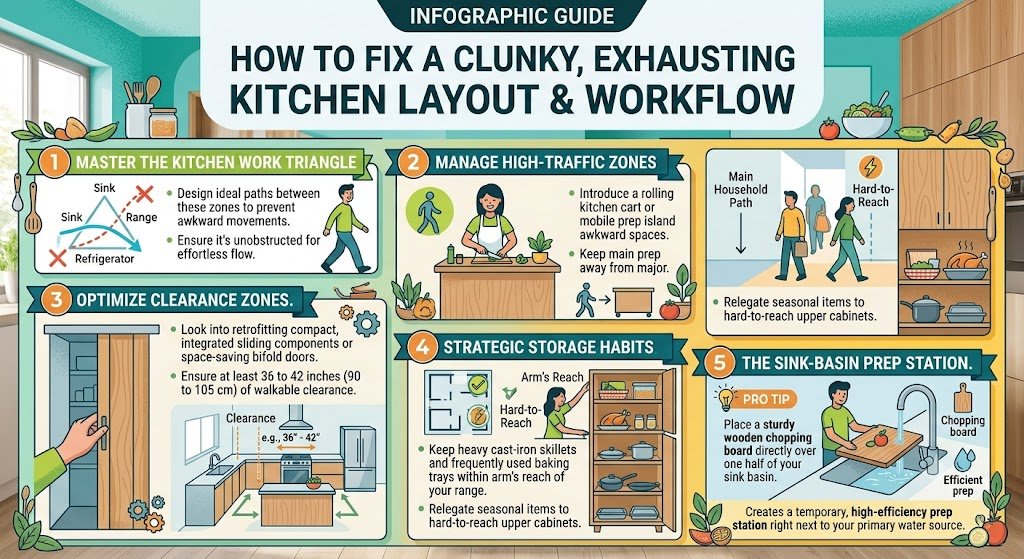
⚠️ **Don’t let minor kitchen issues ruin your cooking experience! Whether you’re dealing with poor layout flow, layout wear-and-tear, or appliance glitches, we have mapped out the exact practical fixes for you. Click here to unlock the Kitchen Troubleshooting Blueprint and bring the functionality back to your space today.
11. Reclaimed Wood Accents
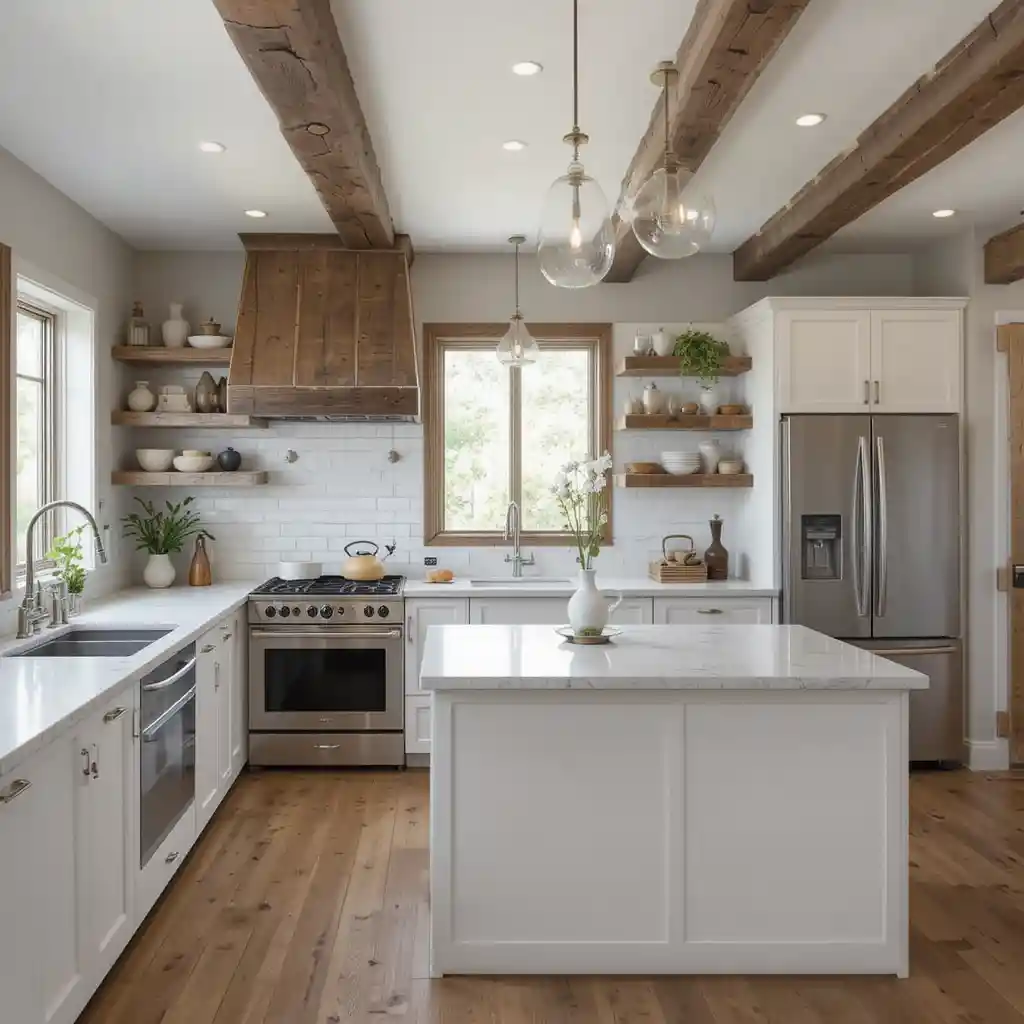
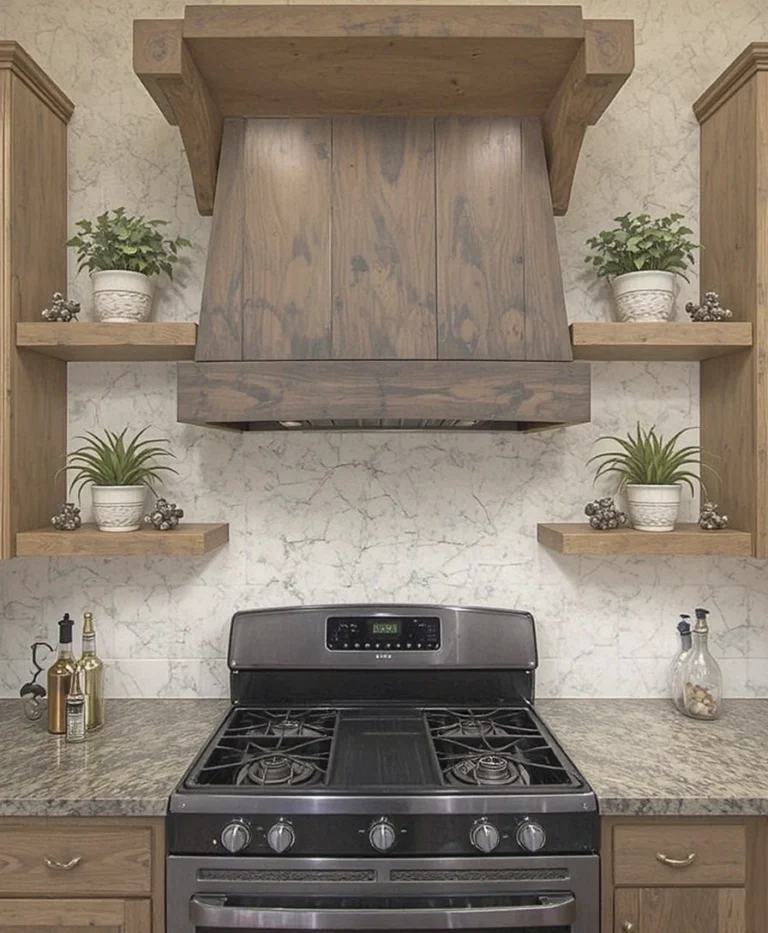
Sustainability and character go hand in hand. Incorporate genuine reclaimed wood through custom floating shelves, hood vent covers, or structural ceiling beams. This sustainable design choice adds a sense of soul, history, and raw texture to your modern cooking zone.
12. Pale Gray Cabinetry
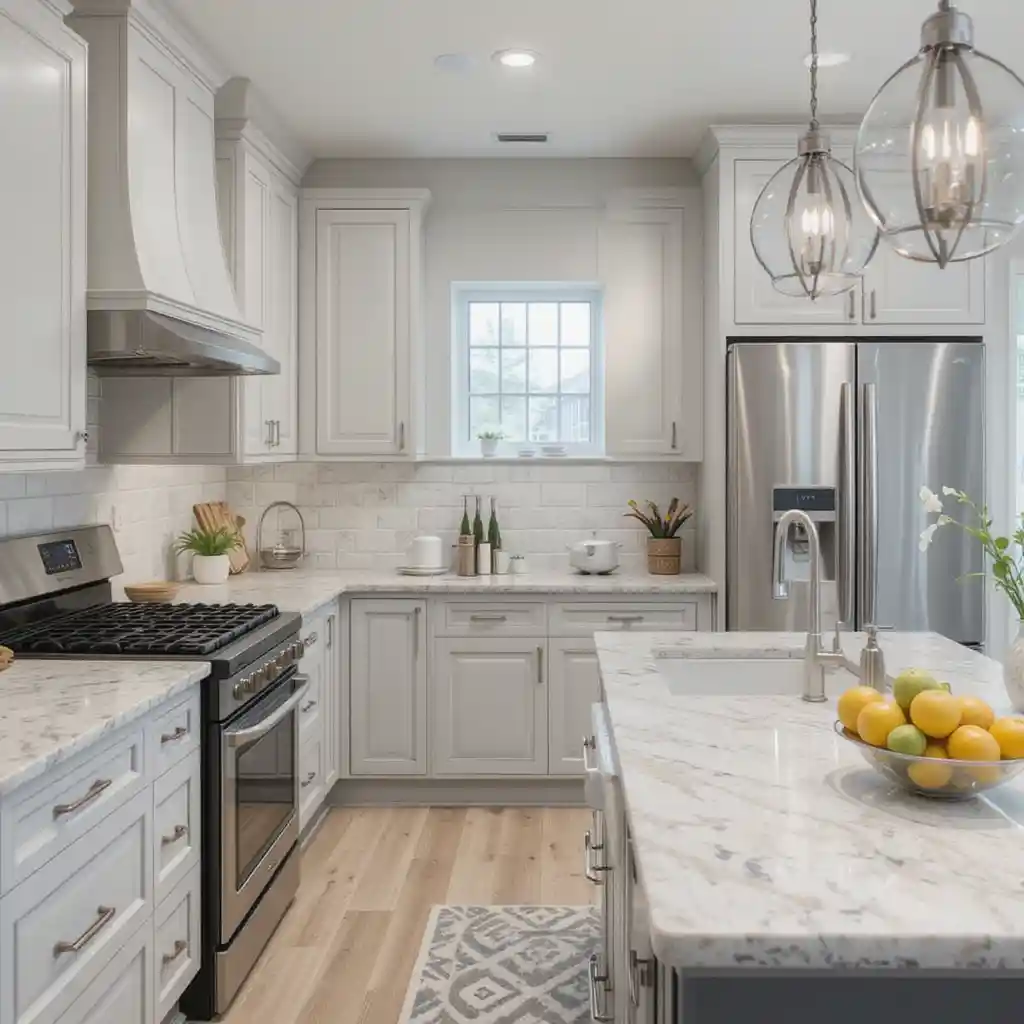
For homeowners who prefer a cooler aesthetic but want to avoid white, choose pale gray cabinets for a calm, fresh look. Lighter grays with warm undertones complement natural stone countertops and stainless steel appliances beautifully without ever making the heart of your home feel cold or uninviting.
13. Subtle Patterned Rugs
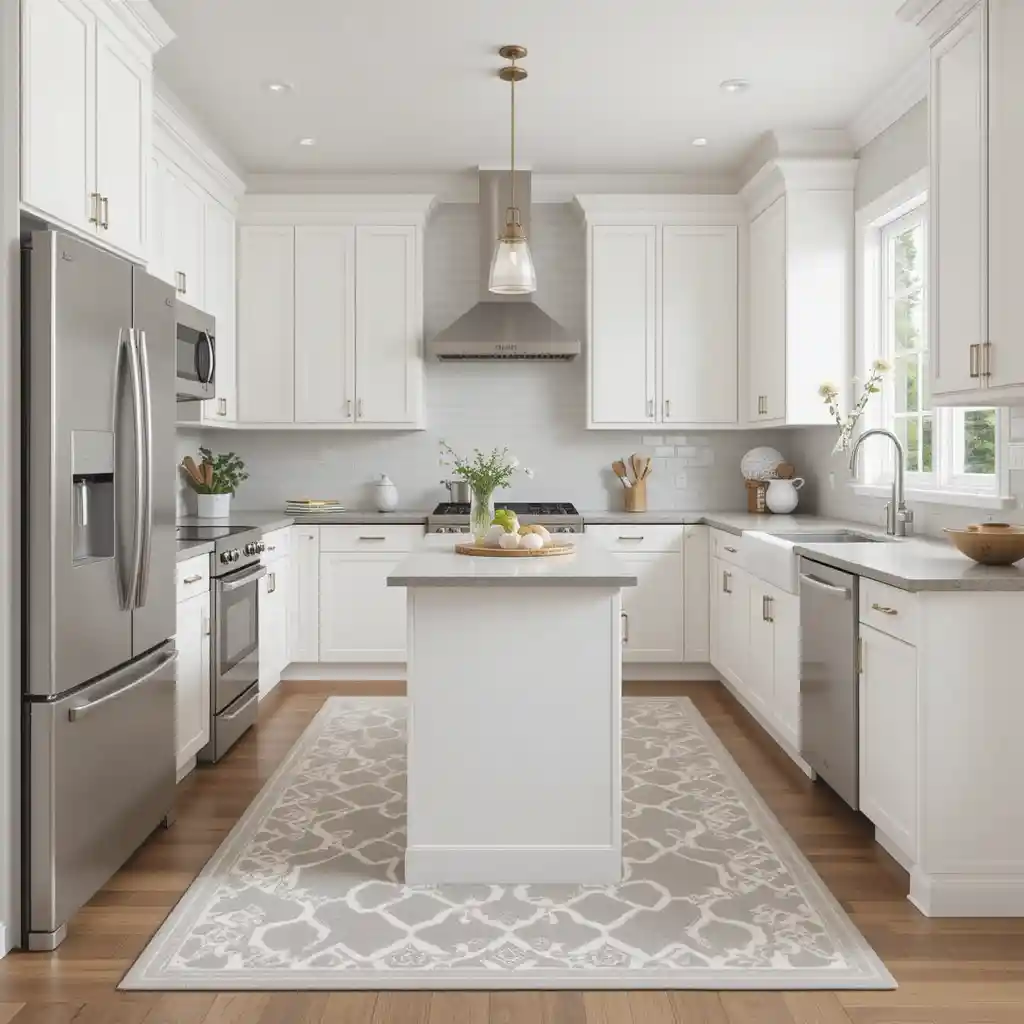
Do not be afraid of patterns, provided they stay within the correct tonal family. Place a neutral patterned runner or rug underfoot to add instant visual dimension without overwhelming the floor plan. Go for distressed beige, ivory, or charcoal tones with simple geometric or vintage patterns for interest.
14. Textured Backsplash with Neutral Stone
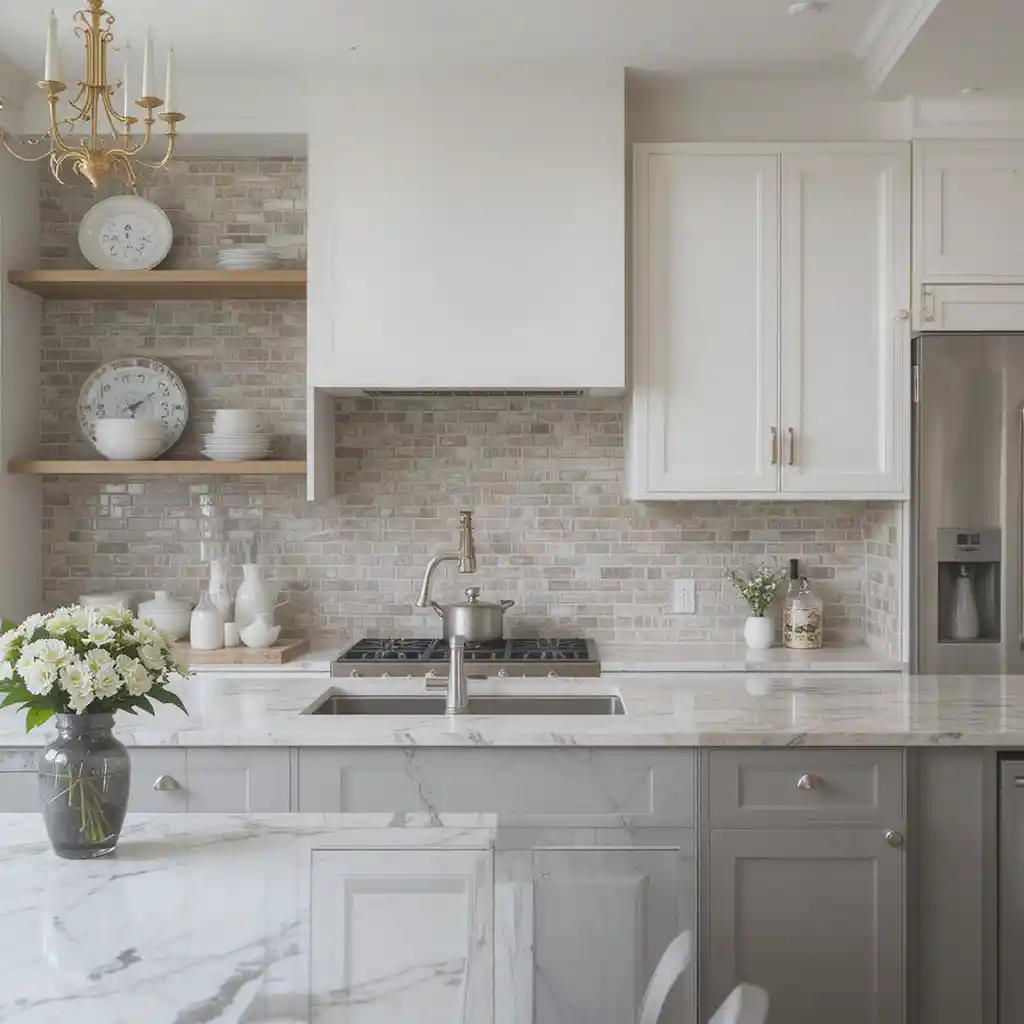
Natural stone in muted, earthy colors such as travertine, limestone, or honed marble adds immense visual interest. A neutral stone backsplash introduces elegant variations in tone and organic texture without disrupting your peaceful, monochromatic color palette.
15. Butcher Block Countertops
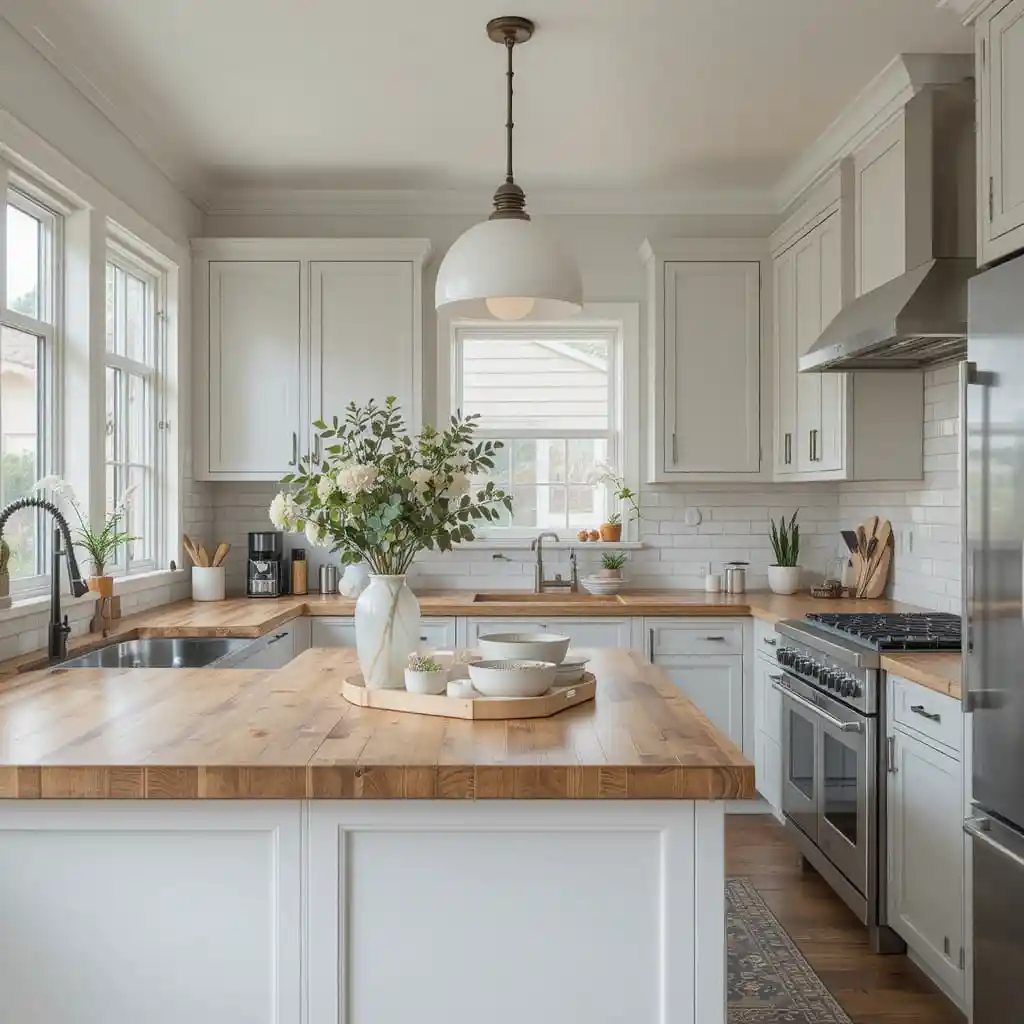
Butcher block countertops offer a deeply natural, warm element in otherwise cool-toned or white spaces. I always specify light maple or white oak finishes for my clients to keep things looking airy, soft, and completely timeless.
16. Soft Greige Paint on Walls
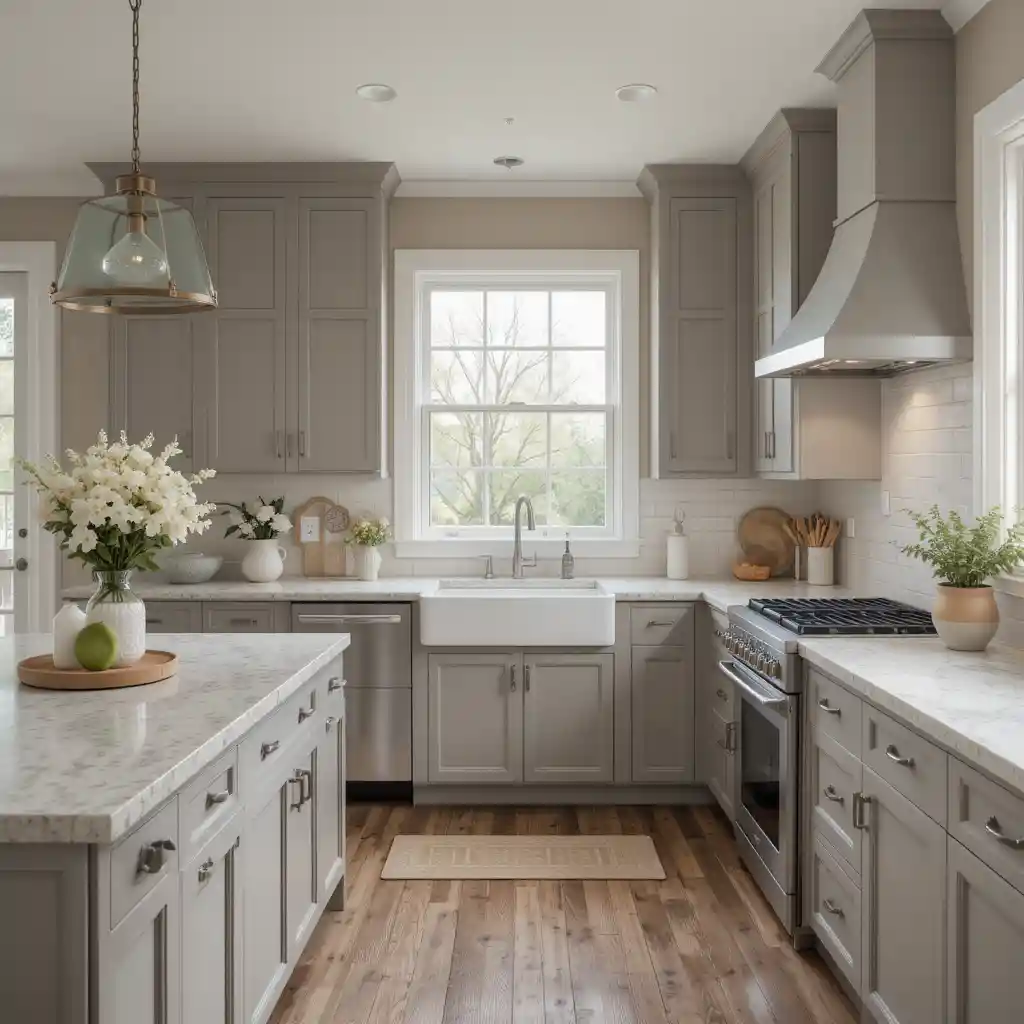
If taupe feels just a bit too warm for your taste and gray feels too sterile, soft greige (the perfect marriage of gray + beige) is your ideal middle ground. This versatile color balances warmth and neutrality perfectly, creating a peaceful, light-reflective environment.
17. Frosted Glass Cabinets
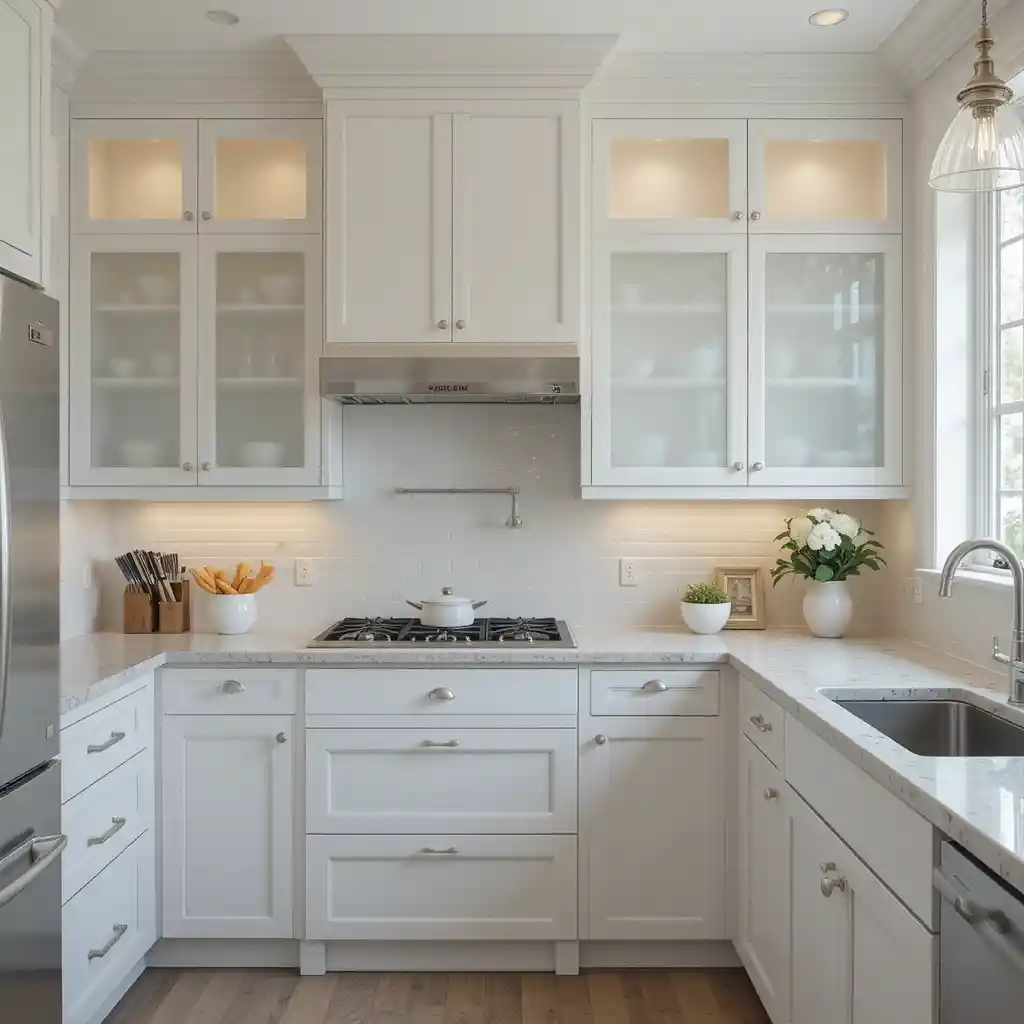
To break up long runs of solid cabinet doors, add interest to your upper cabinetry with frosted, reeded, or ribbed glass doors. They expertly soften the visual weight of the cabinetry, significantly reduce apparent visual clutter, and maintain a light, airy appearance.
18. White-on-White Layering
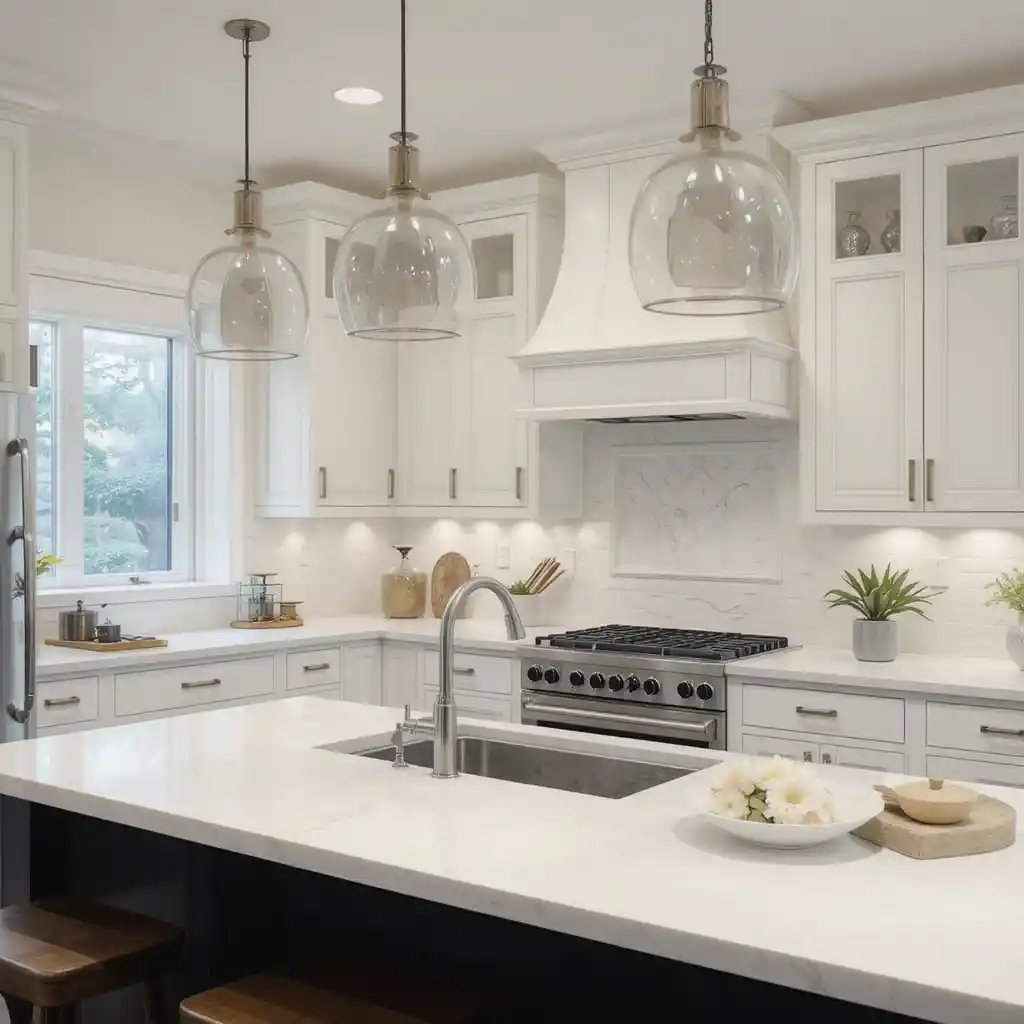
Monochromatic spaces require careful execution. Layer various shades of white—from bright snow to warm ivory and rich alabaster—across your cabinets, walls, and countertops. This creates a deeply rich, layered neutral look that feels clean, intentional, and curated rather than sterile.
19. Minimalist Light Fixtures in Neutral Tones
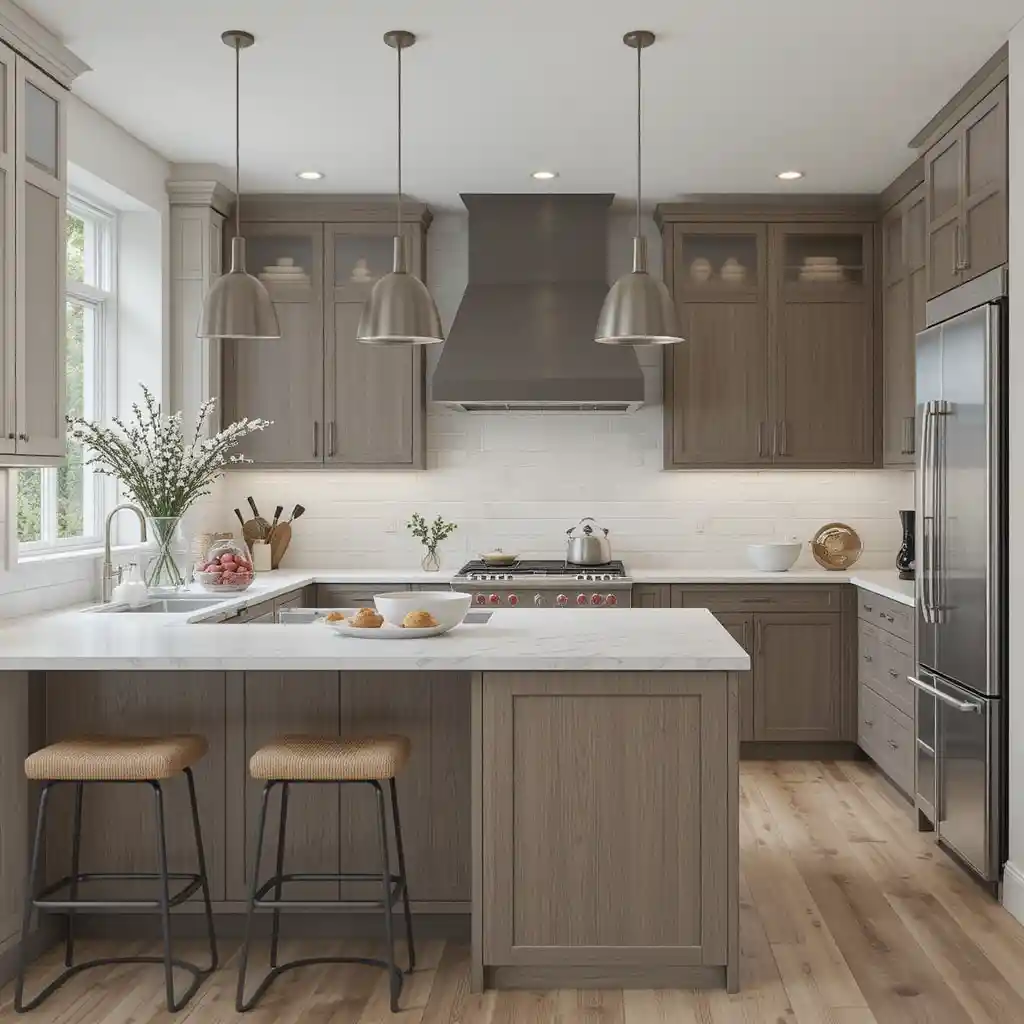
Lighting should complement, not distract. Choose simple, minimalist pendant lights or chandeliers finished in neutral metals like brushed nickel, pewter, or matte black. Their clean lines and toned-down finishes keep the entire space beautifully balanced and calm.
20. Woven Bar Stools or Chairs
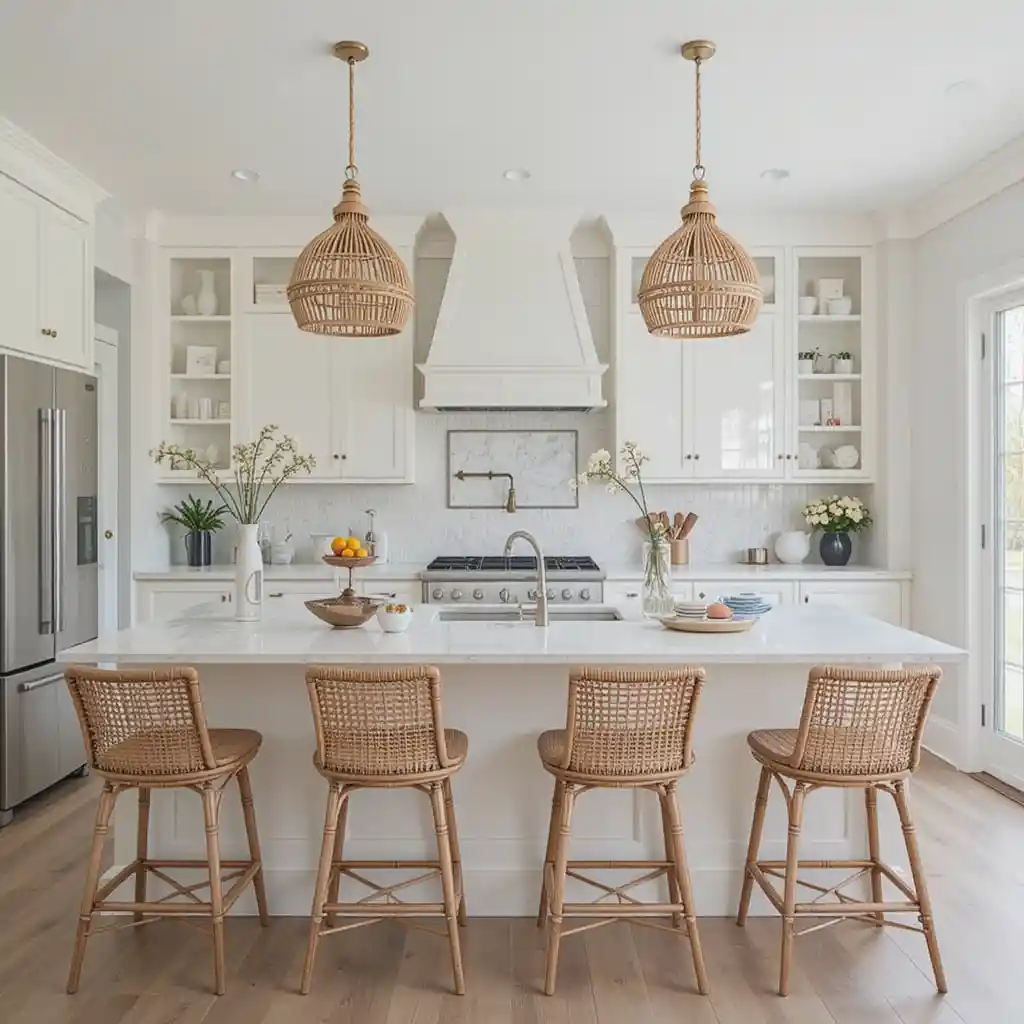
Seating is a brilliant vehicle for adding organic texture. Woven elements like rattan, seagrass, or cane bar stools bring natural warmth and tactile interest to your island seating area while sticking strictly to a sophisticated, neutral color palette.
21. Concrete or Faux-Concrete Accents
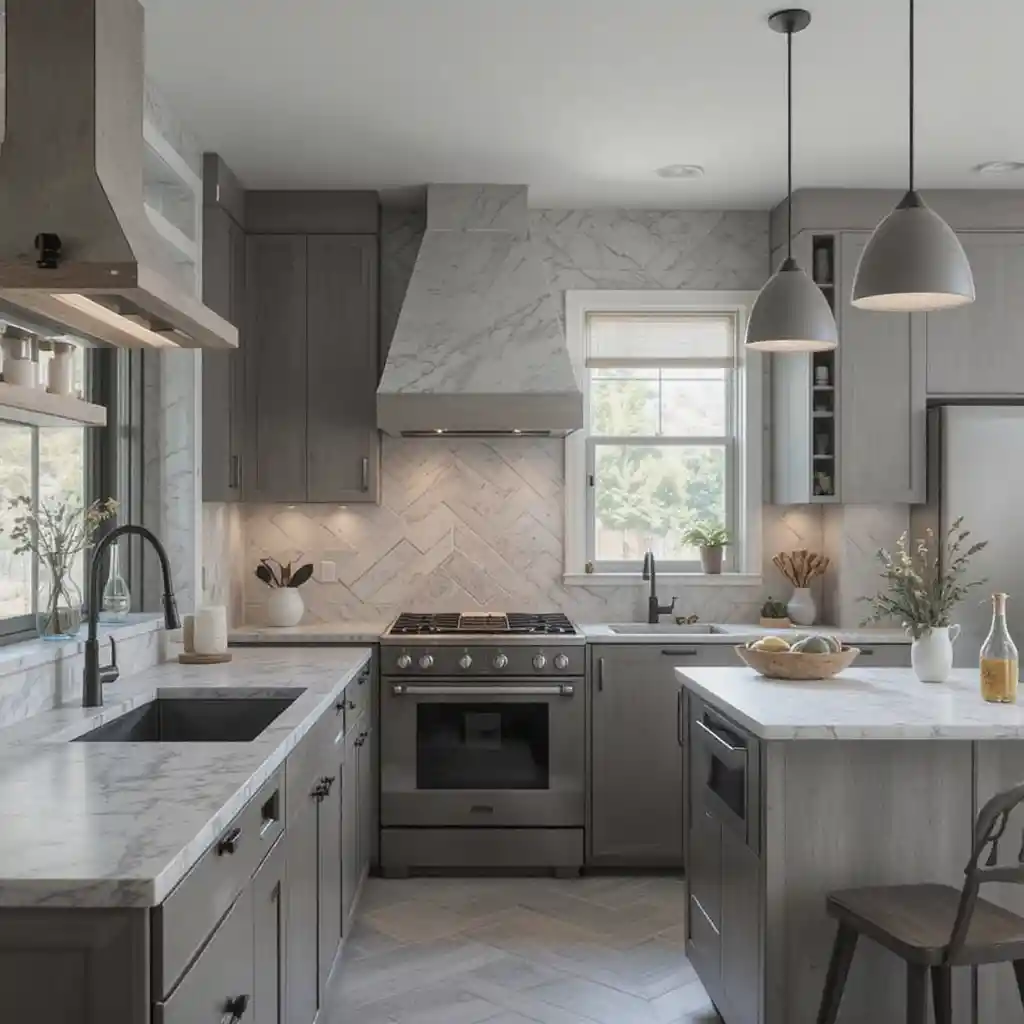
For those who appreciate a touch of modernism, concrete countertops or accent pieces in a soft gray hue add an intriguing industrial edge. This material still fits perfectly into a neutral aesthetic when styled thoughtfully with warm woods.
22. Neutral Ceramic or Terracotta Decor
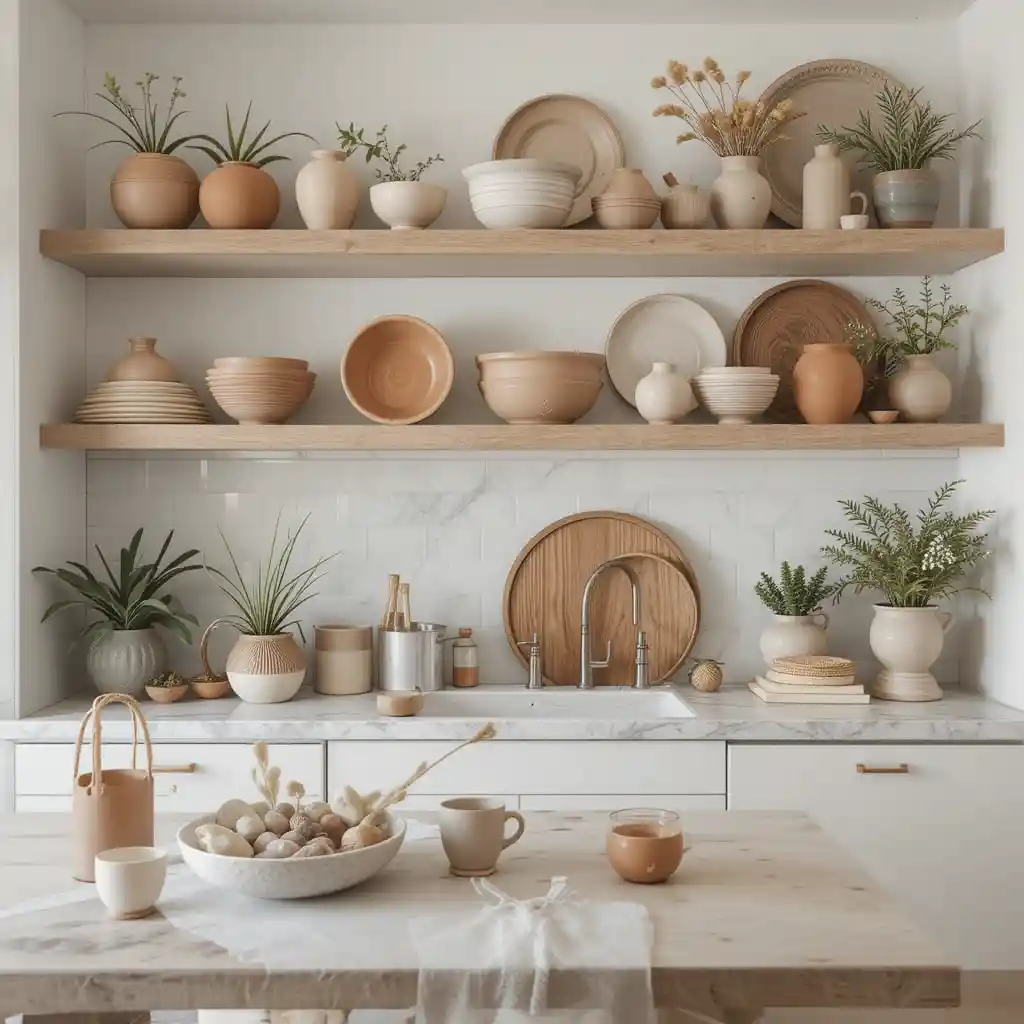
Finishing touches are what make a space feel lived-in. Use subtle ceramic or unglazed terracotta vases, styling bowls, or herb planters as shelf or counter decor. Their muted, earthy tones bring a final touch of natural character to your beautiful new space.
Pro Optical Tricks & Styling Hacks for Neutral Kitchens
When applying these Neutral Kitchen Ideas, you can use specific professional design tricks to manipulate how the size of the room is perceived:
The Vertical Paint Trick: Paint your base cabinets, upper cabinets, and walls the exact same shade of warm greige. This eliminates visual boundaries, forcing the human eye to travel upward, making a small room feel twice as large.
Reflective Contrast: Pair completely matte cabinet doors with high-gloss glazed backsplash tiles. When light hits the glossy tile, it bounces across the room, creating an illusion of openness while the matte cabinets keep the room grounded.
Hidden Appliances: Panel your refrigerator and dishwasher with custom neutral cabinet fronts. Reducing the amount of visible stainless steel creates an uninterrupted visual flow that enhances the calming, serene atmosphere.
Scientific Facts & Data in Spatial Design
As an interior designer, I rely heavily on environmental physics and color psychology to back up my layout choices. Here is why neutral design genuinely works on a human level:
The Psychology of Cortisol Reduction: Clinical studies in environmental psychology show that viewing chaotic, highly saturated colors in high-traffic areas increases cognitive fatigue. Conversely, soft neutral tones like taupe, cream, and low-contrast grays lower visual stimulation, actively reducing cortisol (stress hormone) levels while you cook.
Light Reflectance Value (LRV) Optimization: Soft white and greige paints typically possess an LRV between 70% and 85%. This means they reflect the vast majority of natural daylight entering the room, reducing your reliance on artificial overhead lighting and lowering home energy consumption.
Biophilic Connection: Human brains are hardwired to respond positively to natural textures. Incorporating white oak, limestone, and linen utilizes biophilic design principles, which have been proven to increase feelings of well-being, safety, and domestic comfort.
Frequently Asked Questions (FAQ)
How do I stop a neutral kitchen from looking boring?
The secret to a dynamic neutral space is layering varied textures. Combine matte finishes, rough-hewn natural wood shelves, woven rattan seating, and subtly veined countertops to create visual depth without relying on loud colors.
What is the best neutral paint color for a dark kitchen?
I highly recommend using a soft, light greige or warm alabaster with an LRV (Light Reflectance Value) above 75%. This allows the walls to maximize whatever limited natural light enters the space, keeping it bright.
Are neutral kitchens good for resale value?
Yes, absolutely. Neutral spaces act as a clean canvas, allowing prospective buyers to easily visualize their own lives in the home. They are universally appealing and completely outlast short-lived design trends.
Final Thoughts
Designing a space around thoughtful Neutral Kitchen Ideas is about far more than just picking safe colors—it is a timeless, intentional approach to creating a calming, highly adaptable environment that serves your family for years. By intentionally combining soft, monochromatic hues, natural organic textures, and simple elegant accents, you can build a kitchen that feels both incredibly current and entirely classic.
Whether you are taking on a massive structural renovation or just refreshing the small details like hardware and paint, these 22 ideas will help you craft a space that is truly serene, highly functional, and stunning. Enjoy the design process, trust your instincts, and embrace the quiet luxury of a beautifully balanced home.