
I have spent more hours than I would like to admit standing in front of wallpaper swatches, trying to decide which shade would actually work for a room. Room wallpaper colors carry far more weight than most people realize, since the right tone can shift the entire feeling of a space within minutes of walking through the door.
Whether you are drawn to soft pastels or deep saturated hues, choosing among room wallpaper colors is one of the most personal design decisions you will ever face, and I want to walk you through twenty ideas that genuinely worked for me. Each one below comes from real experimentation, real second-guessing, and a fair share of trial and error.
1. Soft Sage Green for a Calming Retreat
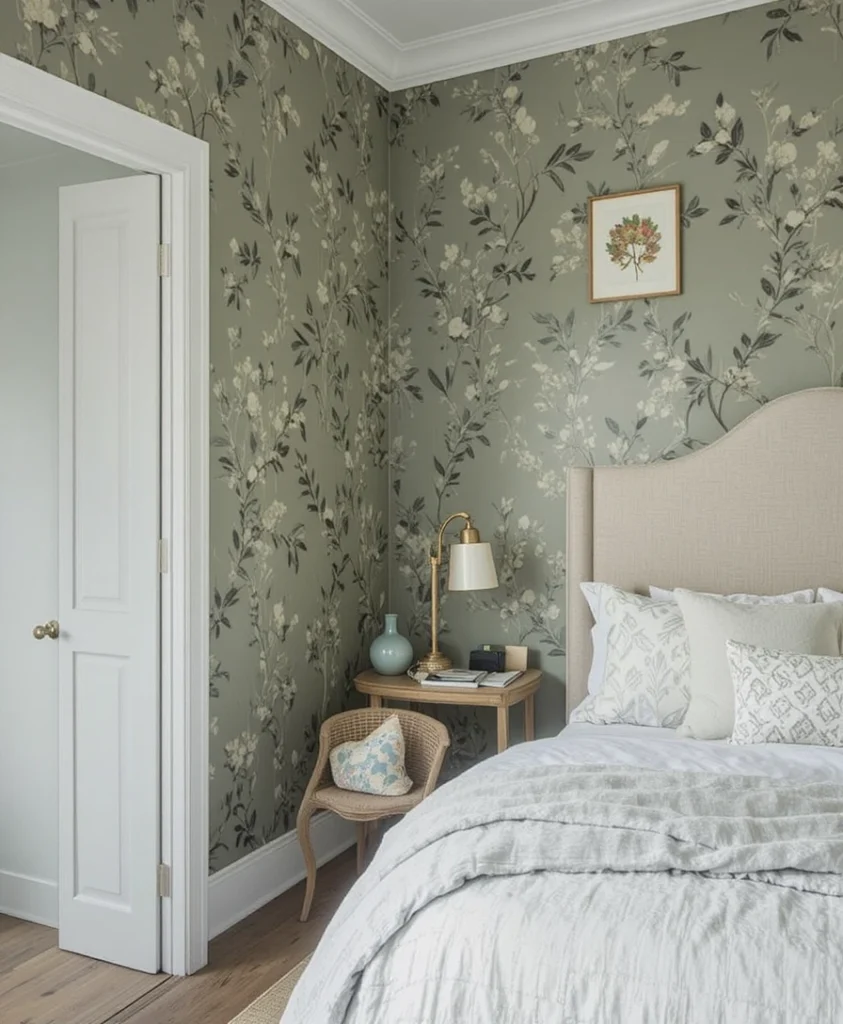
There is something about sage green that immediately softens a room without making it feel flat. I used this in a reading nook once, and the muted, slightly grey-toned green brought a quiet, almost botanical hush to the corner. It pairs beautifully with natural wood tones and linen textures, and it never feels overpowering even in smaller spaces.
2. Charcoal Grey for Moody Sophistication
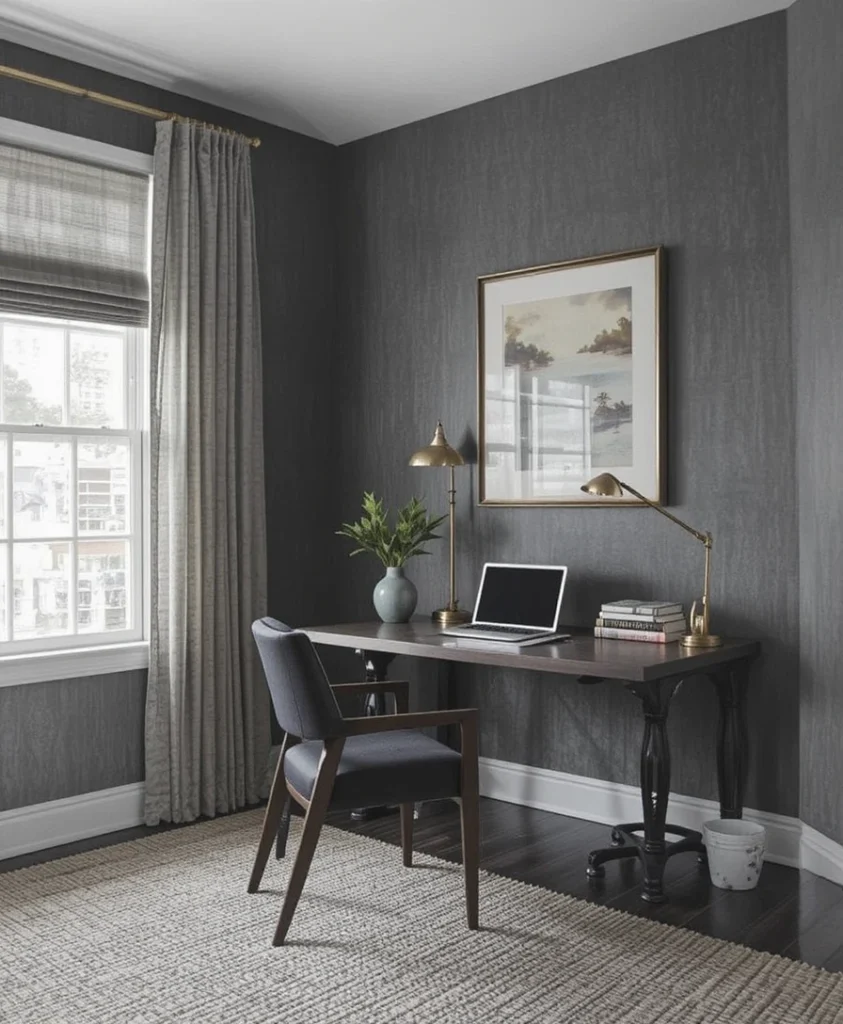
Charcoal grey wallpaper has a way of grounding a room that lighter colors simply cannot replicate. I leaned into this tone for a study area, and the depth it created against brass fixtures was honestly striking. It works best paired with warm lighting, since cooler bulbs can push the grey toward something a little too cold.
3. Warm Terracotta for Earthy Warmth
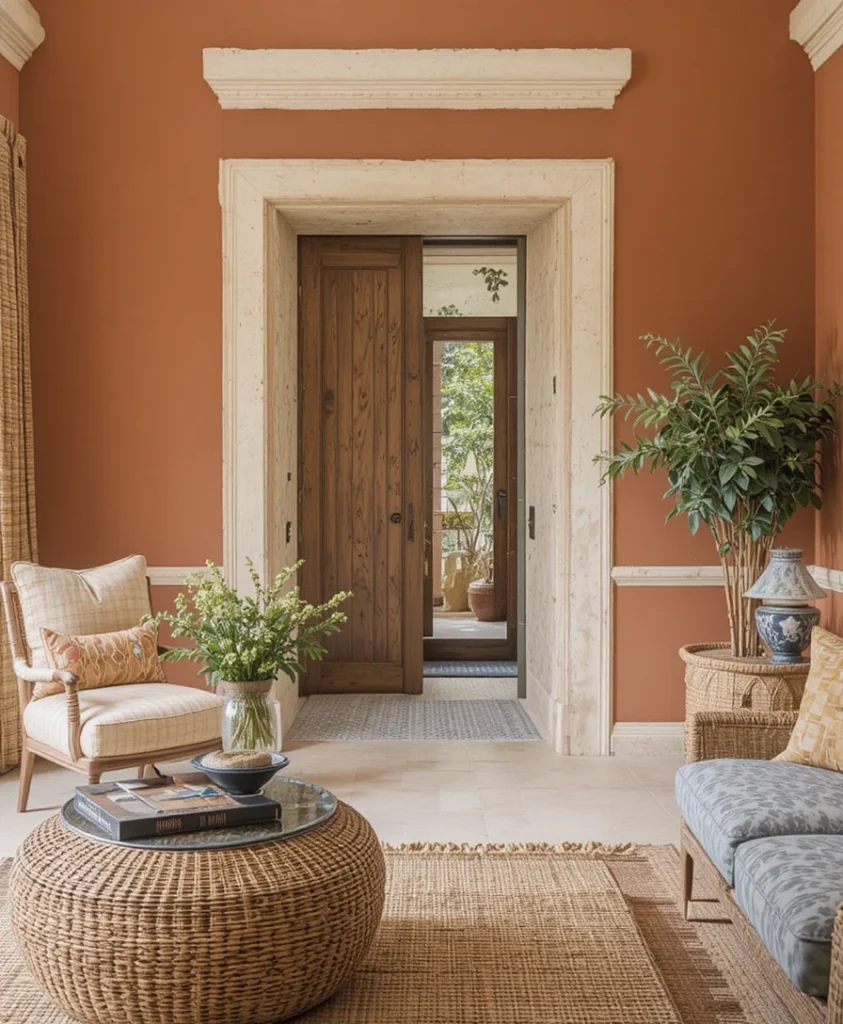
Terracotta has been quietly making its way back into interiors, and I understand exactly why. The clay-like warmth of this shade brings an inviting, sun-baked feeling to a room, almost like stepping into a Mediterranean courtyard. It works wonderfully against cream trim and woven textiles.
4. Pale Blush Pink for Gentle Romance
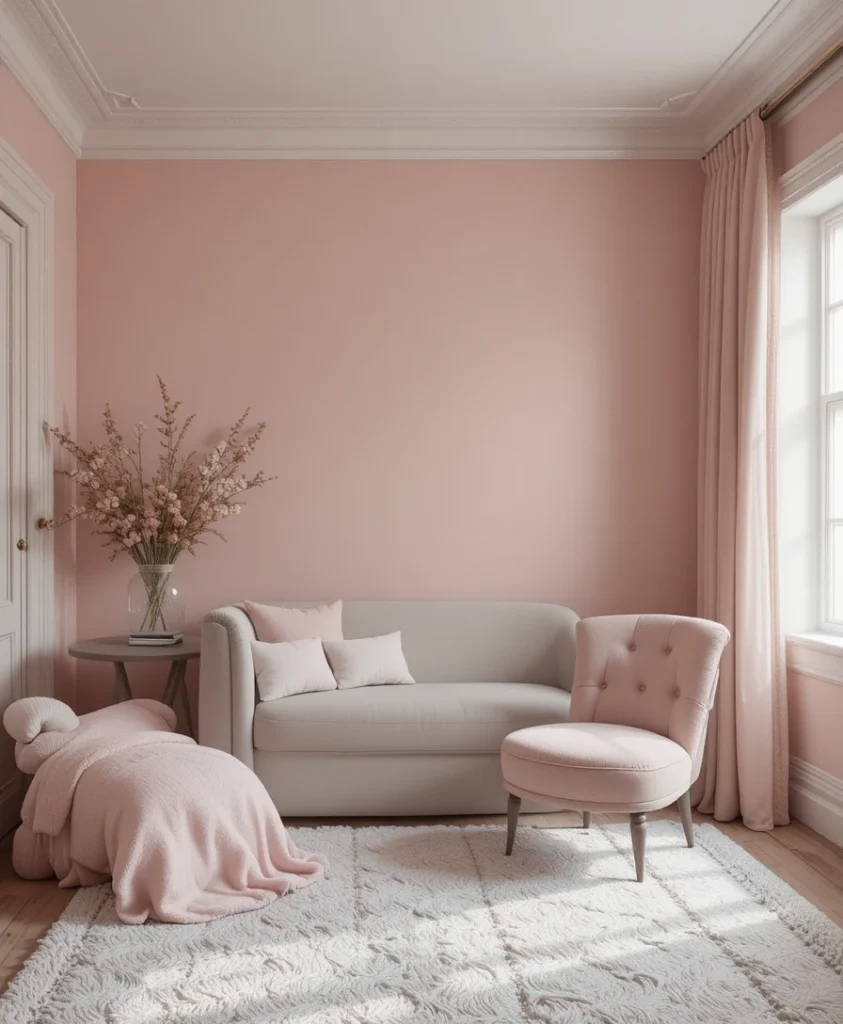
Blush pink walked a fine line for me between feeling too sweet and feeling genuinely sophisticated, and the right undertone makes all the difference. A blush with a slight grey base avoids looking childish and instead gives a room a soft, almost dusty romanticism that lingers without shouting.
5. Deep Navy Blue for Dramatic Depth
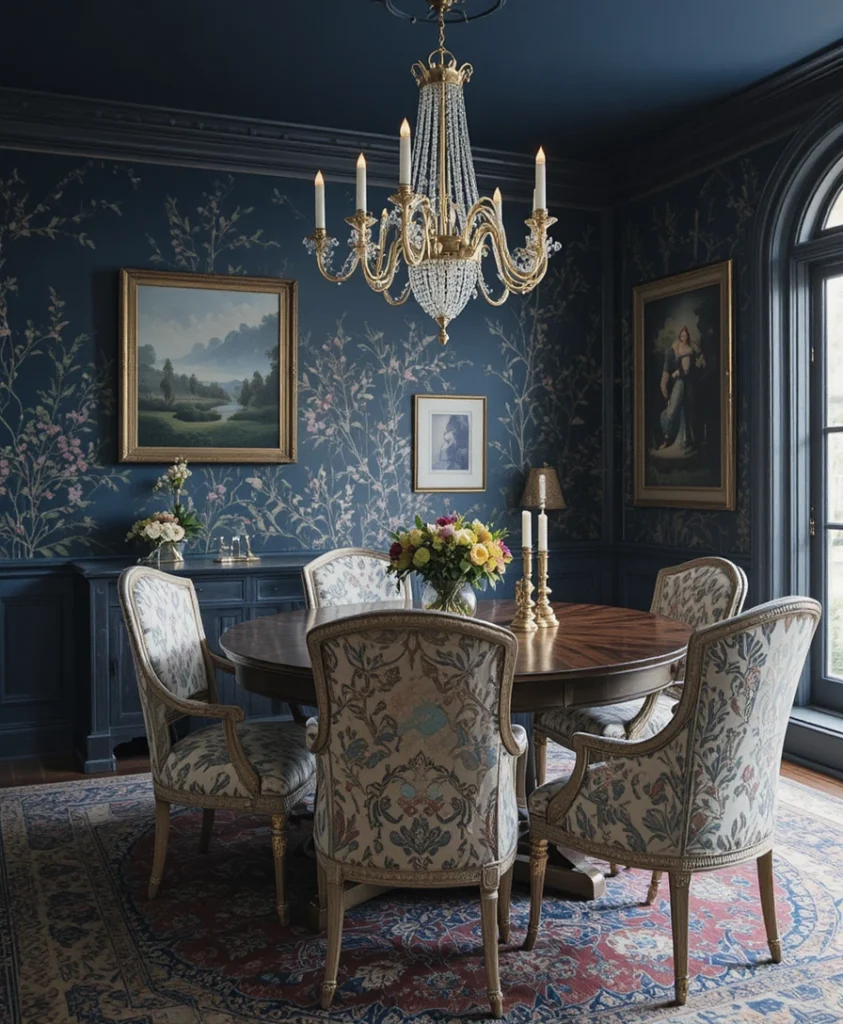
Navy blue wallpaper turned an ordinary dining room into something I genuinely looked forward to sitting in. The richness of the color absorbed light in a way that felt cocooning rather than dark, especially once gold accents and candlelight entered the picture.
6. Buttery Yellow for Cheerful Mornings
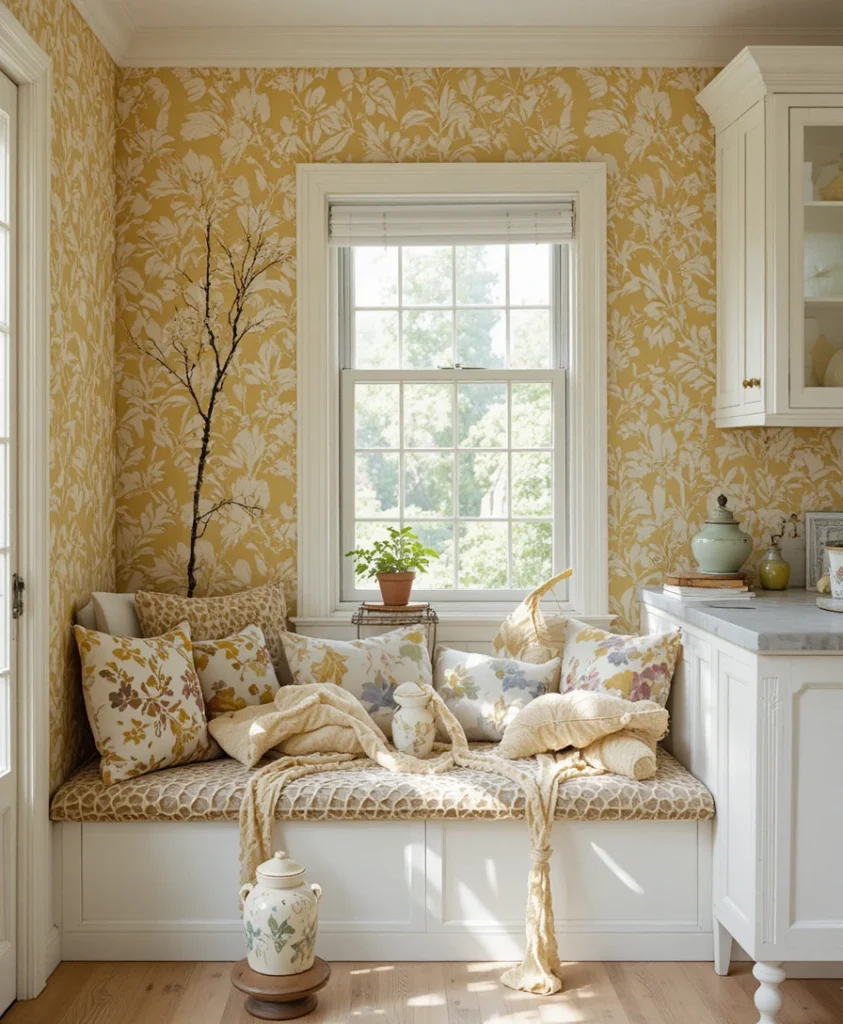
A buttery, slightly muted yellow gave a kitchen nook a warmth that felt like permanent sunlight, even on overcast days. I avoided anything too saturated, since a softer yellow tends to age better and pairs more gracefully with white cabinetry.
7. Olive Green for Grounded Elegance
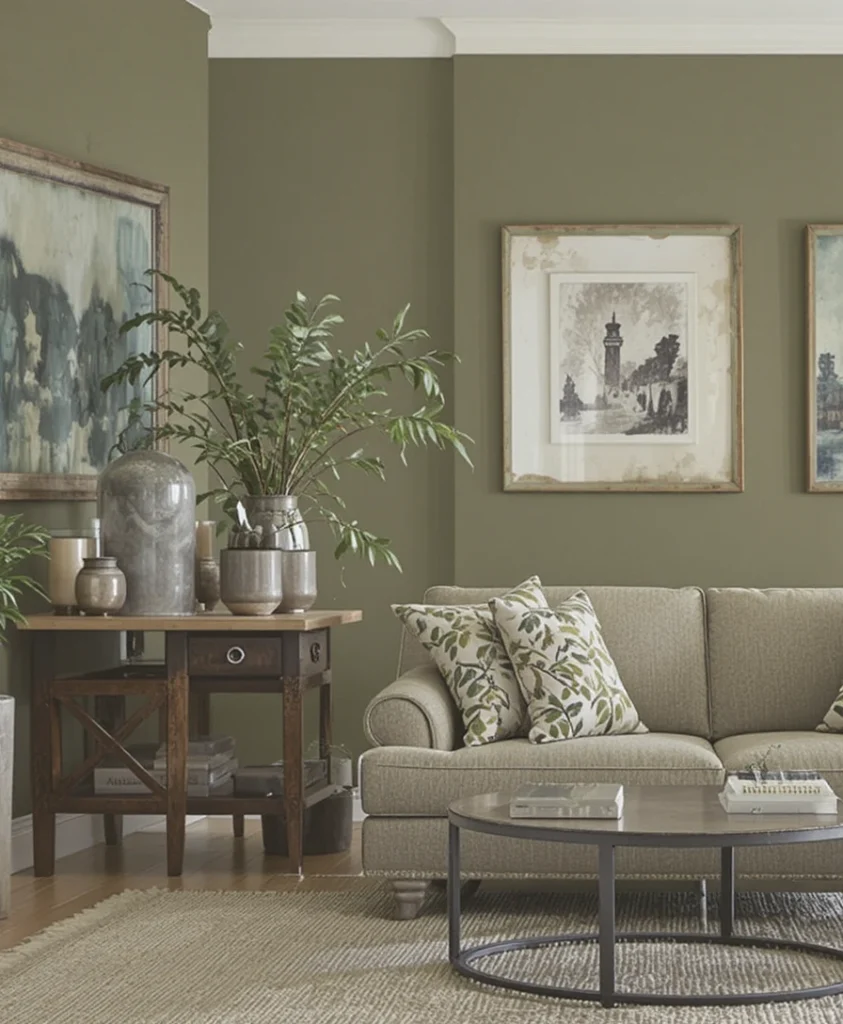
Olive green carries an earthy maturity that sage green does not quite reach. I used it in a living room and found it surprisingly versatile, sitting comfortably alongside both rustic wood and more contemporary metal finishes without ever feeling indecisive.
8. Dusty Lavender for Soft Femininity
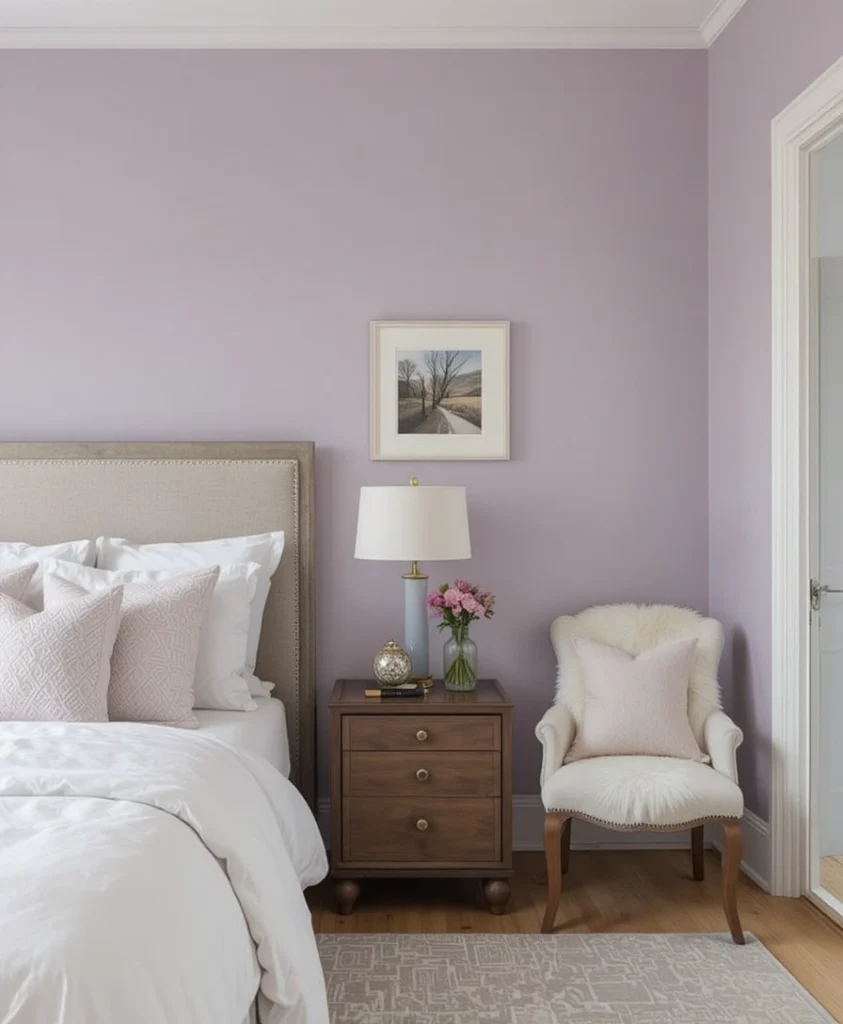
Lavender with a dusty, greyed-out finish avoids the overly delicate quality that brighter purples often carry. It brought a quiet, almost dreamlike calm to a bedroom, and against white linens it created a palette that felt deliberate rather than accidental.
9. Rich Burgundy for Bold Luxury
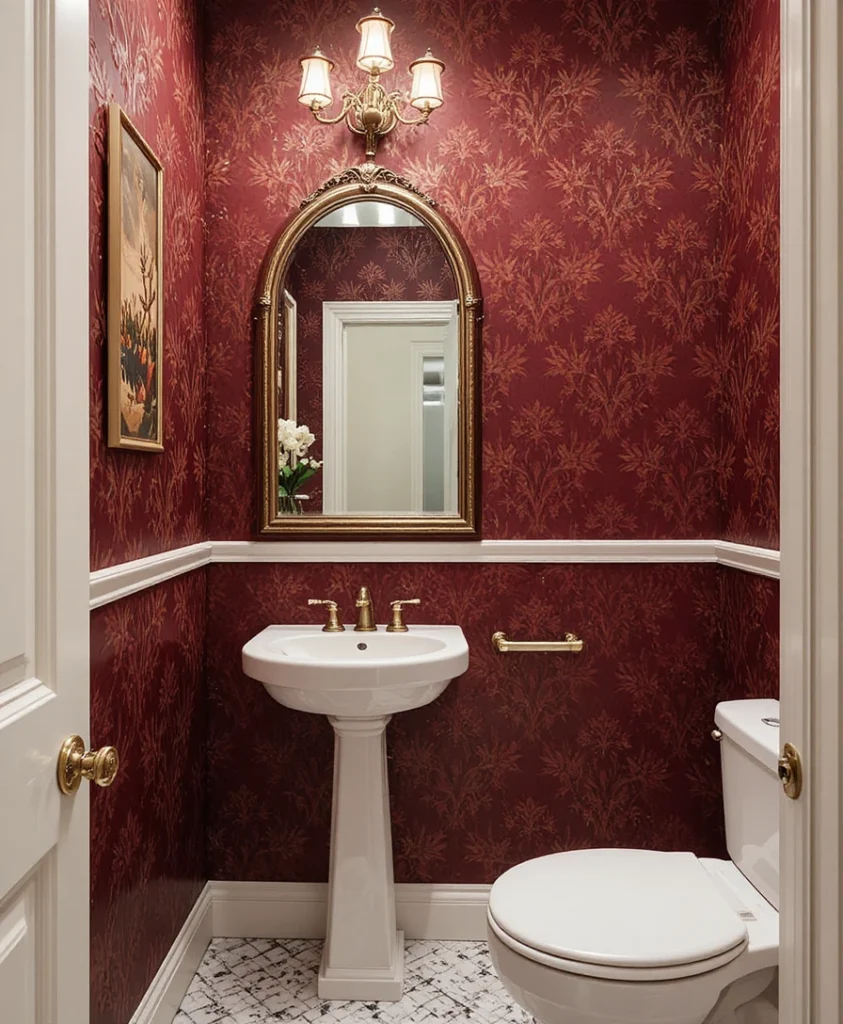
Burgundy wallpaper is not for the faint of heart, but in a powder room it created an atmosphere that felt genuinely indulgent. The deep wine tone caught light beautifully against brass hardware, and it turned a small, often overlooked space into a memorable one.
10. Soft Beige for Timeless Neutrality
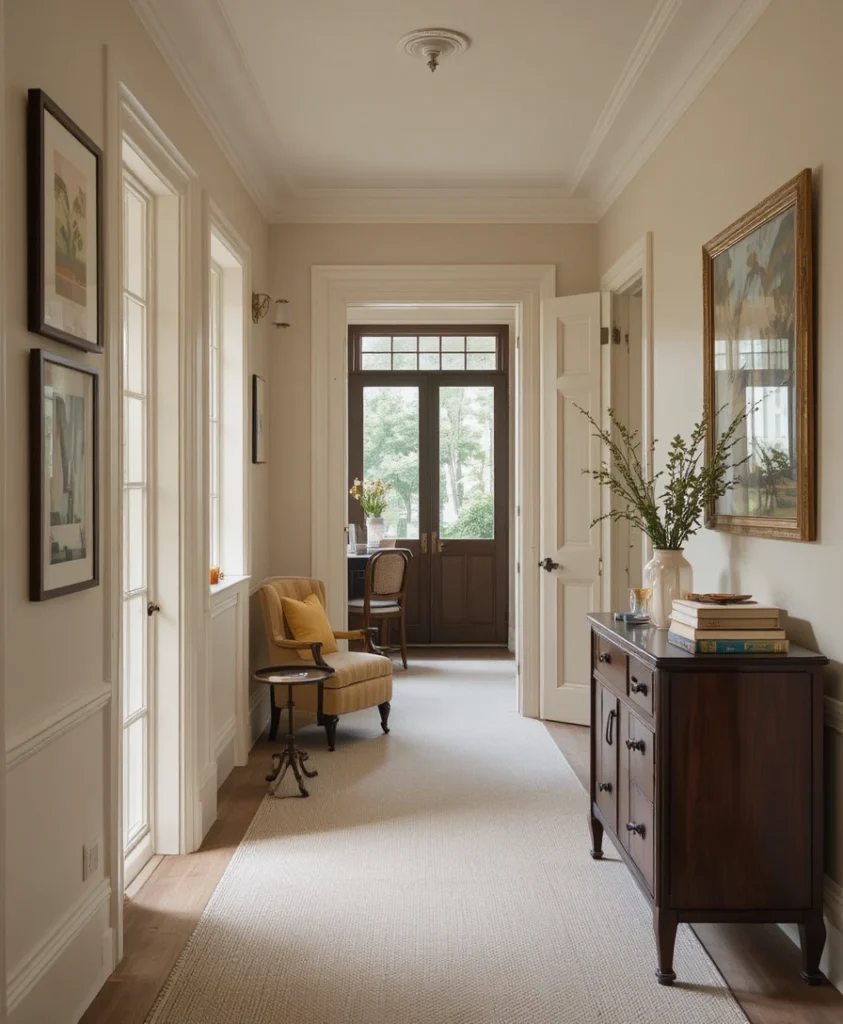
Beige rarely gets the credit it deserves, but a warm, sandy beige gave a hallway a calm consistency that never grew tiresome. It acted almost like a blank canvas, letting artwork and furniture pieces carry more visual weight in the room.
11. Forest Green for Nature Inspired Comfort
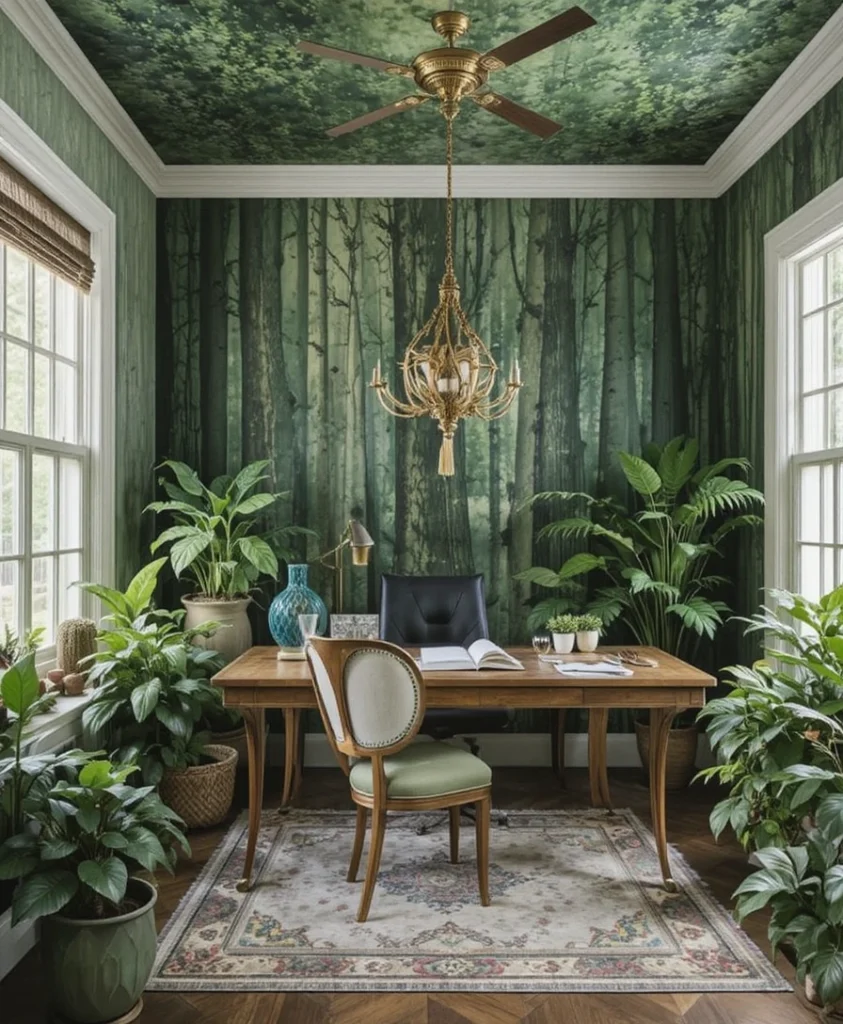
Forest green brought an almost wooded density to a home office, and surrounded by houseplants, the effect felt fully intentional. It is a deeper, more saturated cousin of sage and olive, and it suits rooms where a sense of enclosure feels comforting rather than confining.
12. Pale Grey for Subtle Versatility
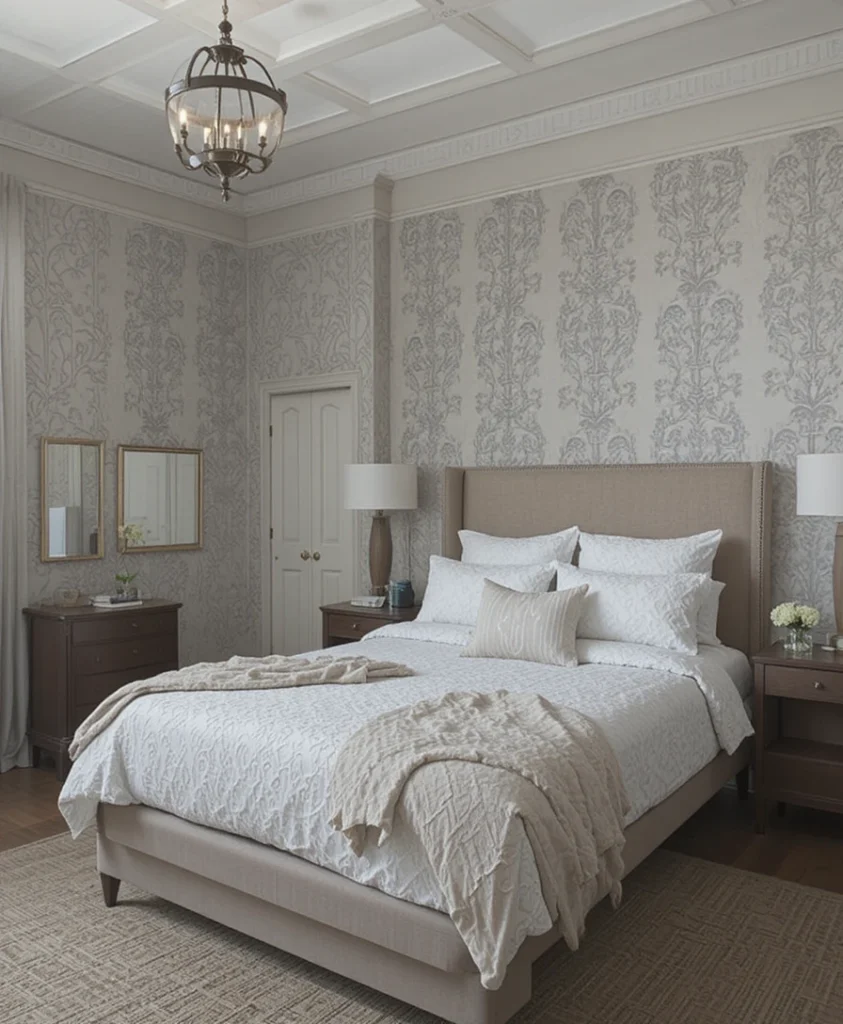
Pale grey wallpaper became my go-to recommendation for anyone unsure of commitment, since it adapts so easily to changing décor. I used it in a guest room, and it allowed accent colors to rotate seasonally without ever needing to repaper.
13. Burnt Orange for Cozy Autumn Vibes
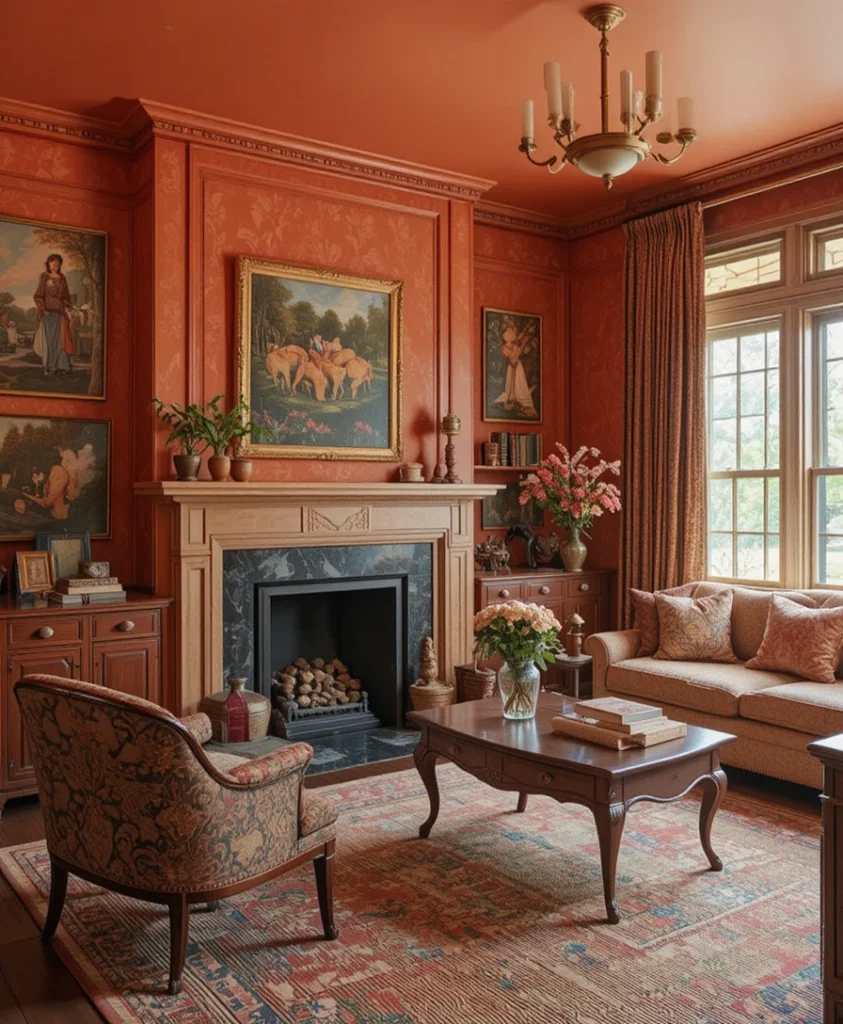
Burnt orange carries a warmth that reminded me of late afternoon light, and in a den it gave the room a constant, low-grade coziness. Paired with deep browns and brass, the color avoided feeling overly bold and instead settled into something inviting.
14. Powder Blue for Airy Freshness
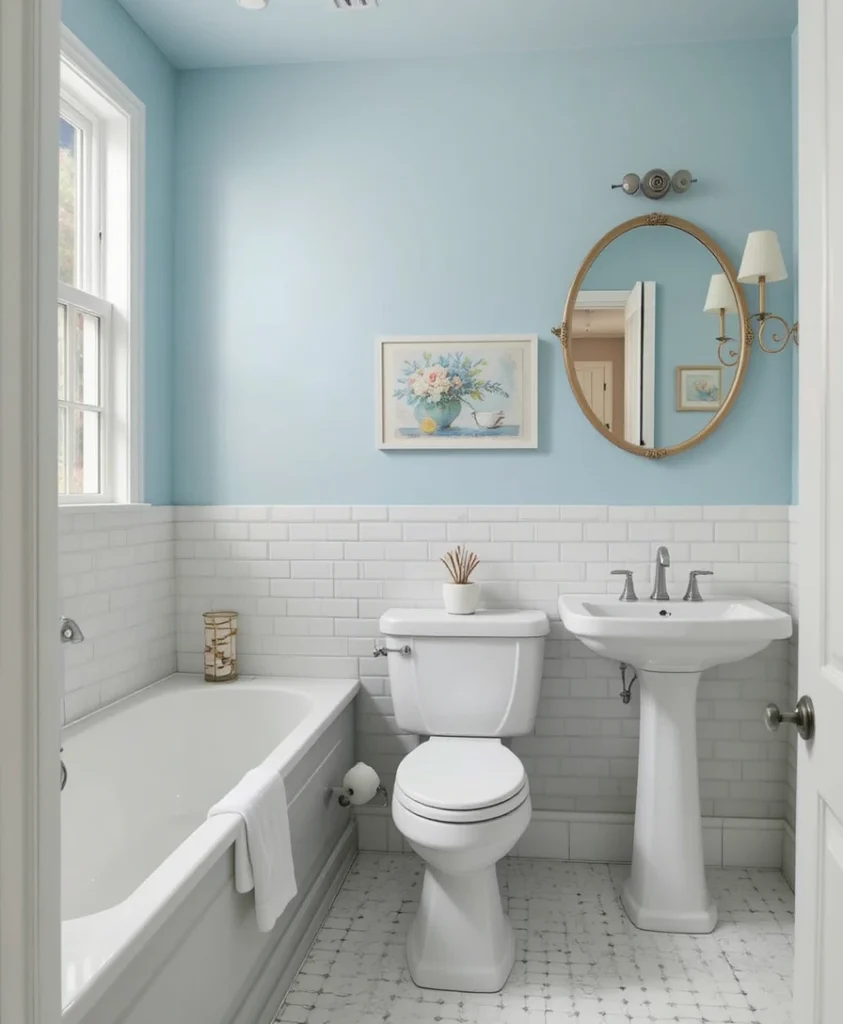
Powder blue gave a bathroom an airy, almost coastal lightness without leaning into anything overtly nautical. It is a gentle, breathable tone that pairs effortlessly with white tile, and it never felt sterile the way some pale blues can.
15. Mustard Yellow for Vintage Character
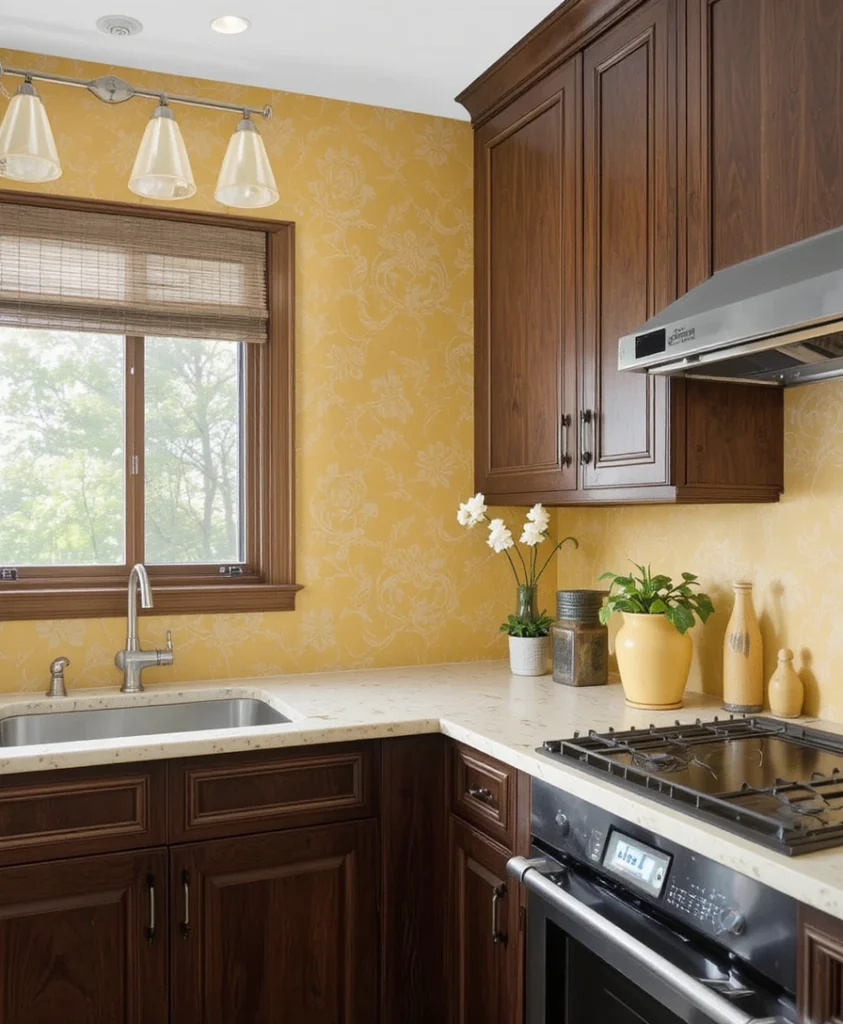
Mustard yellow has a slightly retro charge that I genuinely enjoyed leaning into for a kitchen accent wall. It carries more depth than a standard yellow, and against dark wood cabinetry, it created a contrast that felt curated rather than coincidental.
16. Dusty Rose for Understated Charm
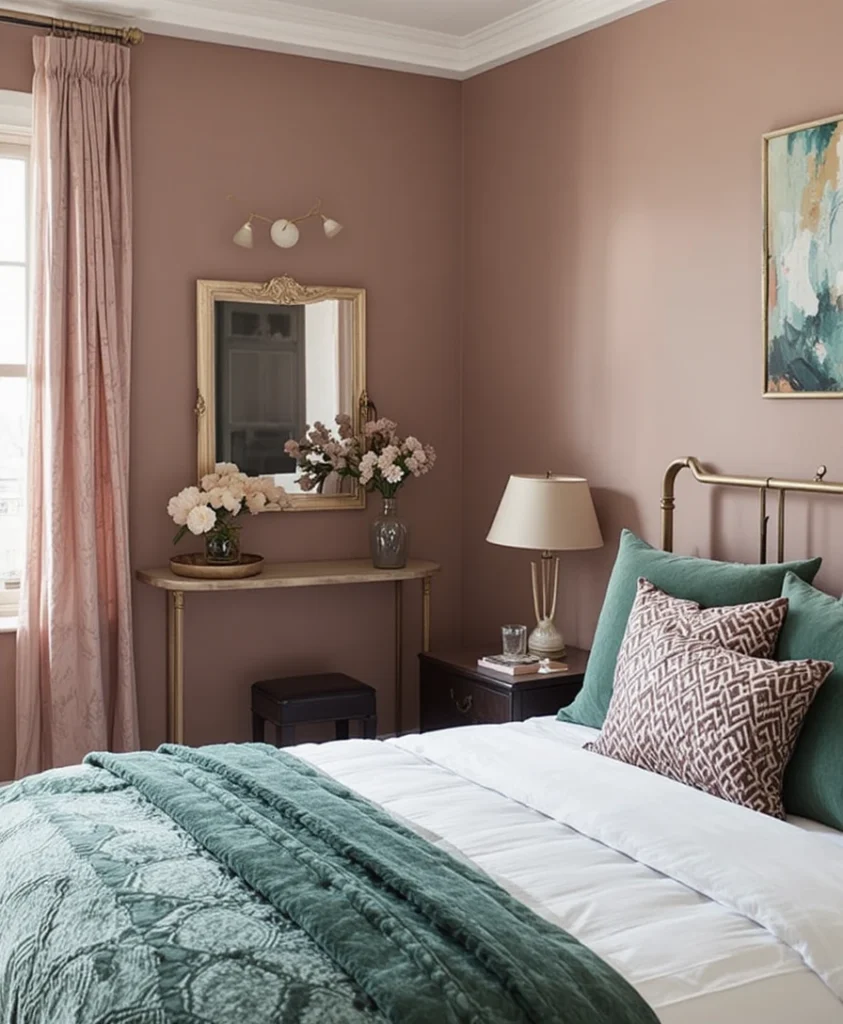
Dusty rose sits somewhere between pink and mauve, and I found it gave a bedroom a quiet warmth that felt mature rather than fussy. It paired surprisingly well with deep green textiles, creating a combination that felt unexpectedly cohesive.
17. Black and White Patterns for Graphic Contrast
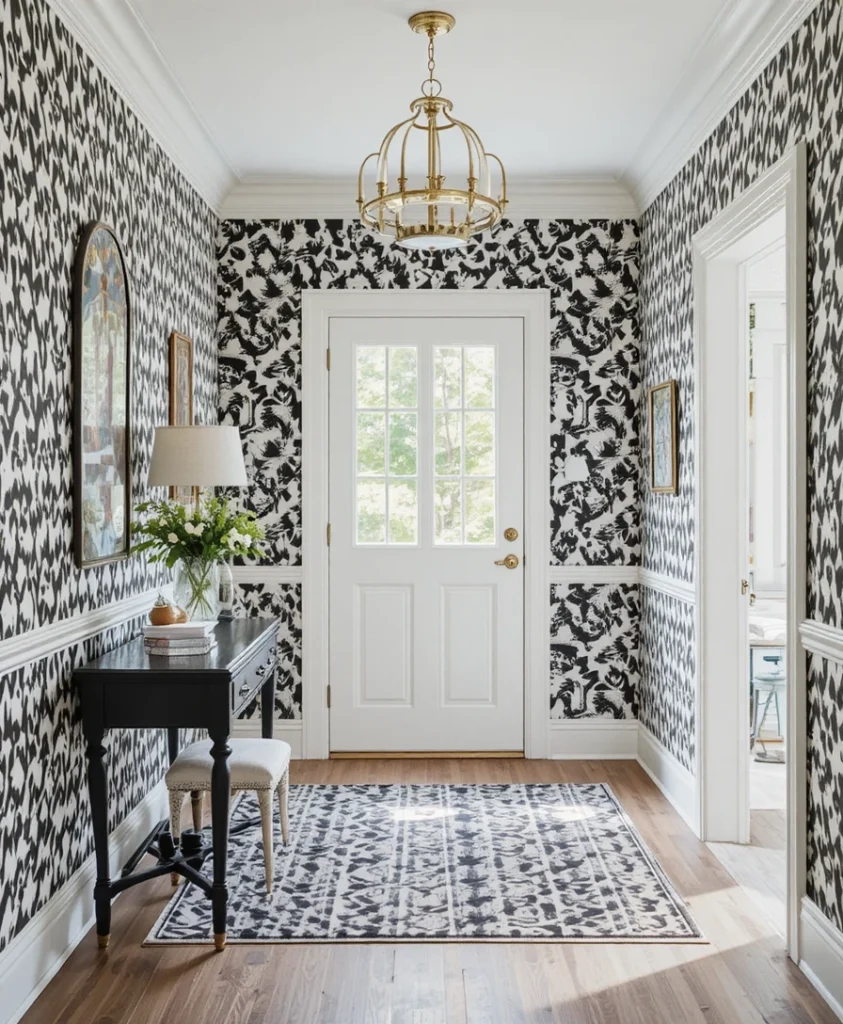
Sometimes color is not the answer, and a black and white patterned wallpaper gave an entryway a graphic punch that solid colors could not achieve. The high contrast created visual movement, and it worked particularly well in a space with otherwise minimal furnishings.
18. Coral Pink for Playful Energy
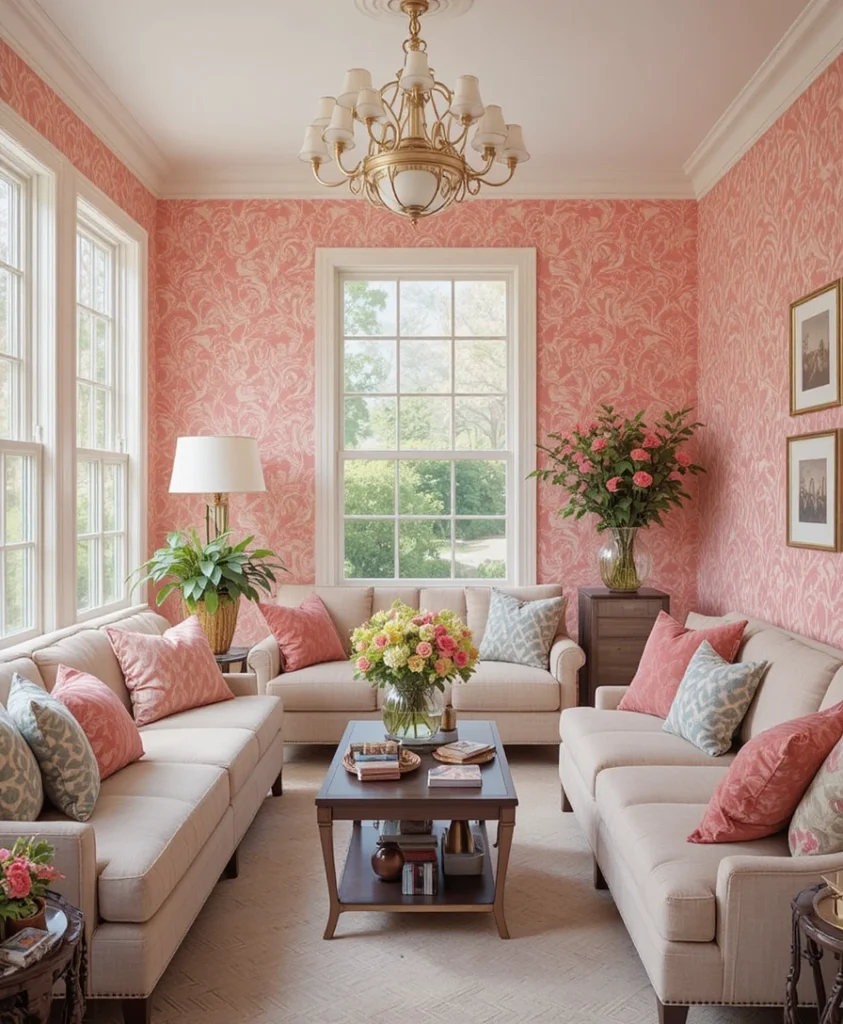
Coral brought genuine liveliness into a sunroom, carrying enough warmth to feel inviting without veering into anything overly saturated. It worked best balanced against neutral furniture, since the wallpaper itself already carried plenty of visual energy.
19. Taupe for Quiet Sophistication
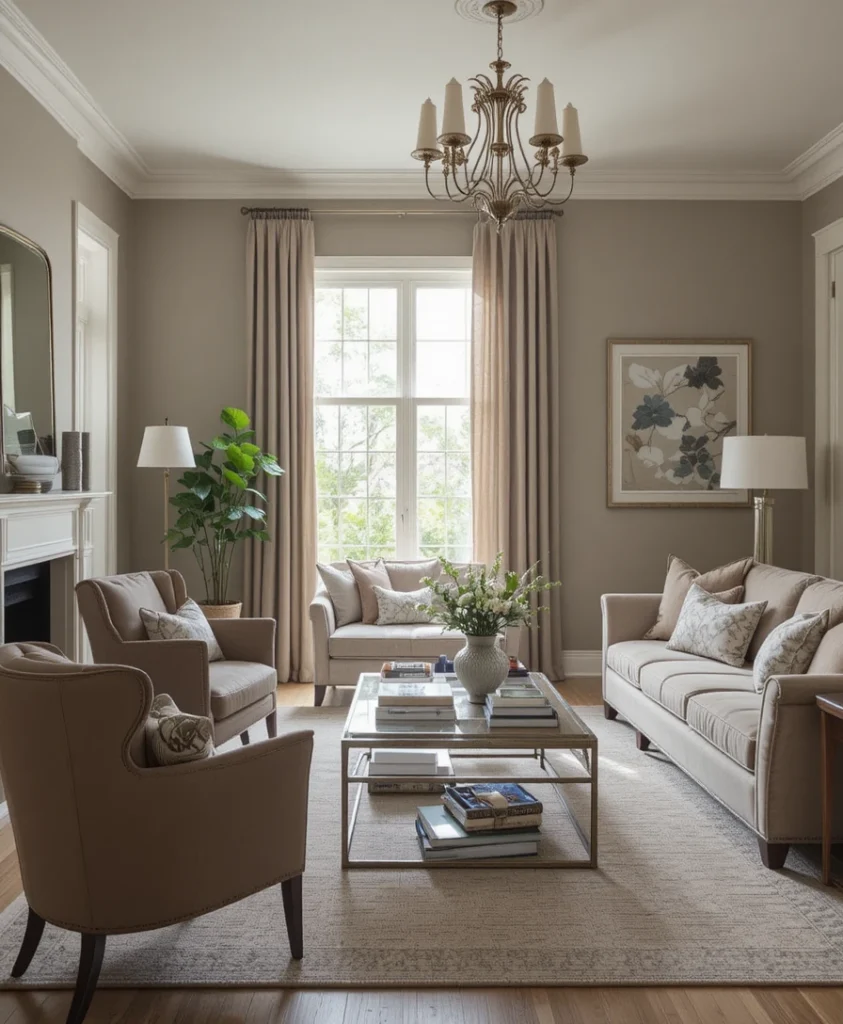
Taupe occupies a strange and wonderful middle ground between beige and grey, and I found it gave a living room a quiet sophistication that felt effortless. It is forgiving with lighting changes throughout the day, never shifting dramatically the way some neutrals do.
20. Emerald Green for Jewel Toned Drama
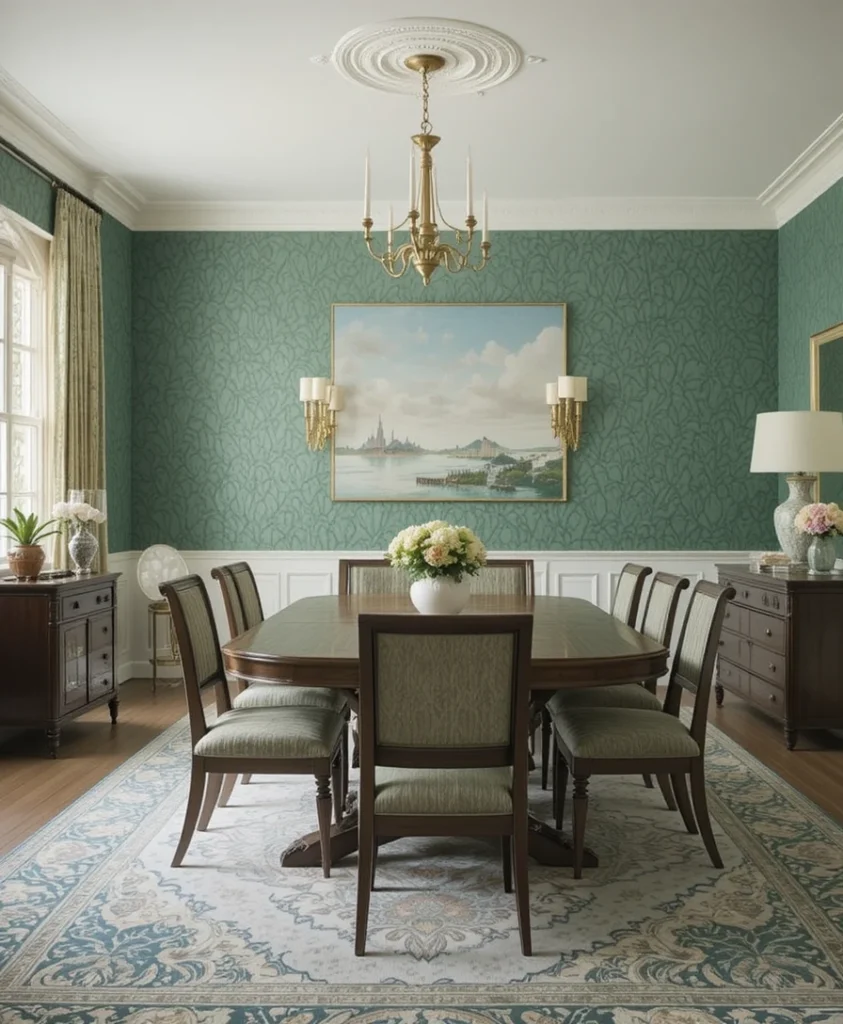
Emerald green wallpaper turned a formal dining room into something genuinely memorable, carrying a jewel-toned richness that felt almost theatrical. Against gold accents and dark wood furniture, the color held its own without ever feeling excessive.
Final Thoughts
After working through all twenty of these room wallpaper colors across different spaces, I can say with confidence that there is no single right answer here, only the right answer for your particular room, lighting, and mood.
Some colors, like sage green or pale grey, offer quiet versatility, while others, like burgundy or emerald, ask you to commit fully to a bolder vision. What matters most is paying attention to how natural and artificial light interact with your chosen shade throughout the day, since a color that looks gorgeous at noon can shift entirely by evening.
I would encourage you to gather actual samples before committing, live with them on the wall for a few days, and trust your own reaction over any trend. Room wallpaper colors are deeply personal, and the best choice is always the one that genuinely feels like home to you.