
When the crisp October air starts creeping through my windows, I get an irresistible urge to completely overhaul my living space. Over my decade as an interior designer, I have learned that crafting the ultimate fall room isn’t just about tossing a random pumpkin onto a coffee table. It is about orchestrating a complete sensory shift—shifting textures, deepening color palettes, and manipulating ambient lighting to trick your mind into feeling cocooned and secure.
When I walk clients through this seasonal transition, my goal is always to create a restorative sanctuary that counters the dropping temperatures outside. Let’s dive straight into 20 masterclass design strategies I use to build an authentic, deeply comforting fall room from scratch.
Quick Reference Comparison Table
| Design Layer | Traditional Approach | My Professional Approach |
| Color Scheme | Bright oranges and neon yellows | Muted ochres, terracotta, olive green, and rich espresso |
| Lighting | Overhead harsh fixtures | Multi-level amber glow using 2200K smart bulbs |
| Textiles | Lightweight cotton and linen | Heavy wool, distressed leather, boucle, and faux mohair |
| Scents | Artificial cinnamon air fresheners | Real cedarwood smoke, dried clove, and amber beeswax candles |
Essential Materials and Tools You Need
Before we get our hands dirty with styling, here is the exact gear list I keep in my studio toolkit for every autumn project:
Warm Ambiance Bulbs: 2200K to 2400K LED filament bulbs (dimmable).
Textile Layering Kit: Minimum 350 GSM throw blankets (wool or chunky knit) and feather-fill cushion inserts sized 2 inches larger than your pillow covers.
Hardware Essentials: Heavy-duty drywall anchors for hanging heavy tapestries or dense drapery panels.
Natural Elements: Foraged branches (oak, eucalyptus, or olive) paired with heavy ceramic vessels (minimum 12 inches tall for stability).
20 Masterclass Ideas for Your Fall Room
1. Swapping lightweight linens for heavyweight brushed cotton and textured wool
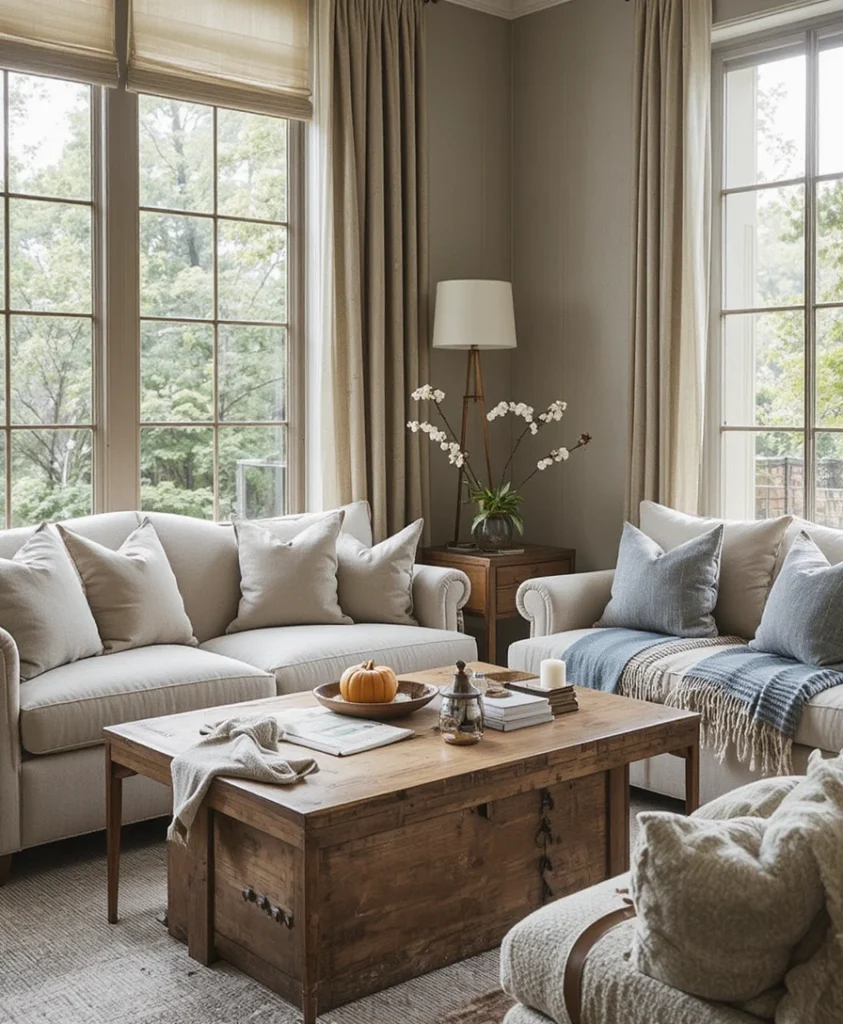
Whenever the seasons shift, I immediately pack away our breezy summer linens and anchor the seating area with heavy, tactile fabrics. I love using raw, undyed wools and brushed cottons because they instantly absorb natural light and offer a deeply satisfying tactile experience the moment you sit down.
2. Upgrading overhead glare with multi-tiered warm amber lighting
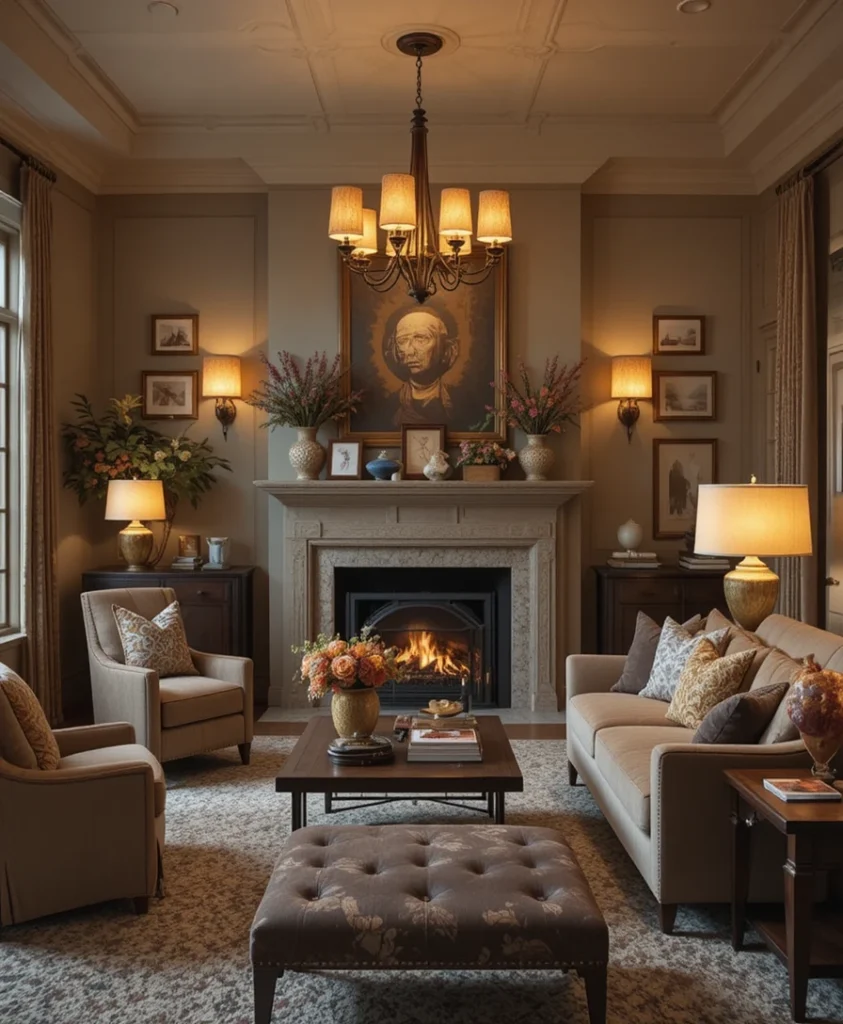
I never rely on a single overhead light fixture when designing a fall room, as harsh white light instantly kills a cozy mood. Instead, I layer table lamps, floor uplights, and wall sconces equipped with 2200K warm bulbs to mimic the rich, golden hue of a flickering fireplace.
3. Introducing deep moody earthy tones through accent wall treatments
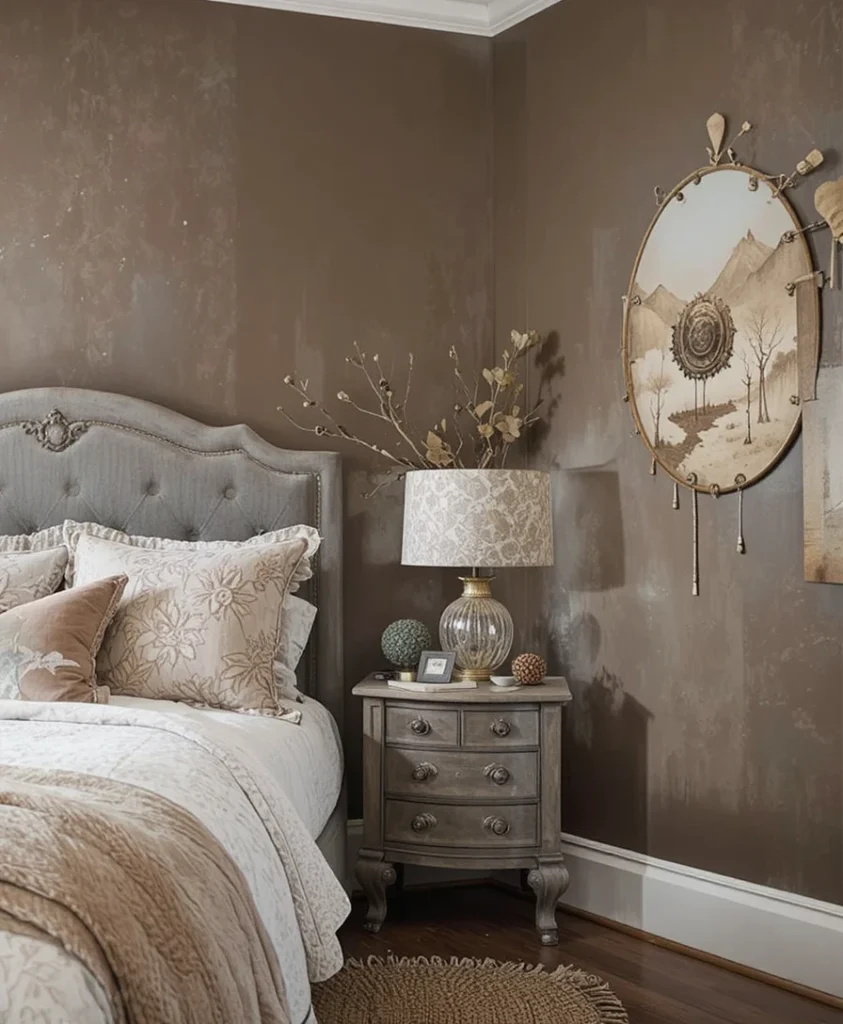
To make a room feel instantly intimate, I often recommend painting a single accent wall in a rich, saturated shade like charcoal, deep olive, or burnt umber. This dramatic color shift absorbs light and tricks the human eye into perceiving the room as more enclosing and protective.
4. Layering rustic reclaimed wood elements to ground the spatial flow
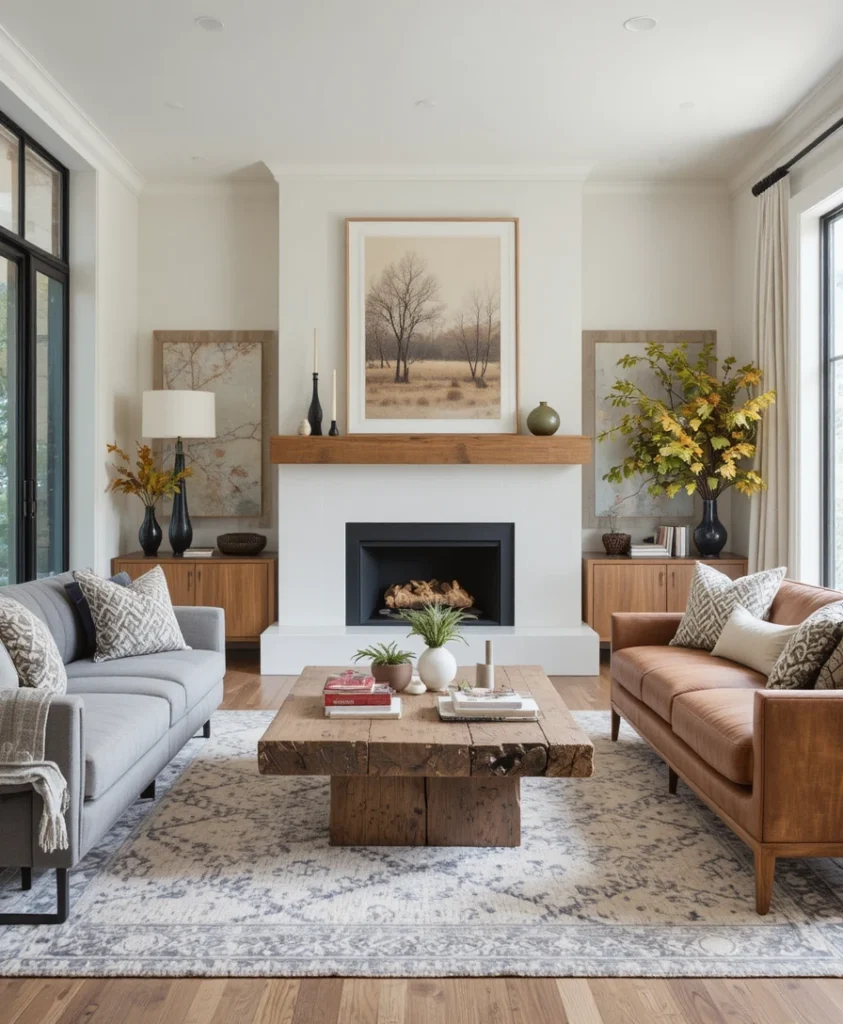
Plastic and high-gloss modern finishes feel stark and cold during autumn, which is why I always introduce raw, weathered wood elements. A reclaimed oak coffee table or a rough-hewn floating shelf brings organic imperfections that warm up the entire optical perimeter of the room.
5. Incorporating vintage brass and antique bronze accents for rich reflectivity
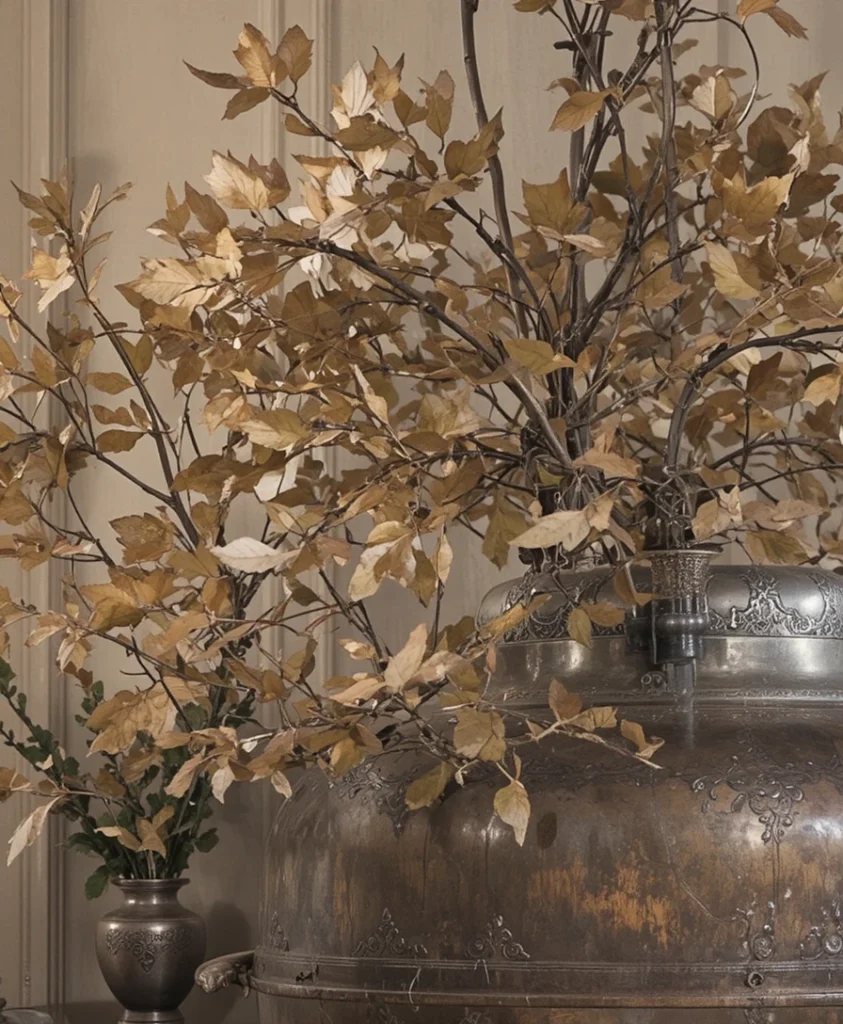
Cold silver and chrome finishes feel too sterile for an autumn aesthetic, so I swap them out for aged brass and deep bronze objects. These metals pick up the amber glow from our lamps and scatter soft, muted highlights across the room without feeling flashy.
6. Curating tactile styling on coffee tables with ceramic vessels and dried botanicals
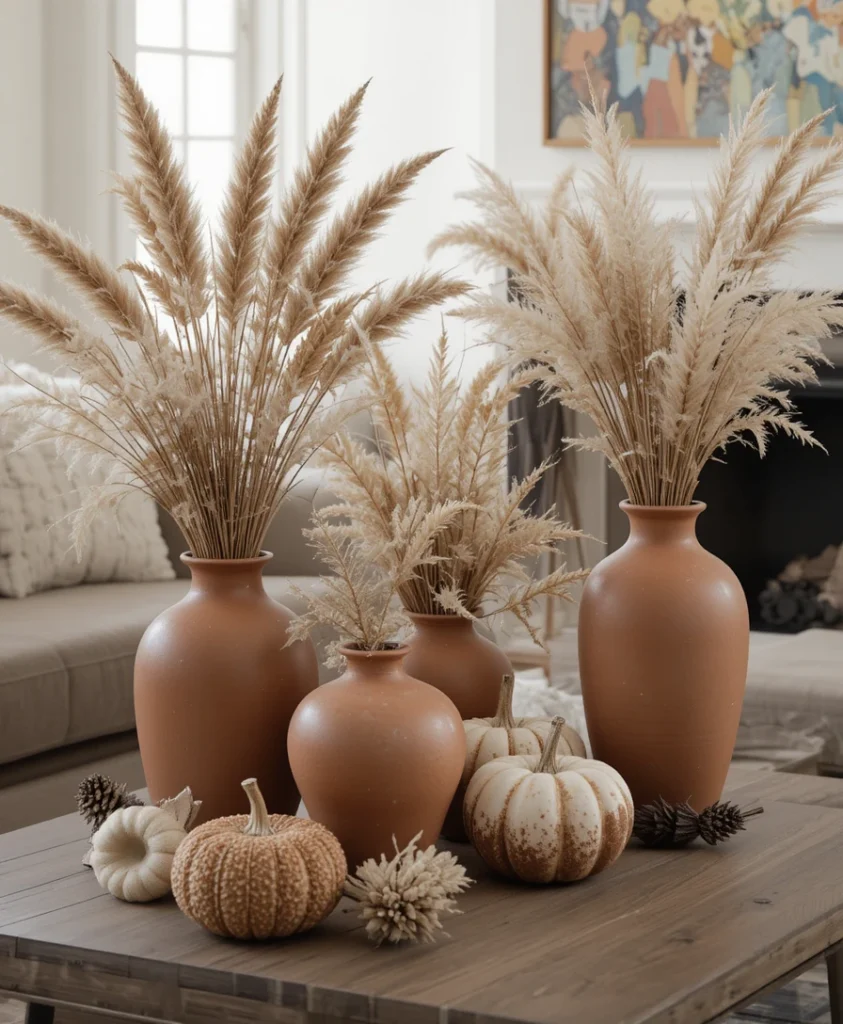
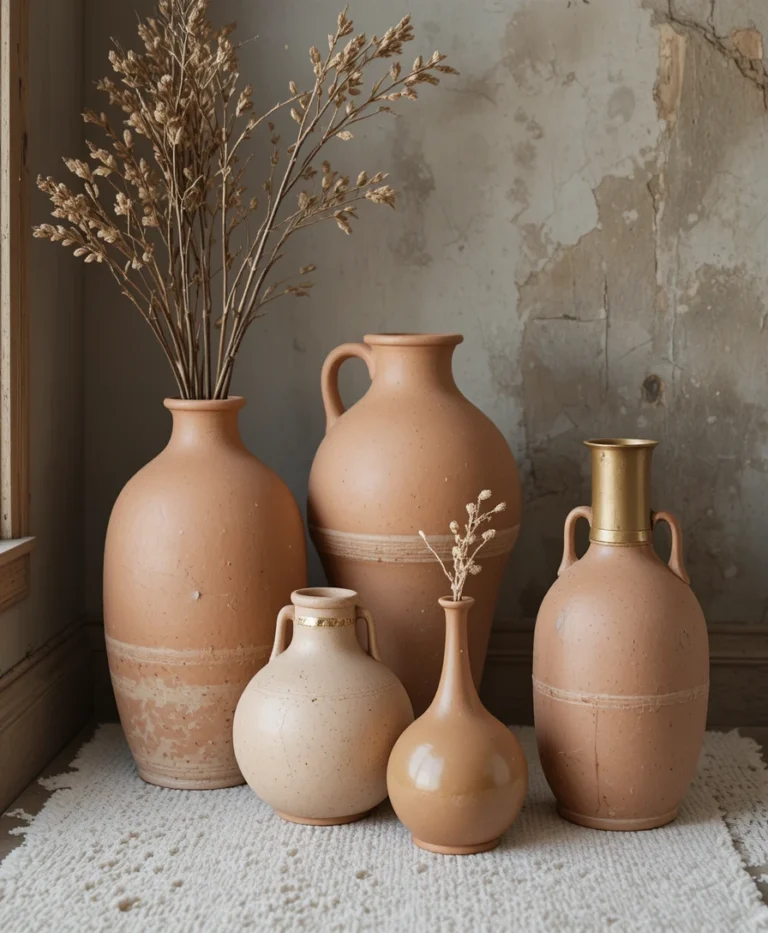
Instead of plastic seasonal decor, I curate a minimalist collection of heavy terracotta vases filled with foraged dried bunny tails, wheat stems, or pampas grass. This adds organic height variations and introduces raw, earthy textures right at eye level.
7. Swapping standard sofa cushions for oversized feather-fill Euro shams
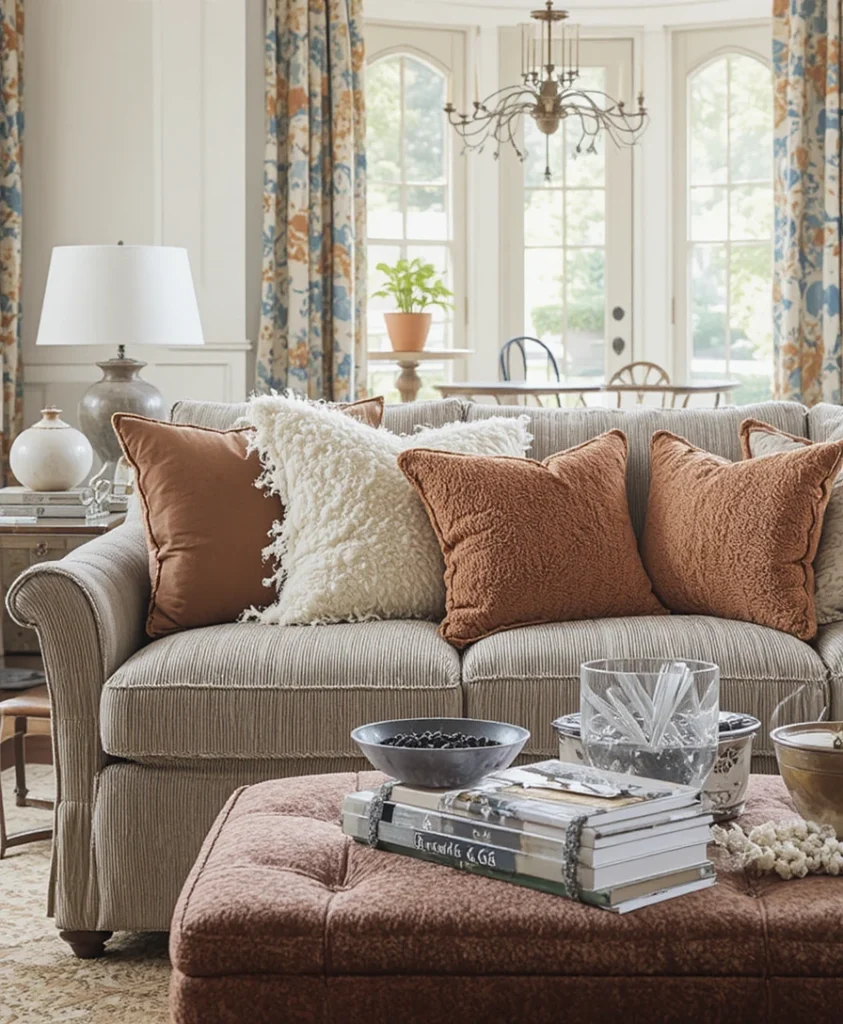
Flat, stiff pillows instantly make a living space look cheap and uninviting, which is why I always mandate feather-insert pillows that hold a deep karate-chop indentation. I mix heavy corduroy covers with faux mohair to maximize the visual and physical softness of the seating arrangement.
8. Installing thermal blackout drapery in heavy velvet fabrics
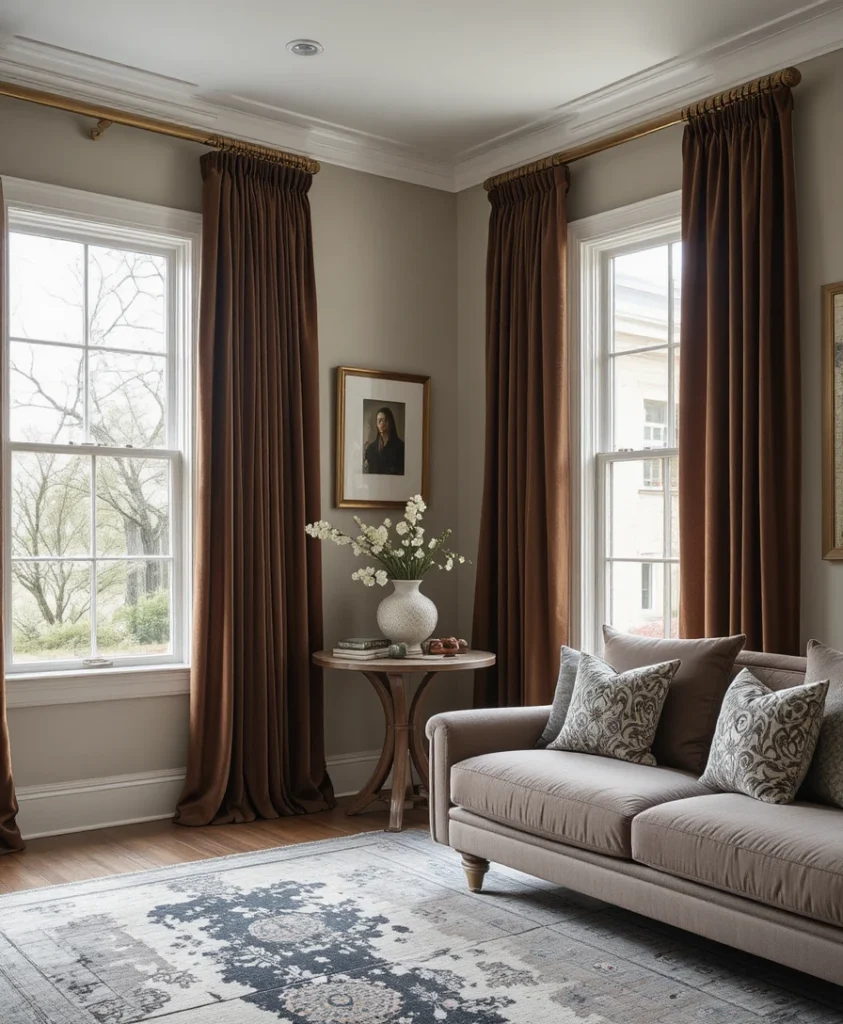
Windows are the primary source of visual and thermal draftiness in any home during cooler months, so I dress them in heavy velvet drapery panels. The thick pile of velvet not only insulates the room against outdoor chills but also dampens acoustic echoes for a quieter, more peaceful ambiance.
9. Grounding cold hardwood floors with high-pile Moroccan wool rugs
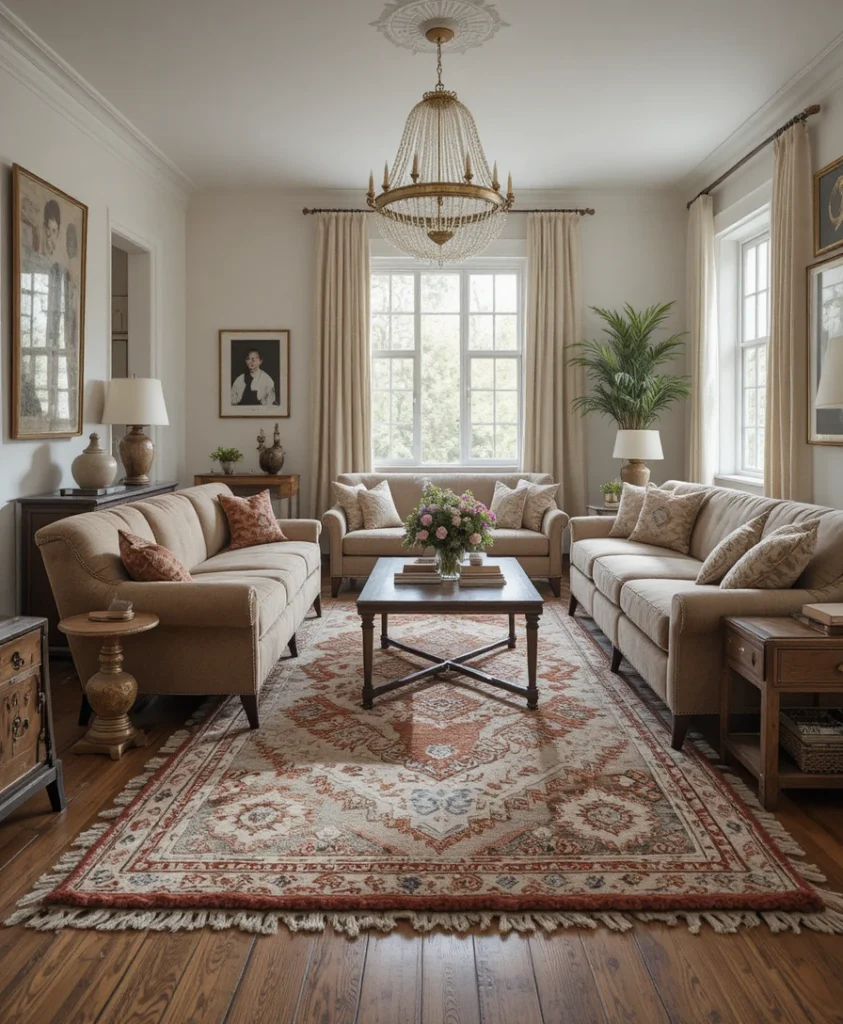
Walking on bare hardwood in October is an instant mood killer, so I layer high-pile, high-density wool rugs over existing flooring. This instantly traps heat, cushions footsteps, and introduces intricate geometric patterns that anchor the furniture layout.
10. Incorporating subtle scent layering through natural beeswax and cedarwood
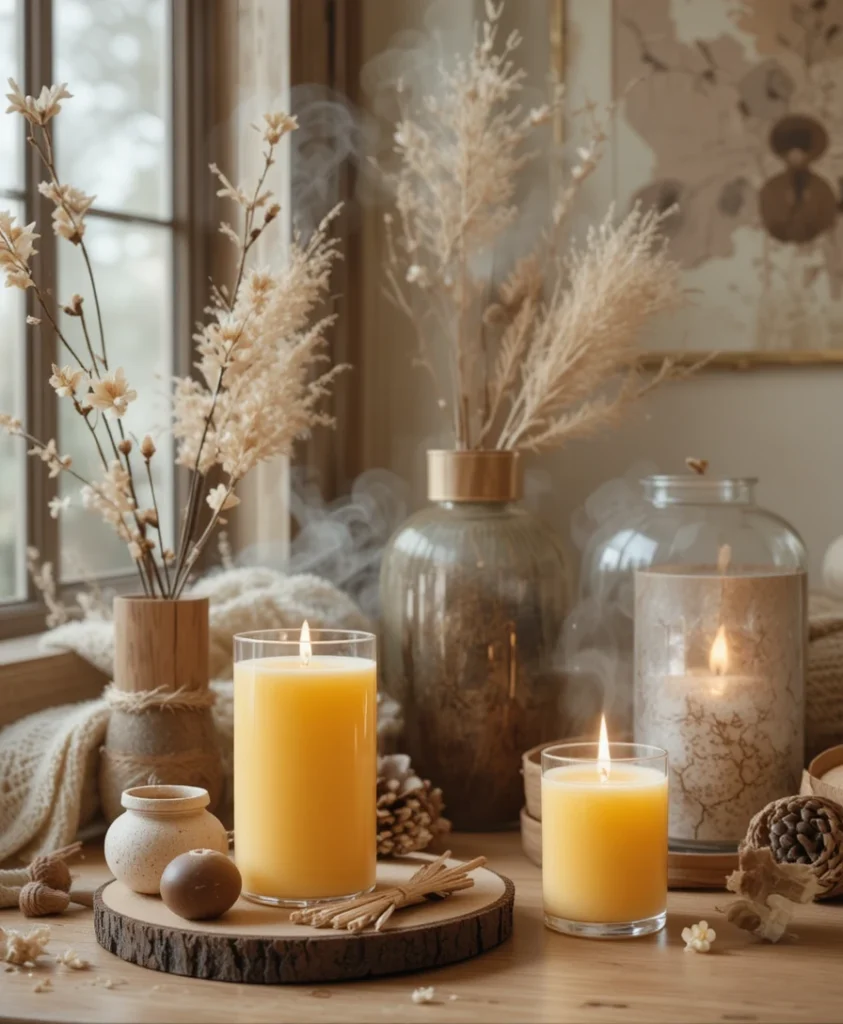
True design engages all five senses, so I banish artificial plug-in air fresheners and rely exclusively on pure beeswax candles and slow-burning cedarwood incense. This subtle olfactory layer tells your nervous system that you are safe, warm, and indoors.
11. Creating an intimate reading nook with an upholstered wingback chair
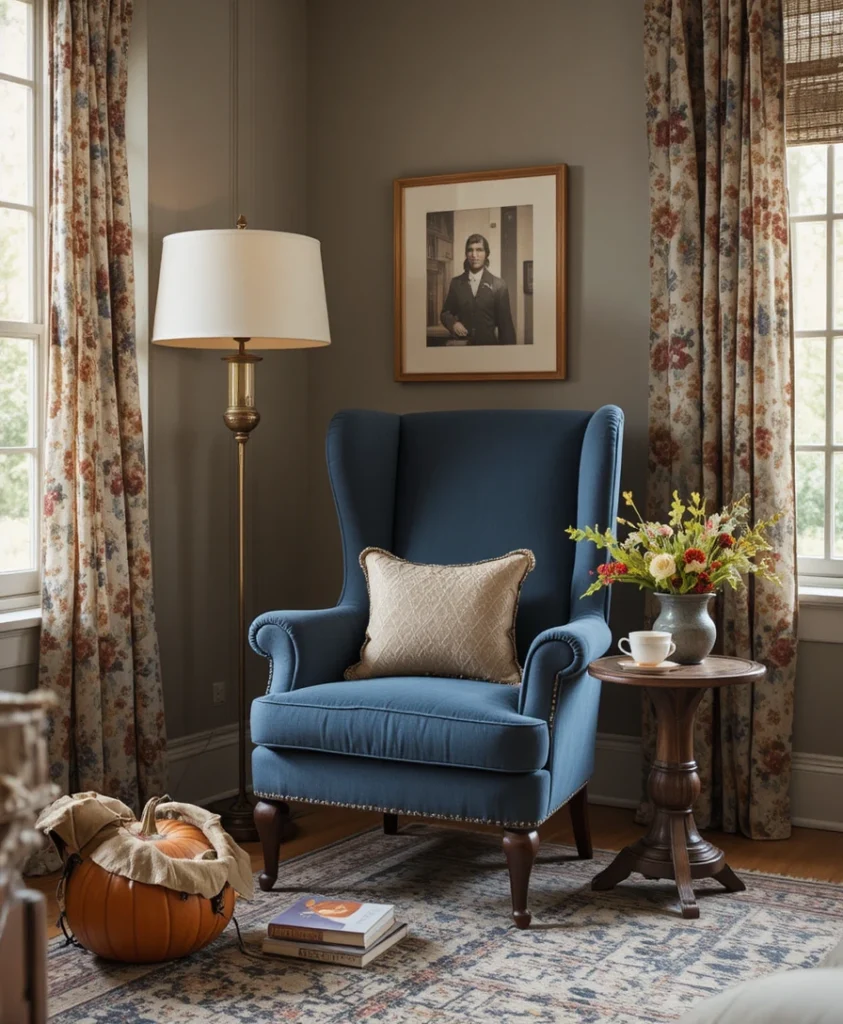
Every functional fall room needs a designated sanctuary corner dedicated to quiet introspection and reading. I position a classic velvet wingback chair next to a dimmable floor lamp, pairing it with a small side table designed specifically to hold a hot mug of tea.
12. Displaying vintage leather-bound books to add rich historical patina
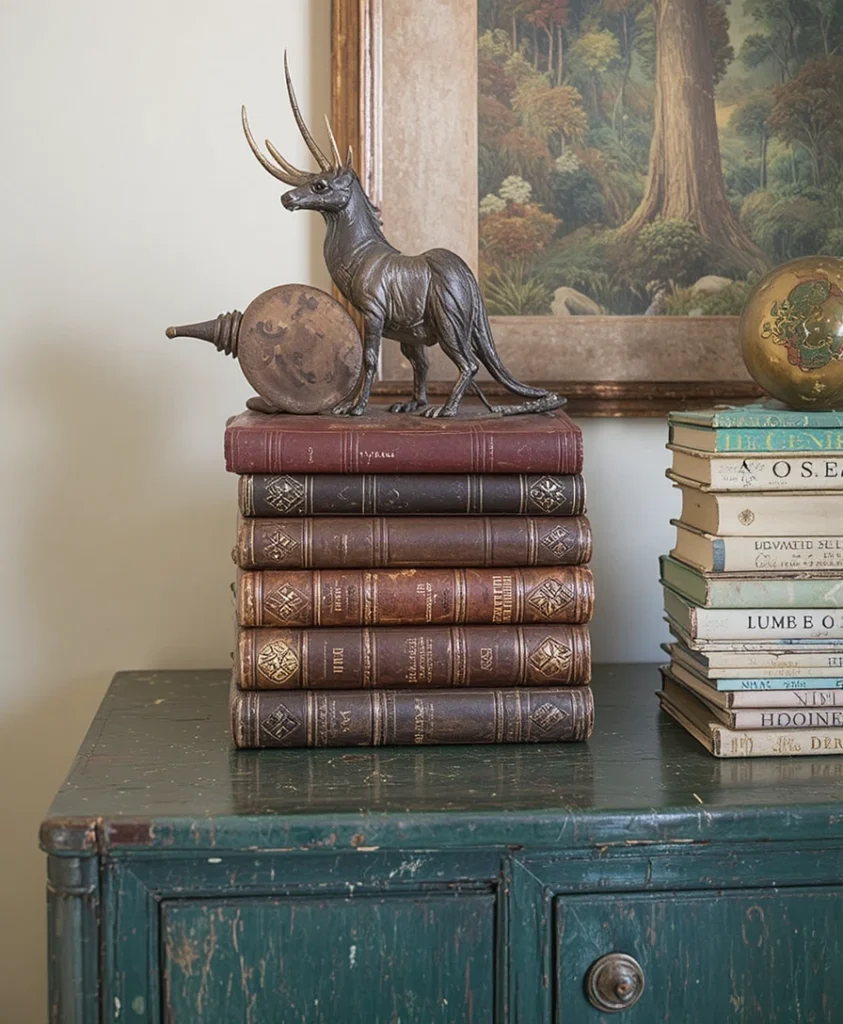
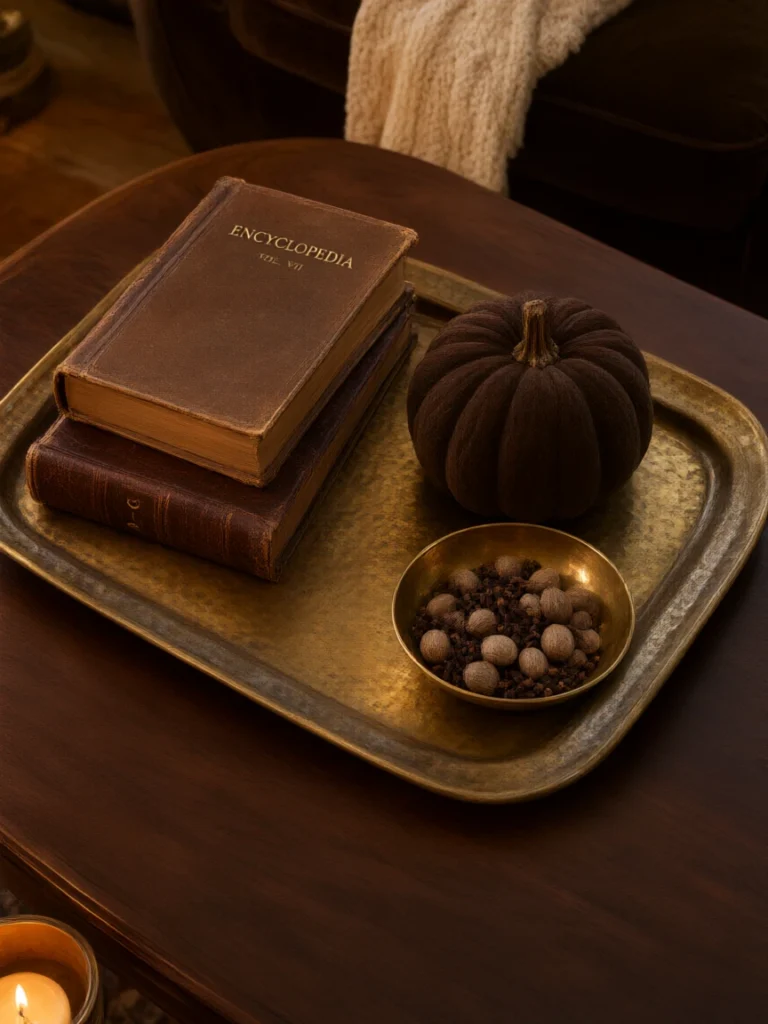
Books are my absolute favorite styling accessory, especially old hardcovers with faded, weathered leather spines. I stack them horizontally on side tables and media consoles to introduce rich browns, burgundies, and deep forest greens into the color scheme.
13. Styling a moody bar cart with amber glassware and artisanal spirits
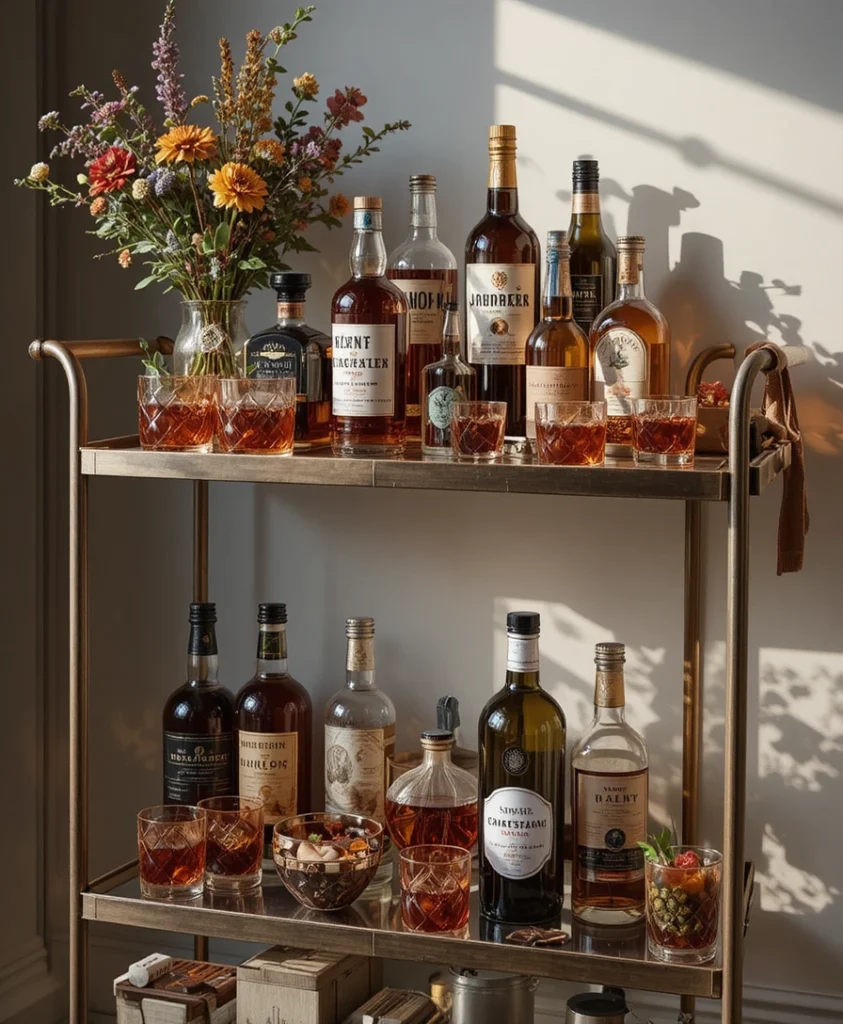
A well-styled bar cart serves as both functional hospitality and stunning visual decor during the colder months. I line the tiers with heavy-bottomed amber crystal old-fashioned glasses and dark glass bottles of whiskey and bitters to catch the low-angled autumn sunlight.
14. Utilizing low-profile decorative woven baskets for extra textile storage
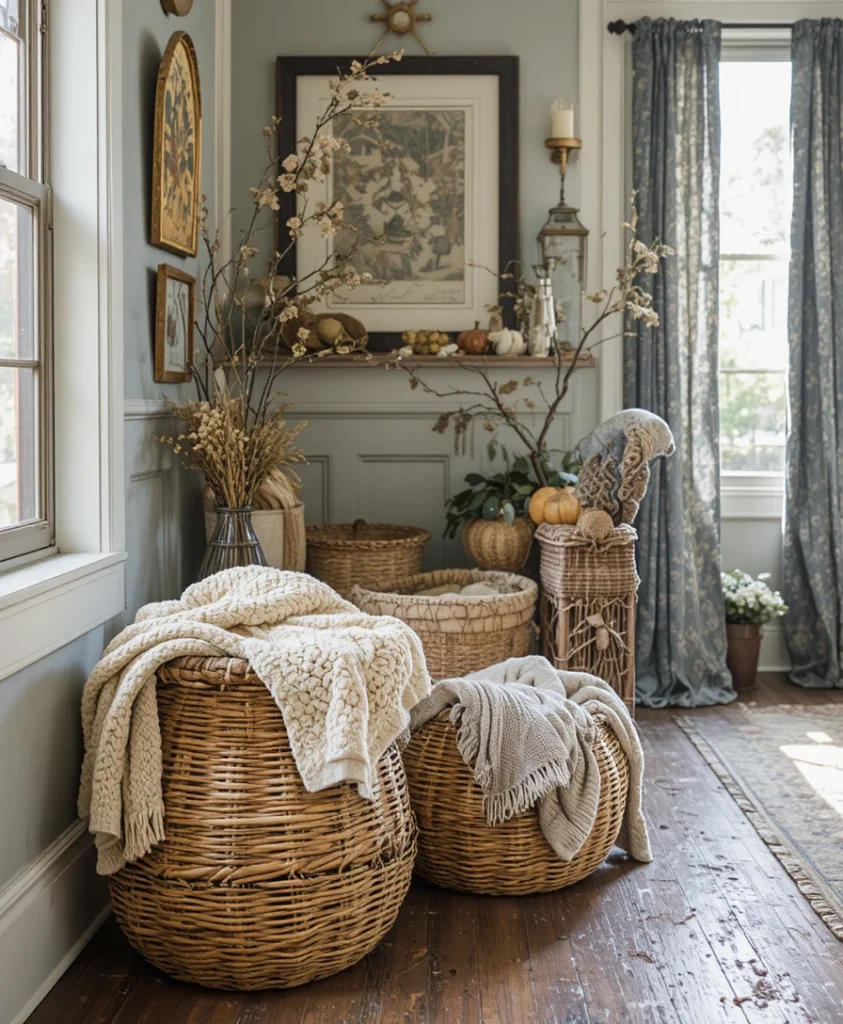
Clutter ruins the serene, restorative vibe of an autumn sanctuary, so I keep oversized woven wicker and seagrass baskets scattered discreetly around the room. These hold extra chunky-knit blankets and heavy throws so they are always within arm’s reach without cluttering the floor.
15. Hanging oversized abstract canvas art featuring warm tonal color blocking
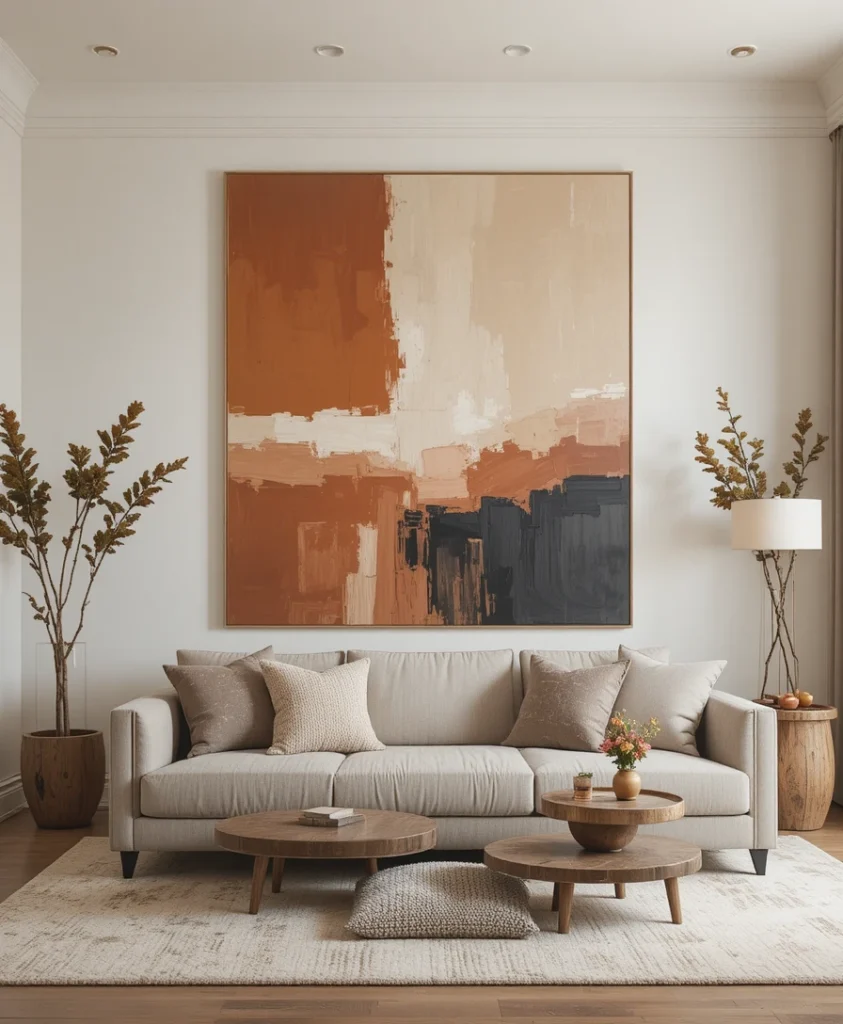
Large blank walls can make a room feel cavernous and cold, which is why I fill them with large-scale canvas art featuring warm, muted color blocks. Paintings that utilize sweeping strokes of terracotta, beige, and charcoal draw the eye inward and create a cozy focal point.
16. Incorporating sculptural ceramic table lamps with textured linen shades
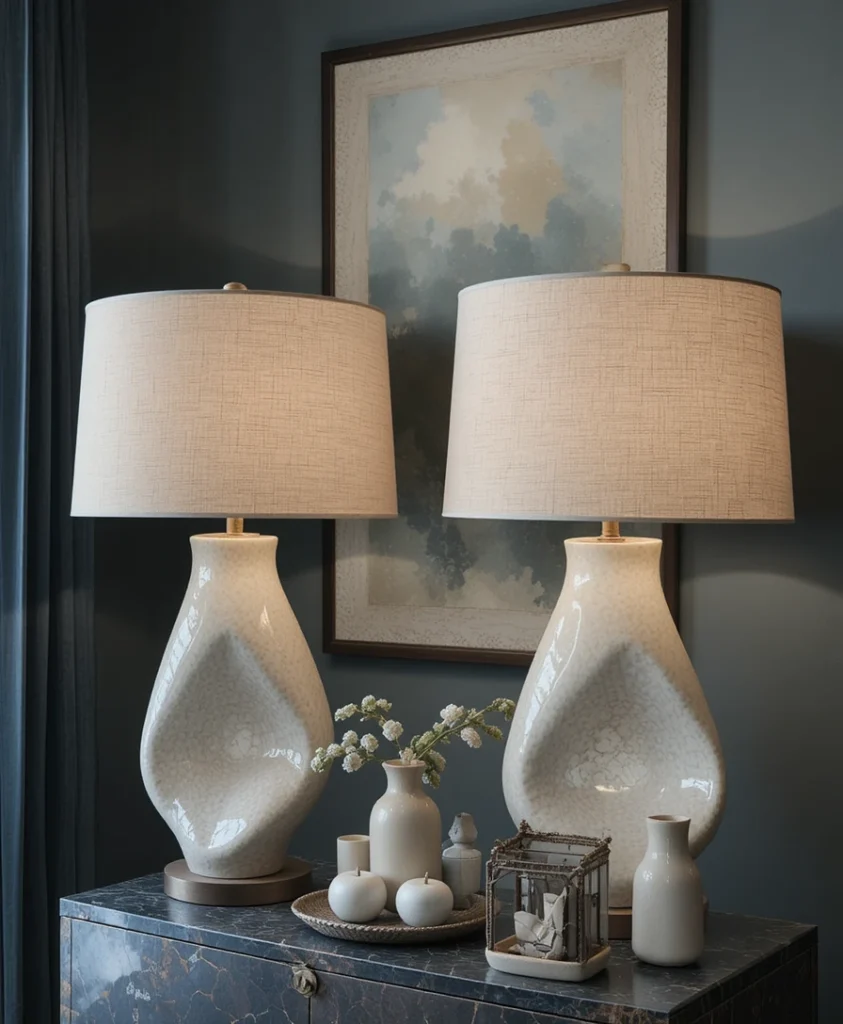
Lighting fixtures should act as pieces of art even when they are turned off, so I source heavy ceramic table lamps with organic, undulating shapes. Paired with textured linen drum shades, they diffuse light softly across the room and eliminate harsh shadows.
17. Styling a dramatic tablescape using pillar candles and heirloom brass trays
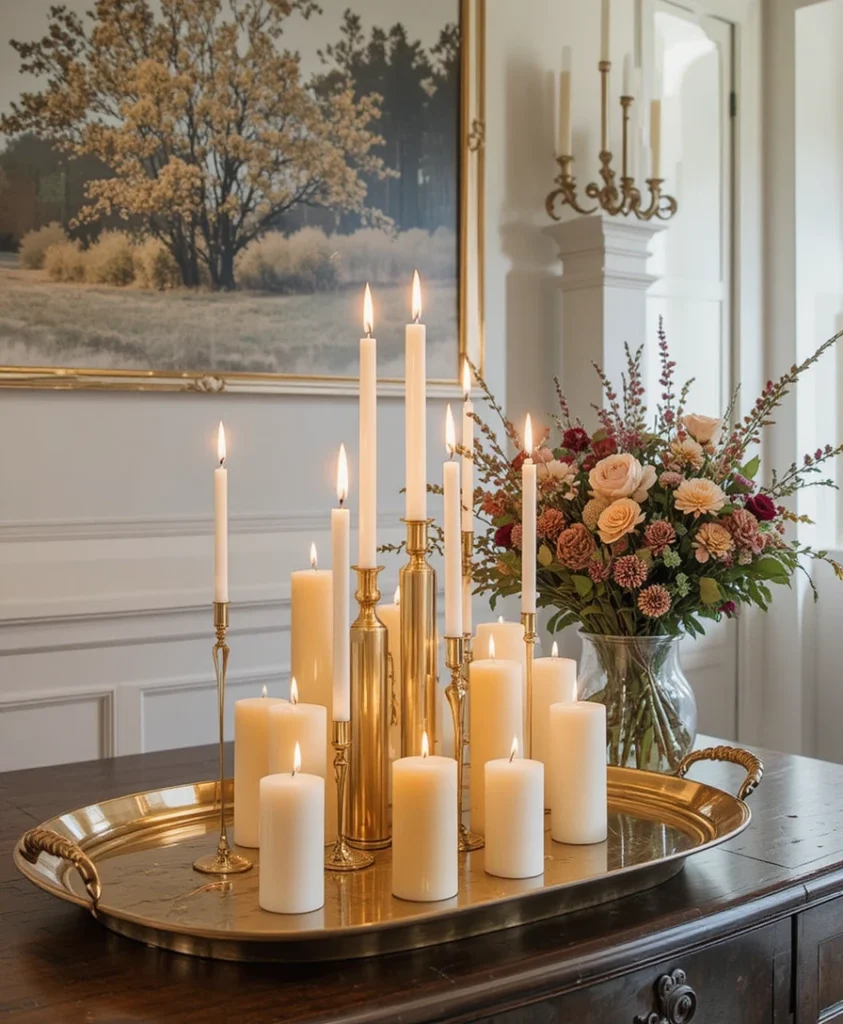
When dressing a media console or accent chest, I group pillar candles of varying heights onto a polished brass tray. Burning unscented beeswax candles at different heights creates a flickering, hypnotic focal point that transforms the atmosphere after sunset.
18. Adding acoustic warmth with upholstered acoustic wall panels disguised as art
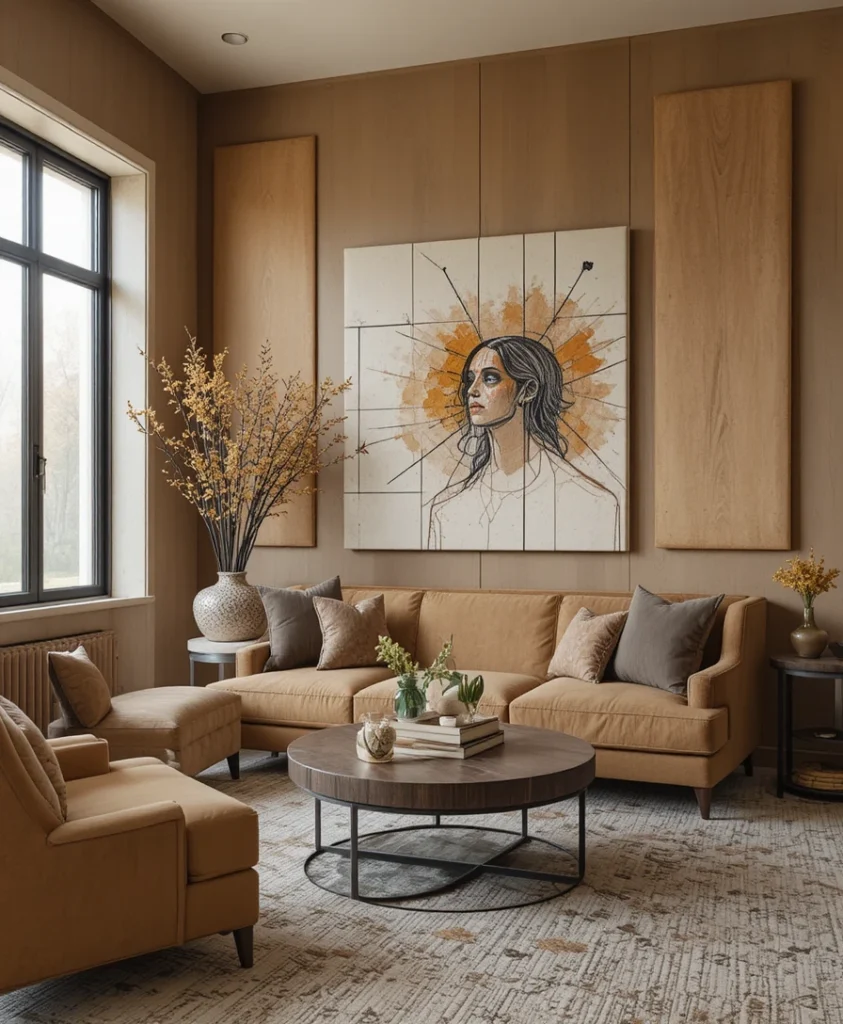
Hard drywall bounces sound and makes a room feel hollow and institutional during quiet autumn evenings. I love installing fabric-wrapped acoustic panels disguised as modern minimalist art to absorb sound waves and quiet down the entire room’s acoustics.
19. Integrating organic branches and sculptural driftwood into minimalist corners
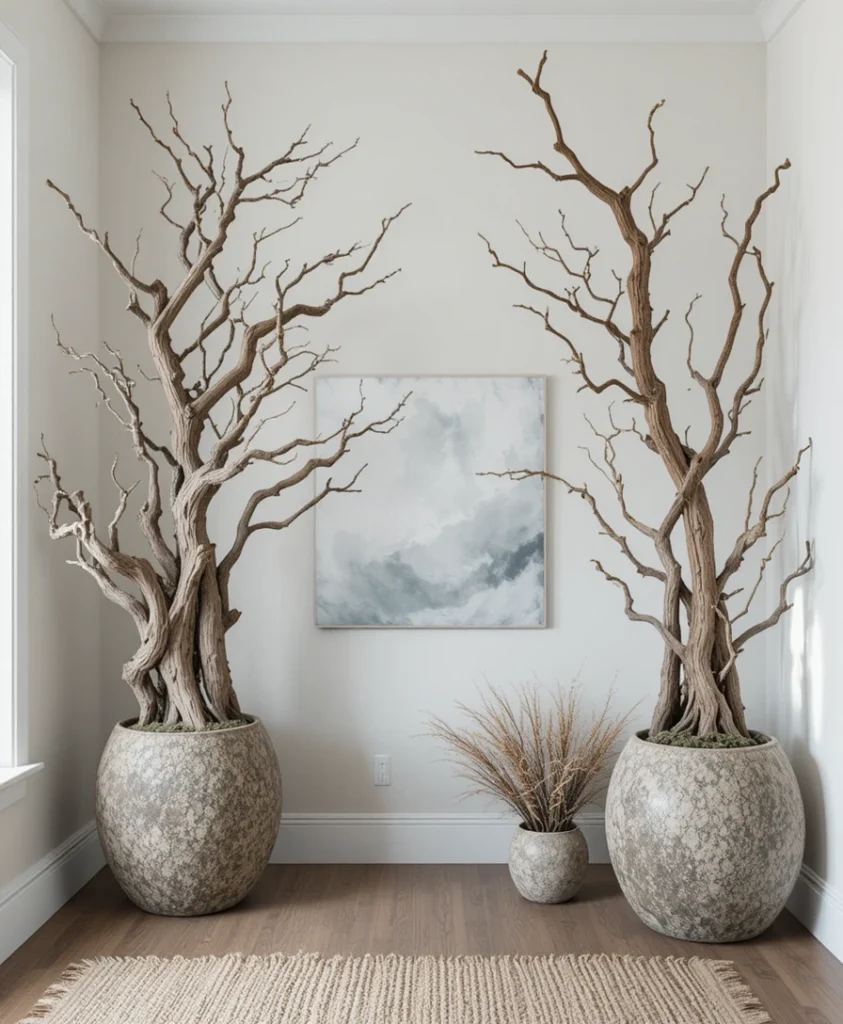
Filling awkward, empty room corners with massive, sculptural tree branches or weathered driftwood instantly brings the outside in. I anchor these large natural elements in heavy stone pots to keep the aesthetic grounded, raw, and deeply connected to nature.
20. Layering dual-toned window shades for adjustable privacy and light control
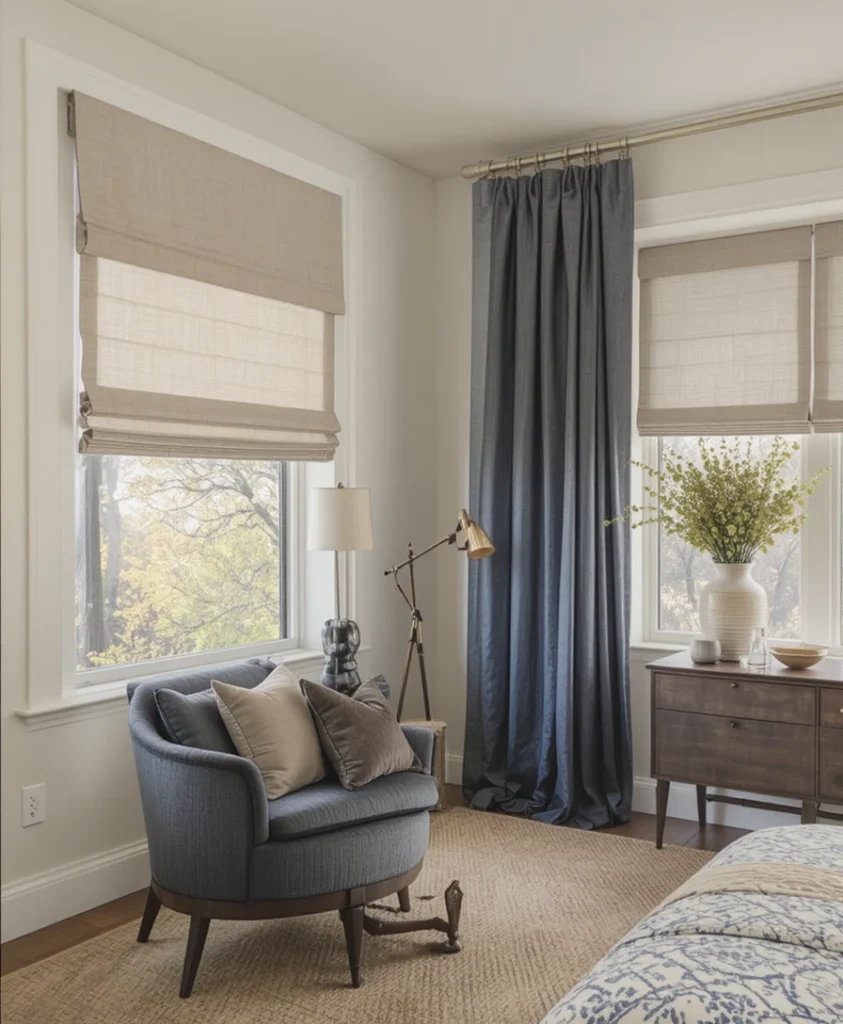
To master the shifting light levels of an autumn afternoon, I install dual-layered window treatments combining sheer linen roller shades with heavy blackout drapes. This setup allows me to filter harsh midday glare while keeping the room completely cocooned and private after dusk.
Pro Styling Hacks & Optical Tricks
When working with compact spaces, I always employ a few optical tricks to maximize spatial perception without sacrificing coziness. First, hang your drapery rods at least six inches above the window frame and extend them outward by eight inches on each side; this simple adjustment tricks the brain into seeing much larger windows and floods the room with soft, diffused daylight. Second, avoid pushing all your furniture flat against the walls—pulling your sofa inward by just six inches creates an intimate, floating conversation zone that makes the entire room feel significantly more curated and expensive.
Scientific and Psychological Insights
Environmental psychology proves that our physical surroundings directly dictate our nervous system’s stress responses. Research into color temperature shows that lowering indoor lighting from a clinical 4000K daylight spectrum down to a warm 2200K amber spectrum instantly signals the human brain to reduce cortisol production and release melatonin. Furthermore, tactile variation—such as touching rough wool, smooth ceramic, and heavy velvet within the same space—activates the somatosensory cortex, grounding anxious thoughts and fostering a deep, primal sense of safety and well-being.
Frequently Asked Questions
How do I transition my living room from summer to fall without buying entirely new furniture?
You can easily transform your space by swapping out small, high-impact textiles and accessories. Replace lightweight cotton pillow covers with heavy corduroy or boucle, pack away bright summer decor, and introduce amber lighting, heavy wool throw blankets, and earthy ceramic vessels.
What is the ideal color temperature for lighting a cozy autumn room?
Stick strictly to warm color temperatures between 2200K and 2400K. This Kelvin range mimics the warm, comforting glow of a sunset or an indoor fireplace, instantly eliminating sterile harshness and creating an inviting atmosphere.
How can I make a small living room feel cozy instead of cramped during colder months?
Focus on vertical layering rather than horizontal clutter. Hang tall velvet drapes, utilize vertical wall art, and keep floor space clear by using wall-mounted shelving and large woven baskets for textile storage to maintain an open yet cocooned feel.
Final Thoughts
Creating a truly exceptional fall room is an intentional exercise in slowing down and curating comfort for your daily life. By thoughtfully layering tactile fabrics, manipulating warm ambient light sources, and integrating raw, grounding elements from nature, you can turn any ordinary living space into a restorative seasonal sanctuary. Trust your instincts, lean into rich and moody color palettes, and enjoy the profound peace that comes from a home designed with absolute care and expertise.