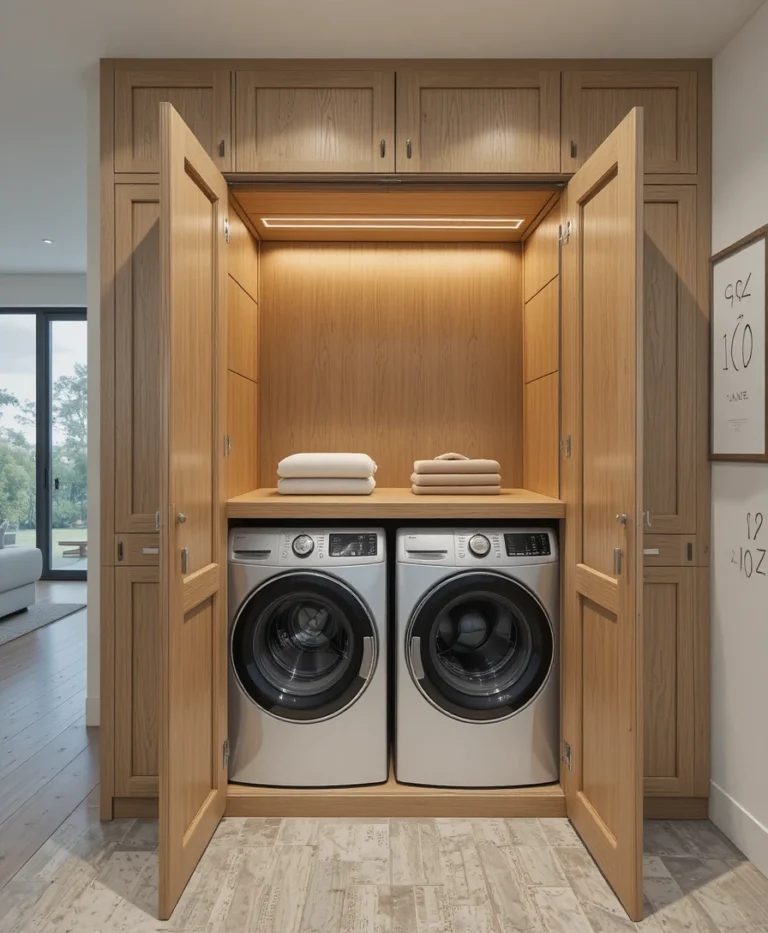

In my decade of design experience working with luxury residential homes, I have noticed a massive shift in how homeowners view domestic design. We are no longer designing homes strictly for two-legged residents; instead, integrated custom dog spaces have become one of the most requested features in high-end renovation projects. Creating functional, aesthetically pleasing dog spaces inside your home isn’t just about putting down a plush bed or dropping a water bowl in the corner of your kitchen. It requires a balanced combination of spatial layout optimization, durable material selection, and an understanding of canine instincts to create a sanctuary where your pet feels safe and calm.
When clients ask me how to decorate your dog spaces without ruining the overall aesthetic of their living room or mudroom, I always tell them the same thing: treat your pet’s footprint as an architectural element rather than an after-thought. Whether you have a compact urban apartment or a sprawling suburban estate, dedicated architectural zones elevate daily organization while improving your dog’s quality of life. Below is my comprehensive guide, complete with design ideas, scientific spatial insights, and exact material specifications to help you master custom interior pet design.
Quick Reference Comparison for Custom Dog Spaces
Before starting any structural modification or interior decoration project, gather these commercial-grade materials to ensure longevity and safety:
Non-Porous Flooring: Commercial-grade luxury vinyl plank (LVP), sealed terrazzo, or non-slip porcelain tiles with stain-resistant epoxy grout.
High-Performance Fabrics: Solution-dyed acrylics (like Sunbrella), microfibers, or Crypton performance textiles with a minimum Martindale rub count of 30,000.
Acoustic & Soundproofing Panels: High-density polyester acoustic felt or sound-dampening insulation to reduce anxiety from ambient home noises.
Custom Cabinetry Hardware: Concealed magnetic latches, soft-close heavy-duty drawer slides (rated for 100+ lbs), and wire mesh inserts for ventilation.
Precision Tools: Digital laser measure, heavy-duty staple gun, anti-bacterial sealant, and non-toxic, zero-VOC interior wall paints.
20 Innovative Design Ideas for Modern Dog Spaces
1. The Architectural Under-Stair Sanctuary
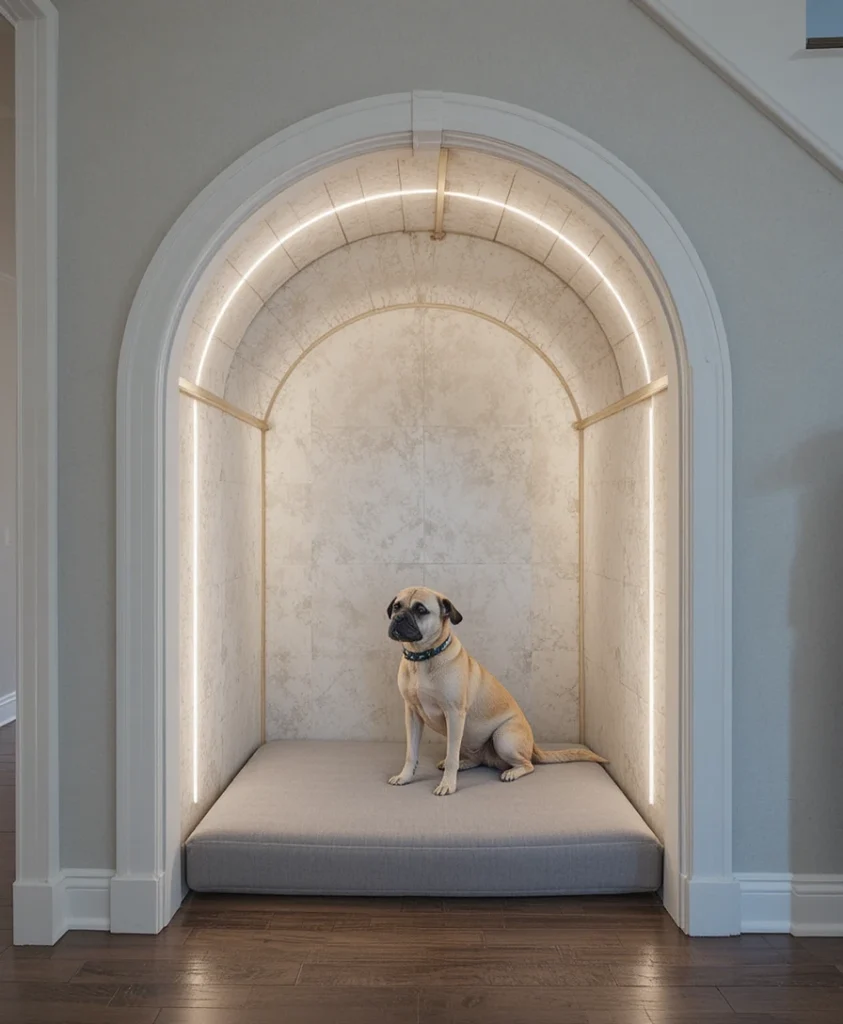
Transforming the dead volume under your main staircase creates an incredibly cozy alcove that naturally satisfies a dog’s denning instinct. In my project work, I prefer framing this area with clean drywall arches, lined internally with sound-dampening acoustic panels and flush-mounted warm LED strip lighting. Complete the interior with a custom-fitted memory foam mattress encased in a removable, machine-washable canvas cover that matches your foyer walls.
2. The Integrated Laundry Room Wash Station
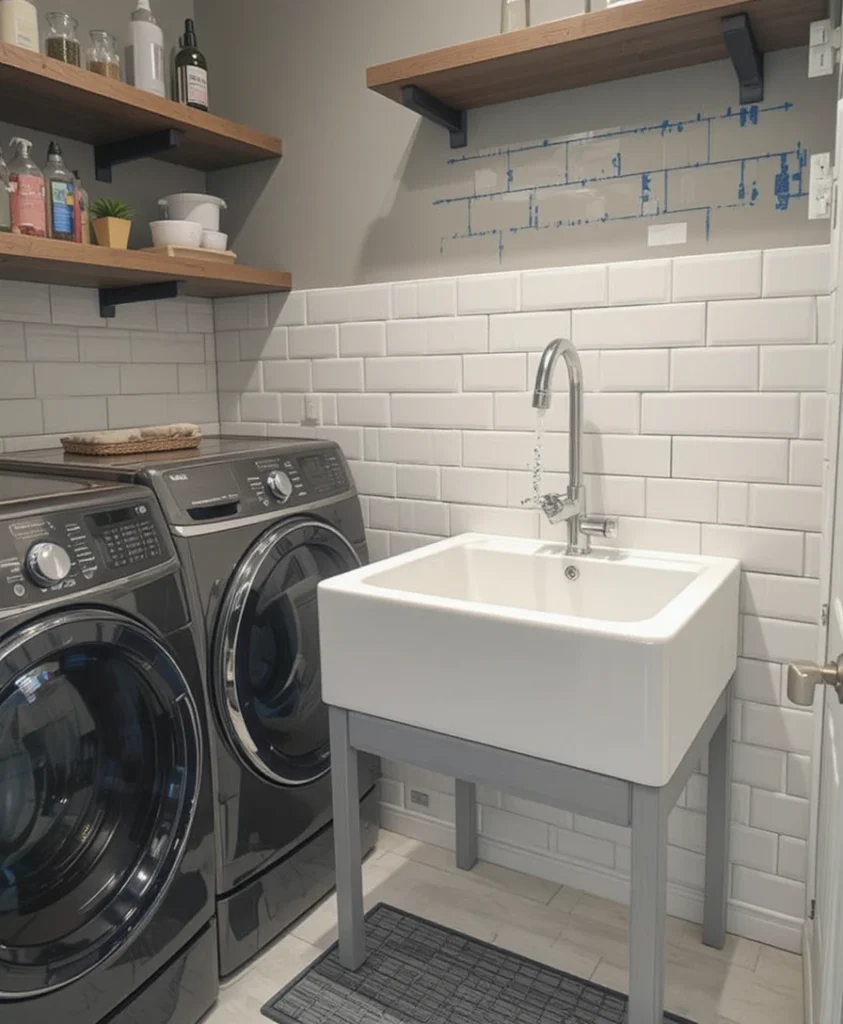
Eliminate the mess of bathing your pet by installing an elevated, tiled washing station directly alongside your laundry appliances. Build a raised porcelain basin featuring an adjustable handheld sprayer hose, integrated shampoo pump niches, and a non-slip rubber floor mat. Framing the surround with full-height subway tile prevents splash damage and keeps the room looking like an upscale spa.
3. The Kitchen Island Built-in Resting Nook
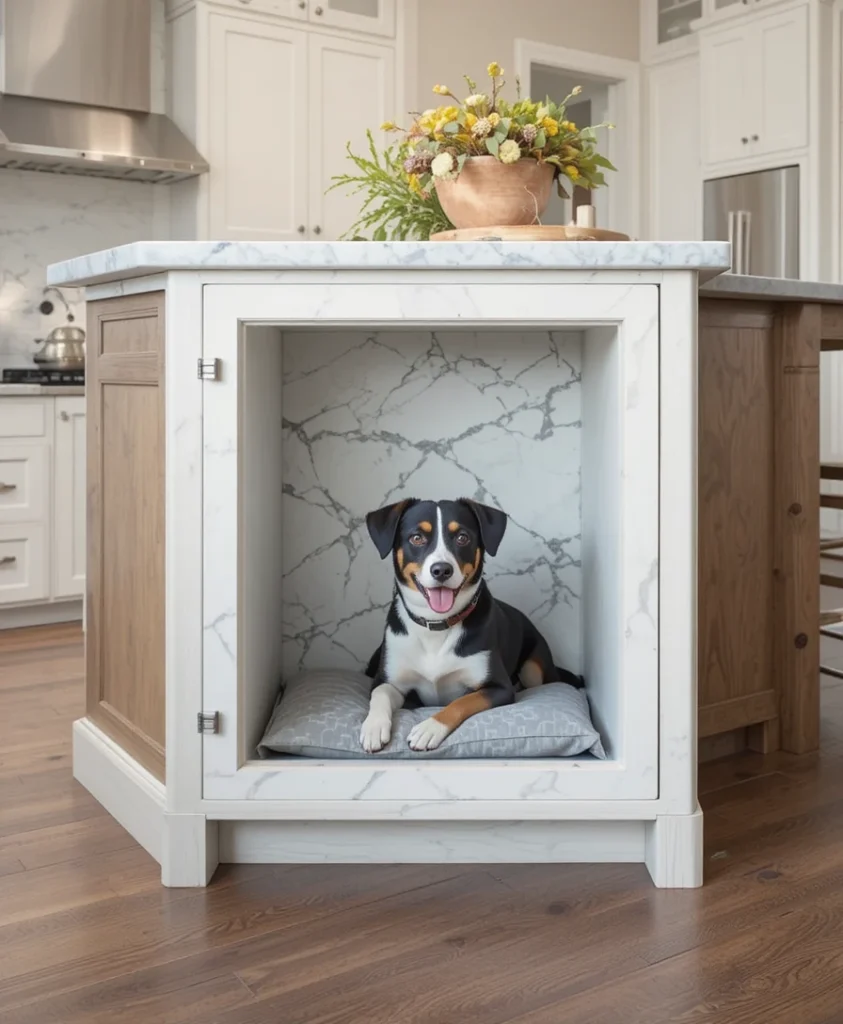
Reclaim unused cabinet depth at the end of your kitchen island by creating an open-front cabinet alcove tailored specifically for your dog. I always recommend lining the interior walls of this kitchen nook with durable quartz or sealed hardwood to withstand daily wear and tear. This placement allows your dog to stay close to family meal prep activities without getting underfoot in busy cooking zones.
4. The Custom Mudroom Entryway Bench
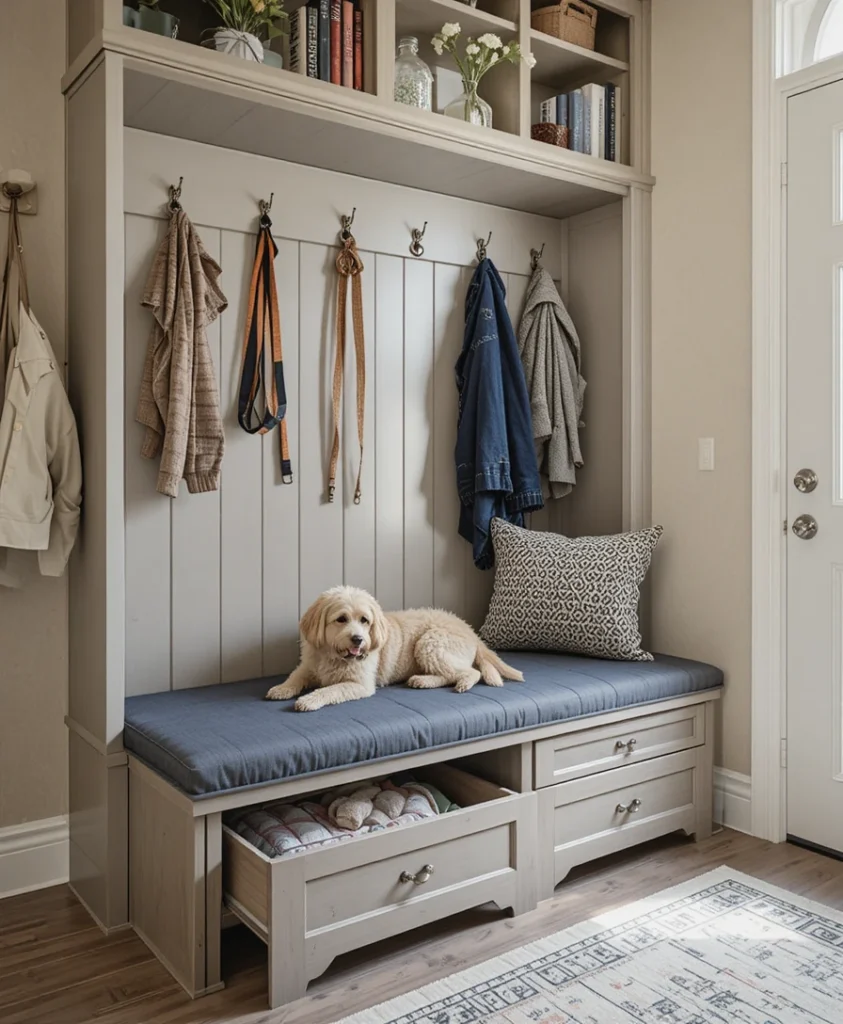
A custom entryway bench can dual-function as a comfortable pet retreat while providing organized storage for leashes, harnesses, and towels. Design the bottom half of the cabinetry unit with an open pull-out drawer bed, while keeping the upper portion open for seating and jacket hooks. Utilizing high-performance Crypton fabric upholstery for the bench cushion guarantees easy cleanup after rainy afternoon walks.
5. The Recessed Living Room Wall Nook
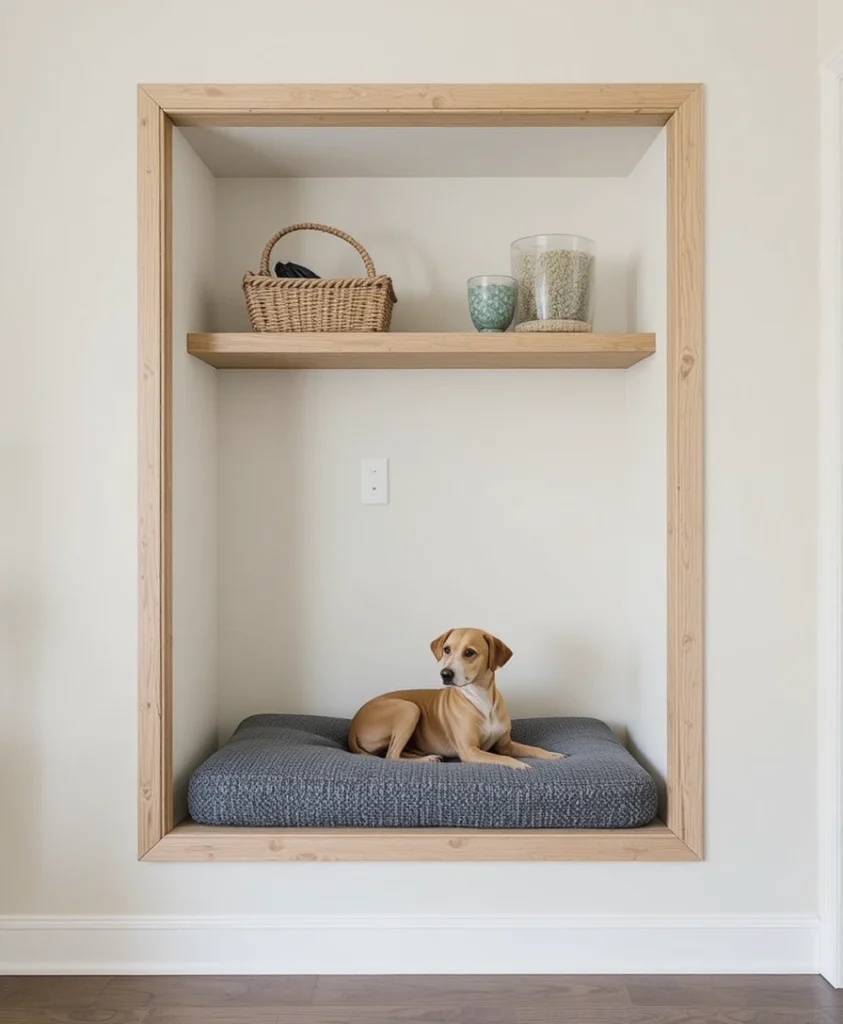
Utilize empty stud bays within interior living room walls to craft a sleek, space-saving built-in bed frame flush with your wall surfaces. Framing the alcove with warm white oak trim elevates the detail into a intentional architectural feature while saving floor space. I like pairing these recessed nooks with matching floating shelves above to store treats and groom supplies cleanly out of sight.
6. The Dual-Purpose Bedroom Nightstand Crate
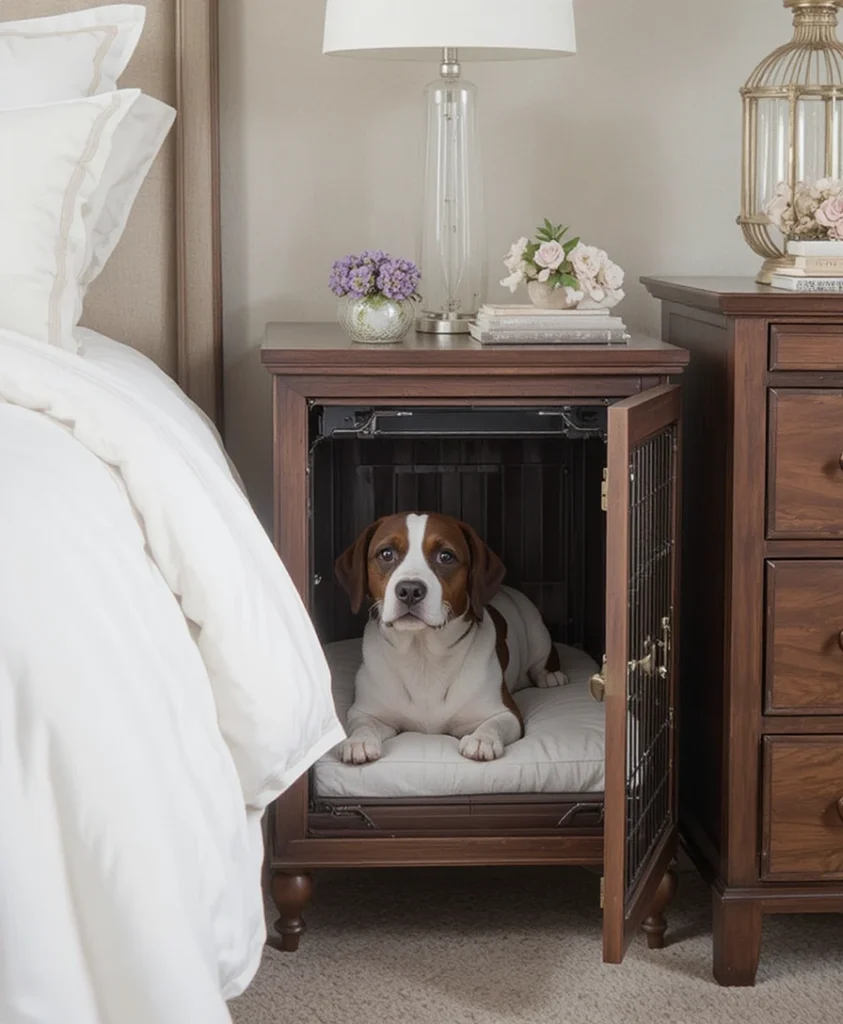
Replace clunky wire crates with bespoke wooden nightstands featuring integrated metal mesh or brass accent slats for optimal air circulation. Build a discreet hinged side-door into the furniture piece, allowing your pet to sleep safely right beside your bed. Finishing the exterior cabinet with a rich stain matching your bedroom dresser creates a cohesive, high-end hotel ambiance.
7. The Sunroom Daybed Window Perch
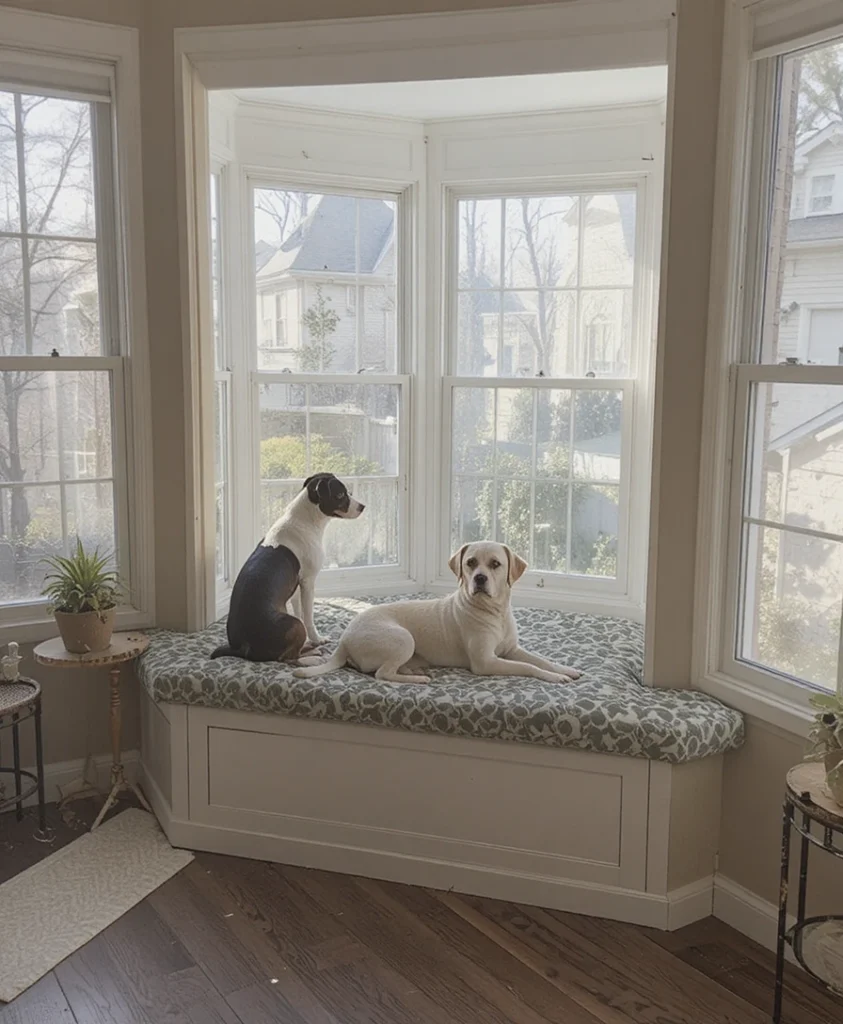
Capitalize on natural morning sunlight by installing a custom low-profile bench below a wide sunroom or living room window frame. Wrap a high-density polyurethane cushion in UV-resistant solution-dyed acrylic fabric to prevent color fading from continuous sun exposure. Dogs thoroughly enjoy watching neighborhood activity from this elevated vantage point, which provides essential mental stimulation throughout the day.
8. The Concealed Pull-Out Feeding Drawer
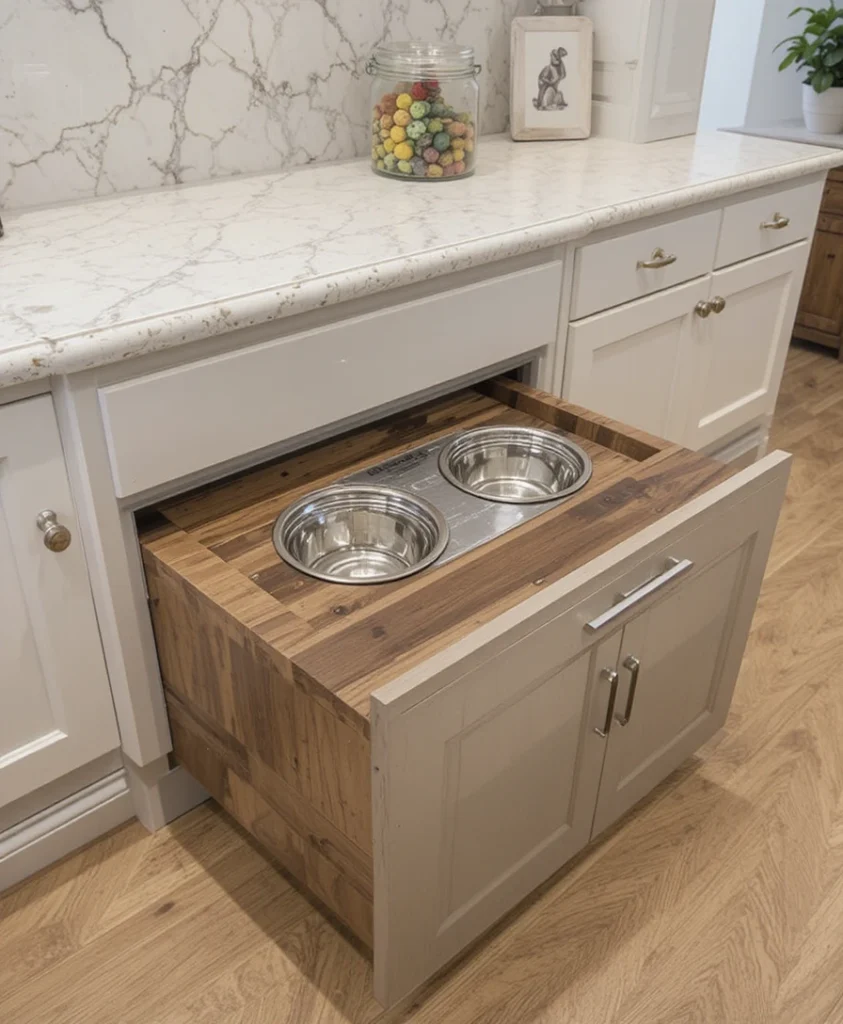
Eliminate floor clutter and tripping hazards by incorporating a heavy-duty, soft-close drawer into the baseboard level of your kitchen cabinetry. Mount stainless steel food and water bowls directly into custom-cut wood or quartzite countertops within the drawer frame. When mealtime ends, simply slide the entire assembly smoothly back into the baseboard for an uninterrupted floor plan.
9. The Corner Banquette Dining Nook Bed
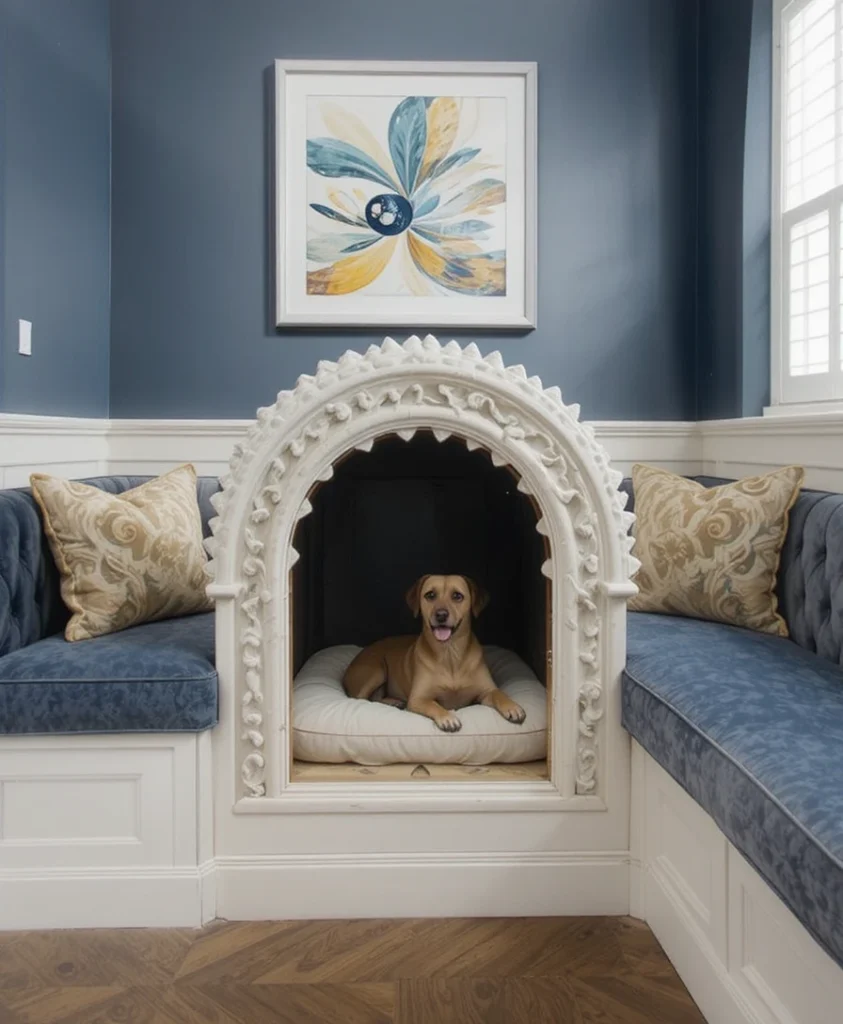
Convert the empty space beneath a breakfast nook banquette seating arrangement into a stylish built-in dog bed enclosure. Installing a soft archway on the outer apron allows your pet to nest comfortably right below the dining table. Use stain-resistant performance velvet upholstery for the surrounding cushions to keep the breakfast corner looking refined and immaculate.
10. The Hallway Console Table Alcove
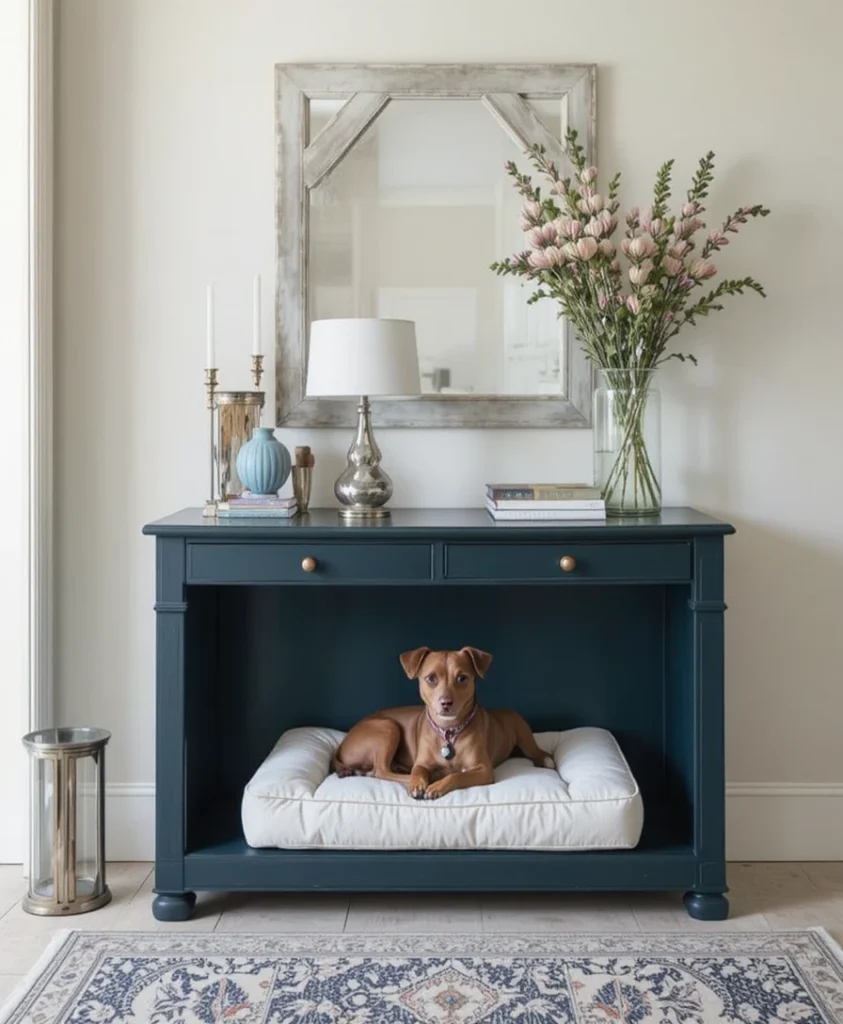
Repurpose a long entryway console table by removing lower shelving and custom-fitting a luxury bolster bed directly underneath the frame. Paint the console table in a bold accent shade, such as deep navy or forest green, to frame the pet bed like intentional furniture. This simple spatial strategy creates dedicated dog spaces in central transit areas without taking away precious floor space.
11. The Outdoor-Indoor Transition Porch Den
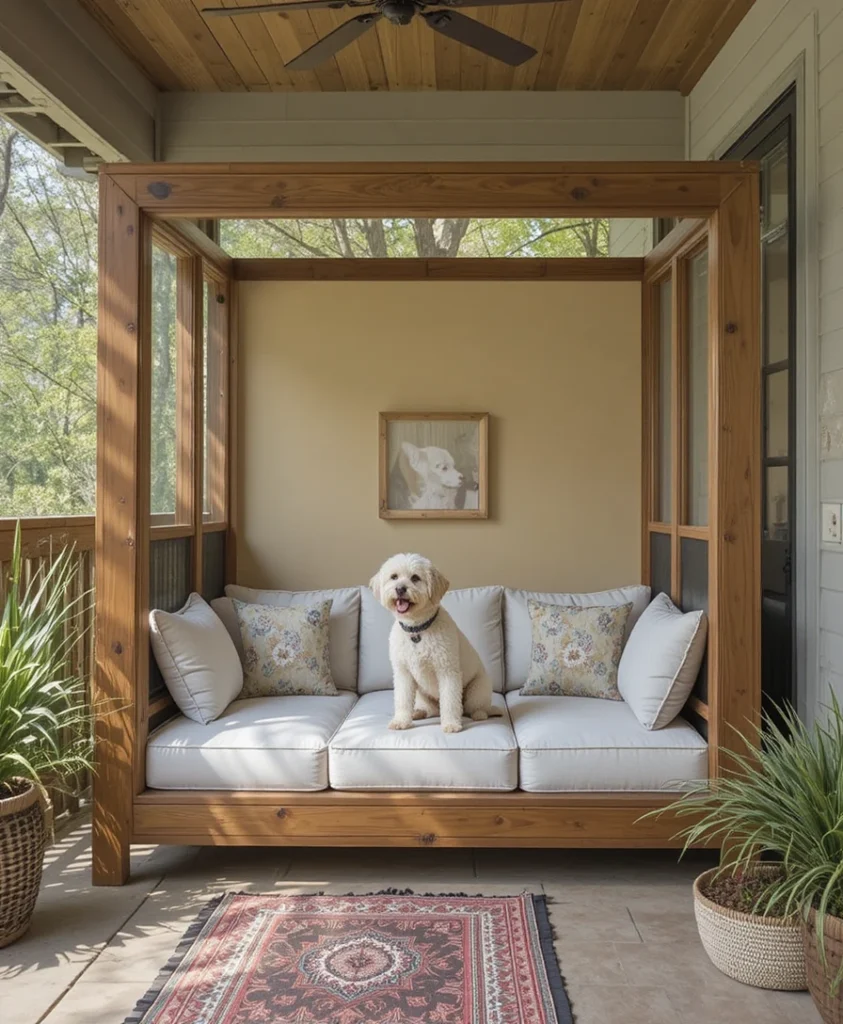
Build a weather-resistant lounge area on a covered patio or screened porch using outdoor-grade teak framing and marine canvas cushions. Coat all timber components with eco-friendly, water-repellent sealers to withstand changing humidity levels throughout the year. This outdoor nook gives your dog a dedicated spot to dry off before stepping inside your clean living room.
12. The Office Desk Companion Alcove
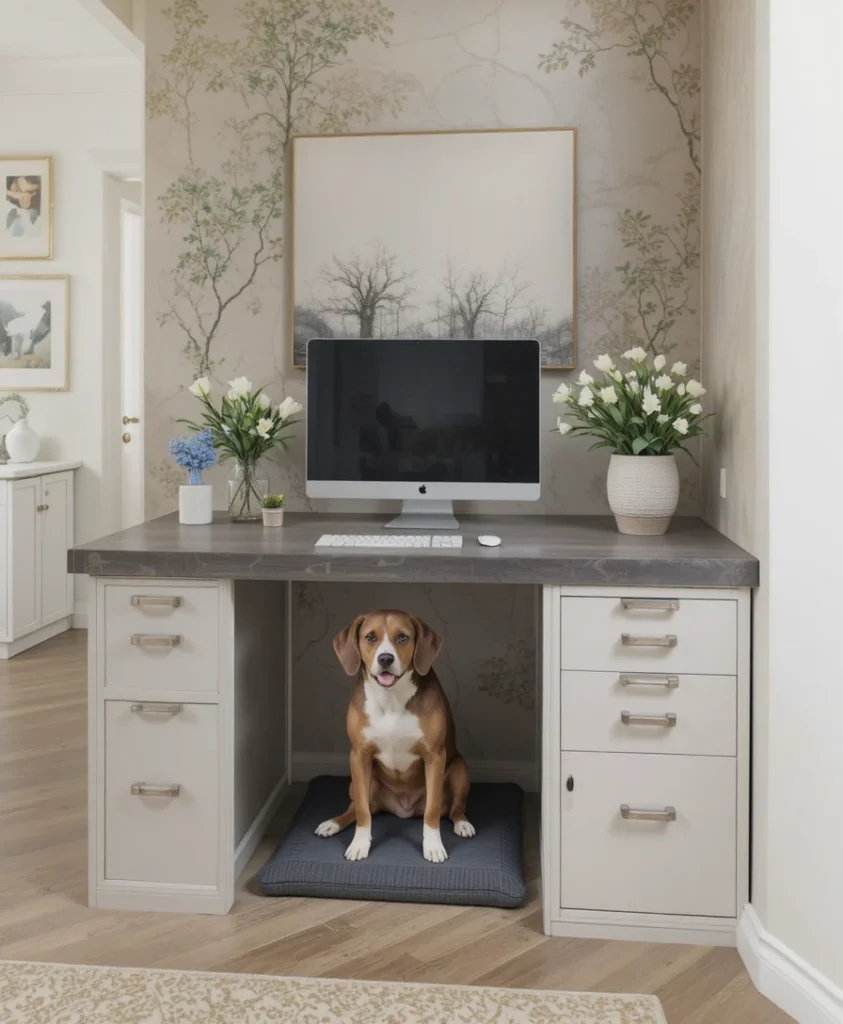
Incorporate a lower open cabinet directly into your home office desk design so your dog can stay nearby while you work. I always advise client remote workers to install an anti-static rubber floor mat under the desk cushion to neutralize pet hair attraction. Keeping your pet close reduces workplace stress levels while giving them a quiet zone during your virtual meetings.
13. The Hidden Storage Bench Toy Locker
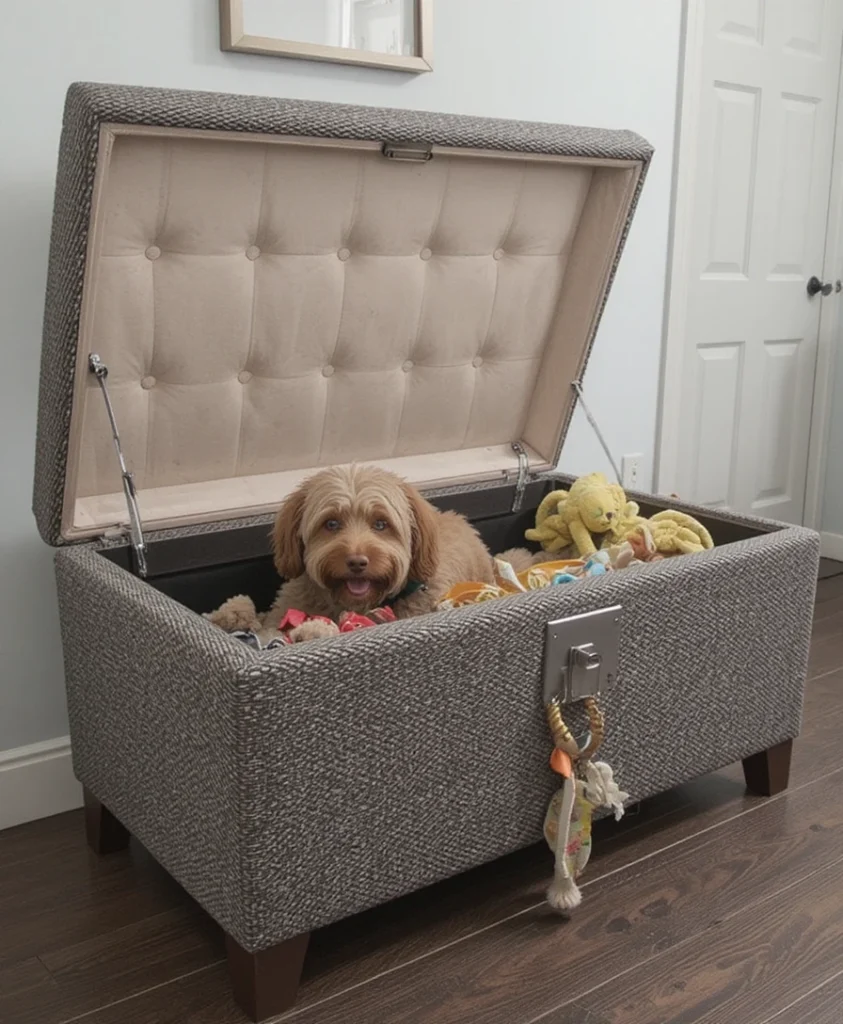
Keep chew toys, leashes, and grooming gear contained by custom-building a tufted storage ottoman equipped with a low-entry side portal. The top lid lifts up easily on hydraulic safety hinges to access toy bins, while the side opening allows your pet to crawl inside. Upholster the outer shell in a textured tweed fabric to mask minor scratches and daily wear effortlessly.
14. The Side Table Dog House Cabinet
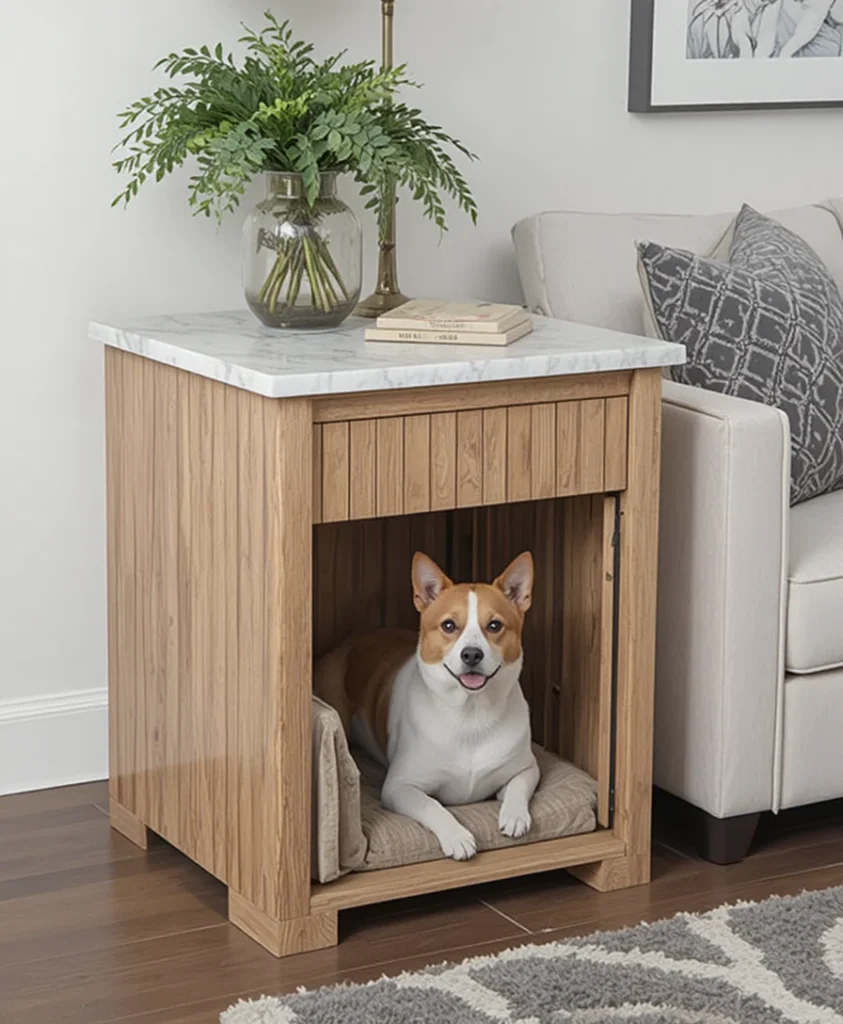
Design a multipurpose end table adjacent to your main living room sofa featuring vertical hardwood slats and an open door frame. Top the unit with an elegant marble or granite slab to protect the surface from wet nose smudges and spills. This structure acts as an elegant architectural accent while providing your dog a cozy place to relax.
15. The Floating Living Room Wall Lounge
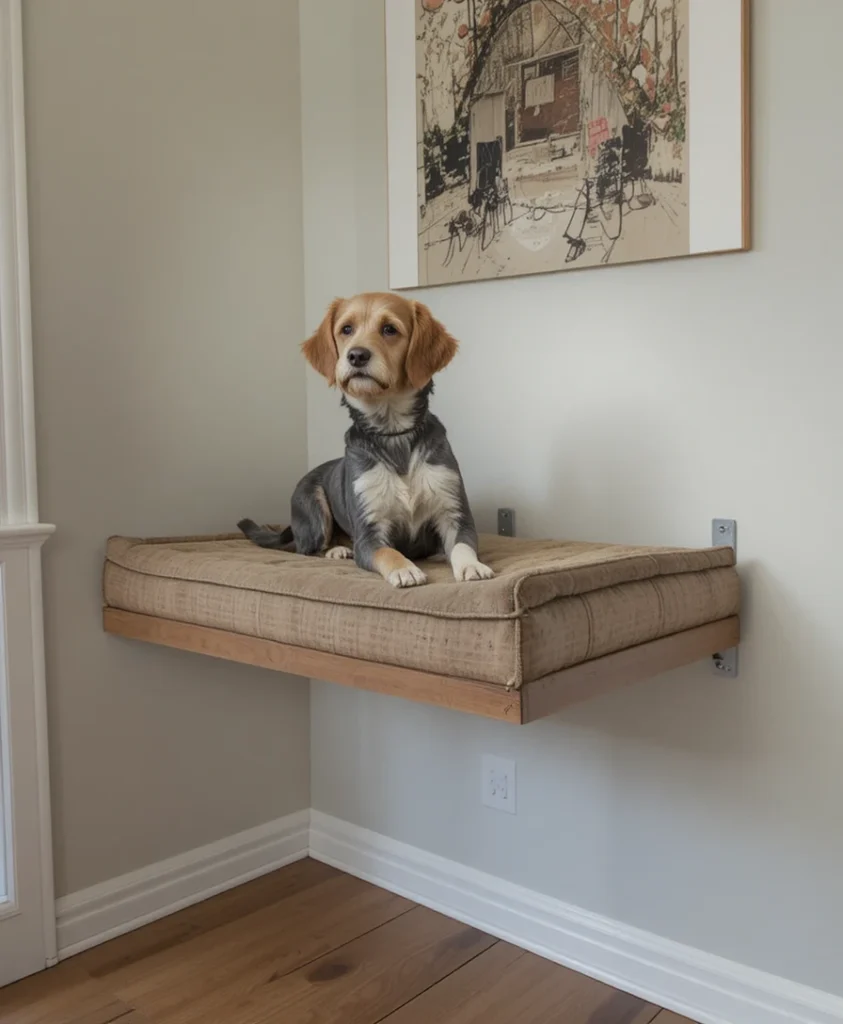
For smaller breeds, construct a low-mounted floating platform shelf attached directly to wall studs using heavy-duty concealed steel brackets. Line the top platform with a plush, removable micro-suede pad that can be washed frequently. Keeping the floor clear beneath the floating platform creates an open visual feel across compact living apartments.
16. The Luxury Walk-In Closet Pet Suite
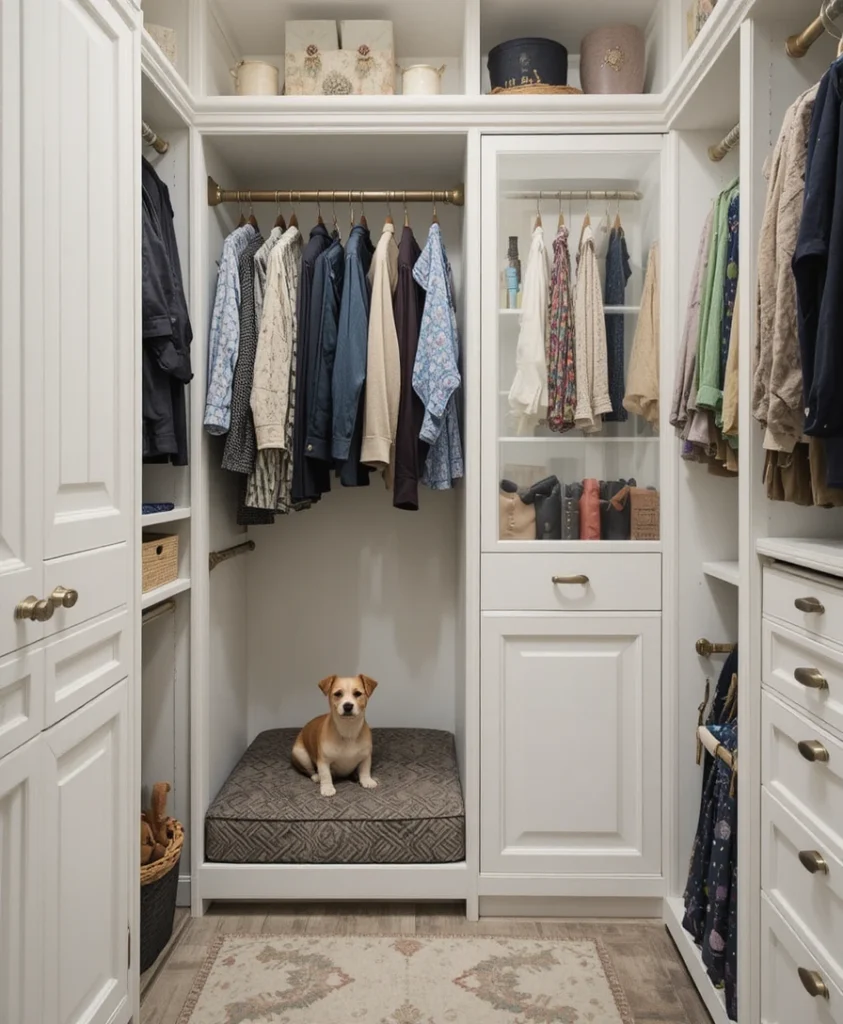
Integrate a dedicated lounge niche into your master closet storage system directly beneath lower hanging clothing rods. Custom cabinetry finished in crisp white paint with brass hardware transforms this quiet wardrobe space into a private retreat. Dogs naturally gravitate toward master closet areas because your clothing carries reassuring, familiar scent markers that reduce anxiety.
17. The Under-Window Reading Nook Den
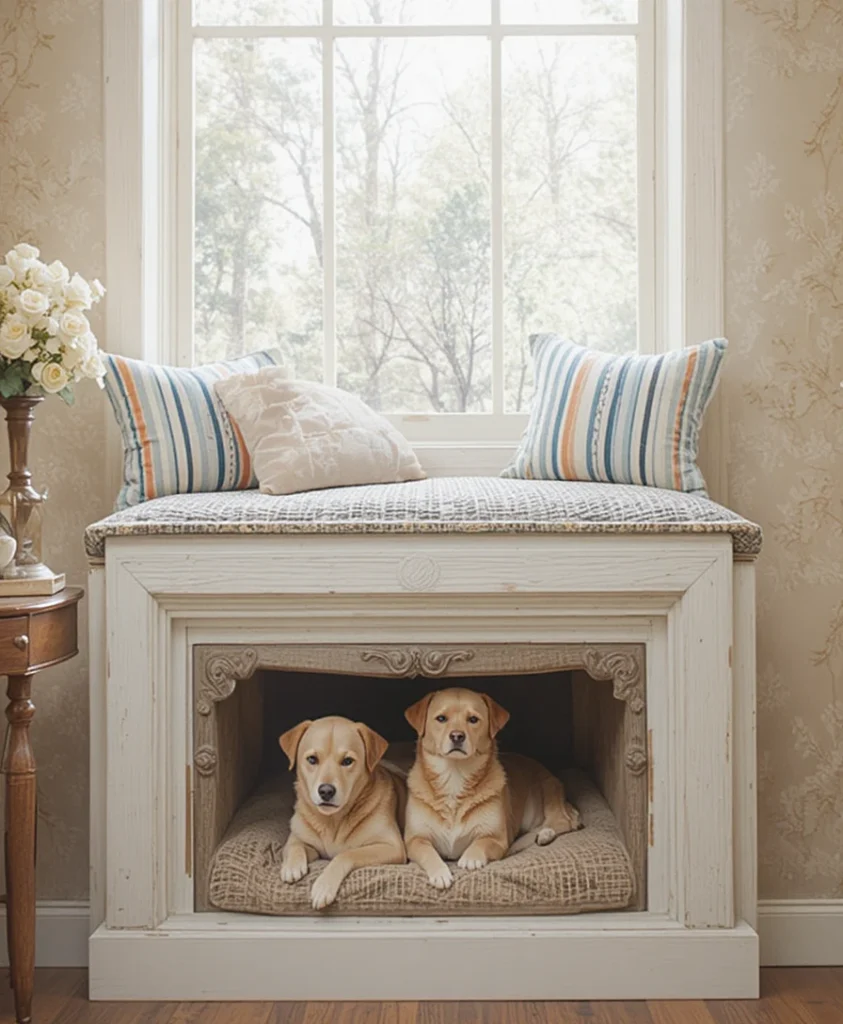
Combine your personal reading bench setup with a cozy lower pet retreat directly beneath the main seat cushion. Frame the lower opening with decorative trim work and line the inner chamber with soft plush upholstery. This design creates a charming shared space where you can read while your pet slumbers peacefully directly below you.
18. The Basement Home Theater Suite
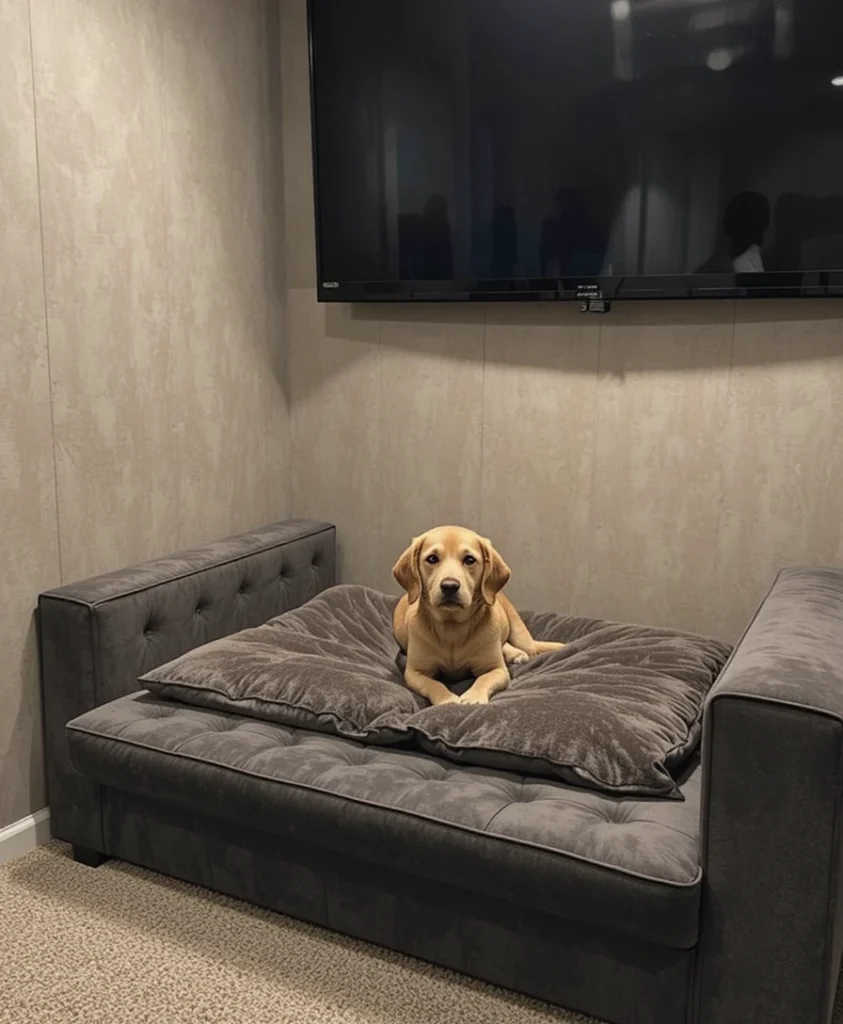
Build an upholstered low-profile platform bed into your basement home theater riser system using sound-dampening velvet fabrics. Basements can sometimes feel dark and cold, so install an under-bed heating mat with automated thermostat controls for extra comfort. This cozy setup keeps your dog warm and relaxed during family movie nights without taking up seating space on couches.
19. The Geometric Wooden Teepee Retreat
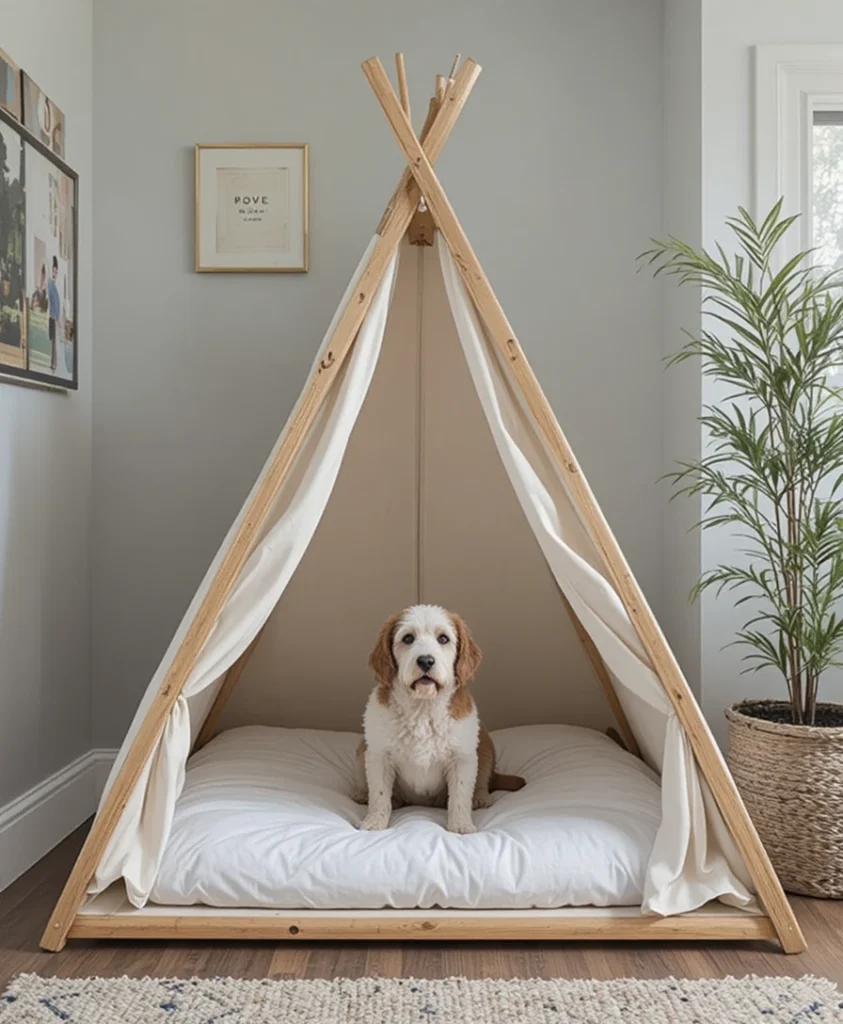
For an adaptable, non-permanent design solution, craft a custom wooden frame teepee using polished birch dowels and heavy cotton canvas. Position this artistic structure in living room corners to serve as a whimsical, Scandinavian-inspired focal point. The breathable canvas walls create an intimate micro-environment that calms nervous or easily overstimulated dogs.
20. The Built-In Library Bookshelf Nook
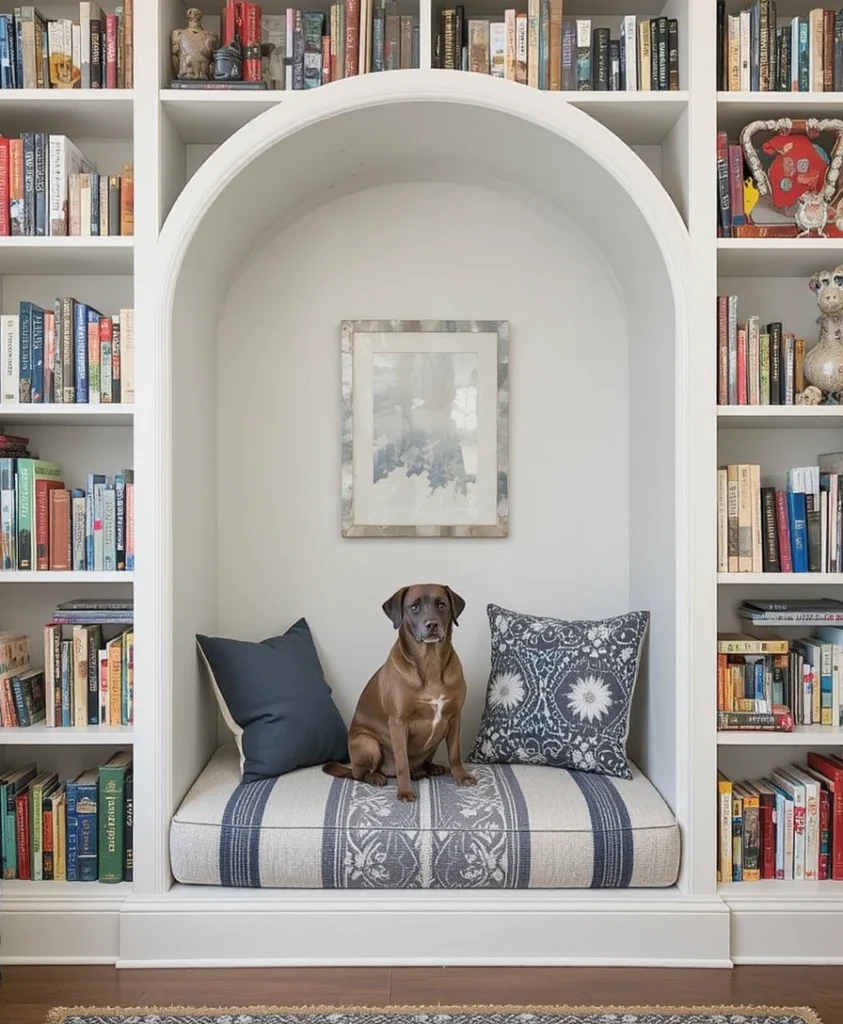
Remove the lower two shelves of a floor-to-ceiling library book display to construct a deep, archway-framed lounge nook. Painting the interior back wall of the nook in a contrasting accent color adds rich visual depth to your room. Surround the space with your favorite literature to seamlessly blend pet design into your home decor.
Optical Tricks and Pro Styling Hacks
Designing elegant dog spaces requires clever visual tricks that blend pet zones smoothly into your home’s aesthetic without drawing awkward attention. Here are my favorite insider styling techniques:
Color Matching Nuance: Paint the interior walls of your pet’s alcove the exact same color as your room’s baseboards or main trim. This technique makes the open alcove look like intentional architecture rather than a retrofitted cutout.
Concealed Hardware Integration: Use push-to-open latches on all pet supply cabinets. Eliminating external knobs creates a clean appearance across built-in mudroom or kitchen cabinetry.
Vertical Cohesion: Extend vertical wall elements—such as acoustic wooden slats or decorative board-and-batten paneling—straight down past the pet nook entrance. Visual continuity prevents the pet space from looking fragmented.
Textile Layering: Match the color palette of your dog bed fabrics directly to your accent throw pillows or drapery. Using tone-on-tone textiles instantly ties the dog bed into your room’s broader interior design scheme.
Scientific Facts & Environmental Spatial Data
When planning customized dog spaces, incorporating scientific spatial data and environmental psychology ensures your pet feels genuinely comfortable:
Dichromatic Vision Optimization: Canine eyes possess two types of cone photoreceptors, making them most sensitive to blue and yellow wavelengths while seeing reds and greens as grayish tones. Incorporating soft blue or muted yellow textiles inside their den creates a visually comforting environment.
Acoustic Sensitivity Boundaries: A dog’s hearing frequency ranges up to 45,000 Hz—more than double that of a human. Utilizing sound-absorbing materials like high-density felt lining inside sleeping alcoves dampens disturbing high-frequency noise from HVAC systems and home appliances.
Thermal Regulation Efficiency: Dogs regulate body heat primarily through panting and heat exchange across their paw pads. Placing non-porous cool surfaces like polished stone or porcelain tile within wash and lounge zones prevents overheating during hot summer months.
Frequently Asked Questions
How do I clean and maintain custom built-in dog spaces?
Use non-porous materials like sealed quartz, porcelain tile, or commercial-grade LVP for the surfaces. Choose performance textiles with removable, machine-washable covers, and clean interior surfaces weekly using non-toxic, pet-safe enzymatic cleaners to keep everything fresh.
What is the best way to choose colors when learning how to decorate your dog spaces?
Focus on muted tones like slate gray, soft blues, and subtle yellows, which align naturally with a dog’s dichromatic vision. Coordinate these shades with your home’s trim or wall colors to maintain visual harmony throughout the room.
Are built-in pet zones good for resale value on homes?
Yes, custom built-in pet spaces are highly attractive to modern home buyers. Designing dual-purpose built-ins—such as under-stair nooks or mudroom benches—ensures the space easily converts back to general storage if a future buyer doesn’t have pets.
Final Thoughts
Integrating well-designed dog spaces into your home isn’t just a design trend—it is a thoughtful investment in your living space and your pet’s well-being. Throughout my years as an interior designer, I have found that intentional pet spaces dramatically improve daily organization while creating a calm, harmonious environment for your dog. When you thoughtfully plan materials, light, and placement, you build a home that looks stunning while serving every member of your family. Start with one functional area, pick high-quality materials, and enjoy creating a beautiful sanctuary your dog will love for years to come.