
Explore 20 stunning vintage home styles that bring timeless charm, warmth, and character into your living space—from Victorian grandeur to mid-century modern elegance. There is something about classic design eras that no modern minimalist trend can ever truly replicate.
It is the soul embedded in every carved wooden banister, the warmth radiating from a worn leather armchair, and the quiet elegance of floral wallpaper that has aged beautifully. A home is not just a structure; it is a story.
Whether you are transforming an entire property or refreshing a single corner, this comprehensive styling blueprint will guide you toward spaces that feel deeply personal, unmistakably curated, and beautifully rooted in time.
Quick Reference: Vintage Eras & Key Materials
| Interior Style | Defining Era | Signature Materials | Core Color Palette |
| Victorian Opulence | late 19th Century | Velvet, Mahogany, Intricate Tiles | Emerald, Burgundy, Gold |
| Mid-Century Modern | 1950s – 1960s | Teak/Walnut Wood, Molded Plastic | Mustard, Teal, Warm Wood |
| Art Deco Glamour | 1920s – 1930s | Lacquer, Mirrors, Polished Brass | Midnight Blue, Black, Gold |
| Industrial Vintage | Early 20th Century | Exposed Brick, Iron, Reclaimed Timber | Charcoal, Rust, Concrete |
1. Victorian Opulence: The Art of Living Grandly
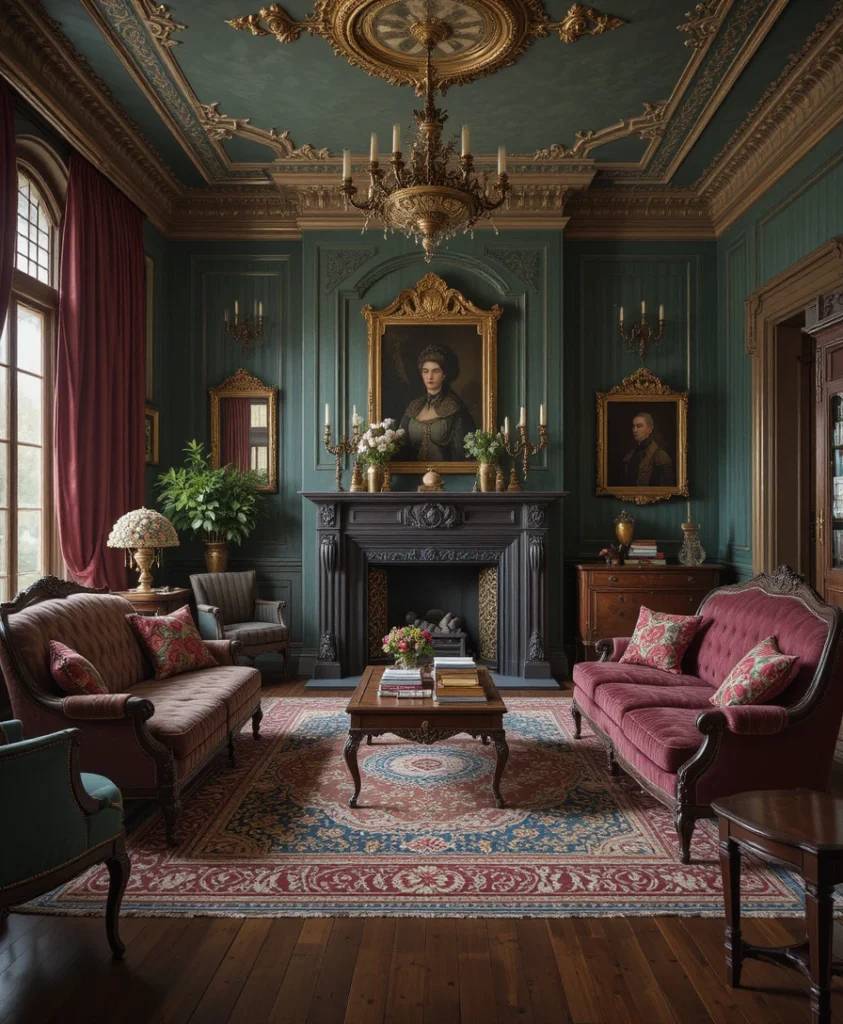
Victorian interiors are defined by richness in every corner—ornate crown moldings, deep jewel-toned walls, and statement furniture that commands attention. This aesthetic thrives on heavy layering.
How to Style It: Pair velvet upholstery over carved mahogany frames. Use heavy silk drapes that pool onto dark hardwood floors, and frame your fireplace with intricate ceramic tilework.
Pro Tip: If you live in a modern apartment, introduce a single vintage Victorian gold-gilded mirror in your living room to anchor the space without overwhelming it.
2. Mid-Century Modern: Where Simplicity Meets Soul
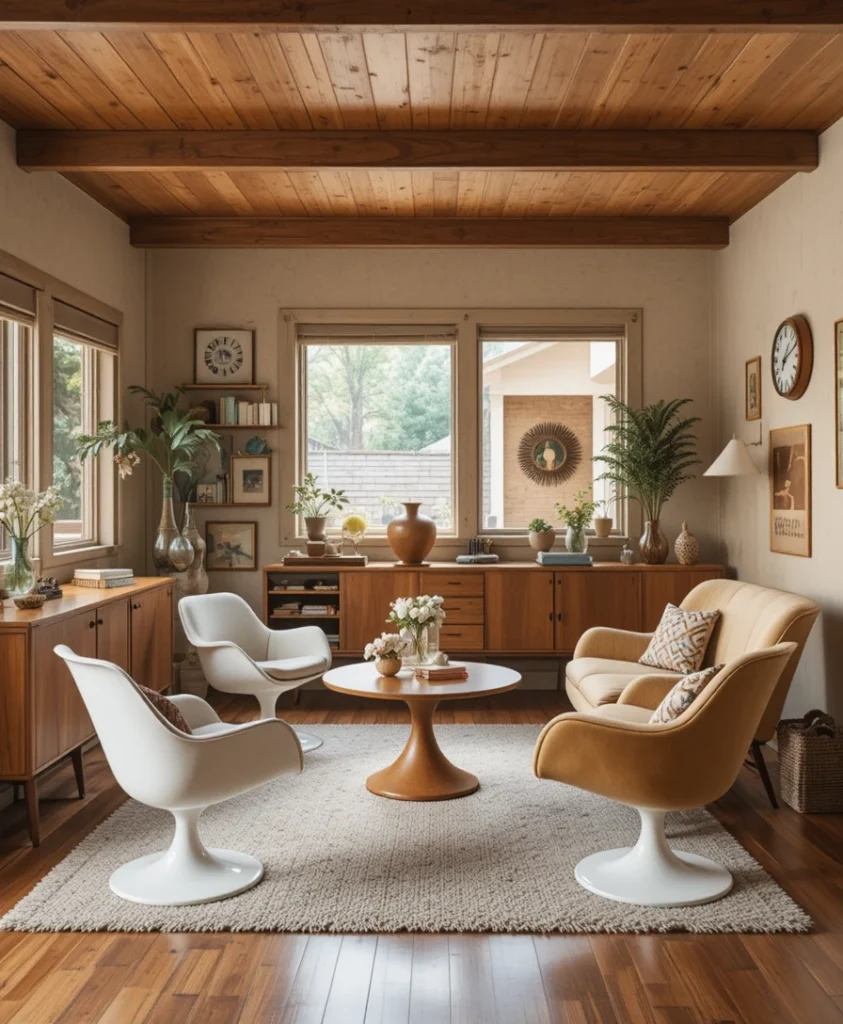
Born from the post-war design movements, this iconic aesthetic pairs clean, low-profile architectural lines with organic shapes and warm wood tones. It perfectly balances minimalism with personality.
Key Elements: Look for iconic tapered-leg furniture, walnut sideboards, tulip chairs, and sunburst wall clocks.
How to Style It: Keep walls neutral (eggshell white or light gray) and let the warm tones of teak or walnut furniture do the talking. Add a graphic geometric rug for a pop of retro energy.
3. Art Deco Glamour: Geometry Dressed in Gold
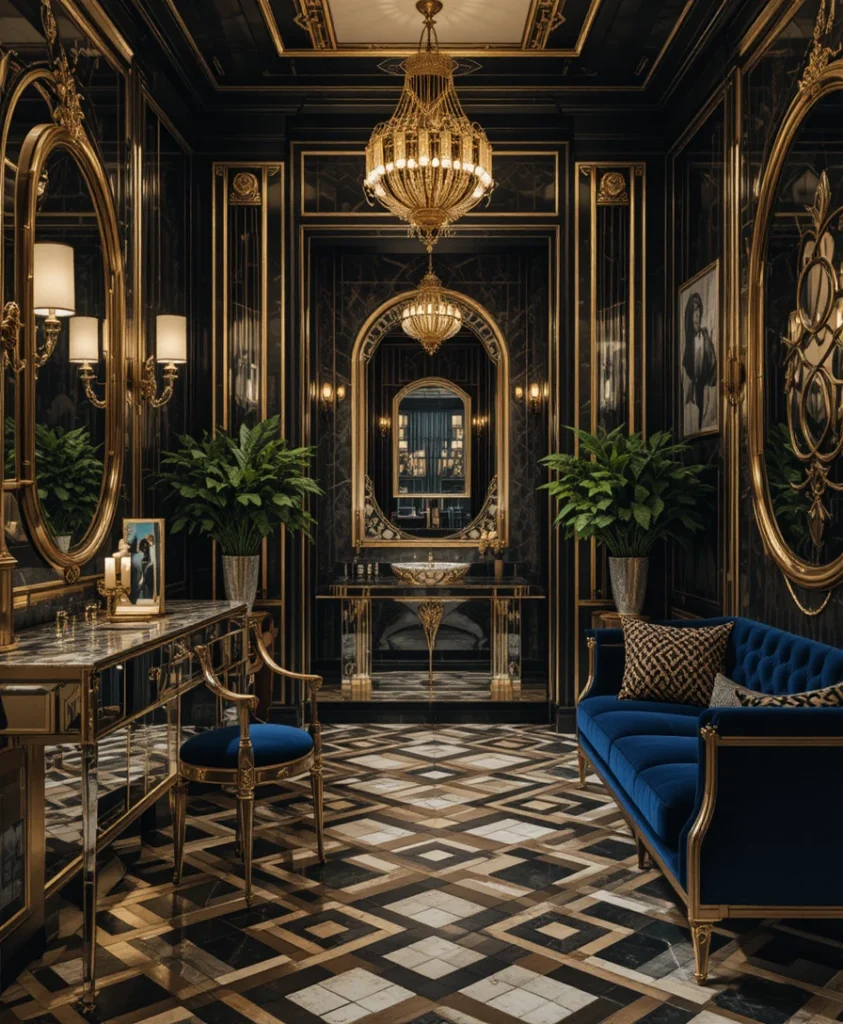
Art Deco is the perfect design language for homeowners who want high drama without chaotic clutter. Emerging from the roaring 1920s, it speaks through symmetry and luxurious textures.
Key Elements: Bold chevron or sunburst patterns, mirrored surfaces, lacquered high-gloss furniture, and geometric brass fixtures.
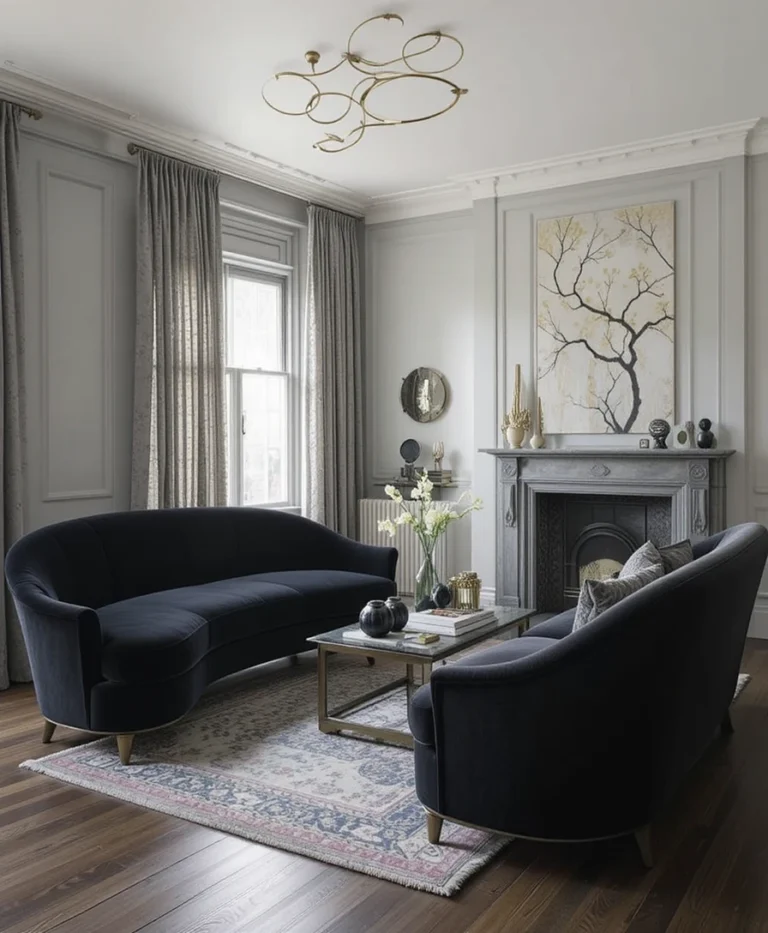
How to Style It: Introduce a mirrored vanity in a powder room or style a plush velvet sofa in deep midnight blue against a accent wall framed with metallic gold trim.
4. Farmhouse Rustic: Where Comfort Wears Work Boots
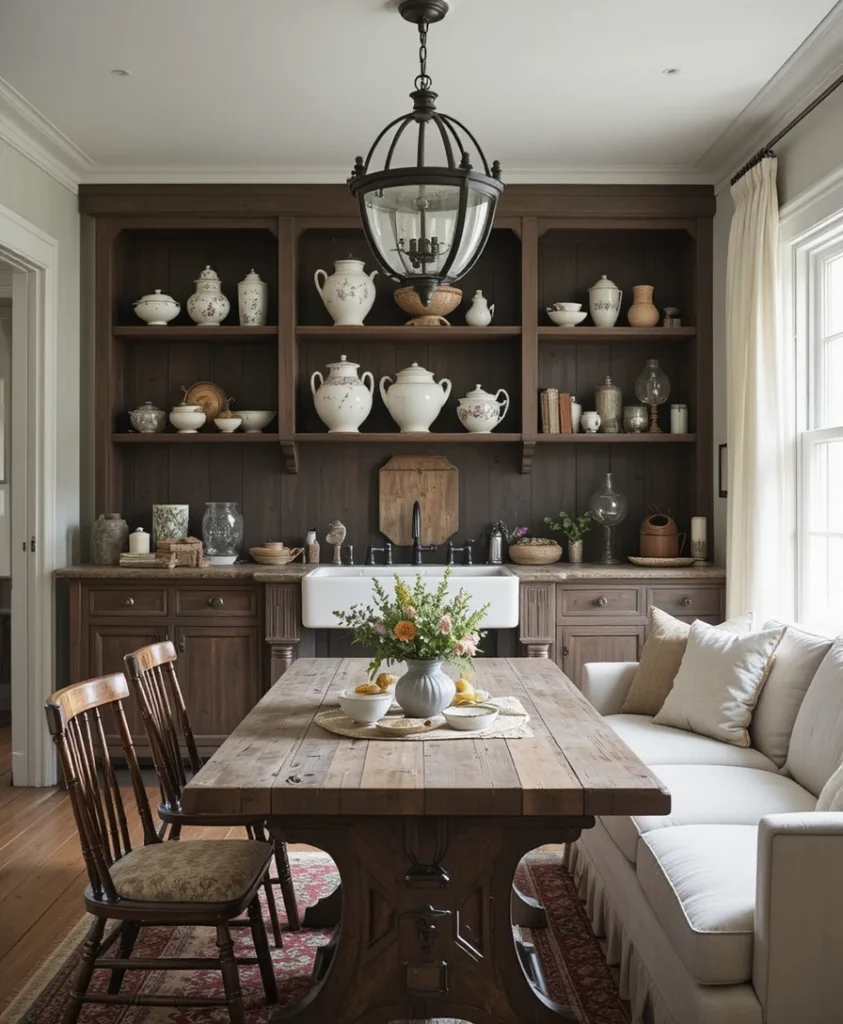
There is an enduring honesty to a rustic farmhouse layout. It is completely unpretentious, deeply warm, and built around the core philosophy that true beauty comes from everyday use.
Key Elements: Shiplap walls, apron-front porcelain sinks, open wooden shelving, and durable linen-covered sofas.
How to Style It: Do not polish away the patina on a reclaimed dining table; that weathered look is the whole point. Layer your space with ironstone pottery and soft plaid throws.
5. Edwardian Elegance: Light-Filled and Quietly Refined
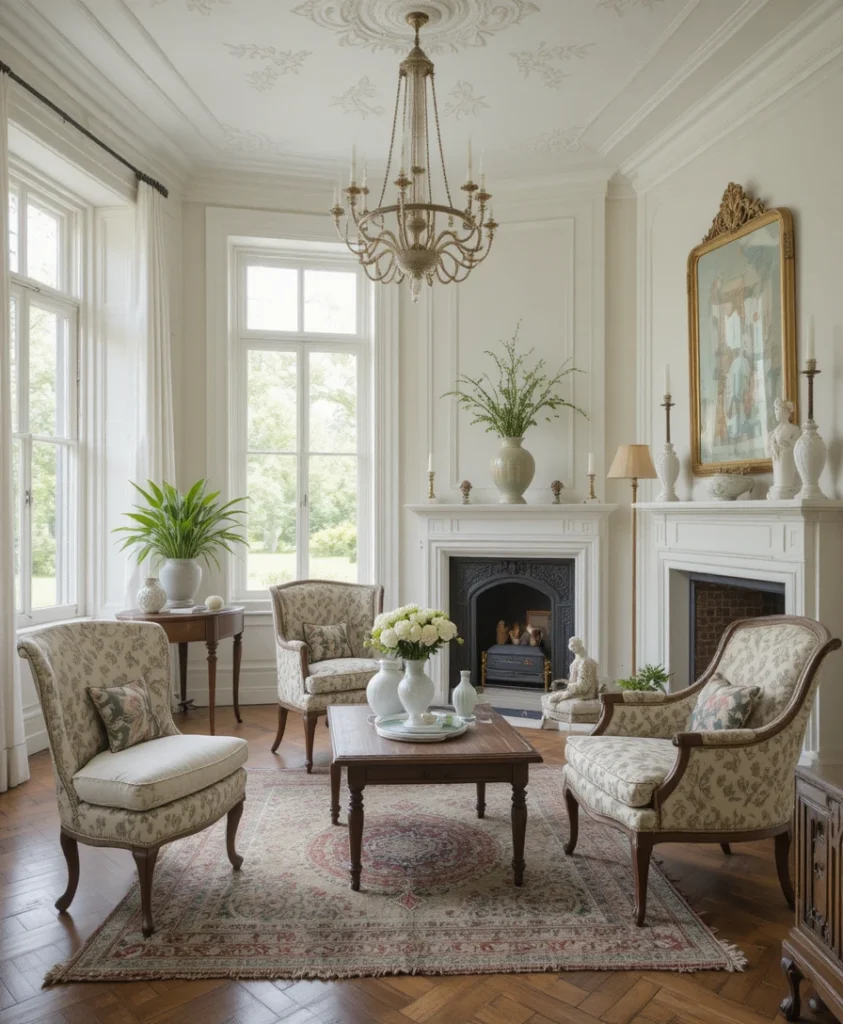
Emerging at the turn of the twentieth century after Queen Victoria’s reign, Edwardian interiors moved away from dark, heavy textures toward brighter, airier spaces with larger windows.
Key Elements: Lighter pastel color palettes, white-painted woodwork, botanical prints, and parquet flooring.
How to Style It: Utilize delicate floral wallpapers, soft sage green walls, and lightweight lace or sheer curtains to maximize natural daylight.
6. 1970s Earthy Bohemian: Warm, Wild, and Wonderfully Layered
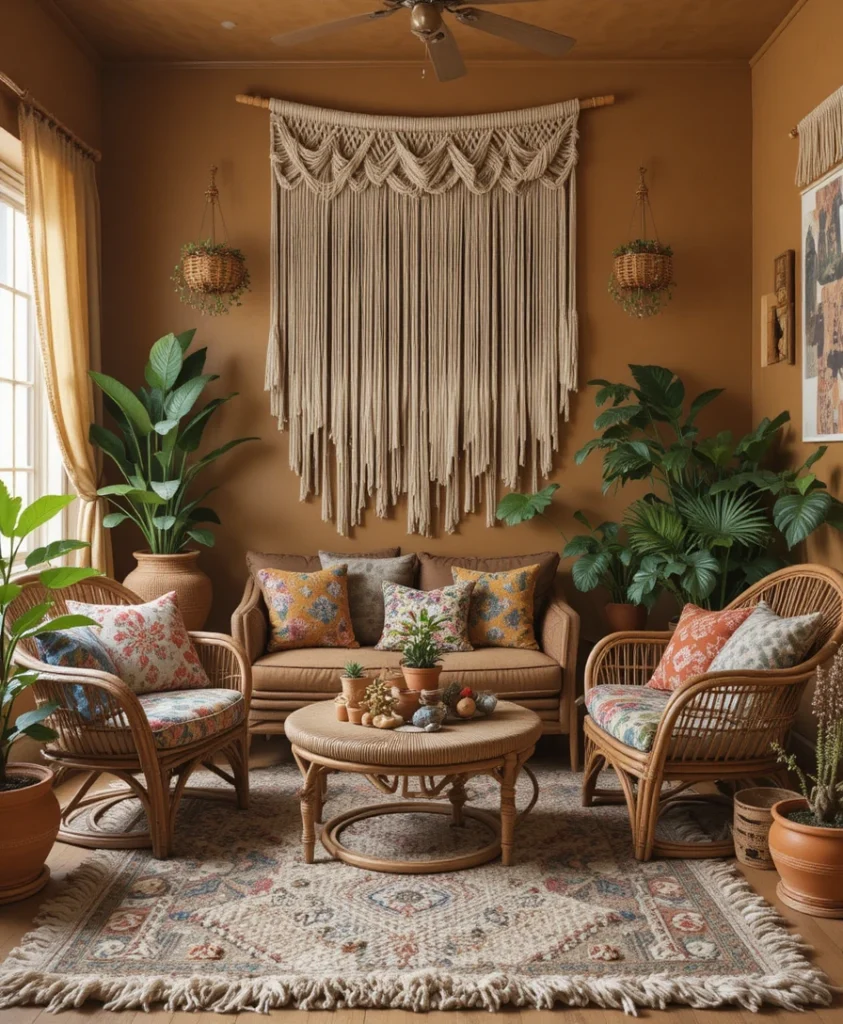
The 1970s bohemian layout focuses on unapologetic texture and free-spirited comfort. Nothing matches perfectly, yet everything feels like it belongs together in a cozy, relaxed sanctuary.
Key Elements: Terracotta pots, macramé wall hangings, shaggy jute rugs, and low-slung rattan furniture.
How to Style It: Paint an accent wall in deep burnt sienna or mustard yellow. Layer the floor with mismatched floor cushions, kilim rugs, and plenty of cascading hanging plants.
7. French Provincial: Romance Lived In, Not Looked At
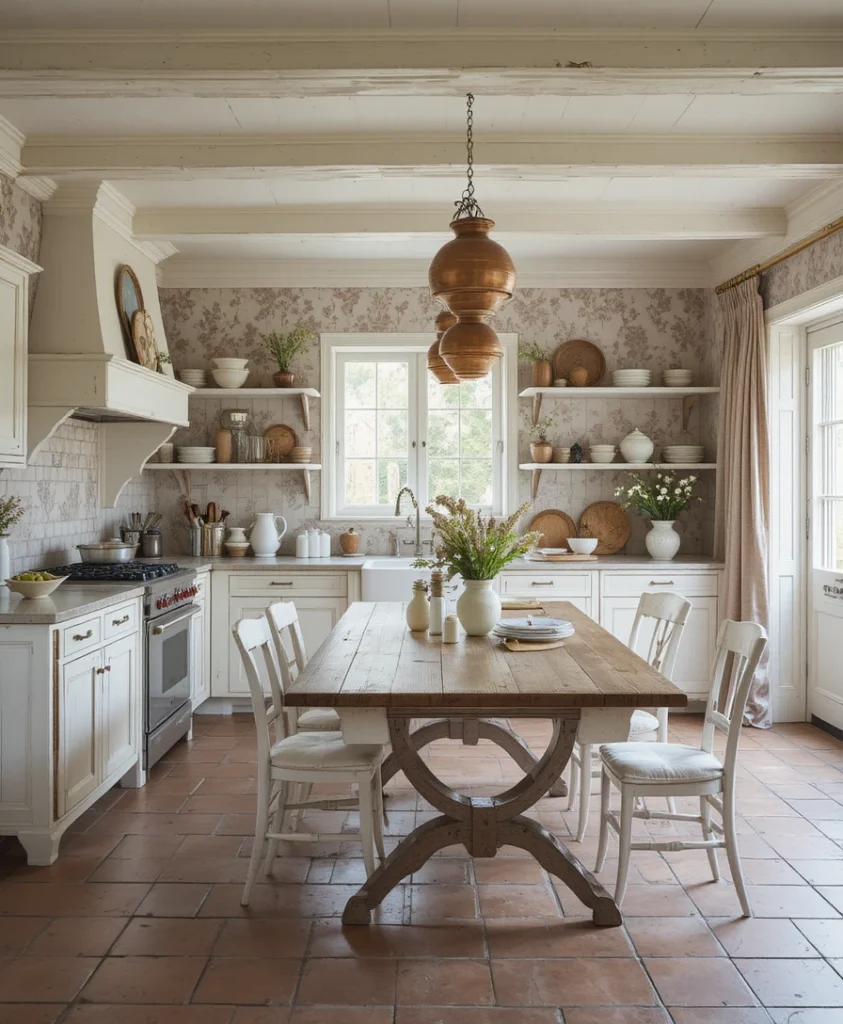
Rooted in the countryside estates of southern France, this aesthetic blends rustic textures with effortless elegance. It never feels stiff or overly formal.
Key Elements: Distressed white-painted armoires, toile de Jouy fabrics, lavender-hued linens, and smooth terracotta floor tiles.
How to Style It: Dress your kitchen with open timber shelves, hang copper pots overhead, and place a rustic, scrubbed oak table right at the center of the room.
8. Colonial Revival: Symmetry and Strength in Every Room
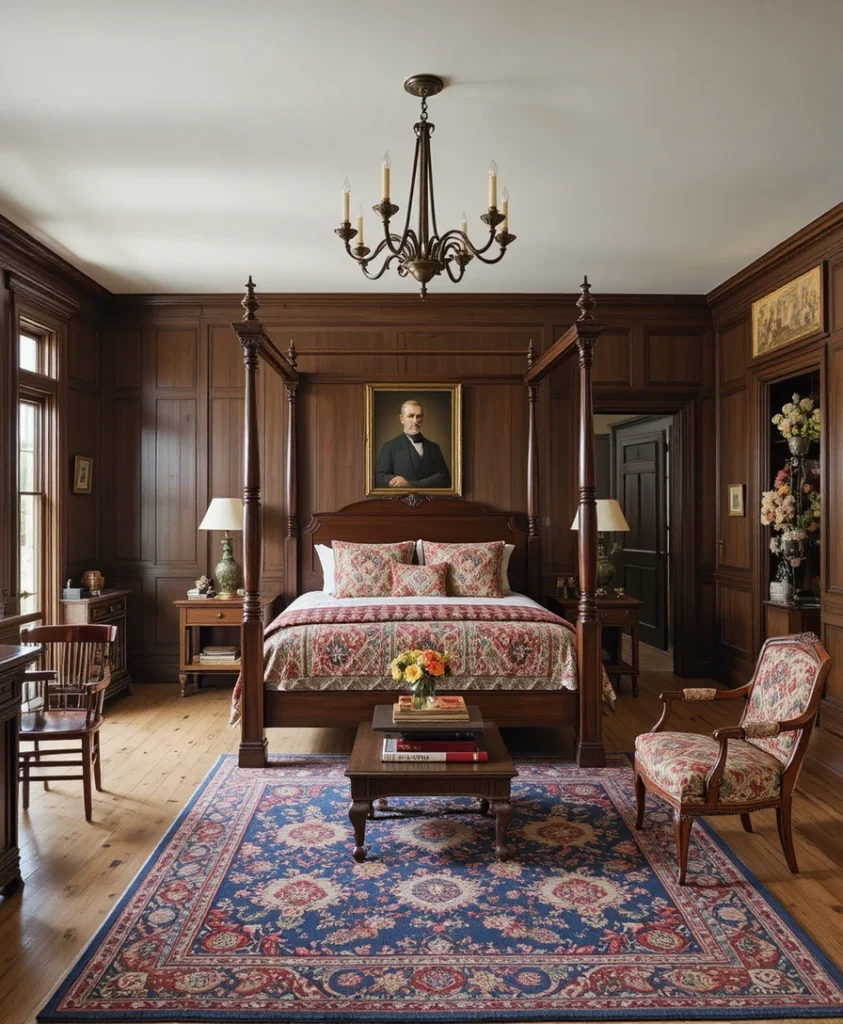
Drawing from early American architecture, Colonial Revival brings a sense of structured order, balance, and quiet historical authority to domestic spaces.
Key Elements: Symmetrical layouts, rich wood paneling, formal four-poster beds, and classic brass hardware.
How to Style It: Use rich, deep colors like historical navy or hunter green. Anchor the room with wide-plank floors, candelabra-style chandeliers, and traditional oil-style portraits.
9. Hollywood Regency: Boldness Dressed in Satin and Lacquer
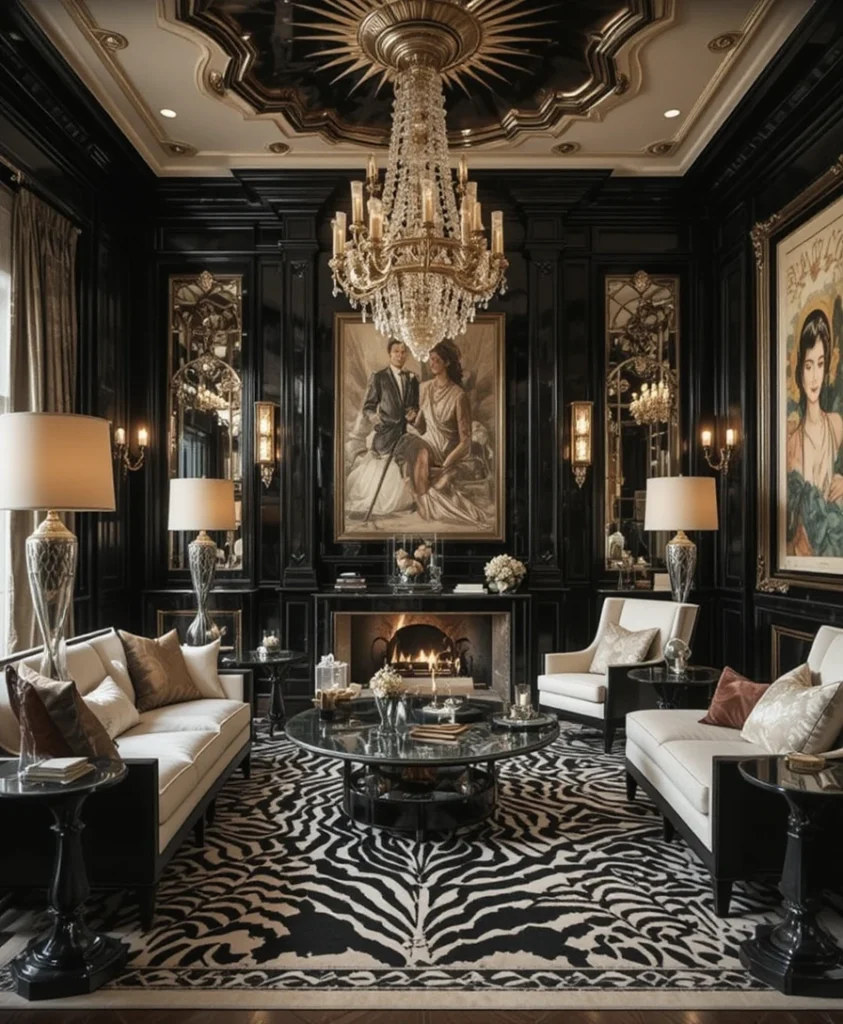
Theatrical, glamorous, and lavishly high-contrast, Hollywood Regency emerged during the silver screen era of the 1930s to treat every home like a luxurious movie set.
Key Elements: High-gloss lacquered surfaces in black and ivory, oversized crystal chandeliers, zebra-print rugs, and tufted satin headboards.
How to Style It: Keep your floor layout open for entertaining, and use mirrored accent tables to bounce light across bold, jewel-toned walls.
10. Shabby Chic: The Beauty of Soft and Worn Things
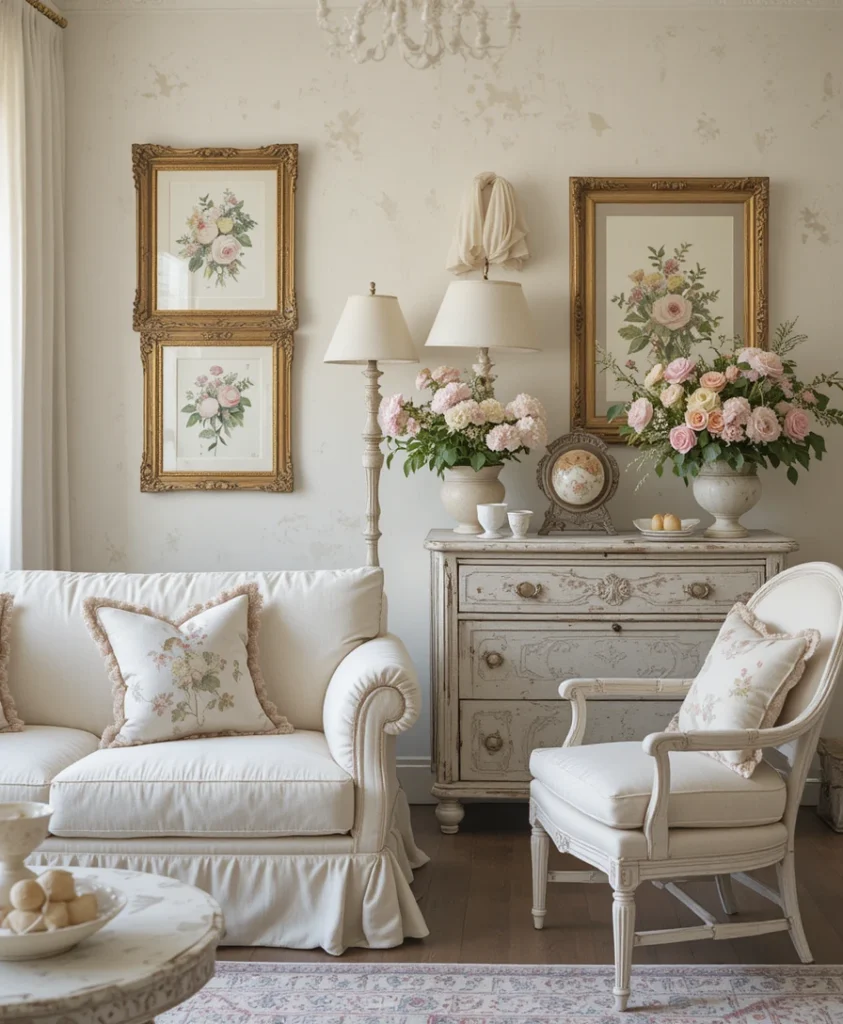
Popularized in the late 20th century, Shabby Chic celebrates imperfection with tremendous grace. It embraces things that have aged, chipped, and softened over time.
Key Elements: Faded floral prints, peeling or distressed painted dressers, and soft layers of linen lace.
How to Style It: Cover a deep, comfortable sofa with a casual white linen slipcover. Decorate open tables with mismatched vintage china, milk glass vases, and fresh-cut roses.
11. Craftsman Style: Handmade With Intent and Integrity
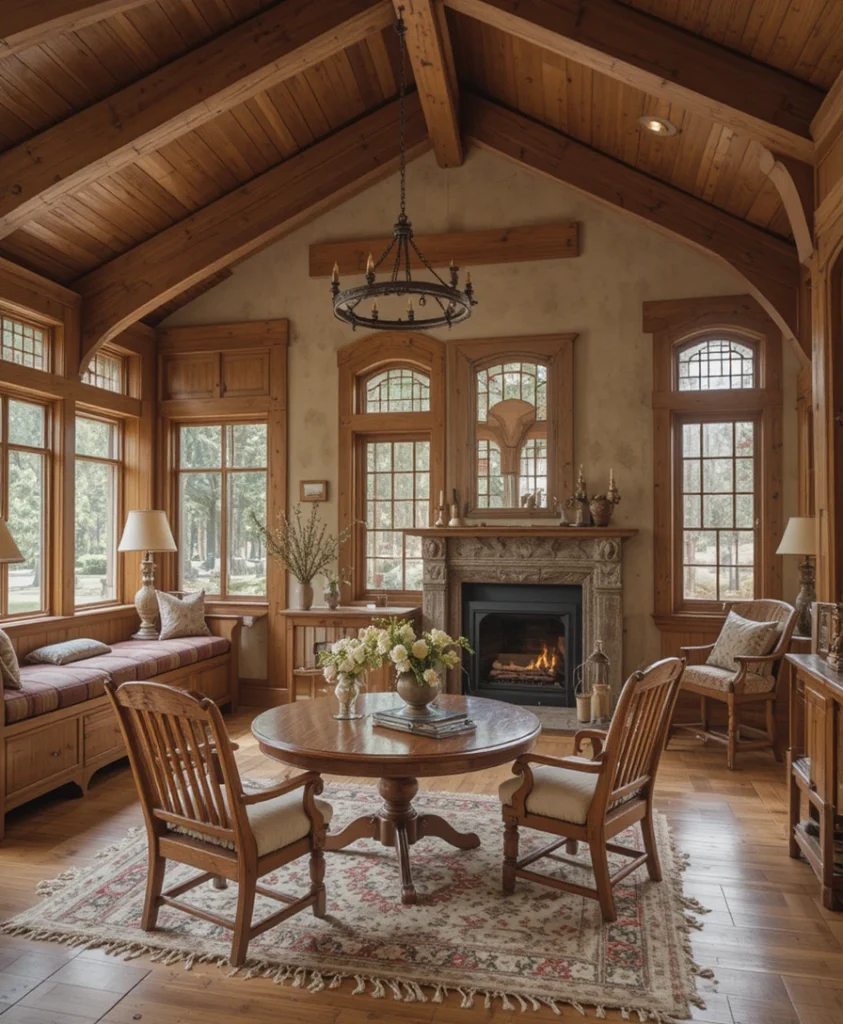
Born from the Arts and Crafts movement, this philosophy rejects factory-made excess in favor of high-quality joinery, built-in structural features, and honest organic materials.
Key Elements: Exposed ceiling beams, built-in window seats, stained glass window panels, and rich oak finishes.
How to Style It: Focus on warm earth tones (ochre, moss green, and rust). Decorate built-in shelves with hand-thrown pottery and mission-style antique lamps.
12. Scandinavian Vintage: Hygge Rooted in History
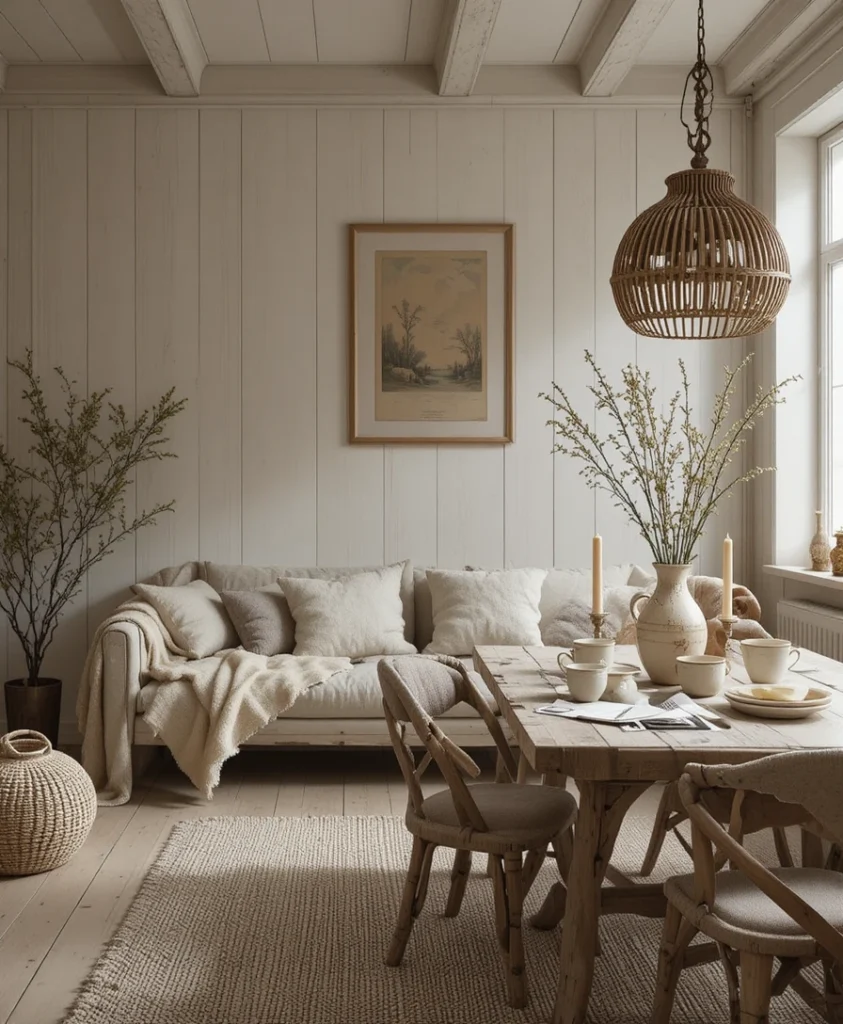
Long before modern Nordic minimalism took over, mid-century Scandinavian design masterfully threaded functionality, simplicity, and historical warmth together.
Key Elements: Muted gray or white walls, pale timbers (ash or beech), woven wool blankets, and simple ceramic tableware.
How to Style It: Focus on hygge (coziness). Keep surfaces clutter-free but use vintage candle holders, sheepskin rugs, and soft textiles to build visual warmth.
.
13. Tuscan Villa: Stone, Terracotta, and Timeless Warmth
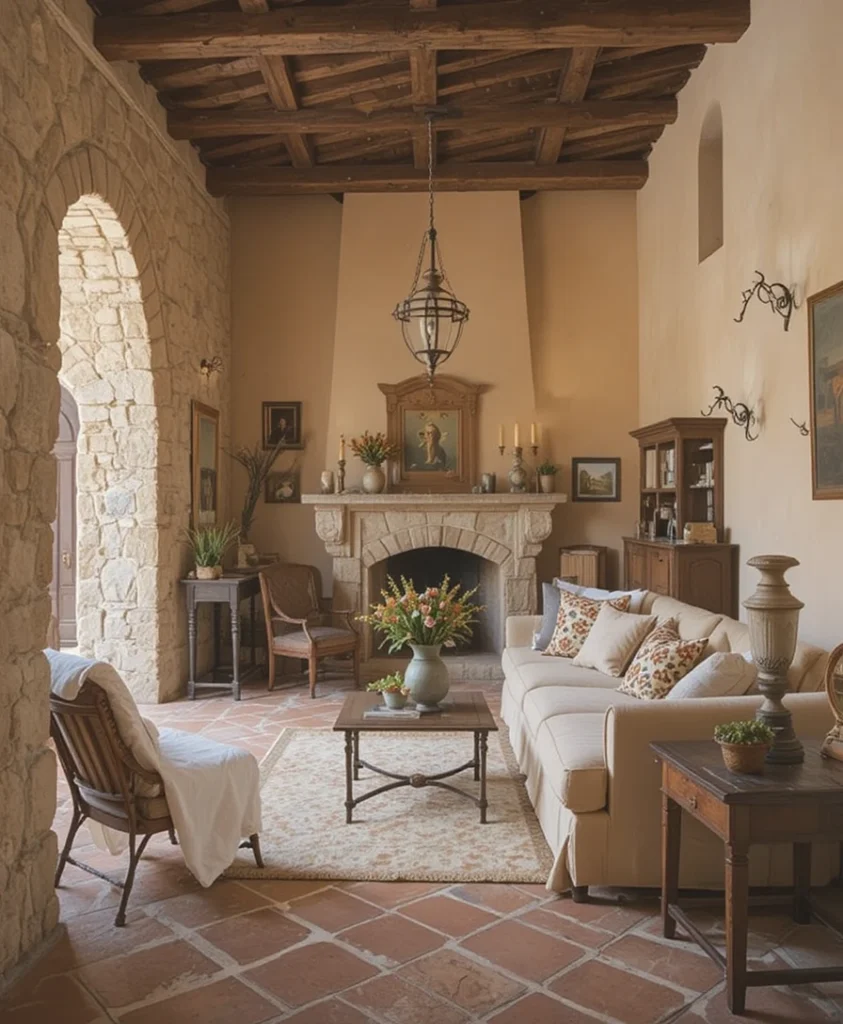
This design ethos transports your home straight to sun-baked Italian hillsides using elemental architectural materials that feel permanently grounded.
Key Elements: Textured plaster stone walls, unglazed terracotta floor tiles, heavy wrought-iron fixtures, and exposed rustic ceiling beams.
How to Style It: Use an earthy base palette of ochre, burnt sienna, and olive. Complete the look with large ceramic urns and a sturdy wrought-iron dining chandelier.
14. Gothic Revival: Dark, Dramatic, and Deeply Atmospheric
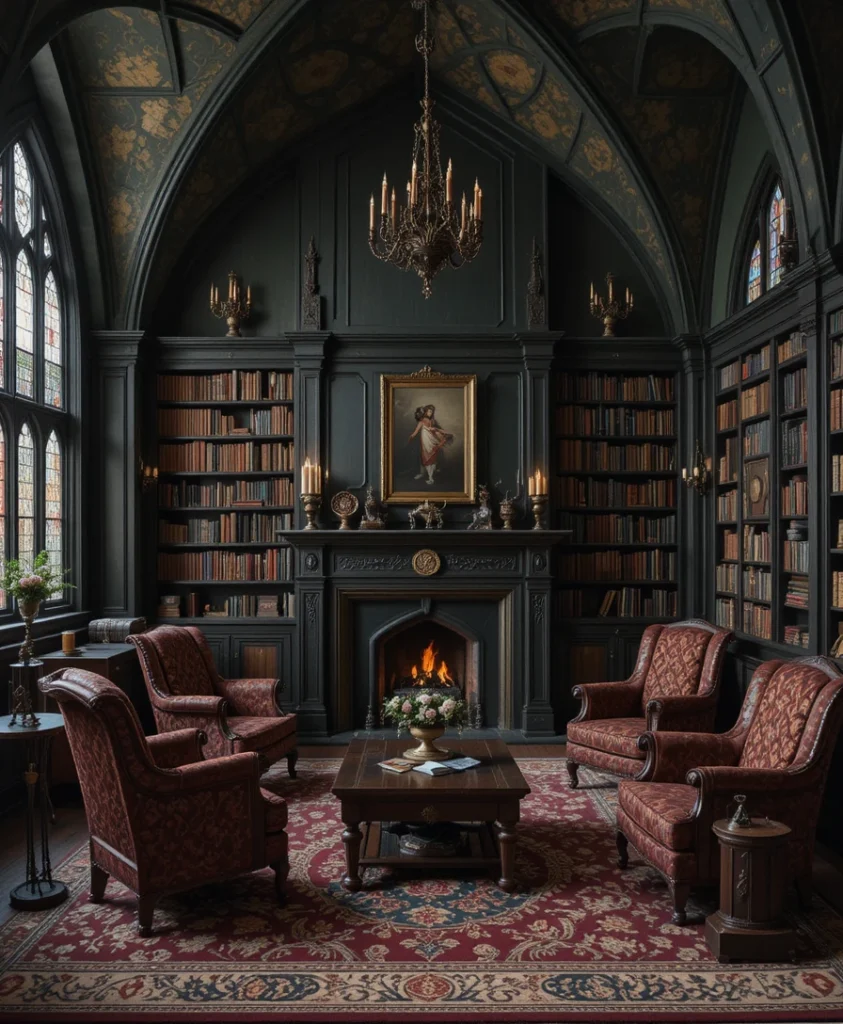
Inspired by medieval European architecture, Gothic Revival is a brilliant choice for homeowners who are completely unafraid of intensity, shadow, and architectural mystery.
Key Elements: Pointed arch mirrors, heavily carved dark wood bookcases, heavy tapestries, and cast-iron hardware.
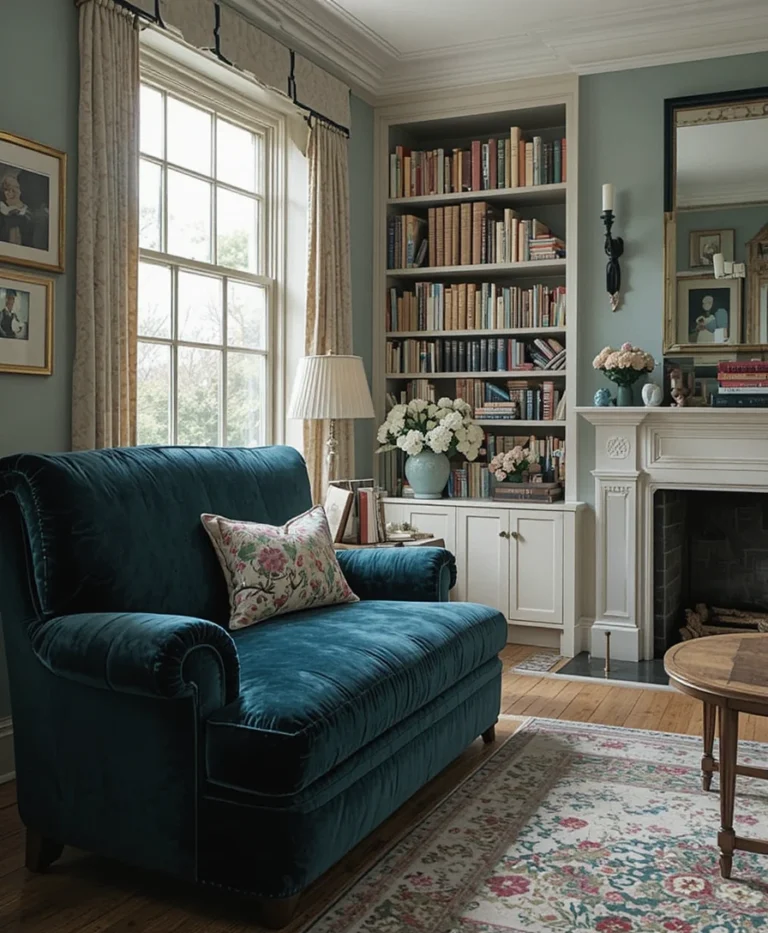
How to Style It: Paint a study or library room in deep charcoal, forest green, or oxblood red. Layer the space with tall candelabras and dramatic velvet accent chairs.
15. Retro 1950s Diner: Playful Nostalgia With Personality
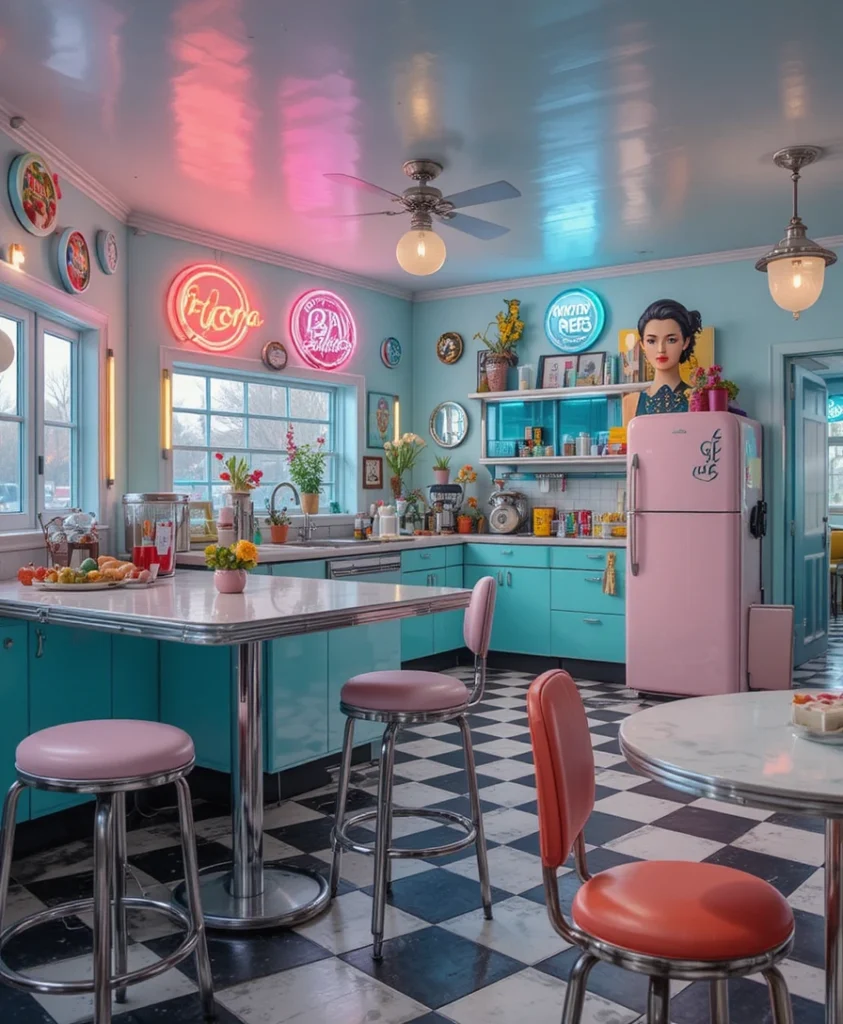
This energetic style brings an irresistible sense of mid-century fun and vibrant Americana straight into the heart of modern kitchens and breakfast nooks.
Key Elements: Chrome-legged tables, classic black-and-white checkered floors, pastel appliances, and bold vinyl-upholstered barstools.
How to Style It: Create a dedicated coffee station or breakfast counter utilizing retro pastel mint or pink appliances, and hang a vintage neon sign as playful wall art.
16. Japanese Wabi-Sabi Vintage: Imperfection as Philosophy
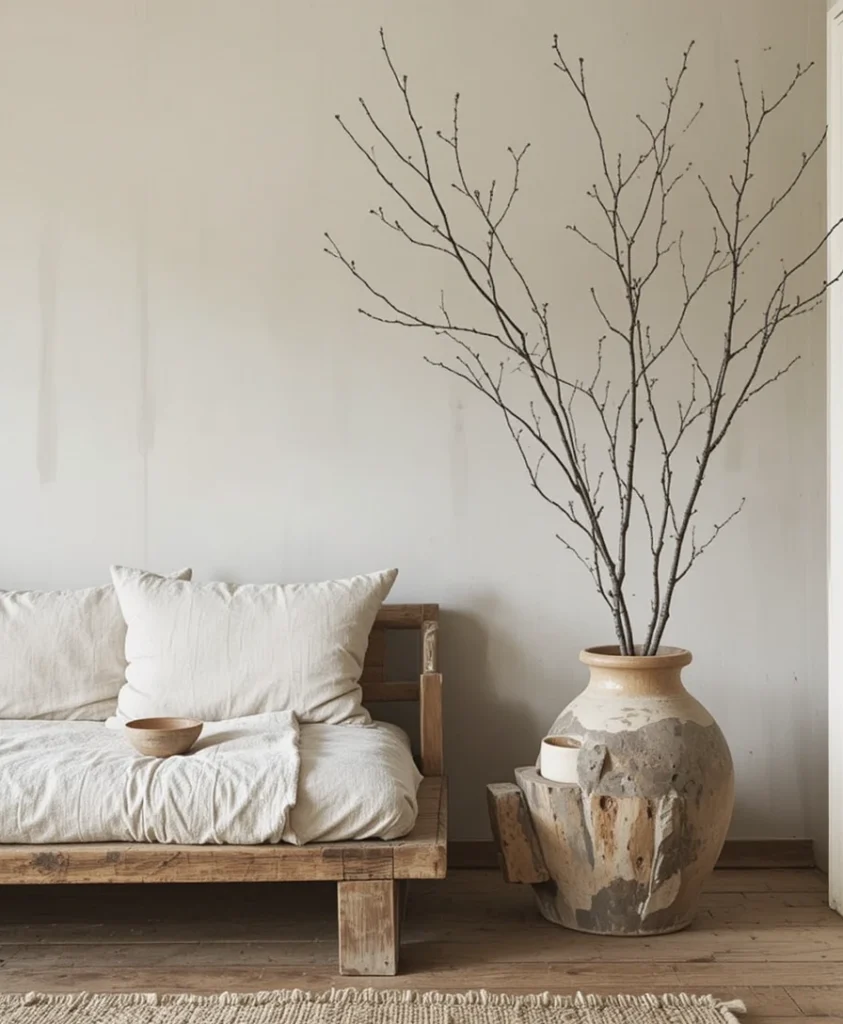
Wabi-Sabi teaches us to find immense peace in impermanence, raw organic textures, and the beautiful signs of natural aging.
Key Elements: Weathered raw wood, asymmetrical handmade ceramics with uneven glazes, and undyed organic linen fibers.
How to Style It: Keep decorations to a bare minimum. Place a single dried botanical branch into a rough, weathered stoneware vase on top of an unpolished timber bench.
17. Maximalist Victorian Eclecticism: More Is Gloriously More
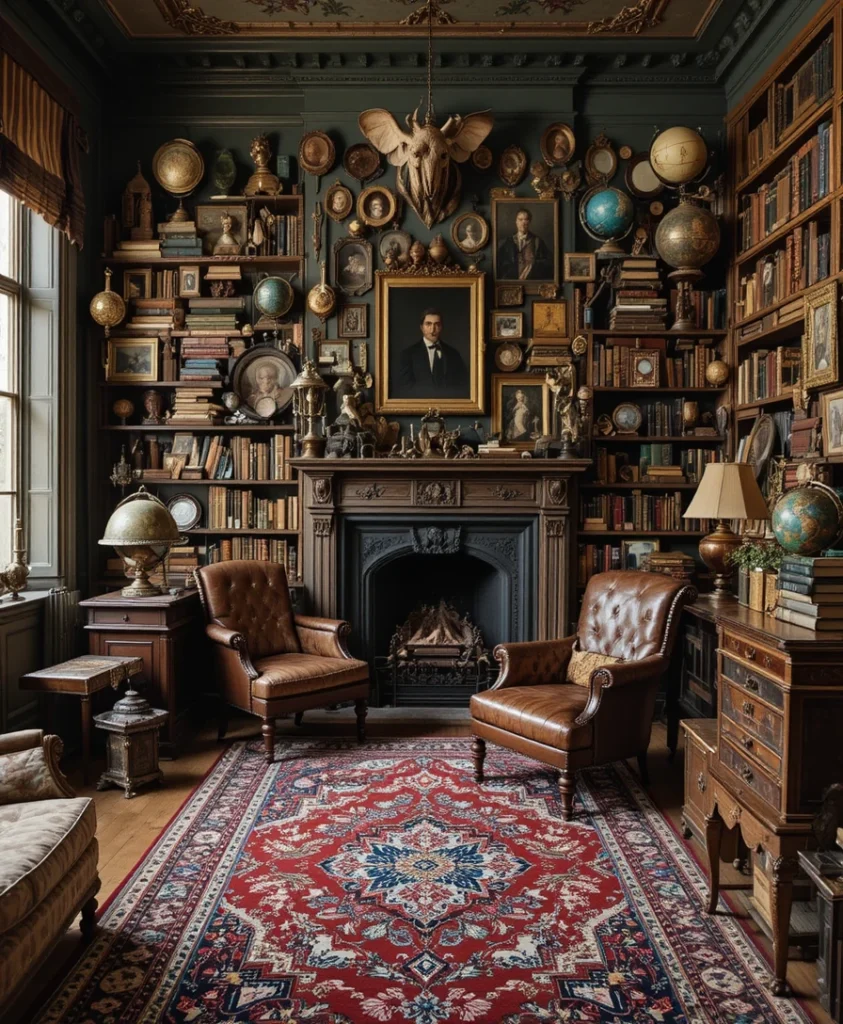
Unlike structured Victorian design, this eclectic approach gives you absolute creative permission to collect, layer, and display unique treasures without any reservation.
Key Elements: Layered gallery walls, antique globes, leather-bound book stacks, and overlapping Persian rugs.
How to Style It: Mix design eras intentionally on a single shelf. Balance a collection of brass candlesticks, vintage oil portraits, and travel curiosities in a curated, dense arrangement.
18. Southern Antebellum: Formal Grace With Deep Character
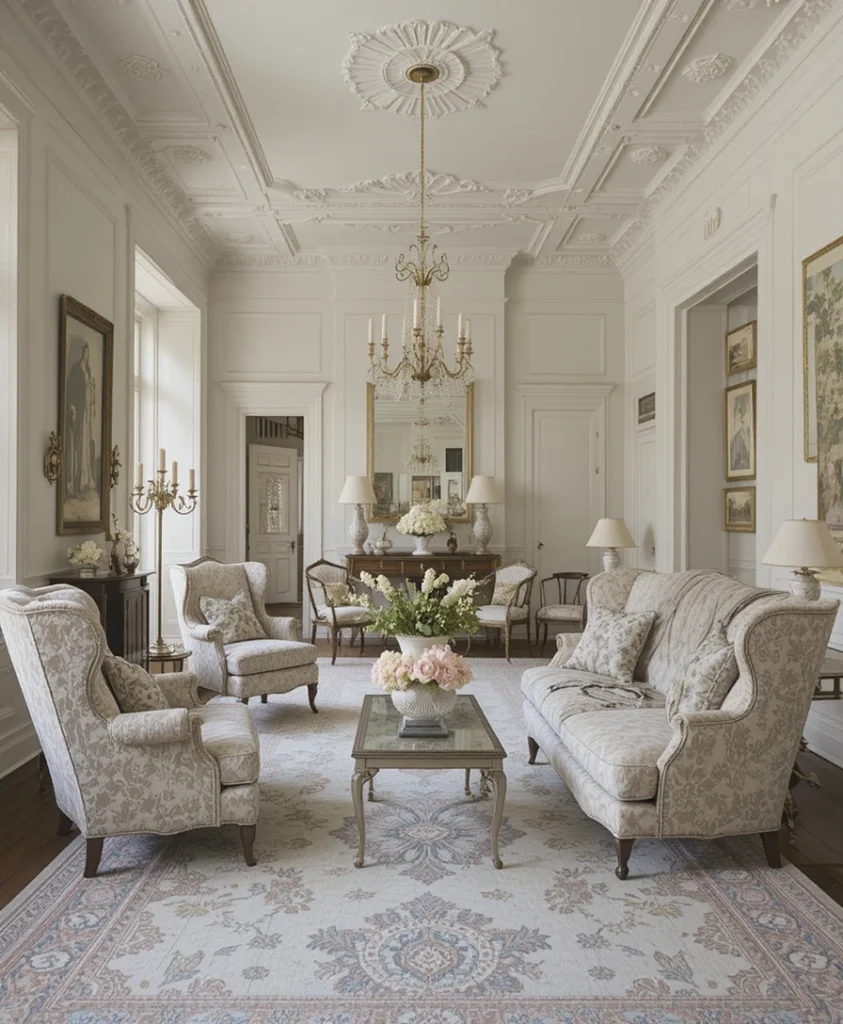
This style blends formal architectural features with a lived-in historical warmth, making grand historic design feel entirely approachable.
Key Elements: Tall ceilings with plaster medallions, whitewashed brick, wingback chairs, and heirloom quilts.
How to Style It: Soften formal spaces by pairing silver candlesticks and dark wood dressers with traditional chintz floral fabrics and handmade quilts draped over rocking chairs.
19. Industrial Vintage: Raw Materials, Refined by Time
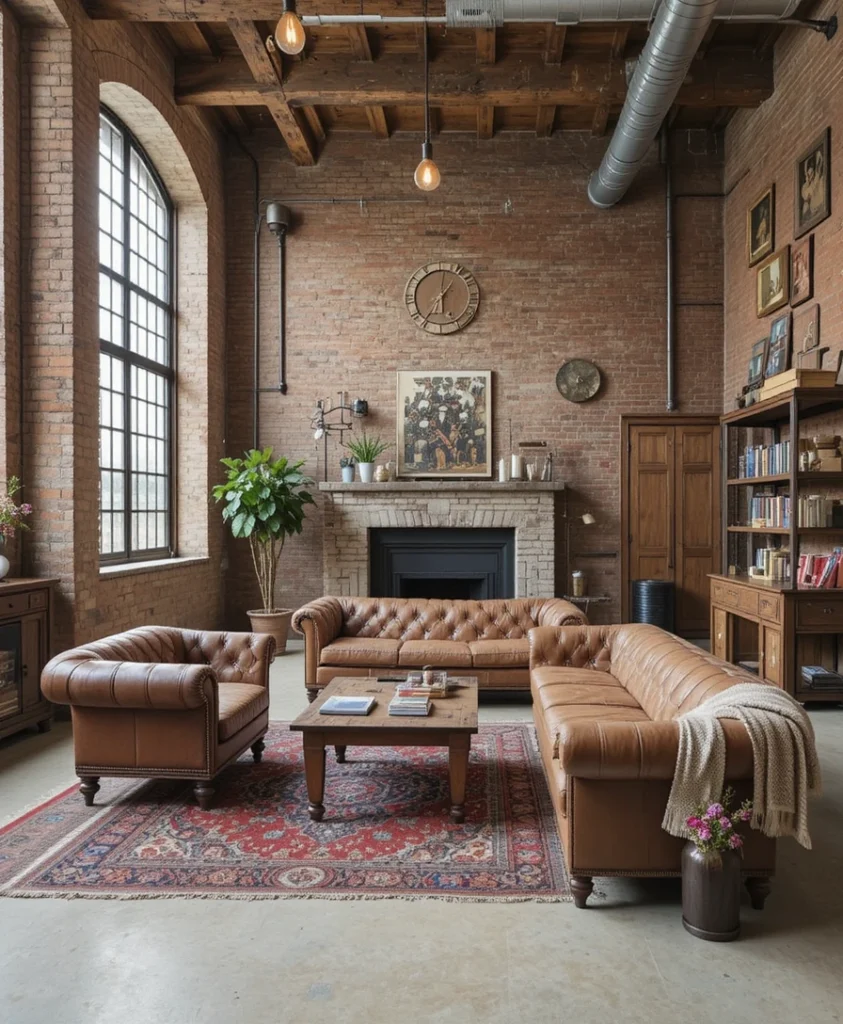
Industrial vintage honors the structural honesty of unfinished warehouse elements that have been gracefully aged through decades of practical utility.
Key Elements: Exposed brick accent walls, factory-style steel windows, concrete floors, and open Edison-bulb lighting.
How to Style It: Soften the cold texture of industrial elements by layering a classic distressed Persian rug over concrete floors, and introduce a deep vintage leather chesterfield sofa.
20. Cottagecore Antique: Wildflowers, Worn Wood, and Pure Whimsy
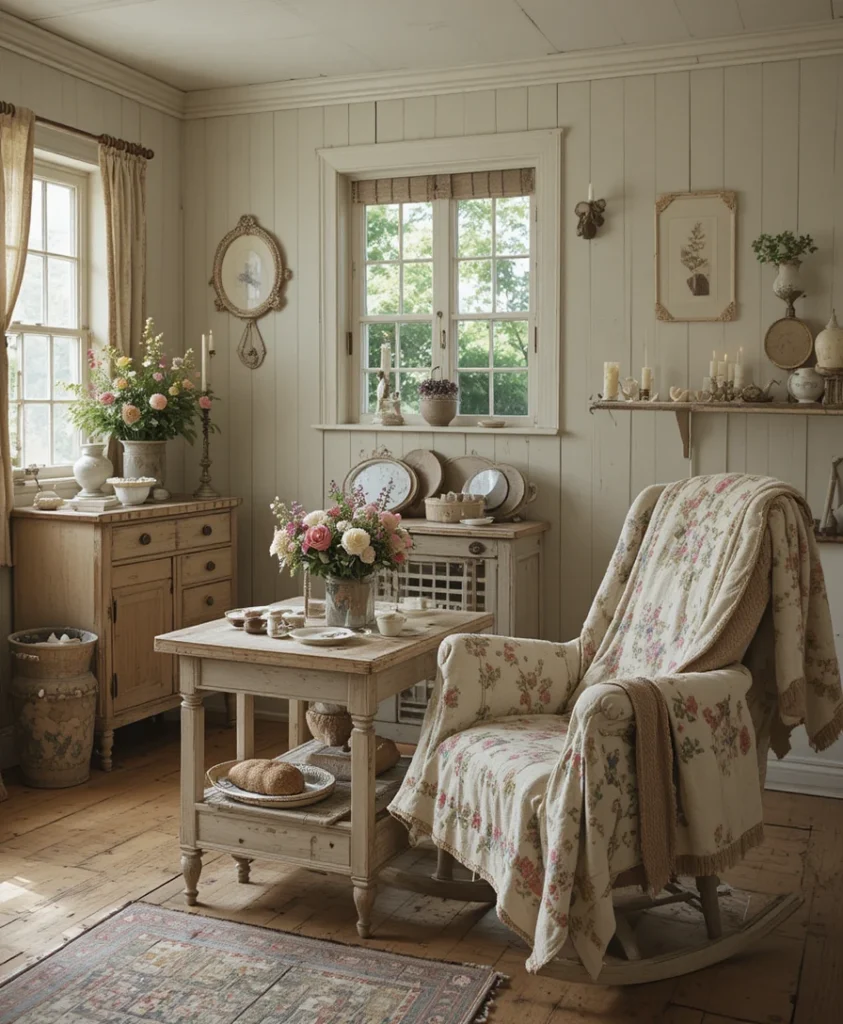
Cottagecore is an unabashedly sentimental design movement that builds a dreamy, soft-focused world inspired by a gentle, slow countryside lifestyle.
Key Elements: Pressed botanical frames, hand-embroidered table linens, mismatched vintage teacups, and scrubbed pine tables.
How to Style It: Display your collection of vintage market finds openly on open shelves. Burn raw beeswax candles and keep fresh wild-looking florals on the counter at all times.
Final Thoughts
After exploring these twenty design eras, one thing becomes perfectly clear: the past is a rich resource for modern interior spaces. The true secret to mastering a vintage interior aesthetic is personal investment and curation. Choose design elements that genuinely move you, layer them into your layout with patience, and your home will tell a beautiful, unique story that no trend can ever replace.