Keeping your kitchen hygienic often starts with something many people forget — Dish Rack Cleaning.
A dish rack holds freshly washed plates, bowls, and utensils, but if it isn’t cleaned regularly, it can collect moisture, mold, soap residue, and bacteria.
This article explains Dish Rack Cleaning in clear steps, including what you need, unique tips for each step, and how to maintain a cleaner rack over time.
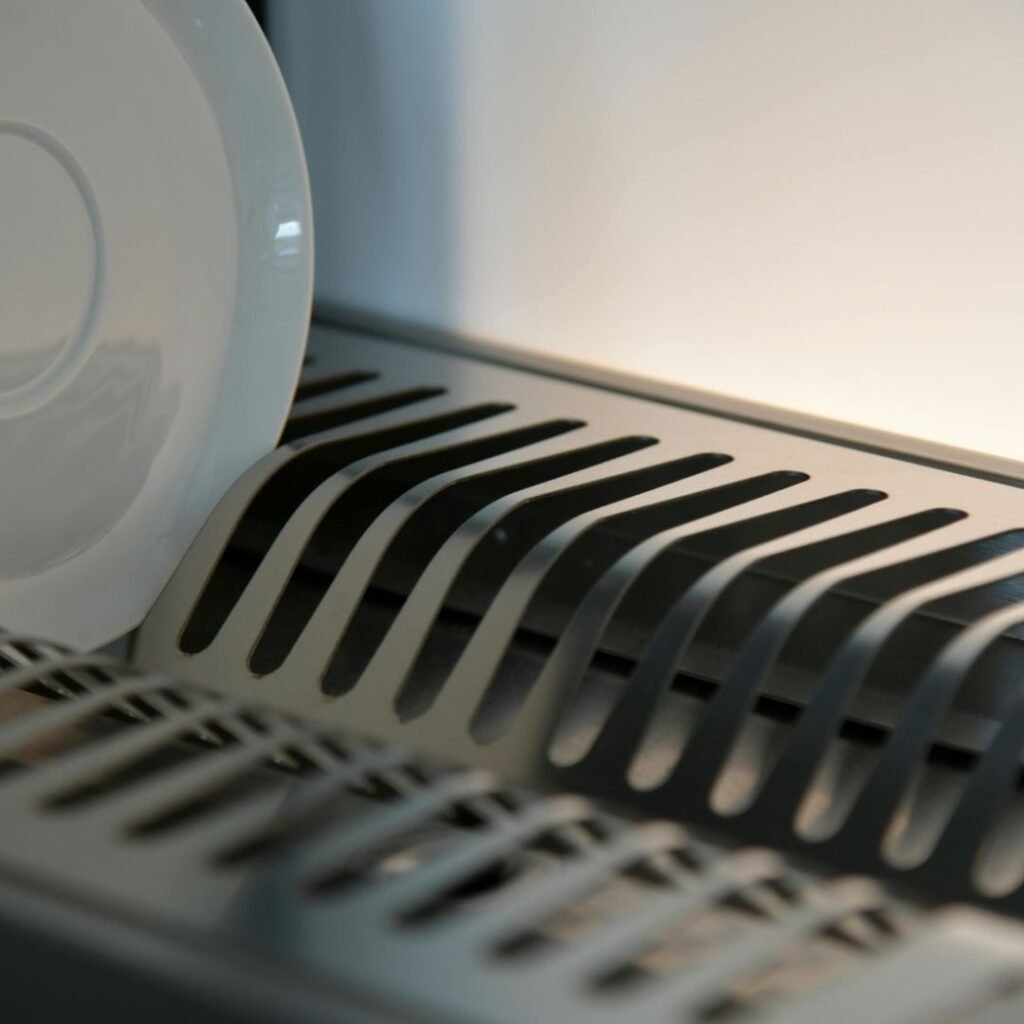
Things You Need for Dish Rack Cleaning
Before starting Dish Rack Cleaning, gather these items to make the process smooth and effective:
Warm water
Mild dish soap
White vinegar
Baking soda
Soft sponge or brush
Old toothbrush (for tight corners)
Microfiber cloth or towel
Spray bottle
Small bowl for mixing cleaning solutions
Having these items ready will help you clean your rack properly without stopping midway.
Step 1: Remove All Items From the Rack
The first step in Dish Rack Cleaning is clearing everything from the rack. Take out plates, cups, utensils, and detachable parts of the rack if possible.
Tip:
While removing items, check if water has been pooling underneath the rack. If so, dry the counter immediately. This prevents hidden moisture from turning into mold or stains on your kitchen surface.
Step 2: Rinse the Rack With Warm Water
Next, rinse the rack thoroughly using warm water. This helps loosen food particles, soap residue, and dust that accumulate during daily use.
Tip:
Tilt the rack slightly while rinsing so that trapped debris falls out easily. Many racks have corners where small particles get stuck, and angling the rack helps clear them faster.
Step 3: Apply Dish Soap for Surface Cleaning
Add a few drops of dish soap onto a sponge or brush and gently scrub the entire rack. Focus on areas where dishes usually sit because these spots tend to collect grease or stains.
Tip:
Instead of scrubbing randomly, clean from the top to the bottom. This allows dirty water to flow downward and prevents re-cleaning the same area again.
Step 4: Clean Corners and Edges Carefully
In Dish Rack Cleaning, corners are often the dirtiest parts. Use an old toothbrush to scrub narrow gaps, joints, and edges where buildup occurs.
Tip:
Dip the toothbrush in warm soapy water before scrubbing. This makes it easier to remove sticky residue and helps reach places a sponge cannot.
Step 5: Use Vinegar to Remove Odors and Bacteria
After scrubbing with soap, spray or pour a mixture of vinegar and water over the rack. Vinegar helps remove odors and naturally disinfects surfaces.
Tip:
Let the vinegar sit for a few minutes before rinsing. This increases its effectiveness in breaking down mineral deposits or mild rust spots.
Step 6: Treat Stains With Baking Soda
For stubborn stains or marks, sprinkle baking soda over the affected areas and gently scrub again.
Tip:
Mix a small amount of baking soda with water to create a paste. This paste works well on tough spots and gives better control while cleaning delicate racks.
Step 7: Rinse Thoroughly Again
Rinse the rack once more with clean water to remove soap, vinegar, and baking soda residues.
Tip:
Use slightly warm water during this rinse as it helps wash away any remaining cleaning mixture faster.
Step 8: Dry the Dish Rack Completely
Drying is an important part of Dish Rack Cleaning. Use a microfiber cloth or towel to wipe down the rack and remove moisture.
Tip:
Place the rack in a well-ventilated area or near sunlight for faster drying. Proper drying reduces the chances of mold or unpleasant smells.
Step 9: Clean the Drip Tray or Base
Most dish racks include a drip tray that collects water. This tray should also be washed with soap and rinsed well.
Tip:
Check the tray regularly for slime buildup. Cleaning it often prevents bacteria from spreading back onto the rack.
Step 10: Place the Rack Back Properly
Once the rack is dry and clean, place it back on the counter and arrange dishes carefully.
Tip:
Try placing the rack in a spot where air circulates easily. Better airflow keeps the rack dry and cleaner for longer.
Extra Tips to Maintain Dish Rack Cleaning
Maintaining Dish Rack Cleaning regularly keeps your kitchen healthier and saves time later.
Clean your dish rack at least once a week.
Avoid letting water sit in the tray for long hours.
Wipe the rack lightly every day after washing dishes.
Use liners or mats under the rack to protect your countertop.
Check for rust or cracks occasionally.
These small habits make Dish Rack Cleaning easier and more effective over time.
Facts About Dish Rack Cleaning
Here are some interesting facts about Dish Rack Cleaning:
Dish racks can collect bacteria if they remain wet for long periods.
Many kitchen hygiene experts recommend cleaning dish racks weekly.
Stainless steel racks resist rust better but still need regular cleaning.
Plastic racks may develop odor faster if moisture remains trapped.
Regular cleaning improves overall kitchen cleanliness.
Advantages of Dish Rack Cleaning
Keeping up with Dish Rack Cleaning offers several benefits:
Helps maintain a hygienic kitchen environment.
Reduces the risk of bacteria spreading to clean dishes.
Prevents unpleasant odors near the sink area.
Extends the life of your dish rack.
Keeps your countertop cleaner and more organized.
Makes daily dishwashing feel more comfortable and safe.
In conclusion, Dish Rack Cleaning is a small task that has a big impact on kitchen hygiene.
By following these simple steps, using the right materials, and applying unique cleaning tips, you can keep your dish rack fresh and safe for everyday use.
Regular Dish Rack Cleaning ensures your dishes remain truly clean after washing and helps maintain a healthier home environment.