
I have always believed that the most transformative furniture pieces are the ones you least expect — and small console tables sit right at the top of that list.
They occupy barely any floor space, yet they carry an extraordinary amount of visual and functional weight in a room. Whether you are working with a narrow entryway, a compact living room wall, or a bedroom that refuses to cooperate with full-sized furniture, a small console table can shift the entire energy of a space.
Over the years, I have experimented with dozens of styles, materials, and placements, and what follows are the 20 most compelling, practical, and genuinely beautiful ideas I have come across.
1. The Floating Illusion — Wall-Mounted Small Console Tables That Defy Gravity
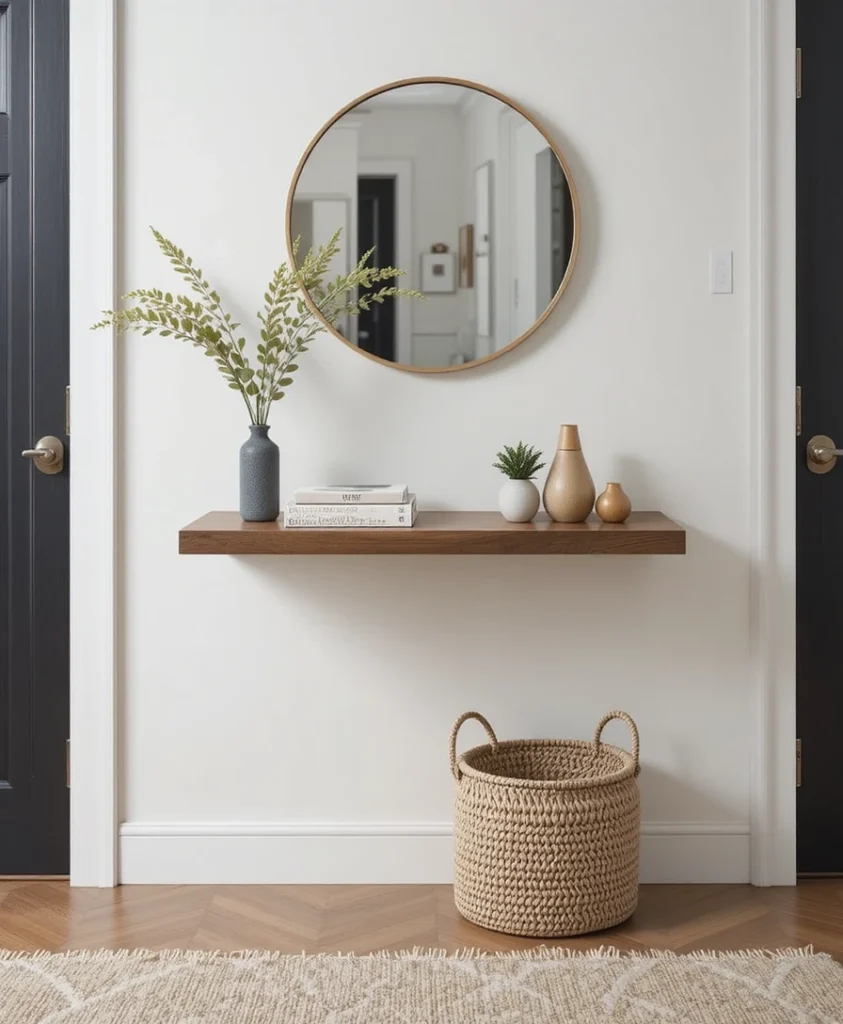
When I first installed a wall-mounted small console table in my entryway, I genuinely could not believe how much more open the room felt. By lifting the surface completely off the floor, you preserve the visual flow of the space beneath it, which makes the entire room read as larger and airier. These are ideal for hallways where floor space is at an absolute premium. Opt for a slim walnut or matte white finish to keep the look deliberate rather than accidental. Mount it at a height of roughly 30 to 32 inches for everyday usability, and pair it with a small framed mirror above to double the sense of depth.
2. Marble-Top Narrow Wonders — When Luxury Refuses to Be Boxed Into Small Spaces
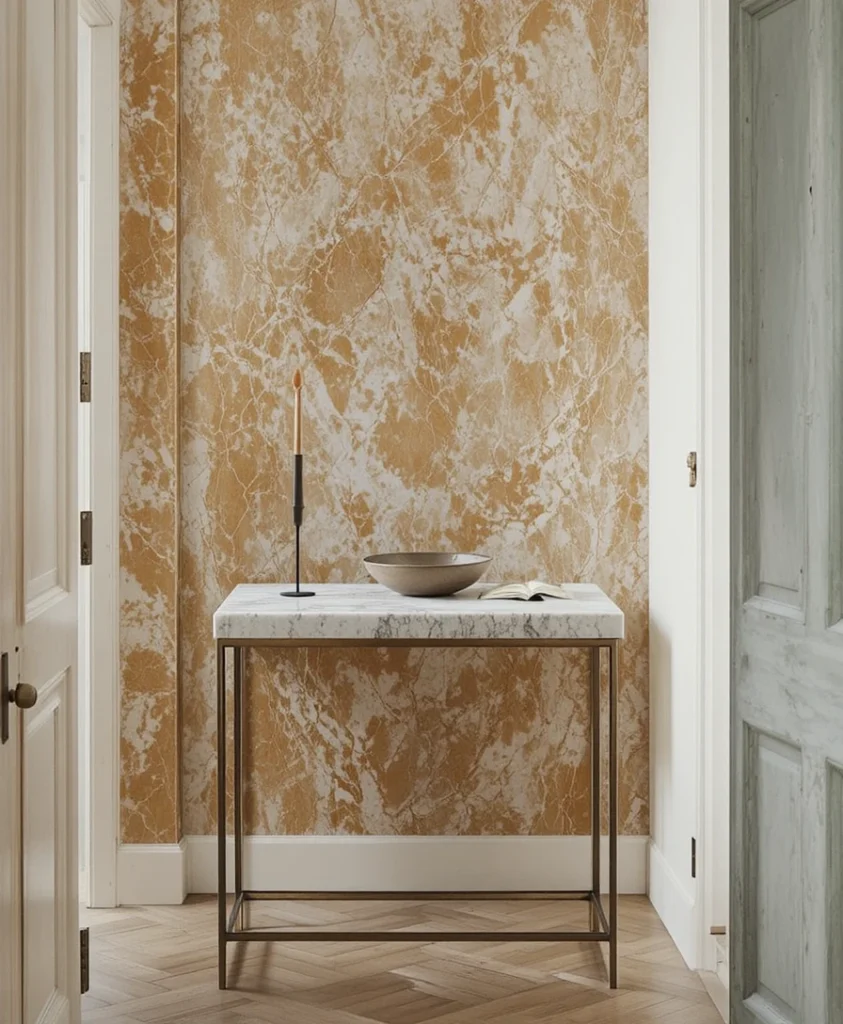
There is something quietly defiant about placing a marble-top small console table in a tight corridor — it refuses to apologize for being luxurious despite the constraints. A white Carrara or warm Emperador marble surface resting on slim brass or blackened steel legs creates a composition that looks entirely intentional and elevated. I have used this approach in a narrow dining room alcove, and it became the single most complimented element of the entire space. Keep the surface styling minimal — a single sculptural vase or a low ceramic bowl is all it needs. The material does all the heavy lifting, and the slim profile ensures the table never overwhelms a compact room.
3. The Behind-the-Sofa Secret — Tucking a Small Console Table Where No One Expects It
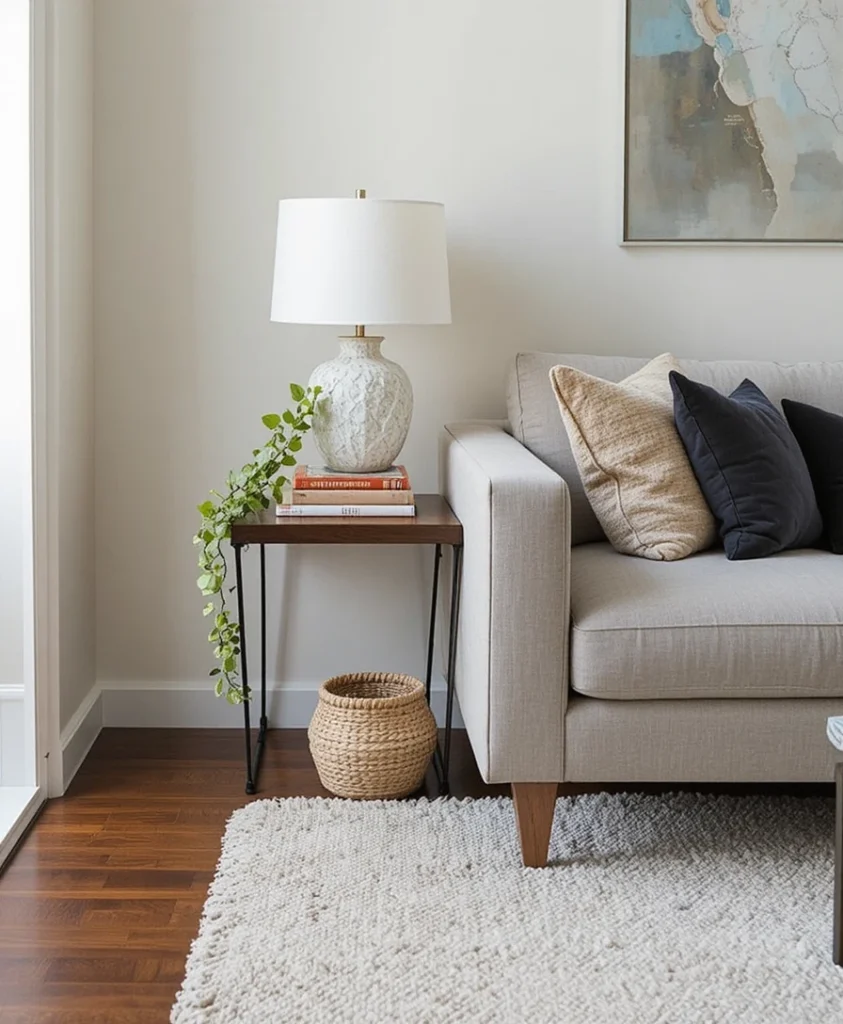
One of the most underused placements I have ever discovered for a small console table is directly behind the sofa, acting as a slim buffer between seating and open space. In rooms where the sofa floats away from the wall, a narrow console — anything between 10 and 14 inches deep — slides perfectly into that gap and creates an entirely new functional zone. I use mine to hold a lamp, a few books, and a trailing plant, and it anchors the sofa arrangement beautifully without consuming any meaningful square footage. The trick is matching the table height to the sofa back so the two pieces feel deliberately coordinated rather than randomly assembled.
4. Industrial Pipe Frames Meet Reclaimed Wood — The Rugged Narrow Table That Ages Beautifully
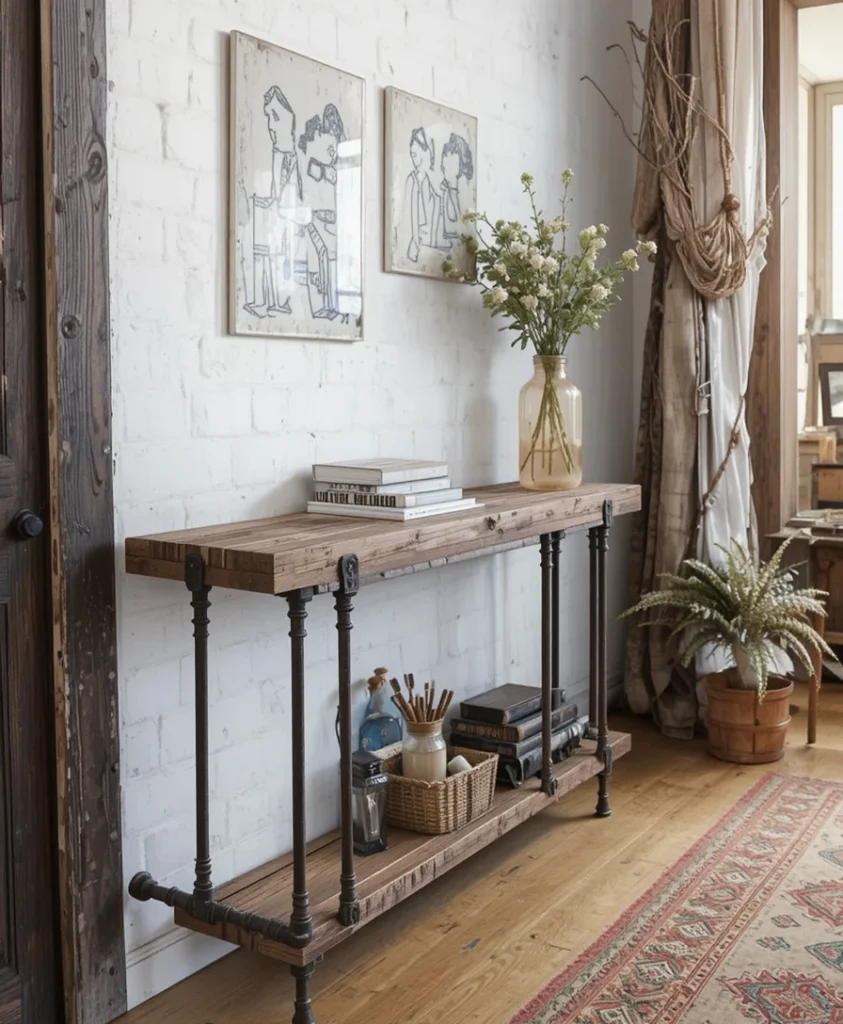
I am particularly drawn to small console tables built from reclaimed wood planks set on raw iron or black steel pipe frames — there is an honesty to the materials that I find deeply appealing. The rough grain of salvaged timber against the cold geometry of industrial metal creates a tension that keeps the eye interested. These tables are inherently one-of-a-kind because no two pieces of reclaimed wood are identical, which means your table will never look like anyone else’s. The narrow footprint typical of this style makes it an excellent candidate for a home office wall, a workshop-adjacent space, or a loft entryway where the raw aesthetic feels completely at home.
5. Mirrored Surfaces and Light Play — A Small Console Table That Multiplies the Room
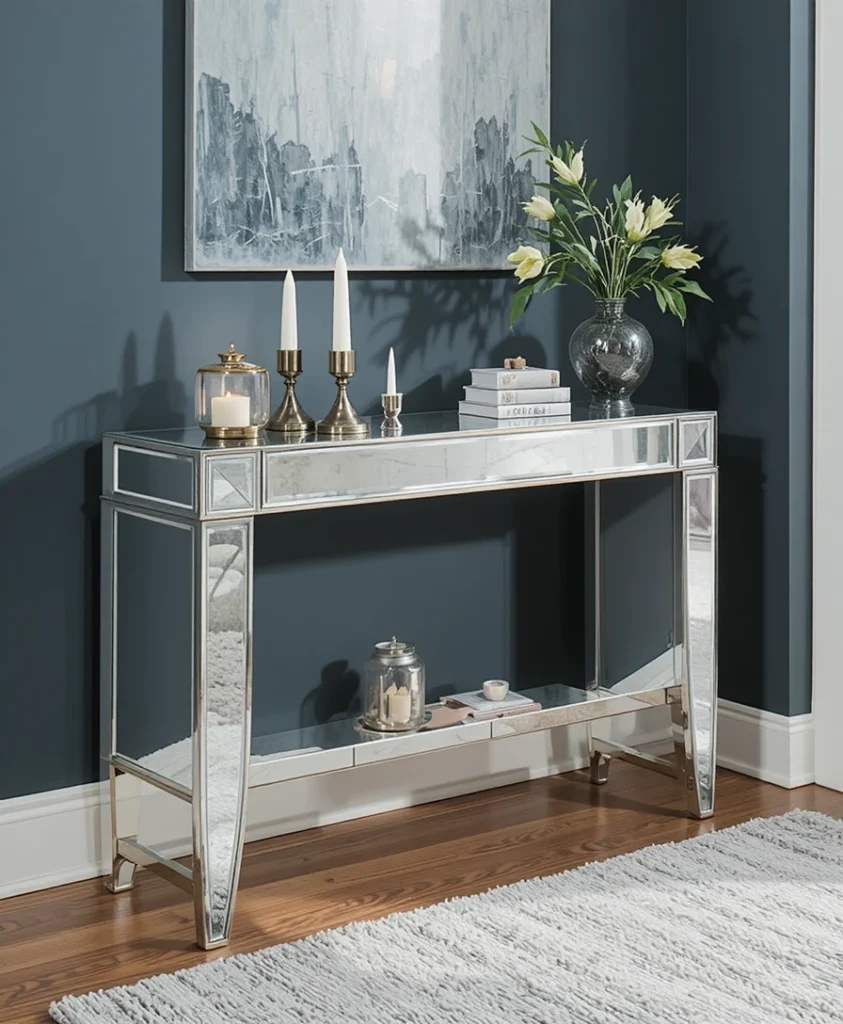
A mirrored small console table is one of those design tools that genuinely earns its place in compact interiors through pure optical trickery. The reflective surfaces — whether on the tabletop, the side panels, or the legs — bounce available light around the room and visually dissolve the table’s physical presence. I placed one in a particularly dark corner of my living room, and within days I noticed how the entire corner felt warmer and more open. Pair it with a candle grouping or a small table lamp to maximize the light-multiplying effect. This is one of the few furniture pieces that actually becomes more impressive in a smaller room rather than less.
6. Japandi Minimalism in Furniture Form — The Small Console Table That Calms a Room Instantly
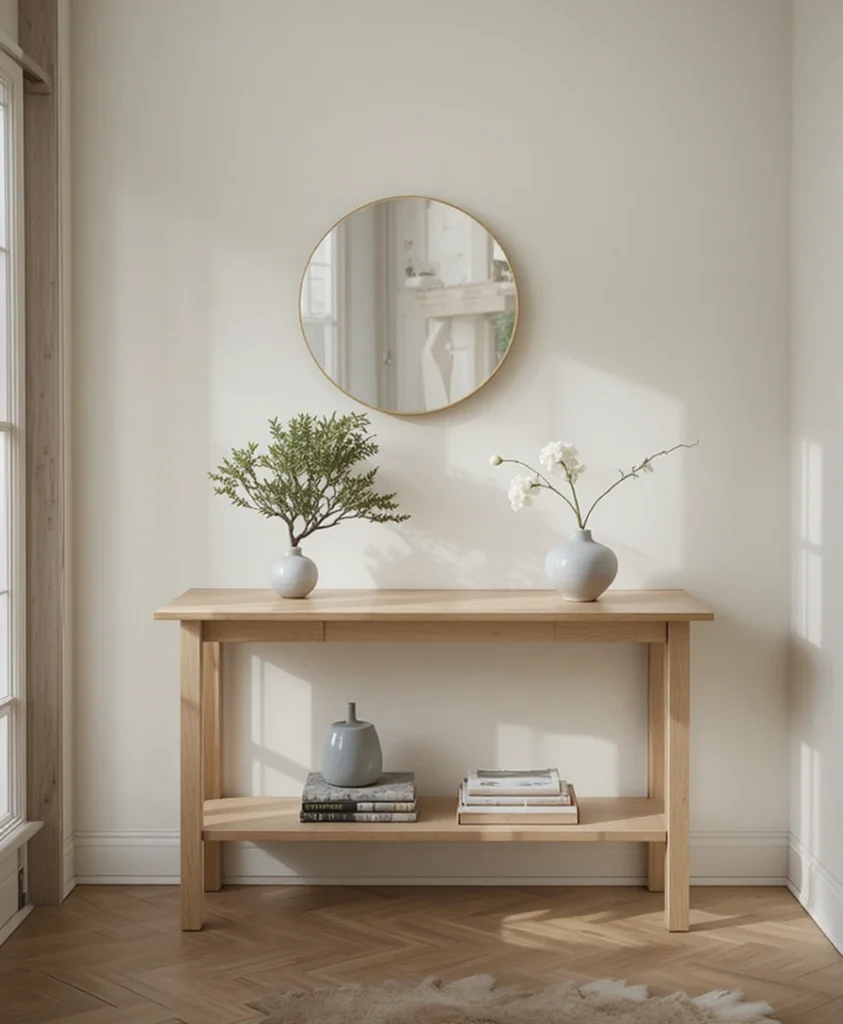
The Japandi aesthetic — that precise meeting point between Japanese wabi-sabi and Scandinavian simplicity — produces some of the most quietly beautiful small console tables I have ever encountered. Think clean-lined ash or oak frames, ultra-slim legs, and surfaces that are never overloaded. The proportions are restrained to the point of feeling meditative. I keep one in my bedroom as a bedside alternative, and the act of looking at it genuinely slows my thinking down in the best way. The key to pulling this off is restraint in styling — a single ceramic piece or a small bonsai plant is the appropriate scale of decoration, and nothing more is needed or welcome.
7. Foldable and Ready for Action — The Small Console Table That Disappears When You Need Space
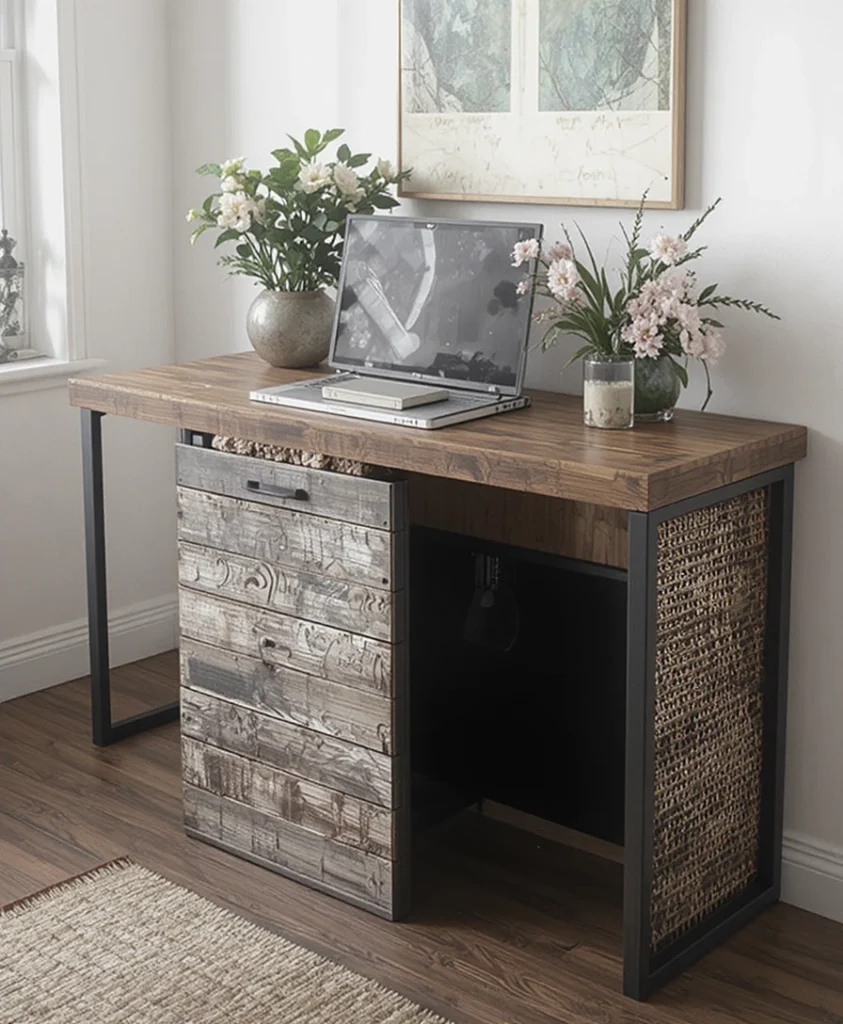
I became obsessed with foldable small console tables after living in a studio apartment for two years, and that obsession has never fully left me. A well-engineered fold-flat design means you have a fully functional surface when you need it and a flat, wall-hugging panel when you do not — it is honestly one of the most practical furniture inventions for urban living. Modern versions have shed the cheap, institutional look of earlier designs and now come in beautiful solid wood, powder-coated steel, and even cane-front constructions. Mount one in a home office or kitchen corridor and you will wonder how you ever managed without a surface that earns its keep twice over.
8. Open Shelf Architecture — Small Console Tables With Storage That Actually Makes Sense
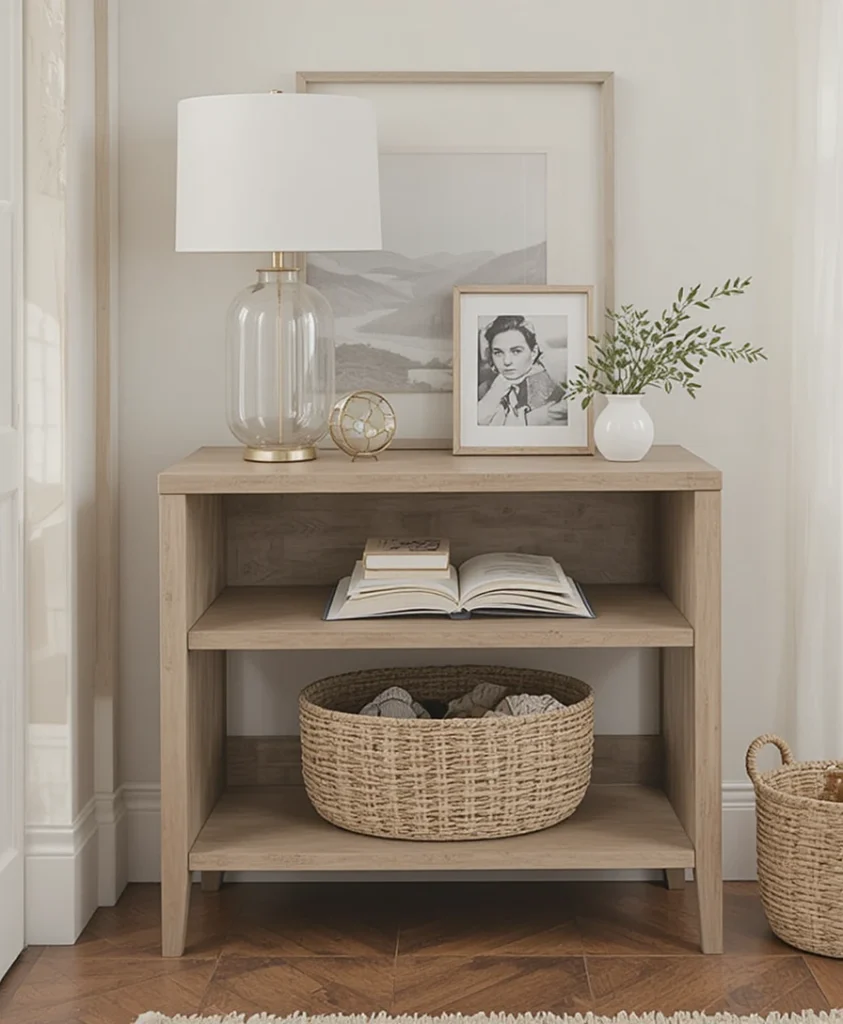
A small console table with one or two open lower shelves is, in my experience, one of the most practical configurations available for high-traffic spaces. The lower tier holds baskets, books, or décor objects, while the top surface remains clean and functional. I use this exact setup in my entryway — the bottom shelf holds a woven basket for scarves and small accessories, and the top holds a lamp and a single framed photograph. The visual balance of a filled lower shelf against a clean top surface creates a composed, intentional look that styled-to-the-hilt tables often fail to achieve. It is organized without looking like it is trying too hard.
9. Curved Legs and Vintage Soul — The Small Console Table That Brings Old-World Charm Back
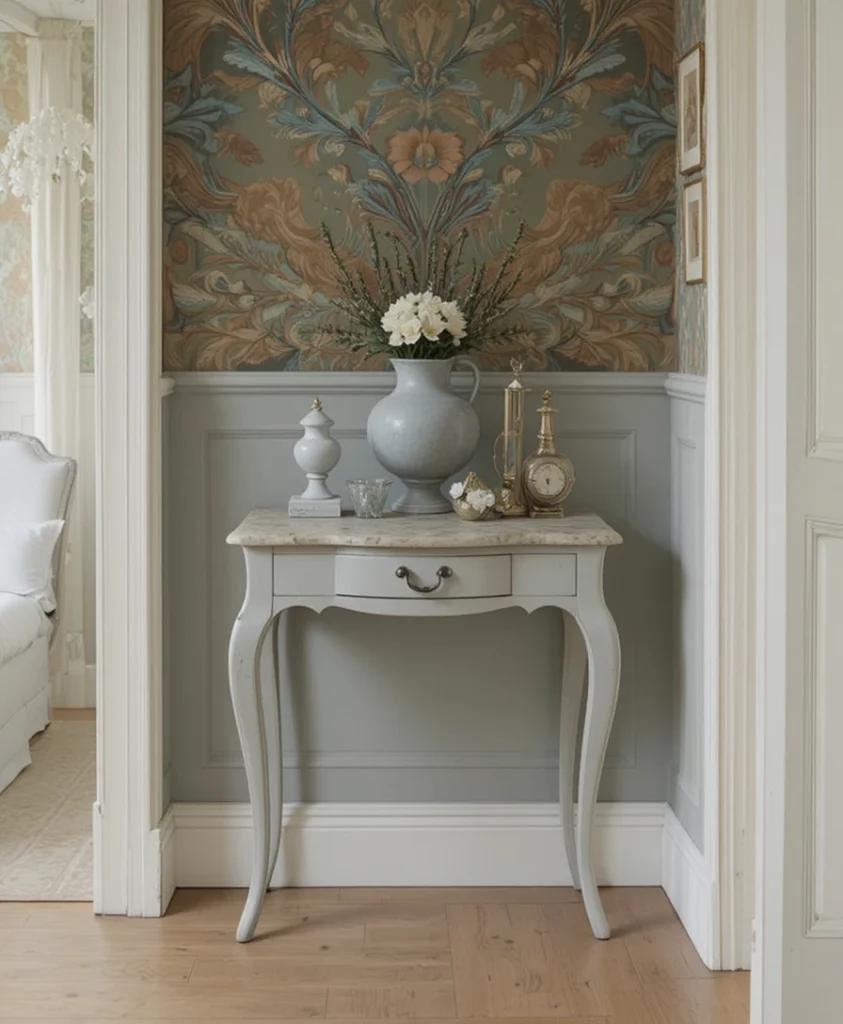
There is a particular character to small console tables with curved, tapered, or cabriole legs that I find impossible to replicate with any modern straight-line design. These pieces carry the memory of a different era — French provincial, mid-century Hollywood Regency, or English Georgian — and they bring that weight of history into a contemporary room in the most charming way. I have a small painted console with subtly curved legs in my hallway, and guests invariably stop to look at it. The slightly ornate quality of curved leg designs works beautifully against plain painted walls or textured wallpaper, where the silhouette of the legs becomes part of the overall wall composition.
10. Bold Black Matte Finishes — When a Small Console Table Becomes a Statement Anchor
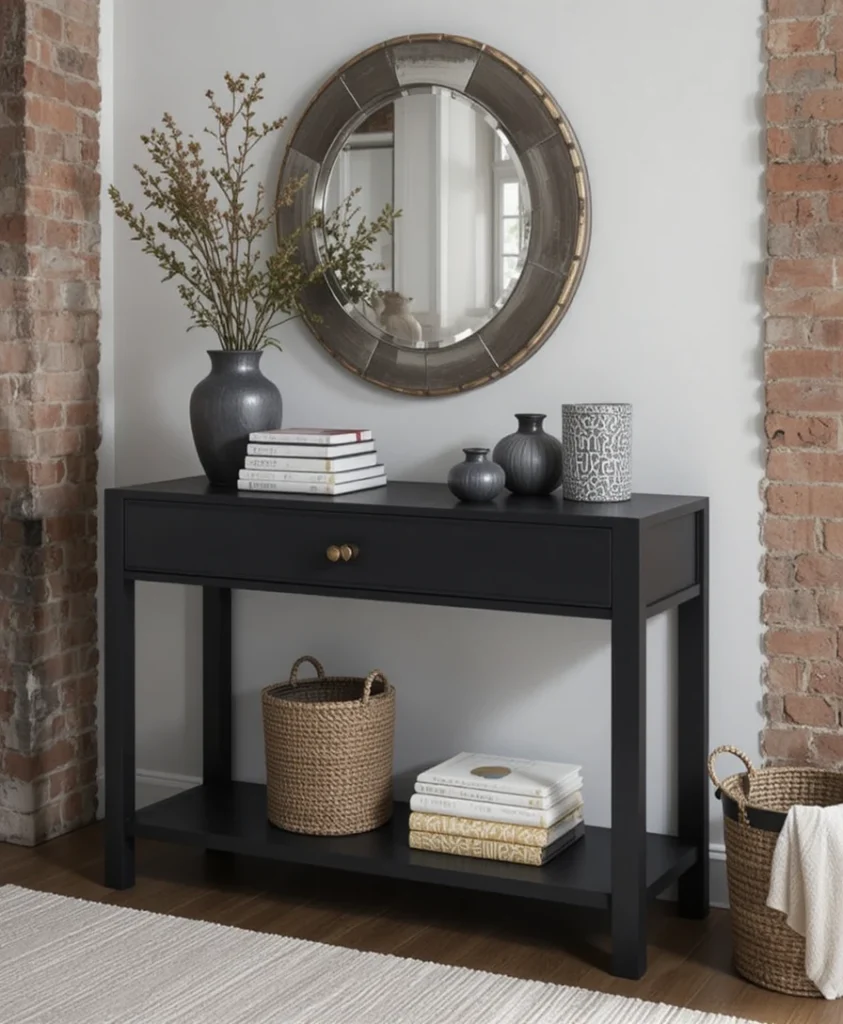
A matte black small console table is not a subtle choice, and I mean that entirely as a compliment. There is a certain confidence to a flat-black finish that commands attention without competing with anything around it. I have seen this work brilliantly in white-walled entryways, against exposed brick, and even in all-neutral rooms where the table becomes the single dark anchor that stops the space from feeling too soft. The matte finish specifically is critical — it absorbs light rather than reflecting it, which gives the piece a graphic, almost architectural quality that high-gloss finishes cannot replicate. Pair it with warm brass hardware or accessories to prevent the overall effect from feeling too stark.
11. Rattan and Cane Weaving — The Textural Small Console Table That Makes a Room Breathe
Rattan and cane-wrapped small console tables introduce a natural, woven texture that is genuinely unlike anything achievable in metal or solid wood alone — there is an inherent lightness to the material that prevents even the most elaborately designed piece from feeling heavy. I am particularly fond of designs where the cane panels appear on the lower shelf or side stretchers, framed in painted or natural wood. The visual porosity of the woven pattern means the table reads as less solid than it actually is, which is an enormous advantage in compact rooms. These work exceptionally well in coastal, bohemian, or earthy-organic interiors, though a painted white or sage green frame can modernize the look considerably for more contemporary spaces.
12. The Entryway Command Center — Turning a Small Console Table Into a Fully Organized Drop Zone
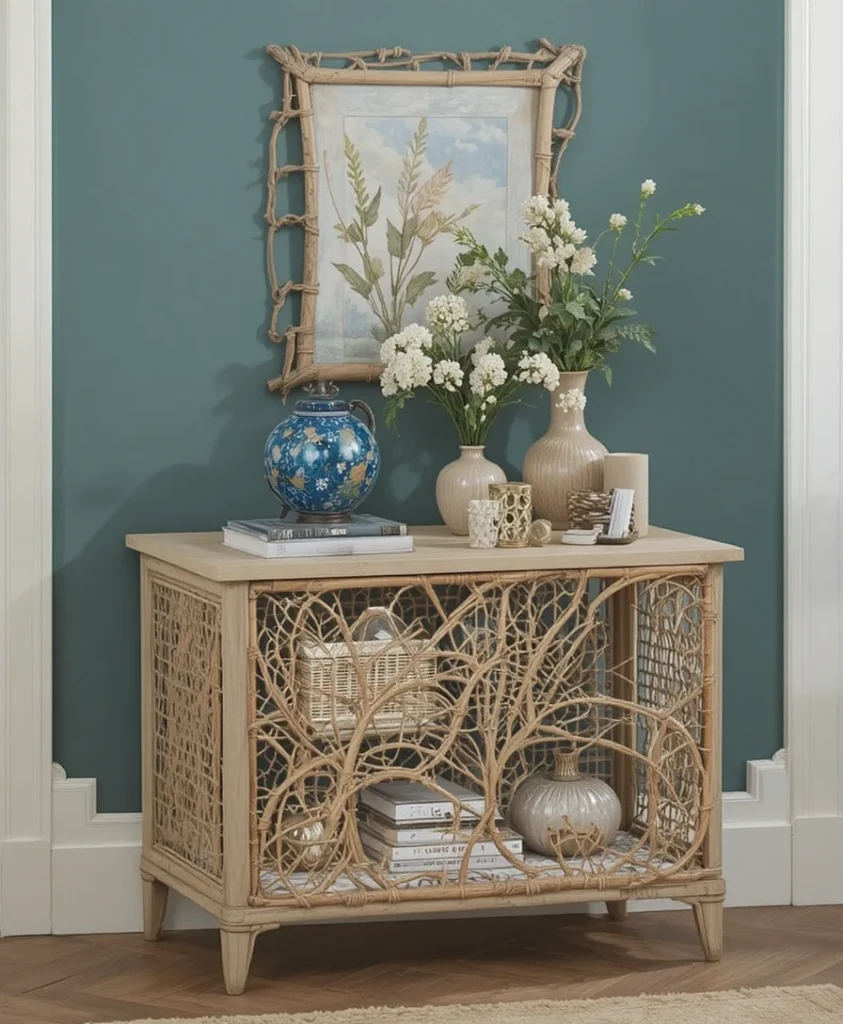
I have spent years refining the entryway small console table setup, and what I have learned is that intentional organization trumps decorative ambition every single time in this particular space. A narrow table paired with small trays, a key hook rail mounted just above, and a basket or two on the lower shelf creates a genuinely functional drop zone that handles the daily chaos of arrivals and departures. The surface itself should be divided into zones — one side for everyday essentials like keys and mail, the other for a plant or lamp that keeps the space from feeling purely utilitarian. When this balance is right, the entryway becomes the most composed room in the house.
13. Hairpin Legs and Mid-Century Character — The Small Console Table That Never Goes Out of Style
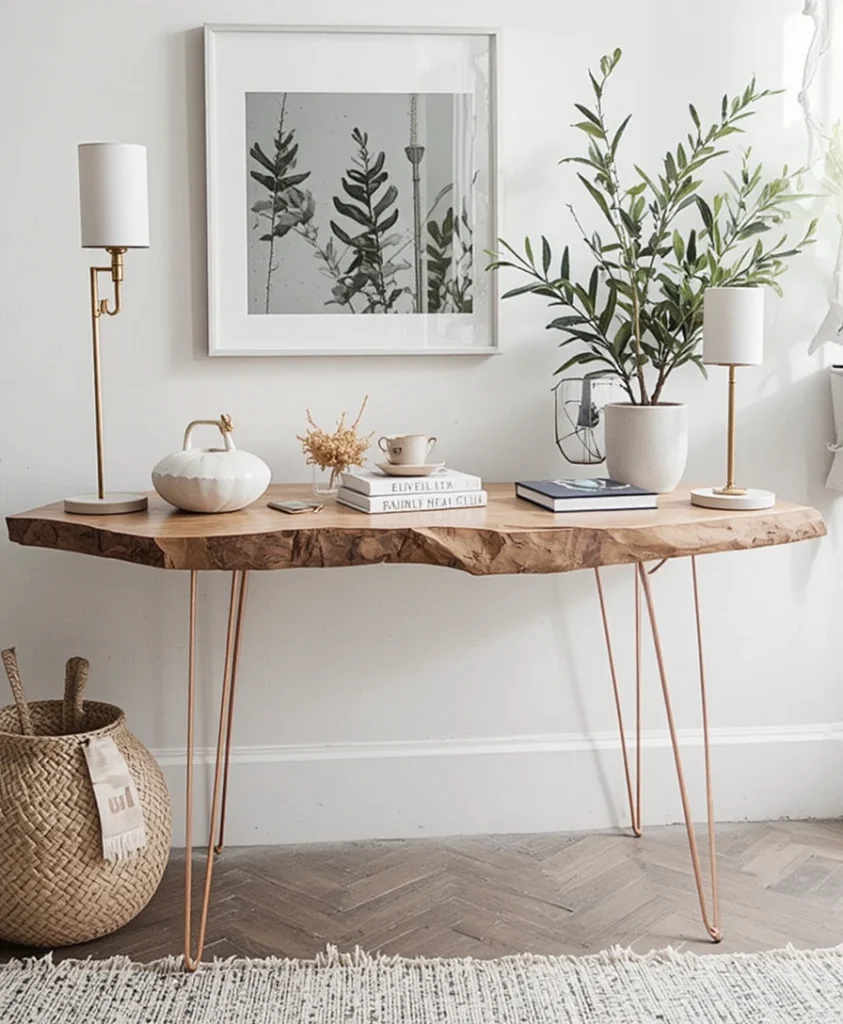
Hairpin-legged small console tables occupy an unusual position in the design world — they are simultaneously retro and completely current, and I have never seen them look out of place in any interior style I have worked with. The slender, wire-like legs create an almost invisible base that keeps the visual weight entirely in the tabletop, which is why they work so well in small rooms where bulk is the enemy. I have one with a live-edge oak top and slim copper hairpin legs, and it draws more admiring comments per square inch than almost any other piece I own. The surface material you pair with hairpin legs defines the entire personality of the piece — concrete for an industrial feel, butcher block for warmth, or painted MDF for a more playful, colorful result.
14. Painted Heirloom Pieces — Giving an Old Small Console Table a Completely New Identity
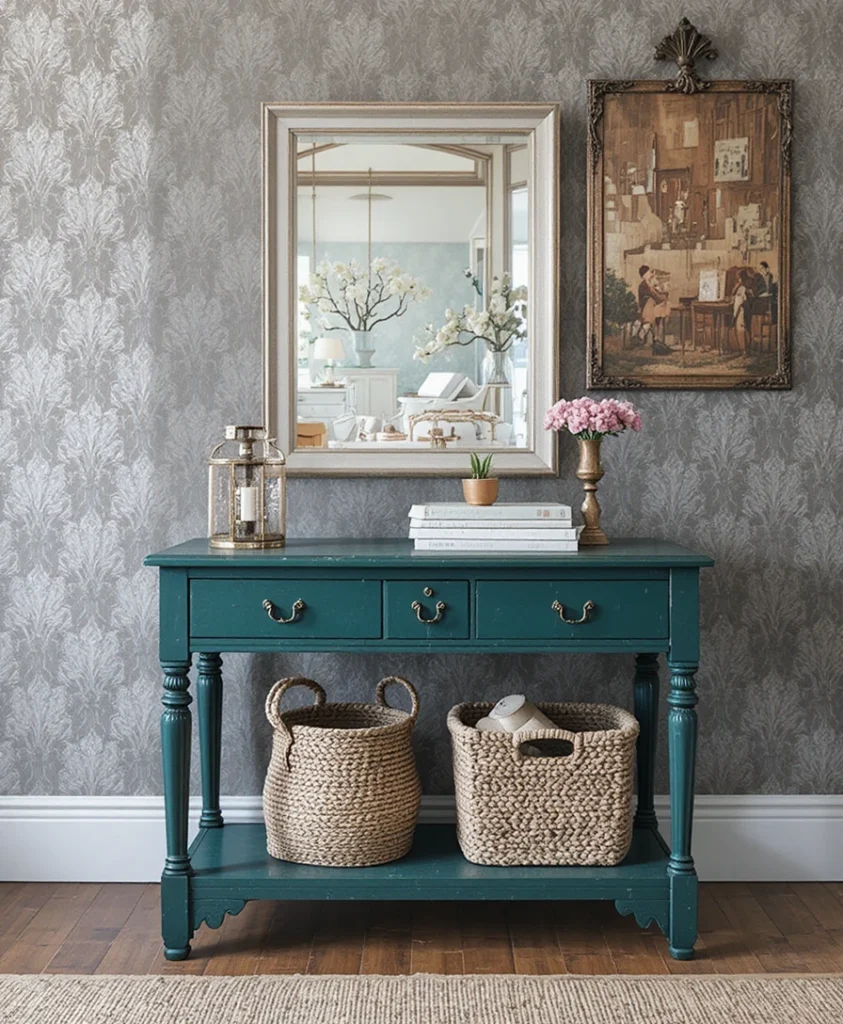
Some of the most beautiful small console tables I have ever styled were not purchased new — they were old, unloved pieces that received a coat of carefully chosen chalk paint and a new set of hardware. The transformation that a single color can achieve on a dated console is remarkable, and the resulting piece carries a handmade authenticity that factory-finished furniture simply cannot replicate. I once painted a Victorian-era side table in a deep forest green with aged brass pulls and it became the focal point of an entire living room wall. The key is in the preparation and the finish — lightly distressed edges and a matte wax topcoat create depth and age that makes a painted piece look genuinely considered rather than hastily DIY-ed.
15. Glass-Top Transparency — The Small Console Table That Refuses to Crowd a Room

A glass-topped small console table is one of the most reliable tools available for making a space feel larger than its actual dimensions, and I reach for this option whenever a room feels visually cluttered beyond what furniture removal alone can fix. The transparent surface allows the eye to travel through and past the table rather than stopping at it, which preserves the sense of open floor space even when the table is in a high-traffic area. Tempered glass on slim metal or acrylic legs is the configuration I find most convincing — the entire piece almost disappears into the background while still providing a fully functional surface. Style it sparingly; a glass top rewards restraint more than any other material.
16. Concrete and Raw Texture — The Small Console Table That Brings Industrial Grit Indoors
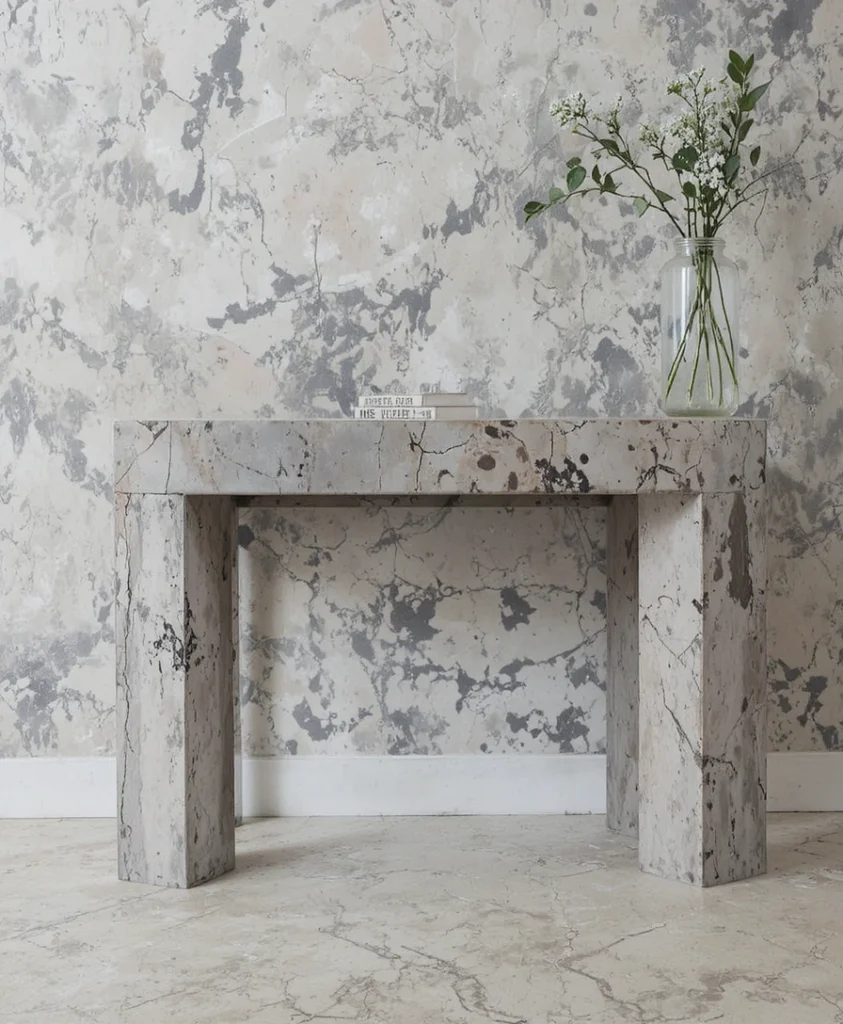
A concrete-effect or genuinely cast-concrete small console table is one of those pieces that divides opinion sharply, and I find that quality rather appealing in a furniture piece. The raw, mottled texture of concrete introduces a tactile roughness that reads as deeply considered in the right interior — think lofts, studios, and urban apartments where the bones of the building are already part of the aesthetic conversation. Lightweight concrete-look finishes over MDF or fiberglass make this look far more accessible than it once was. Balance the weight of the concrete surface with ultra-slim legs — the visual contrast between a heavy-looking top and delicate base creates a genuinely interesting tension that keeps the eye engaged.
17. Two-Tiered Design Genius — The Small Console Table That Doubles Its Own Utility
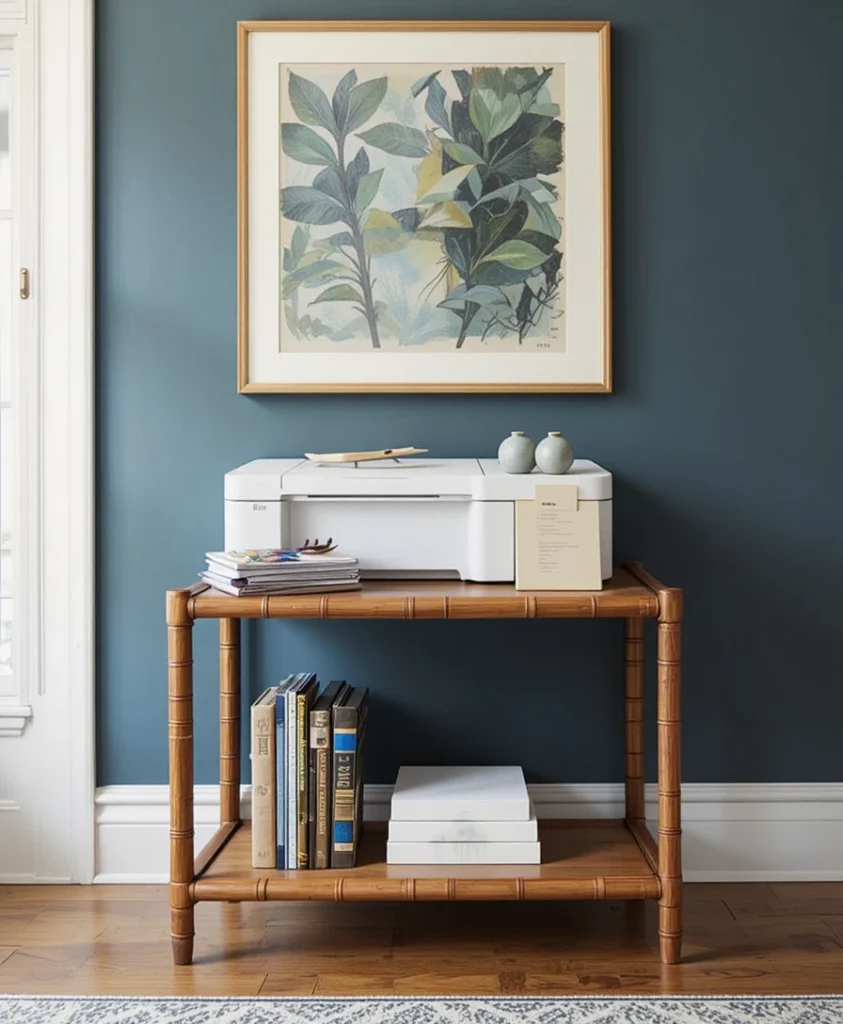
A two-tiered small console table is, in my view, one of the most intelligent designs available in this furniture category — it essentially provides two surfaces for the footprint of one, which is an extraordinary value proposition in a tight space. The lower tier is typically narrower and slightly deeper than the upper, which creates a stepped effect that reads as visually dynamic rather than clunky. I use a two-tiered bamboo console in my home office as a printer stand and paper organizer, and the configuration manages both tasks without competing for the same surface. Choose a design where the two tiers are clearly differentiated in purpose — decorative on top, functional below, or vice versa — to prevent the table from looking like it cannot decide what it wants to be.
18. Narrow Bamboo Constructions — The Eco-Conscious Small Console Table With a Surprisingly Strong Personality
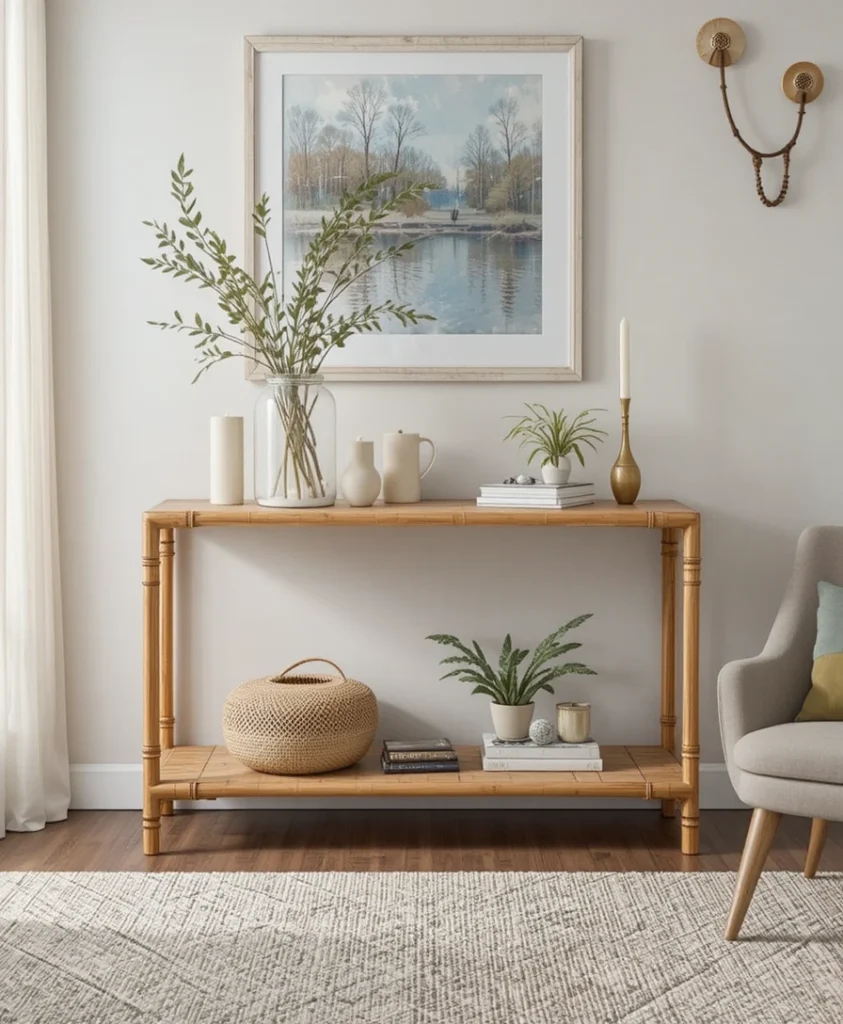
Bamboo small console tables occupy a genuinely unique position in the furniture market because they deliver structural strength, a warm natural aesthetic, and genuine environmental credibility in a single package — which is a combination that almost no other material can match at the same price point. The characteristic grain and warm golden tone of bamboo brings an organic energy into a room that neither wood nor metal can replicate precisely. I have found bamboo consoles work particularly well in home offices, sunrooms, and living spaces that lean toward a natural or biophilic design ethos. Look for mortise-and-tenon joinery in bamboo pieces rather than dowel or nail construction — it signals a genuinely well-made piece that will hold up for years under daily use.
19. Scalloped Edges and Artisanal Details — The Small Console Table That Treats Craft as the Point
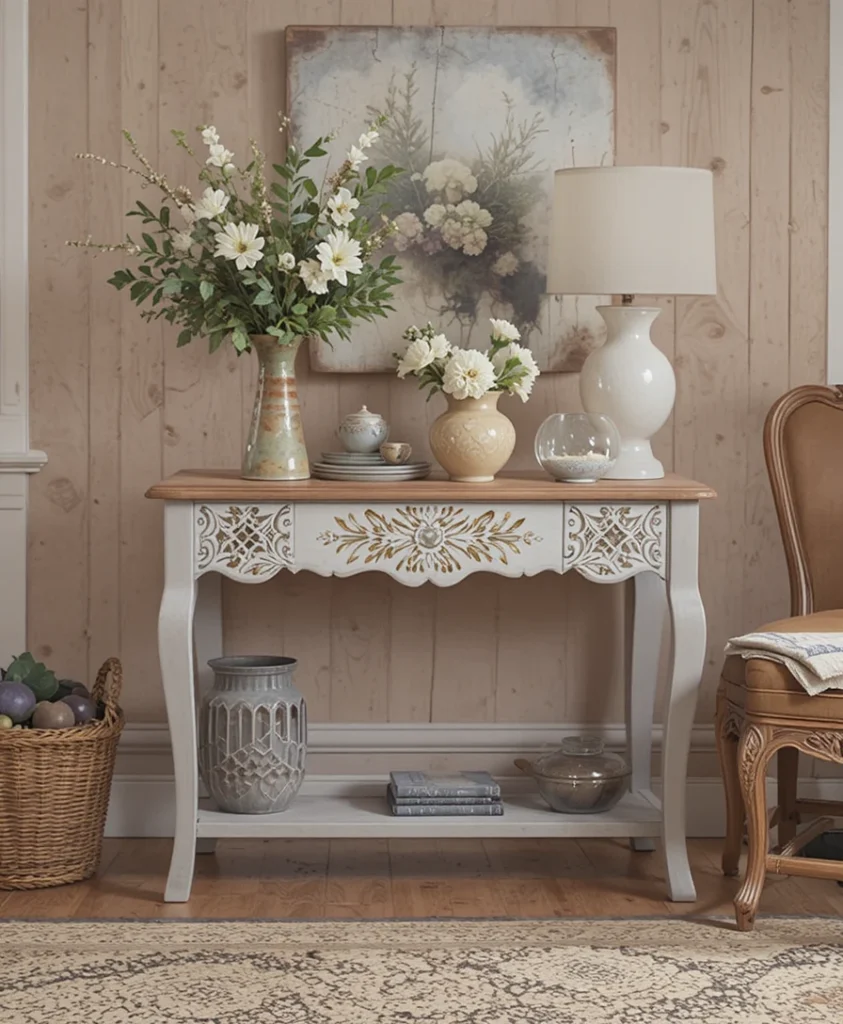
I have grown increasingly drawn to small console tables where the maker’s hand is visible in the finished piece — scalloped aprons, carved leg details, hand-applied paint finishes, or laser-cut geometric panels that carry a soul no machine alone can replicate. These tables exist at the intersection of furniture and craft object, and they occupy a room with a very different presence than mass-produced pieces. A scalloped-edge console in painted pine, for example, brings a sense of personality and narrative that generic flat-pack furniture simply cannot carry. Artisanal details justify a higher price point because they create a genuinely irreplaceable object — something that depreciates in monetary value but appreciates in meaning with every year it lives in your home.
20. The Chameleon Console — Choosing a Small Console Table That Works in Every Room You Own
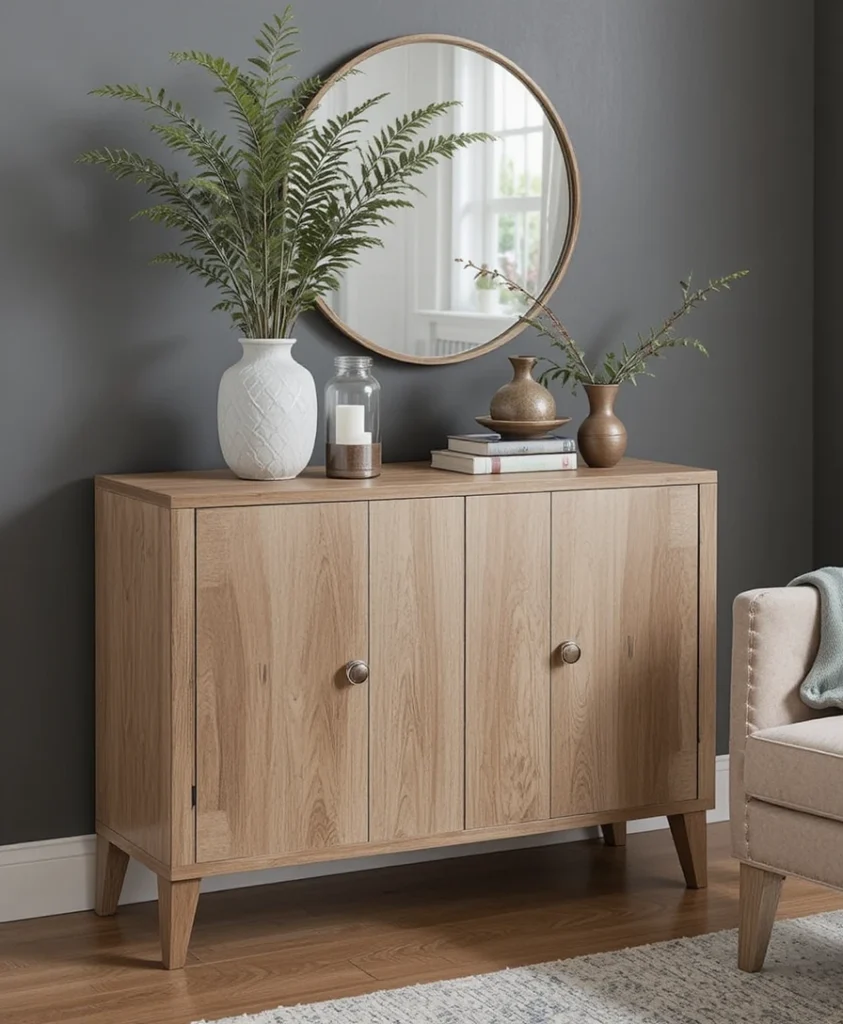
If I could offer only one piece of advice to someone buying their first small console table, it would be this: invest in a piece that is genuinely versatile enough to move with you through different rooms and different chapters of your interior style. A well-proportioned console in a neutral material — natural oak, matte white, or warm walnut — is a design chameleon that functions equally well as an entryway table, a sofa back table, a bedroom dresser alternative, a bar cart base, or a home office credenza. The most enduring small console tables are the ones with no strong stylistic agenda — they absorb and reflect whatever aesthetic you bring to them through styling, placement, and the objects you choose to display on their surface. That kind of quiet versatility is, I have come to believe, the highest form of good design.
Final Thoughts
After years of living with, styling, and rearranging small console tables in nearly every room imaginable, I am more convinced than ever that they represent one of the most rewarding furniture investments available to anyone working with limited space.
The 20 ideas I have shared here barely scratch the surface of what this category is capable of — every material, finish, and leg style opens up an entirely different conversation between the table and its surroundings. What I want you to take away is this: the size of a piece of furniture has very little to do with the impact it makes.
A small console table chosen with genuine intention and placed with care can anchor a room, define a moment in a hallway, or quietly organize the daily rhythm of a home in ways that far exceed its modest dimensions. Choose slowly, style deliberately, and never underestimate what a truly well-chosen small console table can do for a space you thought was already finished.